Seasonal Sprinkler Maintenance in Plano, Frisco, McKinney & Surrounding Areas
Your Sprinkler System Changes With The Seasons. Your Watering Should Too.
Seasonal sprinkler maintenance helps your irrigation system perform reliably through changing weather, fluctuating temperatures, growing landscapes, and the everyday wear that naturally occurs over time.
What worked in the spring may not be the best setting during the heat of summer.
What worked during summer may need adjustment before cooler weather arrives.
Seasonal sprinkler maintenance helps ensure your system continues operating efficiently while giving small problems the opportunity to be found before they become larger repairs.
At Whale Done, we believe regular maintenance is one of the best ways to protect your sprinkler system, conserve water, and keep your landscape looking its best.
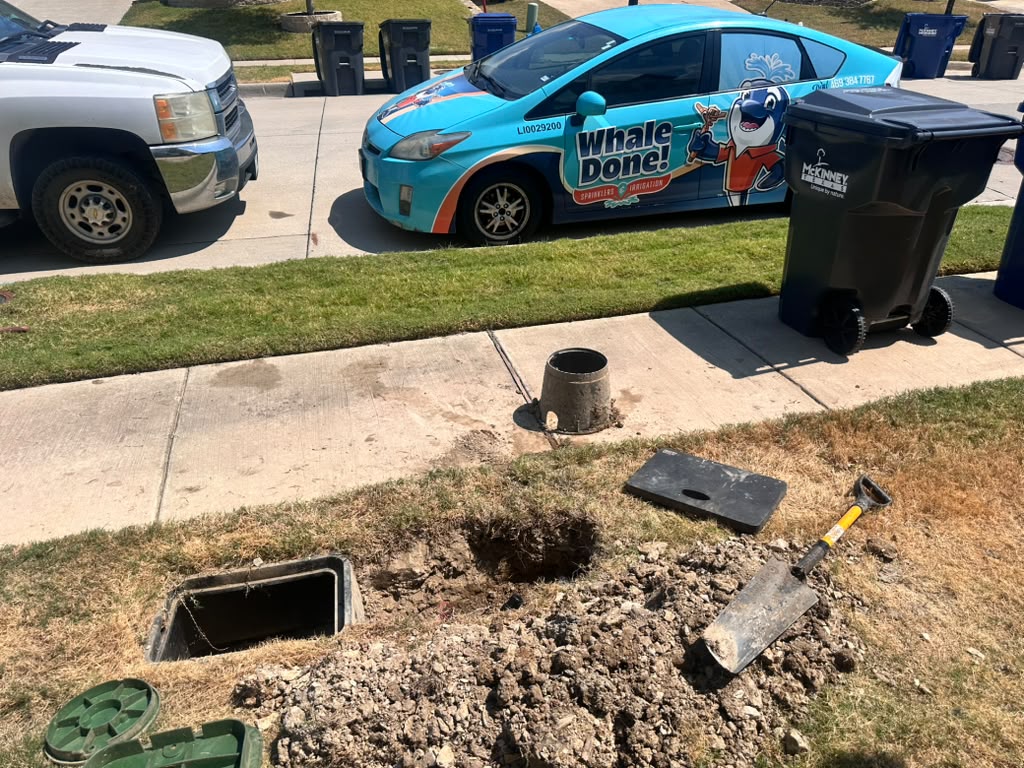
Your Sprinkler System Changes With The Seasons. Your Watering Should Too.
Seasonal sprinkler maintenance helps your irrigation system perform reliably through changing weather, fluctuating temperatures, growing landscapes, and the everyday wear that naturally occurs over time.
What worked in the spring may not be the best setting during the heat of summer.
What worked during summer may need adjustment before cooler weather arrives.
Seasonal sprinkler maintenance helps ensure your system continues operating efficiently while giving small problems the opportunity to be found before they become larger repairs.
At Whale Done, we believe regular maintenance is one of the best ways to protect your sprinkler system, conserve water, and keep your landscape looking its best.

“Whale Done Sprinklers provided outstanding service. They are professional, knowledgeable, and responsive throughout the entire process. The team arrived on time, completed the work efficiently, and made sure everything was working perfectly before they left. I really appreciated the clear communication and attention to detail. I highly recommend Whale Done Sprinklers team for anyone needing reliable, high-quality sprinkler service!”

Is It Time For Seasonal Sprinkler Maintenance?
If any of these sound familiar, it’s probably a good time to have your sprinkler system professionally evaluated.
✔ It’s been a year or more since your system was last checked.
✔ You recently purchased your home and aren’t sure when the sprinkler system was last serviced.
✔ Your water bill has gradually increased without an obvious reason.
✔ Some areas of your lawn look healthier than others.
✔ You’ve noticed a sprinkler head that’s leaning, spraying incorrectly, or not rotating.
✔ You’ve made changes to your landscaping since the system was installed.
✔ You’re not sure your sprinkler controller is programmed correctly for the current season.
✔ You haven’t run every sprinkler zone recently to make sure everything is working.
✔ You simply want the confidence of knowing your irrigation system is operating the way it should.
Seasonal maintenance isn’t about looking for something to repair. It’s about making sure everything is operating the way it should before small problems become bigger ones.
Why Is Seasonal Sprinkler Maintenance Important?
Your sprinkler system isn’t a “set it and forget it” system.
Throughout the year, sprinkler heads can be damaged, nozzles wear, plants grow, weather changes, and watering needs shift.
Without periodic adjustments, it’s easy to overwater, underwater, or miss developing problems altogether.
Routine maintenance helps your irrigation system continue operating the way it was designed.
What Homeowners Often Think
“Everything seems to be working.”
That’s great.
But many irrigation problems develop slowly.
A slightly clogged nozzle…
A sprinkler head that’s no longer rotating correctly…
A valve beginning to fail…
A small underground leak…
These issues often go unnoticed until they become larger repairs or show up on your water bill.
Regular maintenance helps identify many of these concerns before they become costly surprises.
How Often Should A Sprinkler System Be Checked?
We recommend having your sprinkler system professionally assessed at least once each year to keep it operating efficiently and to identify small issues before they become costly repairs. For many homeowners, scheduling seasonal sprinkler maintenance twice a year—typically in the spring before the growing season and again in the fall before cooler weather—is an even better approach.
These seasonal assessments allow irrigation schedules to be adjusted for changing weather conditions while ensuring every component of the system is inspected for wear, leaks, damaged sprinkler heads, valve issues, and controller performance. Regular maintenance helps conserve water, protect your landscape, improve system efficiency, and extend the lifespan of your irrigation investment.
What Sprinkler Maintenance Should Be Done Each Season in North Texas?
Sprinkler systems require different adjustments throughout the year. In North Texas, changing temperatures, summer heat, rainfall, and occasional freezing conditions can affect how your irrigation system operates.
Understanding what to check each season helps homeowners maintain consistent watering and identify problems before they become more expensive to address.
Spring: Inspect and Restart Your Sprinkler System
Spring is an important time to inspect your irrigation system after winter.
Before returning to a regular watering schedule:
Run each sprinkler zone and check for damaged heads.
Inspect pipes, valves, and connections for visible leaks.
Check sprinkler nozzles for clogs and uneven spray patterns.
Verify that the controller has the correct date and watering schedule.
Review drip irrigation lines and emitters for damage.
Check rain sensor operation.
Spring maintenance helps identify problems that may have developed during colder weather.
Summer: Adjust Watering for Heat and Increased Demand
North Texas summers can place additional demands on irrigation systems.
During hotter months:
Adjust watering schedules according to weather and landscape needs.
Check for dry spots and uneven sprinkler coverage.
Inspect sprinkler heads for damage or incorrect positioning.
Look for unusually wet areas that may indicate leaks.
Monitor water pressure and zone performance.
Check that rain sensors and smart controllers are functioning correctly.
Proper adjustments help prevent unnecessary watering while maintaining healthy landscapes.
Fall: Prepare Your Sprinkler System for Colder Weather
Fall is an opportunity to inspect the irrigation system and prepare vulnerable components for winter.
Recommended maintenance includes:
Inspecting exposed pipes and backflow preventers.
Checking valves and sprinkler heads for leaks.
Addressing damaged components before winterization.
Reviewing controller schedules as temperatures decrease.
Evaluating drip irrigation connections and tubing.
Planning freeze protection for exposed equipment.
Preparing early helps homeowners avoid rushing to protect their systems when freezing weather approaches.
Winter: Protect Vulnerable Irrigation Components
Although North Texas winters are often relatively mild, sudden freezes can damage irrigation equipment.
Homeowners should:
Protect exposed backflow preventers using appropriate insulated covers.
Insulate vulnerable above-ground pipes.
Check protective coverings after landscaping work or repairs.
Monitor exposed components following severe cold weather.
Avoid operating damaged irrigation components until they have been inspected.
For more extensive cold-weather preparation, professional sprinkler winterization can help protect vulnerable parts of the irrigation system.
Seasonal maintenance helps homeowners prepare for changing weather rather than waiting until an irrigation problem develops.
What Happens During Seasonal Sprinkler Maintenance?
Every irrigation system is different, so maintenance requirements depend on the property’s layout, equipment, and current condition. During a seasonal assessment, a technician may evaluate the following:
- Sprinkler Head and Nozzle Inspection: Each sprinkler head is checked for visible damage, clogging, incorrect positioning, and uneven spray patterns. Proper positioning helps ensure water reaches the intended landscape areas.
- Irrigation Zone Testing: Each zone is operated to evaluate its performance, identify weak coverage, and check whether all sprinkler heads activate and shut off correctly.
- Valve and Pipe Inspection: Accessible valves, connections, and visible irrigation components are evaluated for signs of leaks, damage, or unusual operation.
- Water Pressure and Coverage Evaluation: Technicians observe whether sprinkler zones provide consistent coverage and identify possible pressure problems that may affect watering performance.
- Controller and Sensor Review: Controller schedules, run times, rain sensor operation, and other available irrigation settings are reviewed to determine whether adjustments are needed.
- Drip Irrigation Inspection: When applicable, drip tubing, emitters, filters, and connections are checked for blockages, leaks, and uneven water distribution.
- Backflow Assembly Inspection: Accessible backflow prevention components are visually checked for obvious damage or leakage. Any testing or regulated backflow work should be performed by appropriately qualified professionals.
- Maintenance Recommendations: After evaluating the system, the technician explains any findings and discusses recommended adjustments or repairs before additional work is approved.
The goal is to understand how the entire irrigation system is performing and help homeowners make informed maintenance decisions.
Why Does North Texas Weather Affect Sprinkler Maintenance?
North Texas homeowners experience changing weather conditions that can influence irrigation performance throughout the year. From hot summers to sudden winter freezes, these conditions can affect sprinkler components, soil moisture, and landscape watering requirements.
Expansive Clay Soil and Irrigation Components
Many properties throughout Collin County have clay-rich soil that expands when wet and contracts as it dries. Repeated soil movement can place stress on underground irrigation pipes, fittings, and connections. Regular inspections can help identify leaks and damaged components before they create larger problems.
Extreme Summer Heat
High summer temperatures increase evaporation and can change how much water lawns and landscaping require. However, increasing sprinkler run times without checking coverage and soil conditions may lead to unnecessary water consumption. Seasonal controller adjustments help align irrigation schedules with changing landscape needs.
Heavy Rainfall and Drainage Conditions
Periods of heavy rainfall can leave lawns saturated and make it difficult to determine whether wet areas are caused by drainage problems or irrigation leaks. Checking sprinkler zones and monitoring soil moisture can help identify the source of excess water.
Sudden Winter Freezes
Although freezing conditions do not occur throughout the entire winter, sudden cold fronts can expose vulnerable irrigation components to freeze damage. Inspecting backflow preventers, exposed pipes, and connections before freezing weather arrives is an important part of seasonal preparation. These local conditions make regular sprinkler inspections and seasonal adjustments especially valuable for homeowners throughout Plano, McKinney, Frisco, Allen, Prosper, Celina, and surrounding communities.
Benefits Of Regular Sprinkler Maintenance
Regular sprinkler maintenance helps homeowners keep their irrigation systems operating efficiently while identifying developing problems before they become more complicated.
✔ Improve Watering Efficiency
Properly adjusted sprinkler heads, nozzles, and controller schedules help distribute water more consistently across the landscape. This can reduce unnecessary watering and help prevent dry or oversaturated areas.
✔ Identify Problems Before They Become Larger Repairs
Routine inspections can reveal damaged sprinkler heads, leaking connections, malfunctioning valves, and other developing problems before they cause more extensive damage or water loss.
✔ Support the Lifespan of Irrigation Components
Inspecting and maintaining sprinkler heads, valves, controllers, and connections helps address wear and operational issues that may affect system performance over time.
✔ Maintain a Healthier Lawn and Landscape
Consistent irrigation coverage helps lawns, flower beds, and other landscaped areas receive appropriate watering based on their needs and changing weather conditions.
✔ Prepare Your System for Changing Seasons
Seasonal adjustments help ensure your irrigation system is ready for changing temperatures, rainfall, and watering demands throughout the year.
Seasonal Changes Matter
North Texas weather changes throughout the year with intense heat, seasonal rainfall, strong winds, and fluctuating temperatures that affect your landscape’s watering needs. As conditions change, your irrigation system should be adjusted to maintain efficient performance. Seasonal sprinkler maintenance helps prevent overwatering during cooler months and ensures adequate watering during hot, dry periods.
Regular adjustments improve water efficiency, support healthier lawns and plants, reduce water waste and utility costs, and keep your irrigation system operating reliably throughout every season.
How To Prepare Your Sprinkler System For Freezing Weather
As temperatures begin to drop across North Texas, preparing your irrigation system for freezing weather becomes an important part of seasonal sprinkler maintenance. Cold-weather preparation helps homeowners identify potential concerns before a freeze and reduce the risk of damage to exposed pipes, valves, backflow assemblies, and other vulnerable components.
Review Your Sprinkler Controller Programs
Check your sprinkler controller to make sure its watering schedules reflect cooler temperatures and current landscape needs. Reduce unnecessary watering as evaporation slows, and review any automatic or weather-based programs that may continue running during cold weather. Remember that changing the controller schedule alone does not remove water from the irrigation system or provide complete freeze protection.
Adjust Seasonal Settings And Watering Times
Many sprinkler controllers offer seasonal adjustment or water-budget settings that allow homeowners to reduce programmed run times without changing every zone individually. Review these settings alongside local watering restrictions and current weather conditions. Avoid unnecessary watering when freezing temperatures are expected, and follow the controller manufacturer’s recommendations for seasonal operation.
Use Manual Runs Carefully
Running each sprinkler zone manually can help identify leaks, damaged sprinkler heads, stuck valves, and uneven coverage during a maintenance inspection. However, manual operation is not a substitute for winterization. Avoid operating the system during freezing conditions, and follow manufacturer guidance and professional recommendations when testing the equipment in cold weather.
Inspect Exposed Irrigation Equipment
Pay particular attention to exposed piping, backflow prevention assemblies, above-ground connections, valves, and other equipment that may be vulnerable to freezing temperatures. Look for visible damage, leaks, or signs of wear. Appropriate protection depends on the equipment and its installation, so do not assume that covering an exposed component alone will prevent freeze damage.
Know When Professional Winterization Is Needed
Depending on the irrigation system’s design, winterization may involve shutting off the water supply, draining or removing water from vulnerable components, and following equipment-specific procedures. Some systems require professional service to prepare them properly for freezing weather. A seasonal inspection can help identify existing concerns and determine the appropriate next steps before temperatures drop.
At Whale Done, we help homeowners evaluate their sprinkler systems, review seasonal controller settings, and identify maintenance or winterization needs. Preparing ahead of freezing weather can help reduce the risk of unexpected repairs and keep your irrigation system ready for the next watering season.
What Homeowners Often Ask
If my sprinklers are working, do I still need maintenance?
Yes.
Many irrigation problems aren’t immediately obvious.
Routine maintenance is designed to identify developing issues before they affect your lawn or result in larger repairs.
How often should my sprinkler controller be adjusted?
That depends on the season, rainfall, and your landscape’s watering needs.
Many homeowners benefit from seasonal programming adjustments throughout the year.
Will maintenance fix every problem?
Maintenance helps identify existing concerns and improve system performance.
If repairs are needed, we’ll explain what we found, answer your questions, and review your options before any work begins.
Want Ongoing Sprinkler Maintenance Throughout the Year?
Keeping an irrigation system in good condition requires attention as weather and landscape watering needs change.
A one-time assessment can help identify your system’s current condition, while ongoing maintenance provides opportunities to review performance and make seasonal adjustments throughout the year.
For homeowners who prefer a more consistent maintenance approach, the Whale Done Family Plan offers regular inspections, seasonal adjustments, and preventive care.
Whether you need a single system evaluation or ongoing irrigation maintenance, understanding your options can help you choose the right approach for your property.
Learn more about the Whale Done Family Plan and the maintenance options available for your irrigation system.
The Whale Done Difference
We don’t believe seasonal sprinkler maintenance should feel like a sales appointment or leave homeowners feeling pressured into unnecessary repairs. Instead, we believe it should provide peace of mind and confidence that your irrigation system is operating safely, efficiently, and as intended. Our goal is to carefully evaluate every part of your system, identify small issues before they become costly problems, and help you maximize water efficiency while protecting your landscape.
Most importantly, we take the time to explain exactly what we find in clear, straightforward language before making any recommendations. We believe informed homeowners make the best decisions for their property. That’s the Whale Done way—honest service, transparent communication, and solutions you can trust.
Frequently Asked Questions About Seasonal Sprinkler Maintenance
What Is Included in Seasonal Sprinkler Maintenance?
Seasonal sprinkler maintenance typically includes running each irrigation zone, inspecting sprinkler heads and nozzles, checking valves and visible connections for leaks, reviewing controller settings, and evaluating watering coverage. The exact tasks depend on the property’s irrigation system and seasonal needs.
When Should I Schedule Spring Sprinkler Maintenance?
Spring is a good time to inspect and restart your irrigation system before regular watering resumes. Check for damaged sprinkler heads, leaking pipes, clogged nozzles, and incorrect controller settings. An inspection can help identify problems that developed during winter.
Should I Turn Off My Sprinkler System During Winter?
Homeowners should adjust irrigation schedules according to weather conditions and local watering requirements. During freezing weather, irrigation should not be operated when vulnerable components may be frozen. Proper winterization and protection of exposed equipment can help reduce freeze-related damage.
How Often Should I Schedule Professional Sprinkler Maintenance?
An annual professional assessment is a useful starting point for most homeowners. Additional inspections in spring and fall can help address seasonal changes, identify developing problems, and prepare the system for summer watering or winter conditions.
Can Seasonal Sprinkler Maintenance Help Lower My Water Bill?
Yes. Inspections can identify leaking pipes, damaged sprinkler heads, malfunctioning valves, and inefficient watering schedules. Correcting these problems and adjusting controller settings can help reduce unnecessary water use. Actual savings depend on the system’s condition and watering habits.
Do Smart Sprinkler Controllers Need Seasonal Adjustments?
Yes. Smart controllers may adjust watering schedules based on weather data, rainfall, or soil moisture, but their settings should still be reviewed periodically. Homeowners should check seasonal schedules, sensor connections, and zone settings to make sure the controller reflects their landscape’s actual watering needs.
What Happens If You Find a Problem During Maintenance?
If an inspection identifies a damaged component, leak, or malfunctioning zone, the technician can explain the findings and discuss appropriate repair options. Homeowners should understand the recommended work before approving additional repairs.
Ready To Keep Your Sprinkler System Performing At Its Best?
Whether it’s been several years since your system was evaluated or you’re simply preparing for the next season, we’re here to help.
Schedule your Whale Done Assessment™ and let one of our licensed irrigation professionals evaluate your system, answer your questions, and help keep your irrigation system operating efficiently year-round.
$99 Investment • Paid When Scheduled • Applied Toward Approved Repairs
Or call (469) 384-7767 to speak with our team.