Professional Sprinkler Repair in Plano, Frisco, McKinney & Surrounding Areas
You Don't Have To Figure Out What's Wrong. That's What We're Here For.
If your sprinkler repair needs have become apparent because your sprinkler system isn’t working properly, you shouldn’t have to guess what’s causing it.
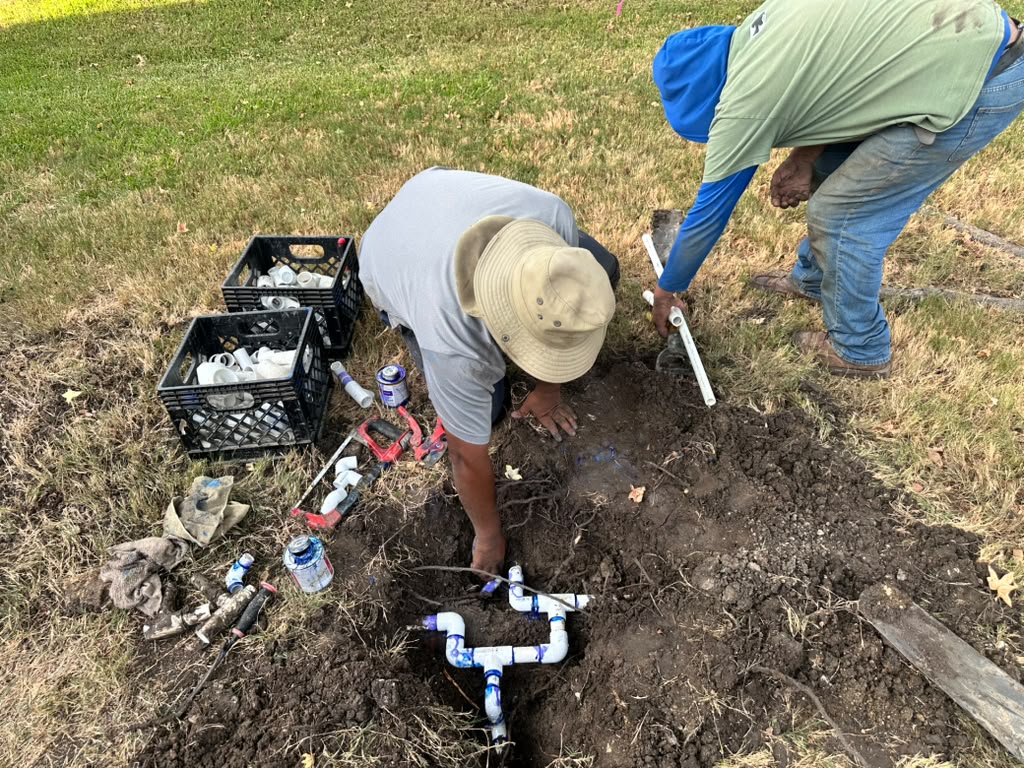
Whether your sprinklers won’t turn on, won’t turn off, your lawn has brown spots, you’ve noticed standing water, or your water bill suddenly increased, our job is to help you understand what’s happening before recommending repairs.
Sometimes the solution is simple.
Sometimes it’s more involved.
Either way, you’ll know exactly what’s wrong, why it’s happening, what your options are, and what each option costs before any work begins.
At Whale Done, we believe accurate sprinkler repairs begin with understanding the problem, not guessing at it.

“Whale Done Sprinklers provided outstanding service. They are professional, knowledgeable, and responsive throughout the entire process. The team arrived on time, completed the work efficiently, and made sure everything was working perfectly before they left. I really appreciated the clear communication and attention to detail. I highly recommend Whale Done Sprinklers team for anyone needing reliable, high-quality sprinkler service!”
Is This The Right Page?
If you’ve experienced any of these problems, you’re in the right place.
✔ Sprinklers won’t turn on.
✔ Sprinklers won’t turn off.
✔ Water bubbling up from the ground.
✔ Standing water in your yard.
✔ Brown or dry areas in your lawn.
✔ Low water pressure.
✔ Controller problems.
✔ A sudden increase in your water bill.
✔ Broken or damaged sprinkler heads.
✔ Uneven watering.
Not sure which repair you need?
You don’t have to know.
That’s exactly what the Whale Done Assessment™ is designed to determine.
What Should You Do During a Sprinkler Emergency?
A broken irrigation pipe, continuously running sprinkler zone, or major underground leak can waste significant amounts of water if left unaddressed. Some sprinkler problems require prompt attention, especially when water continues flowing after the controller has been turned off.
- Sprinklers Won’t Shut Off: If a sprinkler zone continues running after its scheduled cycle, a stuck valve or electrical problem may be responsible. Turn off the irrigation controller and check whether the water stops. If the zone continues running, safely shut off the irrigation water supply using the appropriate isolation valve.
- Water Bubbling From the Ground: Water bubbling through the lawn may indicate a damaged underground irrigation pipe or connection. Avoid operating the affected zone until the source has been identified. Continued watering can increase water loss and saturate surrounding soil.
- Sudden Water Pressure Loss: A significant drop in sprinkler pressure may indicate a broken pipe, leaking connection, or water supply problem. If the pressure change is accompanied by pooling water or visible leakage, stop operating the system until it can be inspected.
- When Should You Schedule a Sprinkler Repair: If the problem involves uncontrolled water flow, an active leak, or a sprinkler zone that will not shut off, take steps to stop the water and arrange a professional assessment. Accurate diagnosis helps determine whether the issue involves a damaged pipe, valve, controller, or another irrigation component. Addressing the underlying problem is more effective than repeatedly replacing parts without understanding why the system is malfunctioning.
Trusted By Homeowners Across North Texas
Hundreds of homeowners throughout Plano, Frisco, McKinney, Allen, Prosper, Little Elm, and surrounding communities have trusted Whale Done to diagnose and repair their irrigation systems.
“We appreciated that they explained everything before doing the repair. We knew exactly what was wrong, what it would cost, and never felt pressured.”
What Is Professional Sprinkler Repair?
Professional sprinkler repair is the process of identifying and correcting problems that prevent your irrigation system from operating efficiently.
Depending on the issue, repairs may include:
- Sprinkler head replacement
- Underground pipe repairs
- Main line leak repairs
- Valve repairs
- Controller troubleshooting
- Wiring repairs
- Water pressure corrections
Every sprinkler system is different.
That’s why understanding the cause of the problem is just as important as completing the repair itself.
Why Proper Diagnosis Matters
Many sprinkler problems produce similar symptoms.
A zone that won’t turn on isn’t always a bad valve.
Standing water isn’t always a drainage problem.
A controller isn’t always the reason sprinklers stop working.
Replacing the wrong part doesn’t solve the problem, it simply creates unnecessary expense.
That’s why every repair at Whale Done begins with a comprehensive assessment of your irrigation system.
Our goal is to repair the problem, not guess at it.
Why Do Sprinkler Systems Develop Problems in North Texas?
Sprinkler systems in North Texas face environmental conditions that can affect their performance over time.
Homeowners throughout Collin County may experience irrigation problems related to expansive clay soil, prolonged summer heat, seasonal rainfall, and sudden temperature changes.
- Expansive Clay Soil and Underground Pipes: Many North Texas properties contain clay-rich soils that expand when wet and shrink as they dry. Repeated soil movement can place stress on underground irrigation pipes and fittings, particularly where components are already weakened or improperly supported.
- Summer Heat and Increased Watering Demand: During hot North Texas summers, irrigation systems may operate more frequently to maintain lawns and landscaping. Existing leaks, clogged sprinkler heads, poor coverage, and pressure problems can become more noticeable when watering demand increases.
- Heavy Rainfall and Saturated Soil: Standing water after heavy rain does not always mean a sprinkler pipe is broken. Poor drainage, compacted soil, and irrigation leaks can produce similar symptoms. Identifying whether the water comes from the irrigation system or surrounding landscape conditions helps prevent unnecessary repairs.
- Sudden Freezes and Winter Damage: Rapid temperature drops can affect exposed backflow preventers, above-ground irrigation pipes, and other vulnerable components. Preparing systems before freezing weather and inspecting them before spring startup can help homeowners identify potential damage. Understanding these local conditions allows irrigation problems to be evaluated based on their likely causes rather than symptoms alone.
The Whale Done Assessment™
Every sprinkler repair begins with the Whale Done Assessment™.
During your assessment we’ll:
✔ Evaluate your entire irrigation system.
✔ Identify the actual source of the problem.
✔ Explain everything we find in plain English.
✔ Answer your questions.
✔ Review transparent pricing before any work begins.
✔ Complete approved repairs whenever possible during the same visit.
$99 Investment
Paid When Scheduled
Applied Toward Approved Repairs
Want to know exactly what happens during your visit?
Common Sprinkler Repairs We Perform
Sprinkler Head Repair
Broken, clogged, leaking, or damaged sprinkler heads can create dry spots, overspray, and wasted water.
Sprinkler Valve Repair
Faulty valves can prevent zones from turning on, shutting off, or watering properly.
Main Line & Lateral Line Leak Repair
Hidden underground leaks waste water, increase your monthly bill, and can damage your landscape if left unrepaired.
Sprinkler Controller Repair
Controllers, programming, electrical issues, and communication problems can all affect system performance.
Wiring & Electrical Repairs
Damaged low-voltage wiring often causes inconsistent zone operation and communication problems between the controller and valves.
Water Pressure Problems
Too little or too much pressure affects sprinkler performance, coverage, and efficiency.
What Sprinkler Repairs Are Common During Each Season in North Texas?
Sprinkler problems can develop throughout the year, but the causes often change with the seasons. In North Texas, hot summers, shifting clay soil, heavy rainfall, and occasional winter freezes can affect irrigation system performance.
Understanding these seasonal challenges helps homeowners recognize problems early and determine when professional sprinkler repairs may be necessary.
Spring: Sprinkler Startup and System Repairs
Spring is an important time to inspect irrigation systems after winter. When homeowners restart their sprinklers, they may discover broken heads, leaking connections, damaged valves, or zones that no longer operate correctly. Problems that developed during colder months can remain unnoticed until water begins flowing through the system again.
A professional spring inspection can identify damaged components, check water pressure, and confirm that each zone operates correctly before regular watering resumes.
Summer: Sprinkler Leaks and Coverage Problems
North Texas summers place additional demands on irrigation systems. Extended heat, frequent watering, and soil movement can expose existing weaknesses in underground pipes and sprinkler connections. Homeowners may notice dry patches, uneven coverage, low water pressure, or unusually high water bills.
Repairing damaged sprinkler heads, correcting coverage problems, and identifying hidden leaks can help maintain more consistent watering while reducing unnecessary water waste.
Fall: Sprinkler Repairs Before Winterization
Fall provides an opportunity to address irrigation problems before freezing temperatures arrive. Leaking valves, damaged pipes, exposed connections, and malfunctioning controllers should be evaluated before the system is prepared for winter.
Completing necessary repairs before winterization can help ensure vulnerable components are identified and the system is properly prepared for colder weather.
Winter: Freeze Damage and Irrigation Repairs
Freezing temperatures can damage irrigation components when water remains trapped inside vulnerable pipes, fittings, or backflow prevention assemblies. After a freeze, homeowners may discover cracked components, leaking connections, or reduced water pressure when the system is safely returned to service.
Identifying freeze-related damage before regular watering resumes can help prevent additional water loss and landscape problems. Seasonal inspections and timely repairs help homeowners maintain more reliable irrigation systems throughout the year.
Can Freezing Weather Cause Sprinkler Repairs in North Texas?
Yes. Freezing temperatures can damage sprinkler systems when water trapped inside vulnerable components expands as it freezes. Although North Texas typically experiences milder winters than many northern states, sudden cold fronts and prolonged freezing temperatures can still create problems for residential irrigation systems. Even systems that have been winterized should be inspected if homeowners notice unusual leaks, visible damage, or changes in water pressure after freezing weather.
Common Sprinkler Problems After a Freeze
Freeze-related sprinkler damage may include:
- Cracked backflow preventers: Exposed backflow prevention assemblies can crack when trapped water freezes, potentially causing leaks when the water supply is restored.
- Broken irrigation pipes: Water freezing inside vulnerable pipes or fittings can create cracks that become noticeable after thawing.
- Damaged sprinkler valves: Freezing conditions may damage valve components, resulting in leaks or zones that fail to operate properly.
- Underground sprinkler leaks: Damaged connections may cause wet spots, pooling water, or unexpected increases in water usage when irrigation resumes.
- Low water pressure: A damaged pipe or leaking connection can reduce the pressure available to individual sprinkler zones.
These symptoms do not always indicate freeze damage. Similar problems can result from aging components, soil movement, or existing irrigation leaks.
A professional assessment helps identify the actual cause before repairs begin.
What Should You Do If Your Sprinklers Are Damaged After Winterization?
If you suspect freeze damage, avoid repeatedly operating the affected irrigation system. Check for visible cracks, leaking connections, or unusual water accumulation around exposed components.
If water is actively escaping, safely shut off the irrigation water supply when possible. A qualified irrigation professional can inspect the system, identify damaged components, and recommend appropriate repairs before regular watering resumes.
Can Sprinkler Winterization Prevent Future Repairs?
Proper winterization helps reduce the risk of freeze-related damage by addressing water trapped inside vulnerable irrigation components. However, winterization does not guarantee that every component will remain damage-free during severe weather.
Homeowners should also protect exposed equipment, inspect insulation after yard work, and evaluate their systems before restarting them in spring.
Learn more about protecting your irrigation system through professional Sprinkler Winterization services.
Should You Repair or Replace Your Sprinkler System?
Not every sprinkler problem requires replacing the entire irrigation system. In many cases, repairing a damaged sprinkler head, valve, pipe, or controller can restore normal operation without major changes.
However, older systems with repeated leaks, widespread coverage problems, or deteriorating components may require more extensive improvements.
- When Sprinkler Repair May Be the Better Option: Repair may be appropriate when the problem is limited to a specific component and the remaining system is operating correctly. Examples include replacing a broken sprinkler head, repairing an isolated underground leak, or correcting a malfunctioning valve.
- When Should You Consider Replacing Part of the System: More extensive work may be worth considering when homeowners experience repeated pipe failures, multiple damaged zones, outdated components, or irrigation coverage that no longer matches their landscape. Changes such as new patios, expanded flower beds, or additional trees can also affect the original sprinkler layout.
- Why a Professional Assessment Matters: The right decision depends on the condition of the system, the cause of the problem, and the cost of available repair options. A comprehensive irrigation assessment helps homeowners understand whether a targeted repair, partial upgrade, or larger system improvement makes the most sense. The goal is to recommend work based on what the irrigation system actually needs.
The Whale Done Repair Process
Step 1 — Assess
We evaluate your irrigation system to determine what's actually causing the problem.
Step 2 — Explain
We'll show you what we found, explain why it's happening, and answer every question you have.
Step 3 — Review Your Options
Using our straightforward pricing sheet, we'll explain each recommended repair, the affected zone, the materials needed, and the investment required. You'll understand exactly what you're approving.
Step 4 — Complete Approved Repairs
With your approval, we'll complete the recommended repairs using quality materials and proven repair methods. Whenever possible, repairs are completed during the same visit.
Step 5 — Test The Entire System
Before we leave, we verify the repair and test the system to ensure everything is operating as intended.
What Makes A Quality Sprinkler Repair?
Anyone can replace a sprinkler head.
A quality repair goes much further.
It includes:
✔ Identifying the root cause not just the symptom.
✔ Using the correct replacement components.
✔ Verifying proper water pressure.
✔ Testing the repaired zone.
✔ Confirming sprinkler coverage.
✔ Explaining the repair in plain English.
✔ Standing behind the completed work.
Our goal isn’t simply to fix today’s problem.
It’s to help prevent tomorrow’s.
What If My System Doesn’t Need Repairs?
That’s great news.
Not every assessment results in repairs.
If your sprinkler system is operating properly, we’ll tell you.
Sometimes the best outcome is knowing your irrigation system is functioning exactly as it should.
Because our goal isn’t to sell repairs.
Our goal is to help you make the right decision for your home.
Frequently Asked Questions
How much does sprinkler repair cost?
Every repair is different.
The Whale Done Assessment™ is a $99 investment that is paid when you schedule your appointment and applied toward approved repairs.
After identifying the problem, we’ll review transparent pricing before any work begins.
Can most repairs be completed during the same visit?
Often, yes.
If the required materials are available and you approve the work, many repairs can be completed before your technician leaves.
Do I need to know what's wrong before scheduling?
No.
Many homeowners aren’t sure what’s causing the problem.
That’s exactly why the Whale Done Assessment™ exists.
Do you repair all sprinkler brands?
Yes.
Our licensed irrigation professionals service most residential sprinkler systems and major irrigation brands commonly found throughout North Texas.
How often should my sprinkler system be professionally assessed?
We recommend a professional assessment at least once each year.
For many homeowners, a spring and fall assessment provides even greater peace of mind while helping identify small issues before they become larger repairs.
Can I Use My Sprinkler System While Waiting for Repairs?
It depends on the problem. Minor coverage issues may not require shutting down the entire system, but active leaks, broken pipes, or malfunctioning valves should be addressed before continued use. Operating damaged sprinklers can waste water and potentially worsen the problem. If possible, turn off the affected zone until a professional evaluates the system.
What Should I Check Before Scheduling a Sprinkler Repair?
Start by checking your irrigation controller settings, watering schedule, and visible sprinkler heads for damage or blockages. Look for unusual wet spots, weak water pressure, or zones that fail to operate. These observations can help a technician understand the problem and diagnose the system more efficiently.
Is It Better to Repair or Replace an Older Sprinkler System?
Repairing an older sprinkler system is often practical when problems involve individual components, such as sprinkler heads, valves, or pipes. However, frequent leaks, outdated equipment, and recurring coverage issues may indicate that larger improvements are needed. A professional assessment helps determine whether targeted repairs or partial system upgrades offer better long-term value.
Should I Schedule Sprinkler Repairs Before Winterization?
Yes. Fall is a good time to inspect your irrigation system for leaking valves, damaged pipes, and exposed components before freezing temperatures arrive. Identifying problems before winterization can help ensure the system is properly prepared for colder weather. Addressing necessary repairs early may also reduce the risk of additional damage during North Texas winter freezes.
Do You Offer Emergency or Same-Day Sprinkler Repair?
Same-day sprinkler repairs may be possible depending on technician availability, the type of damage, and the parts required. Many common irrigation problems can be diagnosed and repaired during the initial visit. If you have an active leak or a sprinkler zone that won’t shut off, safely turn off the irrigation water supply and contact our team to discuss the earliest available appointment.
You Don't Have To Guess.
Whether your repair turns out to be simple or more involved, we’ll help you understand the problem, explain your options, and let you decide what’s best for your home.
That’s the Whale Done way.
$99 Investment • Paid When Scheduled • Applied Toward Approved Repairs
Or call (469) 384-7767 to speak with our team.