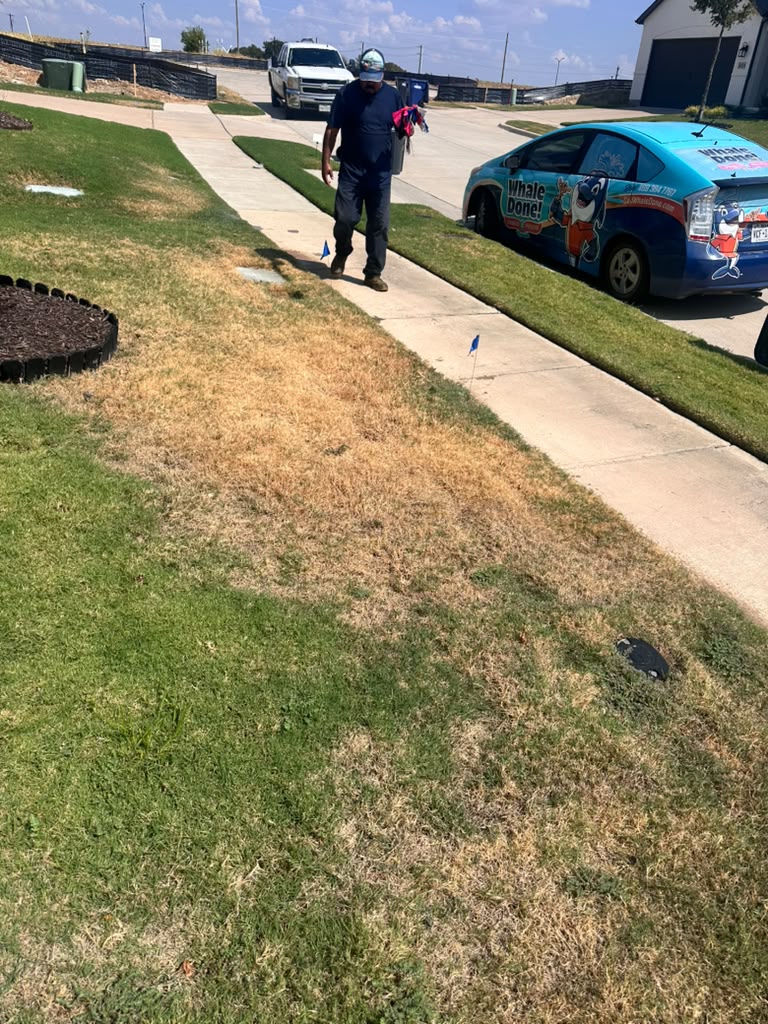
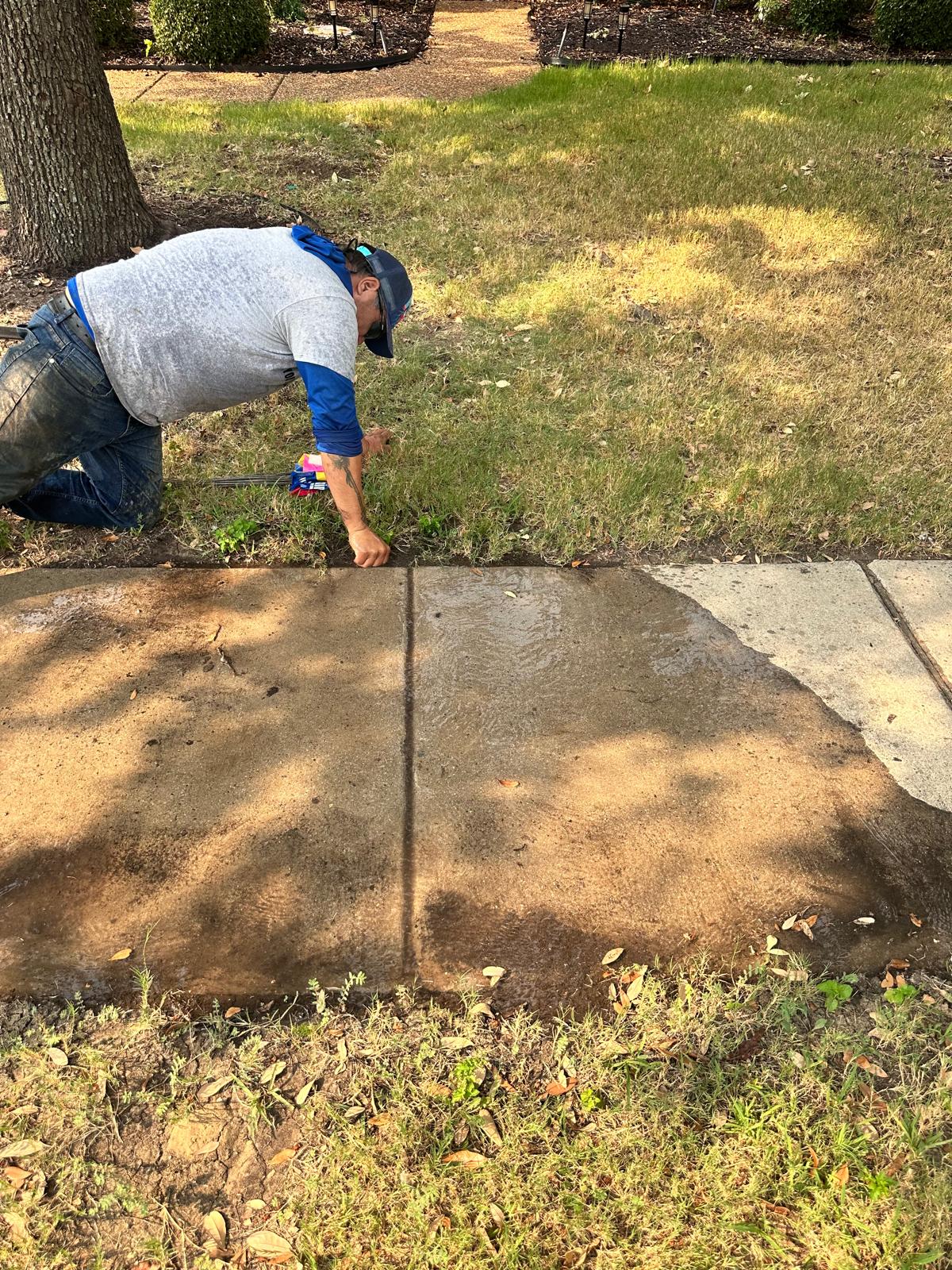
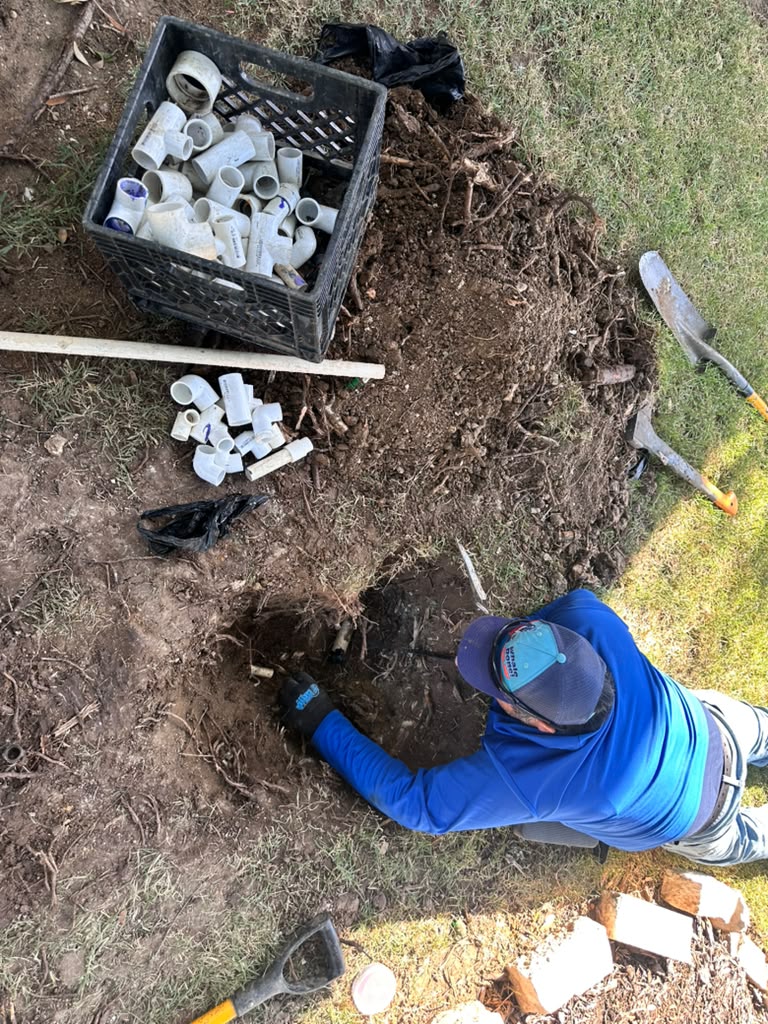
A french drain in Aubrey TX can be one of the most effective solutions for homeowners and property managers looking to control excess water, prevent erosion, and safeguard foundations from water-related damage. Whether you’re dealing with soggy lawns, basement seepage, or poor landscape drainage, a properly designed and installed French drain system can transform your outdoor space into a functional and dry environment. In this comprehensive blog, we’ll explore everything you need to know about French drains in Aubrey, Texas — from how they work and why they matter, to planning, installation, maintenance, and cost considerations.
Water management is a critical aspect of property care, especially in areas like Aubrey, where sudden storms and poor soil drainage can lead to persistent standing water issues. With the right approach, you can significantly reduce the risk of structural damage and enjoy a healthier, more aesthetically pleasing yard. Let’s dive into the world of French drains and learn how they can help you take control of your property’s drainage challenges.
What is a French Drain?
A French drain is a trench filled with gravel or rock containing a perforated pipe that redirects surface and groundwater away from an area. The system works by collecting excess water and channeling it to a designated drainage point, such as a storm drain, dry well, or natural watercourse.
This concept was first introduced by Henry French in the 19th century and has since become a staple in modern landscape and foundation drainage design. For a technical breakdown of how these systems work, the U.S. Geological Survey (USGS) provides detailed insights on groundwater flow and engineered drainage solutions.
Why You Need a French Drain in Aubrey TX
Aubrey, TX, like many parts of North Texas, experiences unpredictable weather patterns, with heavy rainfall events that can lead to flooding in low-lying areas. Whether you live in an older neighborhood with compacted soil or a new development with limited grading, poor drainage can significantly impact your property value and enjoyment.
Soil and Climate Challenges
The soil composition in Aubrey often includes clay-rich soils, which have poor drainage and a high capacity to retain water. When combined with heavy downpours, this can turn your lawn into a boggy mess and create ongoing issues for landscaping and homes alike.
Moreover, seasonal temperature variations and localized flooding make it essential to invest in drainage systems that prevent water from pooling around your foundation — a common culprit behind cracked walls and damp basements.
Landscaping and Property Aesthetics
Standing water doesn’t just pose functional problems — it also undermines the beauty of your outdoor space. A French drain helps to create a healthier environment for plants, reducing the risk of root rot and encouraging lush greenery. For additional landscaping drainage strategies, the American Society of Landscape Architects (ASLA) offers expert resources on sustainable yard design.
Types of French Drains
There are several variations of French drain systems, each suited to specific drainage challenges:
1. Trench French Drains
These are the most common types, consisting of a long, sloped trench with a perforated pipe and gravel fill. They’re ideal for redirecting water away from foundations, patios, and drainage-prone areas.
2. Filter Fabric French Drains
Incorporating geotextile fabric around the gravel prevents sediment and soil from infiltrating the pipe. This increases longevity and reduces maintenance needs.
3. Dry Well French Drains
In cases where water needs to be collected and stored underground before slowly dispersing, a dry well can be paired with a French drain. The Environmental Protection Agency (EPA) provides excellent guidance on subsurface water management systems.
4. Surface French Drains
These are designed to capture surface water runoff and are typically installed in areas with critical slope and flooding concerns. They may be integrated into driveways or hardscapes.
Each type serves a different purpose and should be selected based on your unique drainage concerns and property layout.
Planning Your French Drain in Aubrey TX
Proper planning is the foundation of a successful French drain installation. Before breaking ground, consider the following steps:
Conduct a Site Assessment
Identifying where water accumulates during storms is crucial. Look for low spots, areas near downspouts, and regions where soil remains wet for extended periods.
Determine the Drainage Path
Water must be directed to a legal and effective outlet. This could be a municipal storm drain, natural watercourse, or a designed infiltration area on your property.
Check Property Regulations
Local ordinances may dictate where water can be discharged. Contact your municipal planning office to confirm guidelines and avoid violations.
Calculate Grade and Slope
A French drain must be installed at the correct slope to ensure water moves efficiently. Generally, a fall of at least 1% (or 1 foot of drop over 100 feet) is recommended.
Step-by-Step Installation Guide
Below is a general overview of how a French drain is typically installed. This is intended for informational purposes — professional installation is recommended for most homeowners.
Step 1: Mark the Trench Path
Using stakes and string, outline where the trench will be dug. Ensure you have a straight or gently curved path toward your drainage endpoint.
Step 2: Dig the Trench
Use a trenching shovel or machine to dig a trench about 6 to 12 inches wide and 18 to 24 inches deep, depending on water volume needs.
Step 3: Add Gravel Base
Pour a few inches of coarse gravel into the bottom of the trench to create a stable base for the pipe.
Step 4: Lay the Perforated Pipe
Place the perforated pipe on top of the gravel, ensuring the holes face downward. This positioning allows water to enter the pipe from below and above.
Step 5: Wrap with Filter Fabric
Cover the pipe and gravel with geotextile fabric to prevent soil from clogging the system. This is especially important in clay-rich soils common around Aubrey.
Step 6: Backfill with Gravel and Soil
Add more gravel to a few inches below ground level, then cover with topsoil and sod or mulch to restore the area.
This process requires precision and can be labor-intensive — for best results, consider enlisting a professional drainage contractor.
Maintenance Tips for Longevity
Once your French drain is installed, routine upkeep will ensure it continues to function effectively.
Regular Inspections
Check the drain after heavy rainfall to confirm water is moving away properly and there is no standing water at the surface.
Clear Debris
Remove leaves, sticks, and soil that may accumulate at the drain’s outlet or grate areas if installed.
Flush the System
Occasionally, you can use a garden hose to flush water through the pipe to clear minor clogs.
Address Root Intrusion
Tree roots can infiltrate the drain system, especially in older installations. Monitor nearby vegetation and trim roots when necessary.
Proper maintenance will help extend the life of your French drain system and keep your property protected year-round.
Cost Considerations
The cost of installing a French drain in Aubrey, TX, varies depending on several factors:
Length of the System
Longer drain runs require more materials and labor, increasing overall costs.
Depth and Soil Conditions
Difficult soils, like compacted clay or rocky terrain, may require additional machinery and labor, raising expenses.
Professional vs. DIY Installation
While DIY installation can save money upfront, improper grading or installation can lead to costly repairs later. Professional drainage specialists often provide warranties and ensure compliance with local regulations.
Additional Materials
High-quality gravel, geotextile fabric, and robust perforated piping may cost more initially but can reduce future maintenance needs.
Although prices can vary widely, many homeowners find that investing in a French drain system significantly increases property value by preventing water damage and improving outdoor usability.
Common Mistakes to Avoid
Even with careful planning, some common errors can compromise the effectiveness of a French drain:
- Incorrect Slope: Without proper grading, water can stagnate instead of flowing toward the outlet.
- Clogged Pipes: Failing to use filter fabric or using improper gravel can cause sediment buildup.
- Improper Outlet Location: Directing water toward neighboring properties or restricted areas can cause legal and practical issues.
- Overlooking Permits: Neglecting to check local drainage regulations can result in fines or mandatory removal.
Avoiding these pitfalls will help you create a reliable and long-lasting drainage solution.
Real-Life Benefits for Aubrey Property Owners
Investing in a French drain can yield immediate and long-term advantages:
Protect Your Foundation
By channeling water away from your home, you greatly reduce the risk of foundation cracking and basement leaks.
Reduce Soil Erosion
Consistent water flow toward vegetation or authorized drainage areas prevents soil displacement that can ruin gardens and landscaping.
Improve Yard Usability
Dry, stabilized ground means you can enjoy outdoor spaces without dealing with mud, puddles, or mosquito breeding grounds.
Enhance Property Value
Prospective buyers look for homes with reliable drainage systems — especially in regions prone to heavy rainfall.
These benefits make French drains a smart investment for homes and commercial properties alike.
Alternatives and Complementary Systems
While French drains are highly effective, they may not be the sole solution for all drainage challenges. Consider the following systems:
- Downspout Extensions: Direct roof runoff farther from the foundation.
- Swales: Shallow channels that move water across landscapes.
- Rain Gardens: Plant-based systems that absorb stormwater naturally.
- Sump Pumps: For interior water management in basements.
Combining solutions often yields the best results for comprehensive water control.
Conclusion
Installing a french drain in Aubrey TX can dramatically improve your property’s drainage, protect your foundation, and enhance the overall usability of your outdoor space. From understanding the components and installation process to planning, maintenance, and avoiding common mistakes, this guide has covered everything you need to confidently address water management issues around your home or business.
For professional assistance tailored to your specific drainage needs, trust Whale Done Sprinklers & Irrigation to deliver expert solutions that stand the test of time. Contact us at +1 (469) 384-7767 or email clientsupport@callwhaledone.com for more information and personalized service.