Sprinkler Leak Detection
How Do You Find A Hidden Sprinkler Leak?
If you’ve noticed a wet spot in your yard, a sudden increase in your water bill, or you suspect your sprinkler system may be leaking, sprinkler leak detection is the first step to identifying the source of the problem. You’re probably wondering one thing:
“How do you actually find the leak?”
The answer surprises many homeowners.
Unlike plumbing leaks inside your home, residential sprinkler systems typically don’t have a device that simply tells us where the leak is underground.
Instead, finding a hidden irrigation leak is usually a process of observation, testing, and eliminating possibilities until we identify the source.
At Whale Done, we don’t believe in guessing. We believe in understanding the problem before recommending the repair.
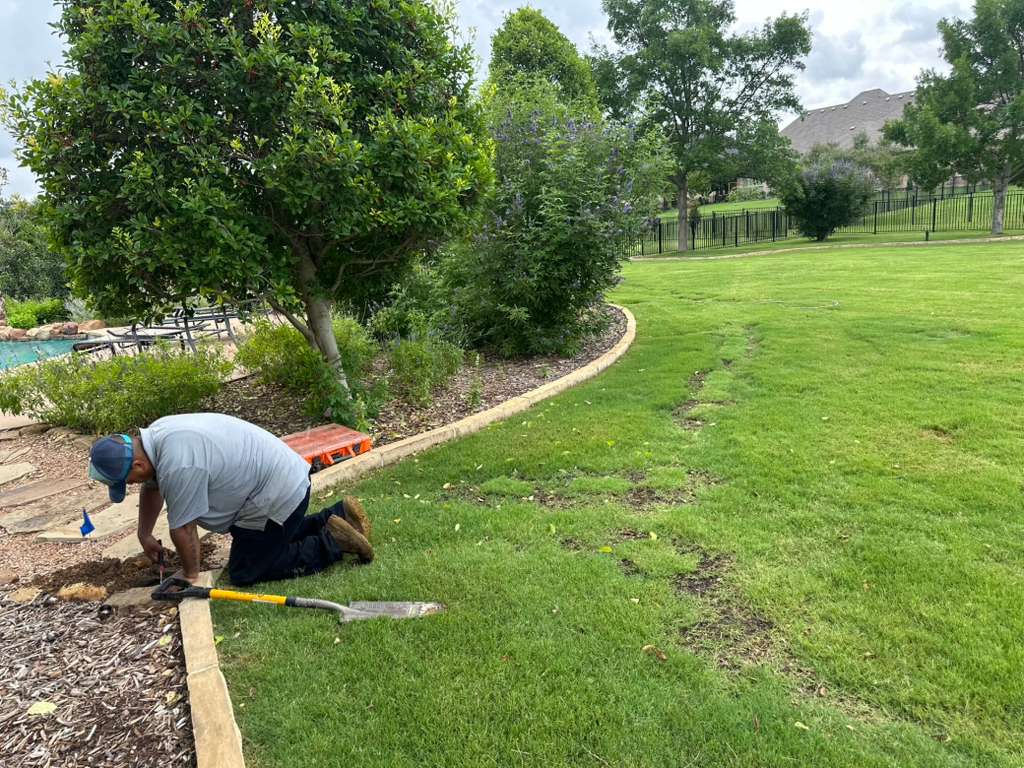
If you’ve noticed a wet spot in your yard, a sudden increase in your water bill, or you suspect your sprinkler system may be leaking, sprinkler leak detection is the first step to identifying the source of the problem. You’re probably wondering one thing:
“How do you actually find the leak?”
The answer surprises many homeowners.
Unlike plumbing leaks inside your home, residential sprinkler systems typically don’t have a device that simply tells us where the leak is underground.
Instead, finding a hidden irrigation leak is usually a process of observation, testing, and eliminating possibilities until we identify the source.
At Whale Done, we don’t believe in guessing.
We believe in understanding the problem before recommending the repair.

“Whale Done Sprinklers provided outstanding service. They are professional, knowledgeable, and responsive throughout the entire process. The team arrived on time, completed the work efficiently, and made sure everything was working perfectly before they left. I really appreciated the clear communication and attention to detail. I highly recommend Whale Done Sprinklers team for anyone needing reliable, high-quality sprinkler service!”

What Are the Signs of a Hidden Sprinkler Leak?
Underground sprinkler leaks aren’t always easy to spot. Some problems develop slowly, while others become noticeable when water begins collecting on the surface.
Recognizing the early warning signs can help homeowners identify potential irrigation problems before they lead to unnecessary water waste or landscape damage.
- Wet Spots That Never Completely Dry: An area of your lawn that remains wet long after watering may indicate a leaking underground irrigation pipe or connection. However, poor drainage, compacted soil, and natural low spots can produce similar symptoms.
- An Unexpected Increase in Your Water Bill: A sudden increase in water usage without a noticeable change in household activity may indicate an irrigation leak. Damaged pipes, leaking valves, or sprinkler zones running longer than expected can contribute to unnecessary water consumption.
- Low Water Pressure in One Sprinkler Zone: If one irrigation zone has weaker pressure than usual, water may be escaping through a damaged pipe or fitting. Clogged nozzles, valve restrictions, and other irrigation problems can also cause pressure changes.
- Water Bubbling From the Lawn: Water bubbling through the soil while the sprinkler system operates may indicate a damaged underground pipe or connection. The visible wet area isn’t always directly above the leak because water can travel through the surrounding soil.
- Sprinklers Leaking When the System Is Off: Water appearing around sprinkler heads after the controller stops may result from low-head drainage or a valve that isn’t closing properly. Determining the difference helps prevent unnecessary repairs.
- Unexplained Dry Patches Near Wet Areas: A leaking irrigation line can reduce the water pressure available to nearby sprinkler heads. As a result, some lawn areas may remain dry while others receive excessive moisture. These symptoms don’t always confirm an underground leak. Professional sprinkler leak detection helps identify the actual cause before repairs begin.
What Homeowners Often Think
“You probably have a machine that tells you exactly where the leak is.”
In most residential irrigation systems, that’s usually not how sprinkler leak detection works. Hidden leaks rarely reveal themselves with a single device or simple scan. Instead, technicians use a careful process of observation, testing, and troubleshooting to narrow down the source before recommending the most appropriate repair solution.
Every property is different.
Some leaks are easy to find.
Others require patience and a systematic process to narrow the problem down.
Our goal is to locate the leak as accurately as possible before recommending repairs or disturbing your landscape.
What Types of Sprinkler Leaks Can We Detect?
Not all irrigation leaks behave the same way. The location of the damaged component often determines when water escapes and which symptoms homeowners notice.
1. Main Line Sprinkler Leaks
The irrigation main line carries water to the system’s control valves. When a pressurized main line develops a leak, water may continue escaping even when the sprinkler controller is off. Homeowners may notice persistent wet spots, unexplained water usage, or water collecting near underground irrigation connections.
2. Lateral Line Sprinkler Leaks
Lateral lines distribute water from irrigation valves to individual sprinkler heads. Leaks in these pipes often become more noticeable when the affected zone operates. Signs may include reduced sprinkler pressure, bubbling water, or unusually wet areas during watering cycles.
3. Sprinkler Valve Leaks
A malfunctioning irrigation valve may allow water to pass when the zone should be off. This can cause continuous seepage, unexpected watering, or sprinkler heads that continue leaking after a scheduled cycle. Valve problems require proper diagnosis because low-head drainage can produce similar symptoms.
4. Sprinkler Head and Fitting Leaks
Broken sprinkler heads, cracked fittings, and damaged connections can allow water to escape before it reaches the intended watering area. These leaks may cause pooling around sprinkler heads, uneven coverage, or reduced pressure in the affected zone.
5. Backflow Prevention Assembly Leaks
Above-ground backflow prevention assemblies may develop leaks from damaged fittings, worn components, or freezing temperatures. Because backflow assemblies protect the drinking water supply, suspected problems should be evaluated by appropriately qualified professionals.
Identifying the type of leak helps determine which components need attention and whether excavation or replacement is necessary.
Can Seasonal Weather Cause Sprinkler Leaks in North Texas?
North Texas weather can affect underground irrigation systems throughout the year. Expansive clay soil, extreme summer temperatures, heavy rainfall, and winter freezes can contribute to irrigation problems or make existing leaks more noticeable.
Summer Heat and Shifting Clay Soil
Clay-rich soil expands when wet and shrinks as it dries. Repeated movement can place stress on underground irrigation pipes and fittings, particularly where connections are already weakened.
During summer, homeowners may notice wet spots, pressure changes, or uneven sprinkler coverage that could indicate an underground leak.
Heavy Rainfall and Drainage Problems
Standing water after heavy rainfall doesn’t always indicate a broken sprinkler pipe.
Poor drainage, compacted soil, roof runoff, and natural low areas can create similar conditions.
Professional testing helps determine whether excess moisture is caused by irrigation or drainage problems.
Winter Freezes and Damaged Irrigation Pipes
Freezing temperatures can damage exposed irrigation components and vulnerable pipes when trapped water expands.
After winter, leaks may become noticeable when homeowners restart their sprinkler systems.
Cracked fittings, leaking backflow preventers, and unexpected wet spots can indicate possible freeze-related damage.
Spring Startup and Hidden Sprinkler Leaks
Spring is an important time to check irrigation systems after winter.
Leaks that developed during colder months may remain unnoticed until the system is reactivated.
Inspecting individual zones and monitoring water pressure can help identify potential problems before regular watering schedules resume.
Understanding these seasonal conditions helps homeowners recognize when sprinkler leak detection may be necessary.
How We Find Underground Sprinkler Leaks
Every leak investigation is a little different, but the process usually follows the same general approach.
Step 1
Confirm That Water Is Actually Being Lost
Before repairing anything, we first want to determine whether the irrigation system is actually leaking.
One of the first tests we may perform is a water meter test.
This helps us determine whether water is flowing when it shouldn’t be and whether the irrigation system is likely the source of the problem.
Step 2
Determine Whether The Leak Is Actually The Sprinkler System
Not every wet spot is caused by irrigation.
Standing water may result from:
- Poor drainage
- Roof runoff
- Plumbing issues
- Natural low areas
- Heavy rainfall
Before recommending sprinkler repairs, we want to determine whether your irrigation system is actually responsible.
Sometimes the answer is yes. Sometimes it isn’t.
Step 3
Narrow Down The Location
Once we’ve determined the irrigation system is involved, the next step is narrowing down where the leak is occurring.
We’ll determine whether the problem appears to involve:
✔ The main line.
✔ A lateral line.
✔ A sprinkler valve.
✔ A sprinkler head.
✔ Underground fittings.
✔ Another irrigation component.
Finding the right area first often prevents unnecessary digging later.
Step 4
Follow The Evidence
No two sprinkler leaks behave exactly the same.
Depending on what we’re seeing, we may:
✔ Run individual sprinkler zones.
✔ Turn the irrigation water on and off.
✔ Observe how water moves through the landscape.
✔ Watch for changes in water pressure.
✔ Monitor where moisture begins appearing.
Every observation helps eliminate possibilities until we identify the most likely source.
Step 5
Monitor Water Movement and Changes
Some underground irrigation leaks don’t immediately produce visible wet spots.
When the source isn’t obvious, technicians may use controlled testing, water meter observations, and changes in soil moisture to narrow down the affected area.
Temporarily isolating the irrigation water supply can also help determine whether the system is contributing to persistent moisture.
If an active leak is suspected, avoid leaving the system running unnecessarily. Controlled testing should be performed carefully to limit water waste and prevent additional damage.
These observations help identify the likely source before excavation becomes necessary.
Step 6
Careful Excavation When Necessary
Once we’ve narrowed the problem to a specific location, careful excavation may be necessary to expose the damaged pipe, fitting, valve, or connection.
Our goal is never to dig up your yard unnecessarily.
Our goal is to disturb as little of your landscape as possible while gaining access to the actual repair.
How Much Does Sprinkler Leak Detection Cost in North Texas?
The cost of sprinkler leak detection depends on the location of the problem, the complexity of the irrigation system, and the testing required to identify the source. Some leaks can be located through visual inspection and zone testing, while hidden underground problems may require additional troubleshooting.
Our Whale Done Assessment™ is a $99 investment, paid when scheduled and applied toward approved repairs. During the assessment, a licensed irrigation professional evaluates the system, explains the findings, and discusses appropriate repair options.
If additional testing or repairs are needed, homeowners can review the recommendations before deciding how to proceed. Understanding the problem first helps avoid unnecessary repairs and unexpected expenses.
What Should You Do If You Suspect a Sprinkler Leak?
If you notice water bubbling from your lawn, an unusually wet area, or a sprinkler zone that won’t shut off, taking the right steps can help limit water waste and prevent additional damage.
Turn Off the Affected Sprinkler Zone
If the leak only appears during watering, stop the affected zone using your irrigation controller. Avoid running the zone again until the problem has been evaluated.
Shut Off the Irrigation Water Supply if Necessary
If water continues flowing after the controller is turned off, safely isolate the irrigation water supply using the appropriate shutoff valve.
Do not attempt to dismantle pressurized irrigation components or backflow prevention assemblies.
Check for Visible Warning Signs
Look for pooling water, unusually soft soil, damaged sprinkler heads, or changes in water pressure.
Note when the problem occurs and whether it continues while the irrigation system is off.
Schedule Professional Sprinkler Leak Detection
A professional assessment can help determine whether the problem involves a damaged pipe, leaking valve, broken sprinkler head, or another irrigation component.
Identifying the source before making repairs helps avoid unnecessary digging and replacement costs.
What Homeowners Often Ask
Can you always find the leak during the first visit?
Often, yes.
However, every irrigation system is different.
Some leaks are obvious.
Others require additional testing, observation, or time before the exact location can be confirmed.
We’ll explain what we’re seeing, what we’ve ruled out, and what the next step should be.
Are sprinkler leaks always underground?
No.
Some leaks occur at sprinkler heads, valves, fittings, or above-ground backflow assemblies.
Others occur beneath the surface where they aren’t immediately visible.
Will you have to dig up my entire yard?
Almost never.
Our entire process is built around narrowing the repair area before excavation begins.
The more accurately we identify the source, the less disruption there usually is to your landscape.
How Do I Know If My Sprinkler System Has an Underground Leak?
Common signs include persistent wet spots, water bubbling from the lawn, unexpected increases in water bills, and weak sprinkler pressure. However, drainage problems and malfunctioning valves can produce similar symptoms. Professional sprinkler leak detection helps identify the actual cause.
Can a Sprinkler System Leak Even When It's Turned Off?
Yes. A pressurized irrigation main line or leaking valve may allow water to escape even when the controller is off. Water draining from low sprinkler heads after a watering cycle can also resemble a leak. Testing helps determine whether water is being lost continuously.
How Long Does Sprinkler Leak Detection Take?
The time required depends on the location and complexity of the problem. Some leaks can be identified during the initial assessment, while others require additional testing or observation. The technician can explain the findings and recommend the next steps.
Should I Turn Off My Sprinklers If I Suspect a Leak?
If you suspect an active leak, stop running the affected sprinkler zone. If water continues flowing, safely shut off the irrigation water supply when possible. Avoid operating damaged components until the problem has been evaluated.
Can a Hidden Sprinkler Leak Increase My Water Bill?
Yes. Underground pipe leaks, malfunctioning valves, and damaged connections can allow water to escape without being immediately visible. The amount of water lost depends on the severity of the problem and how long the leak continues.
The Whale Done Difference
Finding a sprinkler leak isn’t about having one special tool.
It’s about understanding how irrigation systems work.
It’s about knowing what questions to ask.
It’s about following the evidence instead of making assumptions.
And it’s about helping you understand what’s happening before recommending a repair.
That’s the Whale Done way.
Ready To Find That Hidden Sprinkler Leak?
If you’ve noticed unexplained wet spots, higher water bills, or suspect your irrigation system has a hidden leak, we’re here to help.
Schedule your Whale Done Assessment™, and one of our licensed irrigation professionals will carefully inspect your sprinkler system, identify the source of the leak, explain your repair options, and help you make the best decision for your property.
$99 Investment • Paid When Scheduled • Applied Toward Approved Repairs
Or call (469) 384-7767 to speak with our team.