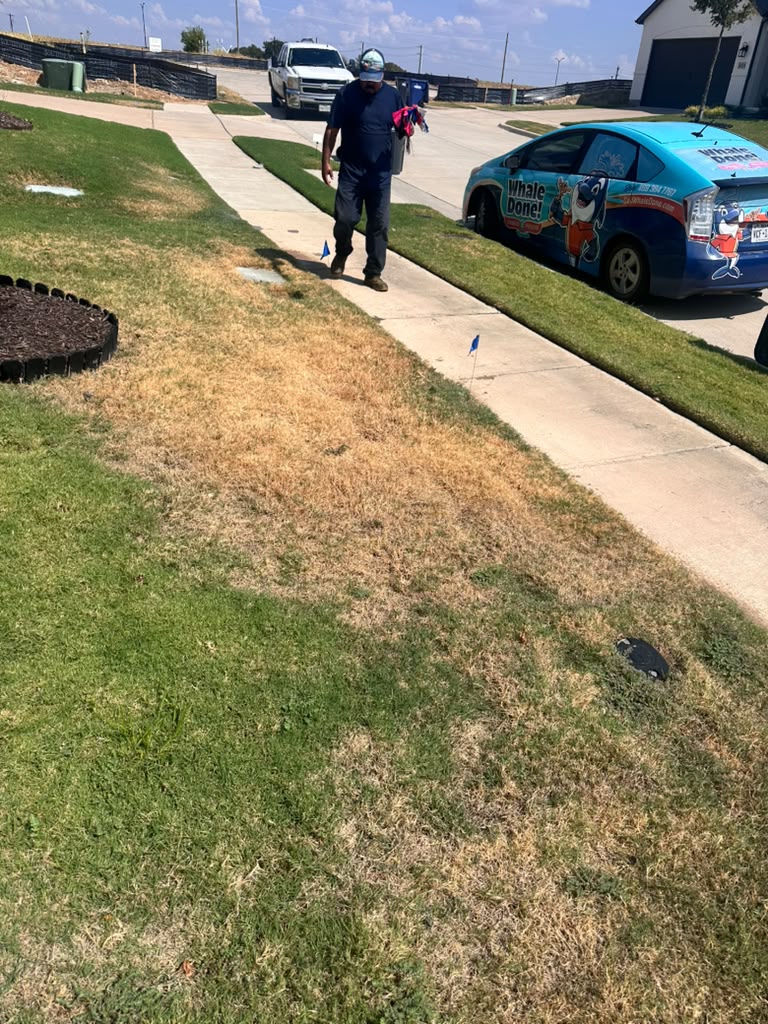
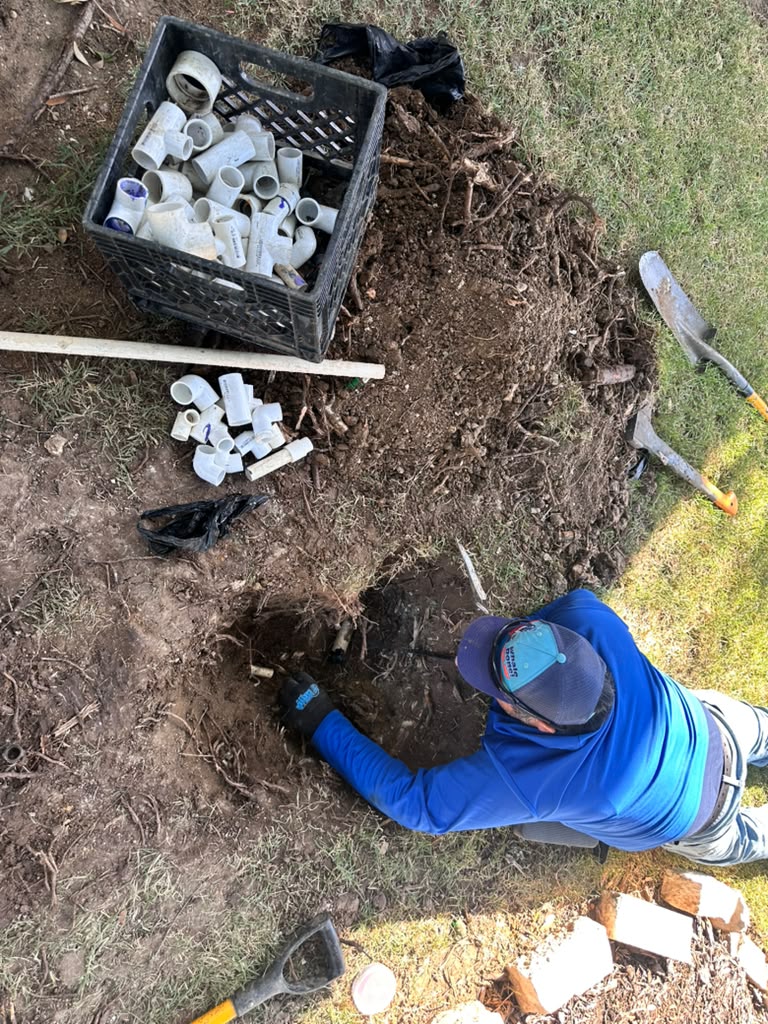
If you’re a homeowner in Collin County trying to figure out how to replace a sprinkler solenoid, you’re not alone. A zone that won’t shut off—or one that refuses to turn on—is one of the most common frustrations we hear from families across McKinney, Plano, Frisco, Allen, and beyond.
You’re smart to research the issue—but before you assume it’s just a faulty solenoid, let’s take a closer look at what’s really going on.
Because while replacing the solenoid might offer a quick fix, it often leads to repeat problems, wasted time, and more water damage than you bargained for.
What Is a Solenoid and Why Is It Important?
The solenoid is the small, coil-shaped component on top of your sprinkler valve. It acts like an electric gatekeeper—telling the valve when to open and close based on signals from your controller.
When it’s working, your sprinkler system runs smoothly. But when it fails, it can leave you with:
- A zone stuck on, flooding part of your yard
- A buzzing valve box that never shuts up
- Dead grass in some areas and drenched spots in others
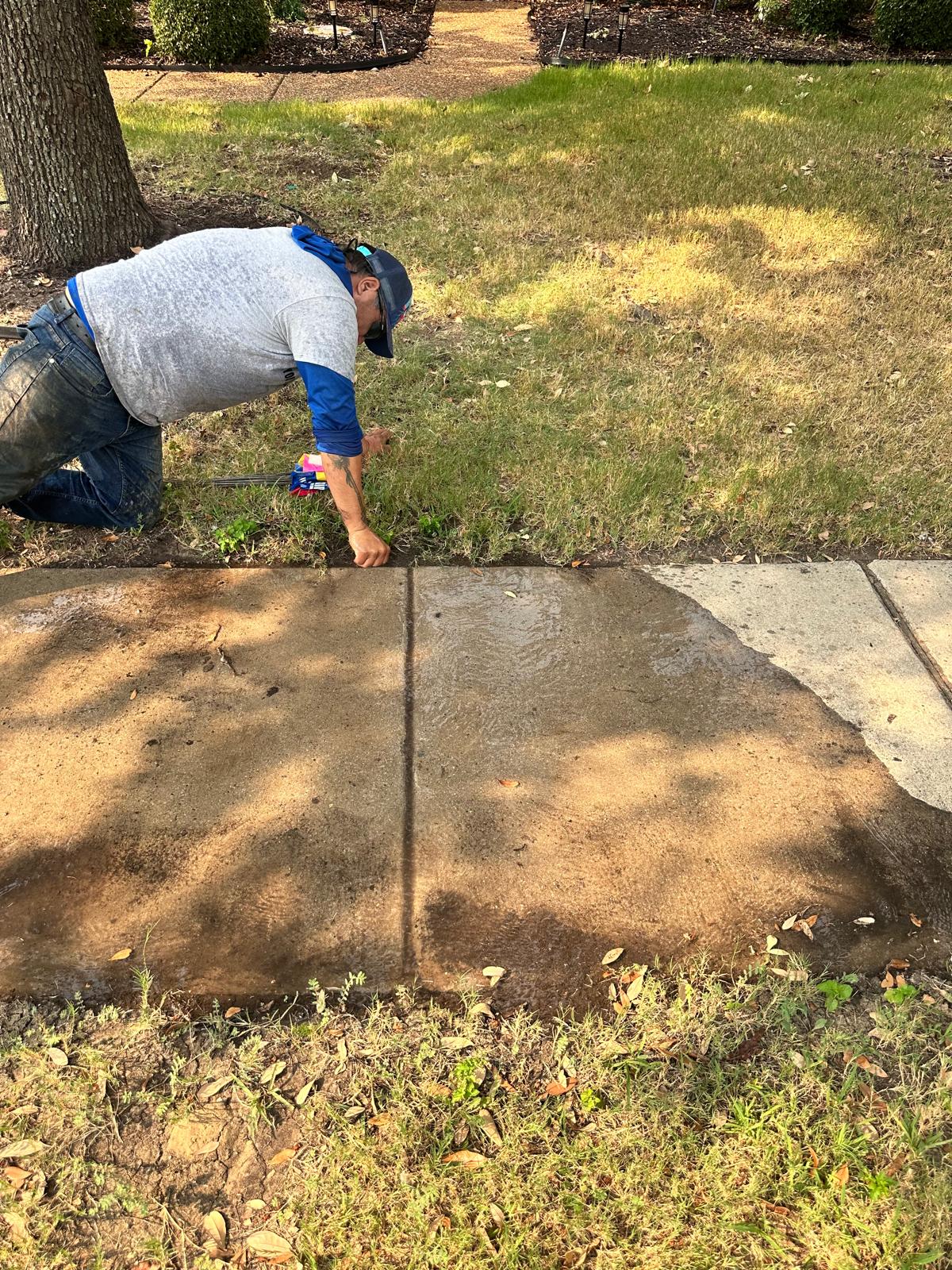
If you’ve walked outside and found a soggy sidewalk or a mystery puddle, your solenoid might be part of the story—but it’s rarely the full story.
The Real Problem: It’s Not Just the Solenoid
Here in Collin County, sprinkler systems deal with hard water, clay-heavy soil, and seasonal pressure changes. Over time, those factors wear down the entire valve—not just the solenoid.
If you’re experiencing sprinkler issues, it’s often due to:
- Cracked or brittle diaphragms
- Clogged or eroded valve housings
- Internal leaks or worn seals
- Electrical shorts or loose wiring
Replacing the solenoid might get things working briefly, but the deeper valve problems will still be waiting—and in many cases, they’ll come back worse.
Why We Recommend Replacing the Whole Valve
Our team serves homes all across Collin County—from Stonebridge Ranch in McKinney to Legacy West in Plano, and we see the same pattern every season: homeowners try to replace just the solenoid, only to end up needing a full valve replacement shortly after.
That’s why we recommend skipping the patchwork and going straight to the real fix.
A full valve replacement includes:
- ✅ Brand-new solenoid, diaphragm, seals, and valve body
- ✅ Proper flow, pressure regulation, and electrical connection
- ✅ A single visit instead of multiple callbacks
- ✅ Long-term peace of mind, not temporary relief
You’re not just replacing a part—you’re restoring full functionality to your zone.
Still Want to Try DIY? Here’s What to Know
We’re always happy to help homeowners who like to troubleshoot. If you’re set on swapping the solenoid yourself, here are a few things to keep in mind:
🔧 DIY Checklist:
- Turn off the water at the sprinkler shutoff or backflow.
- Take a photo of the valve model—solenoids aren’t one-size-fits-all.
- Match the new solenoid’s threading and voltage.
- Gently unscrew the old solenoid, clean the area, and inspect for corrosion.
- Install the new solenoid by hand—don’t overtighten.
- Turn the water back on and test the system before burying anything.
If it works—great! But if the issue returns or doesn’t improve, it’s likely time to replace the full valve.
Live in Collin County and Want Real Answers?
If your sprinkler system isn’t cooperating and you’re tired of guessing—you’re not alone. We serve homeowners across Collin County every day who just want clear answers and lasting solutions.
We don’t give quotes over the phone because most sprinkler issues involve more than one part. That’s why we offer a $99 system check, where a licensed technician:
- Diagnoses your entire sprinkler system
- Locates and explains the true source of the issue
- Credits the $99 toward any approved repair
✅ No guesswork
✅ No patch jobs
✅ Just expert help and honest recommendations
Proudly serving families in McKinney, Frisco, Plano, Allen, Prosper, Melissa, Celina, and across Collin County.
When you’re ready to stop worrying and start watering smart—we’re ready to help.