Winter weather in North Texas can be unpredictable, which is why effective winterization in McKinney TX is essential for protecting residential properties, irrigation systems, and outdoor landscapes. While the city enjoys generally mild winters compared to northern states, sudden temperature drops, hard freezes, and icy conditions can create significant damage when homeowners are unprepared. Whether you own a new home in one of McKinney’s fast-growing neighborhoods or an established property with mature landscaping, proper winterization remains one of the most important seasonal maintenance tasks you can perform.
This comprehensive guide explores how winterization works, why it matters, and which systems require special attention. You’ll also find practical insights, best practices, and professional recommendations to help you safeguard your property from costly repairs. Additionally, several valuable resources, both external and internal to your service provider, are included for further reading.
Understanding the Local Climate and Its Impact
McKinney sits within the North Texas climate zone, which experiences fluctuating winter conditions. Some years bring only mild frosts, while others include multiple hard freezes. This variability makes it difficult for homeowners to predict which season will be severe. What is predictable, however, is the risk that comes with unprepared systems.
Key local winter challenges include:
- Rapid temperature drops that leave little time for last-minute preparation
- Risk of frozen irrigation lines, especially for homes with older or uninsulated systems
- Potential damage to backflow preventers, valves, and controllers
- Soil contraction and expansion, affecting foundations and underground piping
- Frozen outdoor faucets and hose bibs, a common source of spring flooding
By understanding these climate patterns, homeowners can better appreciate why winterization must be completed before the coldest period begins.
The Importance of Residential Winterization
Winterizing a home’s outdoor systems is not only about protection; it is also about preserving long-term efficiency and avoiding preventable costs. Frozen pipes, damaged irrigation components, and compromised backflow assemblies can lead to thousands of dollars in repairs.
Without proper winterization, some of the most common issues McKinney homeowners face include:
- Cracked irrigation lines
- Burst exterior pipes
- Damaged sprinkler heads
- Electrical failures in controllers and timers
- Leaks from backflow preventer damage
- Landscape loss due to drought stress after system failure
For homeowners seeking deeper information about seasonal landscape protection, the Texas A&M Agrilife Extension offers helpful resources.
Winterizing Irrigation Systems: A Priority for McKinney Homeowners
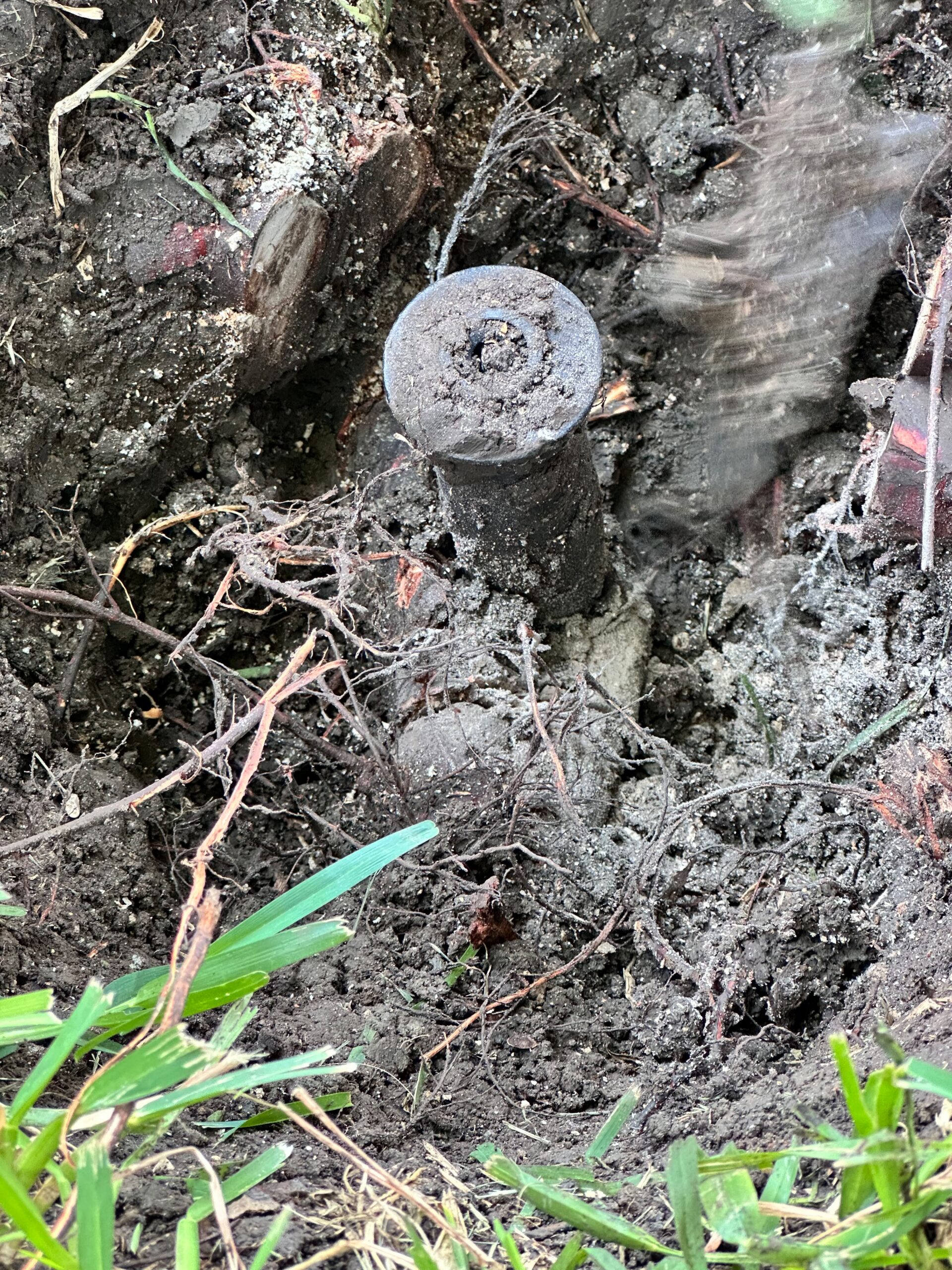
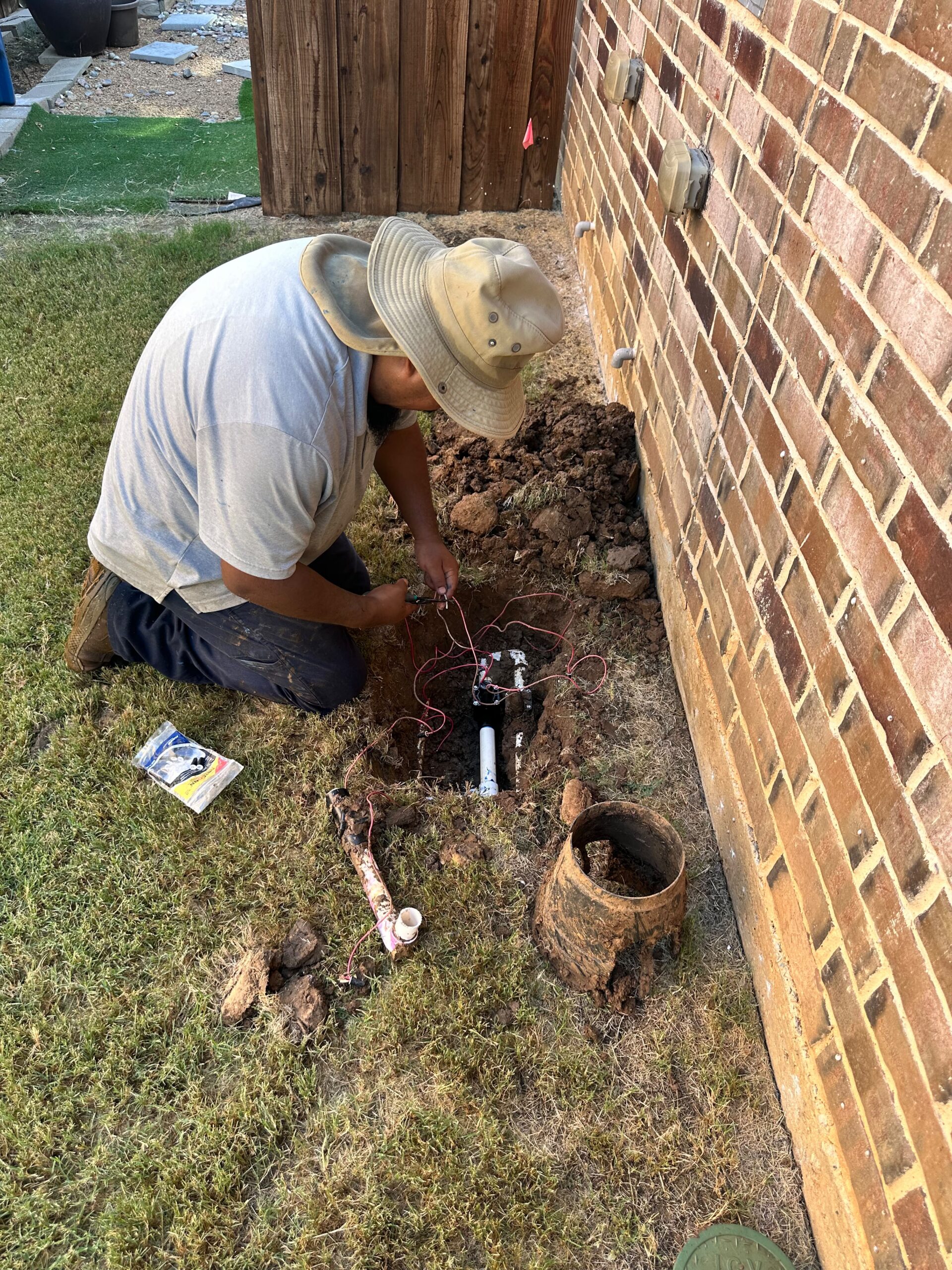
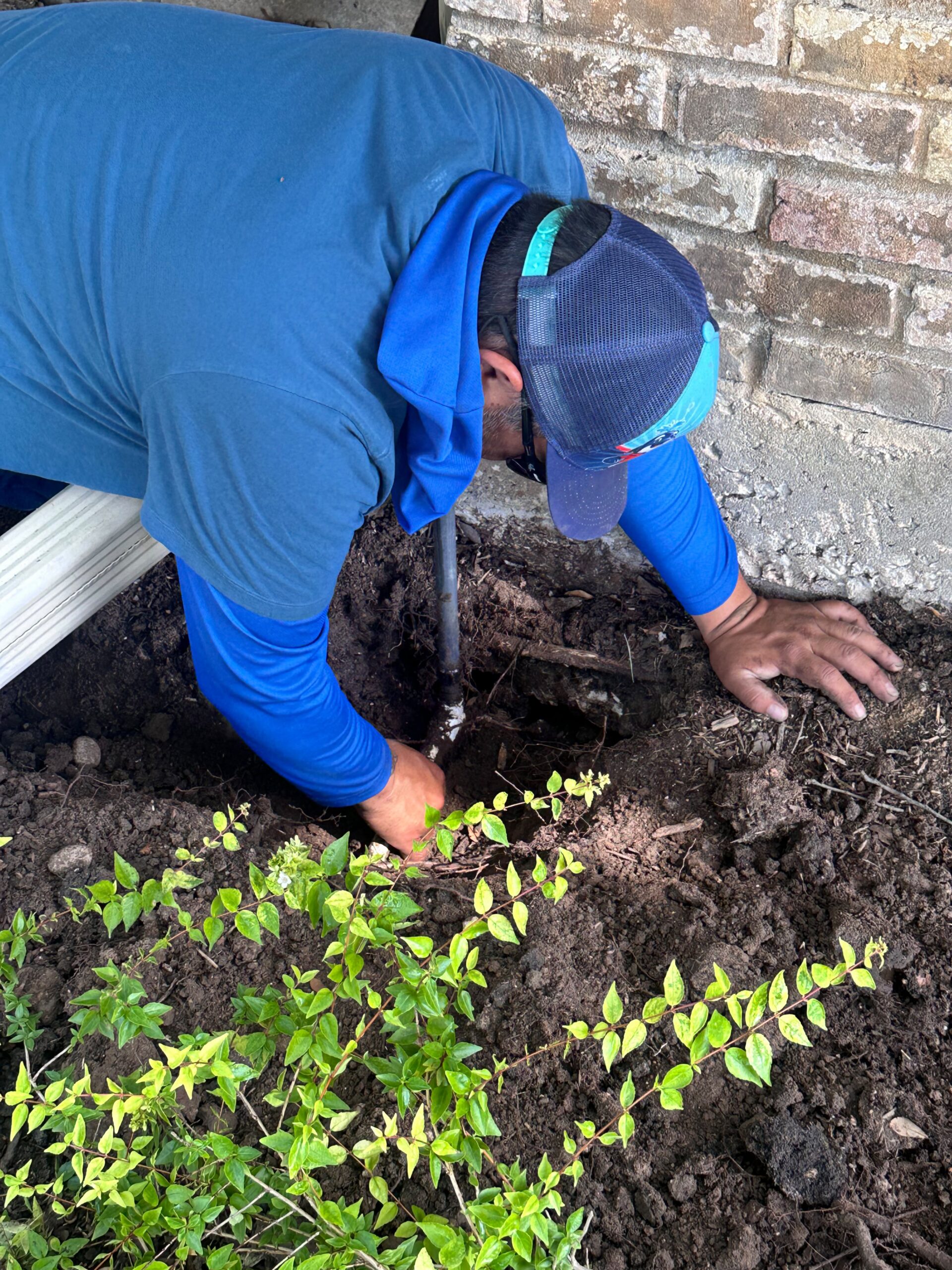
Because the majority of freeze damage occurs within irrigation systems, these require the most detailed preparation. The combination of underground piping and surface components makes sprinkler systems especially vulnerable.
Below is a breakdown of the essential steps involved in irrigation winterization:
1. Shutting Off the Water Supply
The first step involves turning off the irrigation system’s main water source. This prevents additional water from entering the pipes during freezing temperatures. It is crucial for preventing pressure build-up that can cause blowouts or cracks.
To learn more about proper system installation and shutdown procedures, homeowners can refer to EPA WaterSense guidance.
2. Draining Residual Water from the Lines
Even after the water supply is turned off, standing water remains inside pipes. This must be drained to prevent freezing and expansion. There are three primary methods:
- Manual drain valves
- Automatic drain valves
- Blowout method using compressed air
Improper blowout procedures can cause serious system damage, which is why most professionals recommend expert assistance—especially for multi-zone systems.
3. Insulating Exposed Components
Backflow preventers, valves, vacuum breakers, and above-ground piping are highly susceptible to freezing. Using weather-rated insulation materials helps protect these elements from damage. Homeowners should also secure insulation with waterproof tape or covers to ensure lasting protection.
A useful resource for understanding backflow protection is available at the American Backflow Prevention Association.
4. Protecting Controllers and Timers
Outdoor controllers must be switched to “off,” “rain mode,” or “winter mode,” depending on the model. Indoor controllers should also be inspected for faulty wiring or moisture exposure. Cold weather can damage aging components, making early preparation crucial.
McKinney homeowners can access additional details on controller maintenance through the Irrigation Association.
Internal Resources for Homeowners
For customers who want to further explore detailed irrigation topics or schedule local services, the following internal links (callwhaledone.com) provide helpful guidance:
- Sprinkler Repair Services
https://callwhaledone.com/services/sprinkler-repair/ - Irrigation Installation
https://callwhaledone.com/services/irrigation-installation/ - Service Areas in North Texas
https://callwhaledone.com/areas-served/ - Contact Page for Scheduling Help
https://callwhaledone.com/contact-us/
These resources support homeowners in making informed decisions regarding winterization, maintenance, and year-round irrigation care.
Winterizing Outdoor Plumbing and Fixtures
Beyond irrigation systems, outdoor plumbing requires equal attention. Hose bibs, faucets, and exposed pipes freeze easily during North Texas cold fronts. Proper preparation includes:
- Disconnecting all hoses to prevent trapped water from freezing
- Installing insulating faucet covers
- Wrapping exposed pipes with foam or thermal insulation
- Checking for existing leaks, which worsen during freezes
Water damage resulting from overlooked exterior plumbing is one of the most common and expensive winter-related issues in the region.
Winterizing Outdoor Living Areas and Features
Many McKinney homeowners enjoy enhanced outdoor living spaces. These areas also need seasonal preparation, especially those connected to plumbing or electrical systems.
Examples include:
- Outdoor kitchens
- Fire pits and gas lines
- Decorative fountains or ponds
- Above-ground or partially buried water features
- Outdoor lighting systems
Shutting off water sources, draining lines, and covering vulnerable equipment helps prevent damage and prolongs the life of outdoor installations.
Protecting Your Landscape During Winter
Although North Texas winters are mild compared to northern climates, landscapes can still experience significant stress from cold temperatures, dry air, and soil moisture loss.
Key winter landscape tips include:
1. Proper Mulching
A fresh layer of mulch helps regulate soil temperature, reduce moisture loss, and protect root systems.
2. Pruning at the Right Time
Decorative trees, shrubs, and perennials benefit from winter pruning, which promotes healthy spring growth.
3. Watering Before Freezes
Contrary to common belief, soil with proper moisture retains heat better than dry soil, reducing freeze stress on plant roots.
4. Protecting Sensitive Plants
Using frost cloths or burlap for delicate shrubs and tropical plants can prevent cold shock.
Why Professional Winterization Matters
While some winterization tasks appear simple, many systems—especially irrigation components—require technical knowledge for proper safety and effectiveness. A single mistake, such as applying too much air pressure during a blowout or failing to insulate a critical valve, can cause irreversible damage.
Professional benefits include:
- Accurate pressure regulation during blowouts
- Protection of delicate backflow components
- Full-system inspection for hidden issues
- Ensuring all zones drain properly
- Avoiding voided warranties due to DIY errors
- Guaranteed winter preparation
Because winters in McKinney can fluctuate drastically, having a skilled technician perform an annual assessment can provide peace of mind and long-term savings.
Common Myths About Winterization
Some homeowners underestimate winter risks, leading to costly misconceptions. Below are a few of the most common myths:
Myth 1: “It doesn’t get cold enough in McKinney to need winterization.”
Even a single hard freeze can damage irrigation systems.
Myth 2: “Turning off the controller is enough.”
Controllers are only one part of winterization. The pipes themselves must be drained and protected.
Myth 3: “My system is new, so it’s already protected.”
Newer systems still require winterization; no irrigation infrastructure is freeze-proof.
Myth 4: “DIY winterization saves money.”
Incorrect procedures can lead to more expensive repairs than a professional service.
When to Schedule Winterization in McKinney TX
Most professionals recommend scheduling winterization:
- Between late October and mid-November, before the first freeze
- Earlier if extended cold fronts are predicted
- Annually, even during mild winters
By preparing ahead, homeowners avoid the last-minute rush and ensure that all systems are properly serviced before temperatures drop.
Signs Your System Needs Immediate Winter Attention
If winter is already approaching, watch for these warning signs:
- Moisture around your backflow preventer
- Low water pressure in irrigation zones
- Constant leaking from valves or sprinkler heads
- Hissing sounds indicating pressure issues
- Unexpectedly high water bills
These symptoms suggest that your system may already be vulnerable and requires immediate inspection.
Conclusion
Proper winterization plays a vital role in protecting your home, landscaping, and irrigation systems from costly seasonal damage. By preparing early, using reliable resources, and following best practices, homeowners in McKinney can ensure their property remains safe throughout the winter months. For professional assistance, detailed inspections, and expert winterization services, Whale Done Sprinklers & Irrigation is available to help. You may reach them at +1 (469) 384-7767 or via email at clientsupport@callwhaledone.com.