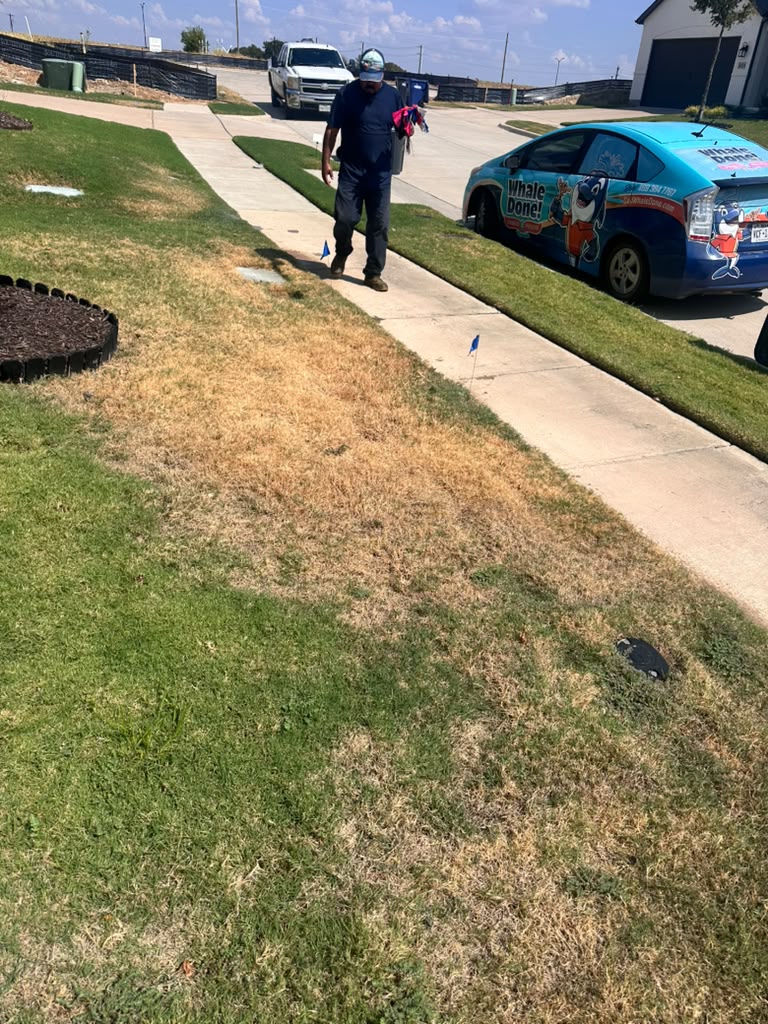
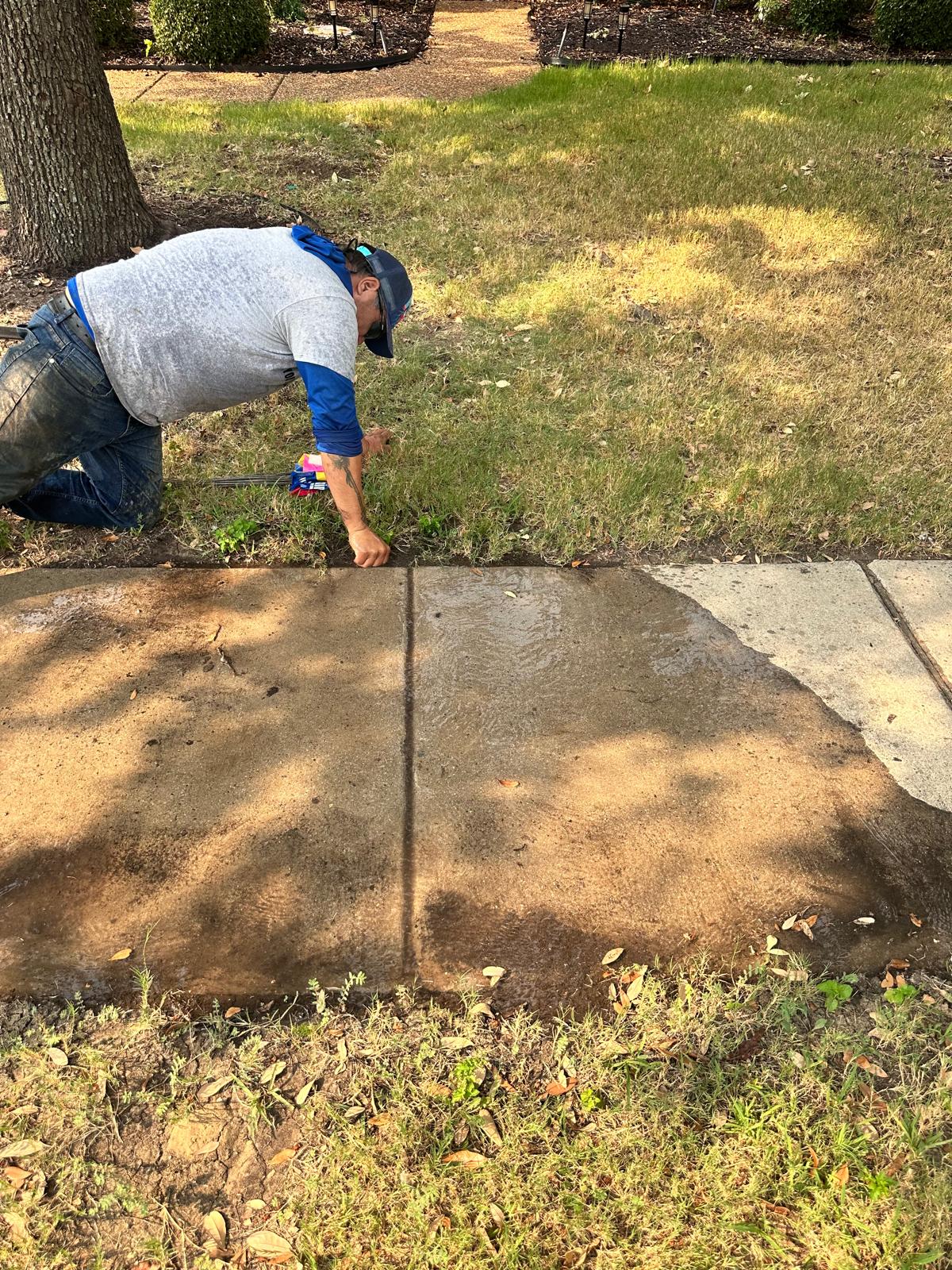
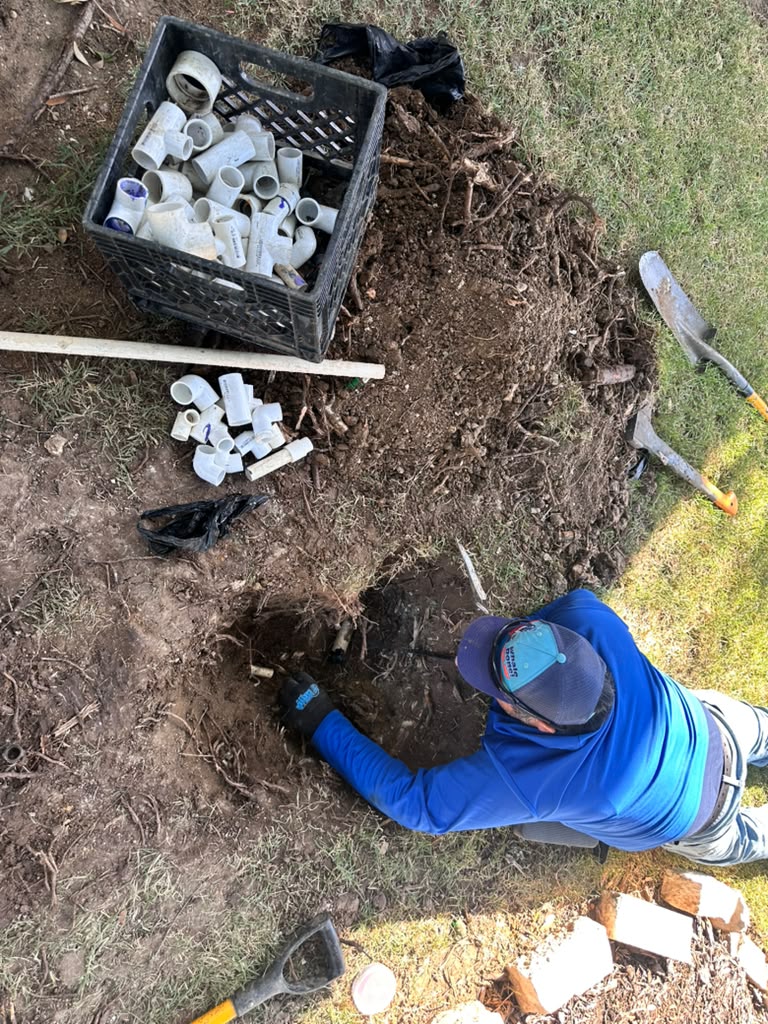
An irrigation drip company in Lucas TX plays a crucial role in helping homeowners and property managers achieve efficient, sustainable, and precise watering systems for landscapes of all sizes. As water conservation becomes more important and landscaping costs continue to rise, drip irrigation has become one of the most effective solutions for maintaining healthy gardens while reducing waste.
In Lucas, TX, where weather conditions often shift between hot summers and unpredictable rainfall, having a properly designed drip irrigation system ensures plants receive consistent moisture exactly where they need it. This guide explores everything you need to know about drip irrigation systems, their benefits, installation considerations, maintenance practices, and how professional services can help maximize long-term performance.
Understanding Drip Irrigation Systems
Drip irrigation is a method of watering plants slowly and directly at the root zone using a network of tubes, emitters, and valves. Unlike traditional sprinkler systems that spray water over large areas, drip systems target specific plant locations, minimizing evaporation and runoff.
This method is widely recommended by agricultural and environmental organizations such as EPA WaterSense, which promotes efficient water use strategies for homes and businesses. Drip irrigation systems are particularly useful in regions like Lucas, TX, where maintaining soil moisture without overwatering is essential for plant health.
A properly designed system ensures that each plant receives the exact amount of water it needs, reducing stress and promoting stronger root development.
Why Drip Irrigation Matters in Lucas, TX
Lucas, TX experiences warm climates for much of the year, making water management a top priority for homeowners. Traditional watering methods often lead to water waste due to evaporation, runoff, or uneven distribution.
According to Texas A&M AgriLife Extension, efficient irrigation systems can significantly reduce water consumption while improving plant growth. This is especially important for residential landscapes, gardens, and commercial properties looking to maintain curb appeal without excessive utility costs.
A reliable irrigation drip system helps:
- Reduce water waste
- Maintain consistent soil moisture
- Prevent plant disease caused by overwatering
- Lower utility bills
- Improve landscape health year-round
These advantages make drip irrigation a preferred choice for sustainable landscaping in North Texas communities.
Key Components of a Drip Irrigation System
A well-designed system from a professional irrigation drip company in Lucas TX typically includes several essential components:
1. Drip Tubing
Drip tubing is the main backbone of the irrigation system, carrying water throughout the landscape and delivering it directly to plant root zones through built-in emitters or small outlet holes. It ensures efficient, targeted watering that reduces waste and supports healthy plant growth across gardens, lawns, and planting beds.
2. Emitters
Emitters are small but essential components that regulate how much water each plant receives. They release water slowly and precisely at the root zone, helping maintain consistent moisture levels. This prevents overwatering or underwatering and ensures each plant gets the right amount of hydration based on its specific needs.
3. Filters
Filters play a crucial role in protecting the drip irrigation system by removing dirt, sand, and debris from the water supply. This prevents clogging in the tubing and emitters, ensuring smooth operation. Regular filtration improves system longevity, reduces maintenance issues, and maintains efficient water distribution over time.
4. Pressure Regulators
Pressure regulators maintain stable and consistent water pressure throughout the drip system. Without them, excessive pressure could damage emitters or cause uneven watering. By controlling flow pressure, they ensure that every part of the landscape receives uniform irrigation, improving system efficiency and preventing water waste.
5. Control Valves
Control valves manage water flow to different zones of the irrigation system, allowing customized watering schedules for various plant areas. They enable automation and flexibility, ensuring lawns, gardens, and landscaped sections receive the appropriate amount of water independently, improving overall efficiency and conserving water resources.
Proper installation and calibration of these components are essential for system efficiency and longevity.
Benefits of Hiring a Professional Irrigation Company
While DIY irrigation kits are available, professional installation provides significant advantages. A trained technician understands soil conditions, plant types, and water pressure requirements specific to Lucas, TX landscapes.
A professional irrigation drip company ensures:
- Accurate system design tailored to your property
- Proper zoning for different plant needs
- Leak prevention and system efficiency
- Long-term durability and reduced repair costs
Industry organizations like the Irrigation Association emphasize the importance of certified irrigation professionals in designing efficient and sustainable systems. Proper installation not only improves performance but also helps avoid costly mistakes.
Common Irrigation Issues Homeowners Face
Even well-installed systems may develop issues over time. Understanding common problems helps homeowners identify when maintenance is needed.
Clogged Emitters
Clogged emitters occur when mineral deposits, dirt, or organic debris accumulate inside the drip outlets, restricting or completely blocking water flow. This reduces irrigation efficiency and causes uneven watering across plants. Over time, neglected clogs can stress plants, leading to poor growth and dry patches in the landscape.
Leaks in Tubing
Leaks in tubing happen when drip lines develop cracks, punctures, or loose connections due to wear, pests, or improper installation. These leaks waste water, lower system pressure, and create uneven irrigation. If not repaired quickly, they can lead to soggy areas in some spots and dry conditions in others.
Pressure Imbalance
Pressure imbalance occurs when the irrigation system operates outside its ideal pressure range, often due to faulty regulators or inconsistent water supply. Too much pressure can cause misting and water waste, while low pressure leads to insufficient watering. Both conditions reduce system efficiency and negatively affect plant health.
Poor System Design
Poor system design results from inadequate planning of zone layouts, emitter placement, or water distribution rates. This can cause uneven irrigation, leaving some areas overwatered while others remain too dry. Without proper design tailored to soil type, plant needs, and landscape layout, the system cannot perform efficiently or sustainably.
Regular inspection and maintenance help prevent these issues and extend the life of the irrigation system.
Maintenance Tips for Long-Term Efficiency
Maintaining a drip irrigation system is relatively simple but essential for consistent performance. Homeowners should follow best practices to ensure efficiency throughout the year.
Regular Inspection
Regular inspection involves checking emitters, tubing, and valves to ensure the entire drip irrigation system is functioning properly. Look for leaks, clogs, or damage that could affect water distribution. Early detection of issues helps prevent water waste, protects plant health, and ensures the system continues operating efficiently throughout the growing season.
Seasonal Adjustments
Seasonal adjustments require modifying watering schedules based on changing weather conditions, rainfall levels, and plant growth cycles. During hotter months, plants may need more frequent watering, while cooler seasons require less. Proper adjustments help maintain optimal soil moisture, prevent overwatering, and support healthy plant development year-round in different climate conditions.
Filter Cleaning
Filter cleaning is essential to maintain smooth water flow in a drip irrigation system. Over time, dirt, debris, and mineral buildup can clog filters and reduce efficiency. Cleaning them periodically ensures consistent water pressure, prevents emitter blockages, and extends the lifespan of the entire irrigation system while keeping plants properly hydrated.
System Flushing
System flushing involves running clean water through the drip lines to remove sediment, algae, and debris buildup. This process helps prevent clogs and ensures even water distribution across all emitters. Regular flushing improves system performance, reduces maintenance issues, and keeps the irrigation setup running efficiently for long-term use.
Resources like Smart Watering Practices emphasize the importance of seasonal adjustments and routine maintenance for water conservation systems.
Environmental and Financial Benefits
One of the biggest advantages of drip irrigation is its positive environmental impact. By delivering water directly to plant roots, the system significantly reduces evaporation and runoff.
Environmental benefits include:
- Reduced water consumption
- Lower environmental footprint
- Improved soil structure
- Reduced weed growth due to targeted watering
Financially, homeowners benefit from lower water bills and reduced landscape replacement costs. Over time, the savings from an efficient irrigation system can be substantial, especially in regions with hot summers like Lucas, TX.
Choosing the Right Irrigation Solution
Selecting the right system depends on several factors, including property size, plant types, soil condition, and budget. A professional consultation helps determine the most efficient layout and system design.
When evaluating irrigation options, consider:
- Landscape complexity
- Water pressure availability
- Plant watering requirements
- Long-term maintenance needs
A customized system ensures that every section of your landscape receives optimal hydration without waste.
Future of Drip Irrigation in Residential Landscaping
As technology continues to evolve, drip irrigation systems are becoming more advanced and user-friendly. Smart controllers, moisture sensors, and automated scheduling are transforming how homeowners manage their landscapes.
These innovations allow for:
- Real-time water adjustments
- Weather-based scheduling
- Remote system control
- Enhanced efficiency and reduced waste
In the coming years, drip irrigation will continue to play a major role in sustainable landscaping practices across Texas and beyond.
Conclusion
In summary, choosing an irrigation drip company in Lucas TX is one of the most effective ways to ensure efficient, sustainable, and long-lasting landscape irrigation solutions. Proper system design, professional installation, and regular maintenance all contribute to healthier plants and reduced water usage.
For homeowners and businesses seeking expert service and reliable irrigation solutions, Whale Done Sprinklers & Irrigation offers professional support tailored to local landscape needs. You can reach them at +1(469) 384-7767 or clientsupport@callwhaledone.com for assistance with system installation, repair, and maintenance in Lucas, TX.