An irrigation system check in Little Elm TX is one of the most effective ways to protect your lawn, conserve water, and maintain consistent landscape health in a growing North Texas community. Homeowners in Little Elm face unique watering challenges due to changing weather patterns, soil conditions, and local water regulations, making routine system evaluations essential rather than optional.
A properly maintained irrigation system does far more than simply deliver water—it supports plant vitality, prevents erosion, and ensures your property remains attractive year-round. Without regular inspections, even a small issue like a misaligned sprinkler head can quietly waste thousands of gallons of water and inflate utility bills. This guide explores why irrigation system checks matter, what they include, and how they benefit homeowners in Little Elm over the long term.
Why Irrigation System Checks Matter in Little Elm TX
Little Elm’s rapid residential growth and diverse landscaping styles mean irrigation systems vary widely in design and complexity. Over time, exposure to heat, shifting soil, and mineral-heavy water can cause components to degrade. Valves may stick, pipes can develop small leaks, and controllers may lose programming accuracy.
An irrigation system check ensures every component works together efficiently. By identifying issues early, homeowners avoid sudden system failures during peak summer months when lawns are most vulnerable. Regular inspections also promote responsible water use, which is increasingly important as North Texas communities focus on sustainability and conservation.
Understanding Local Climate and Watering Needs
The climate in Little Elm is characterized by hot summers, occasional drought conditions, and periods of heavy rainfall. These fluctuations place stress on irrigation systems, especially those not adjusted seasonally. During dry spells, systems must deliver precise amounts of water without overcompensating, while rainy periods require sensors and controllers to prevent unnecessary watering.
A professional irrigation system check evaluates how well your system responds to these conditions. Inspectors assess soil absorption rates, slope drainage, and plant-specific watering requirements to ensure water is applied evenly and effectively. This tailored approach helps prevent runoff, pooling, and root damage.
Key Components Reviewed During an Irrigation System Check
A comprehensive irrigation system check covers every major part of the system to ensure optimal performance:
Controller and Programming:
Inspectors verify that the controller is functioning properly and programmed according to seasonal needs. Incorrect schedules are a leading cause of water waste and plant stress.
Sprinkler Heads and Nozzles:
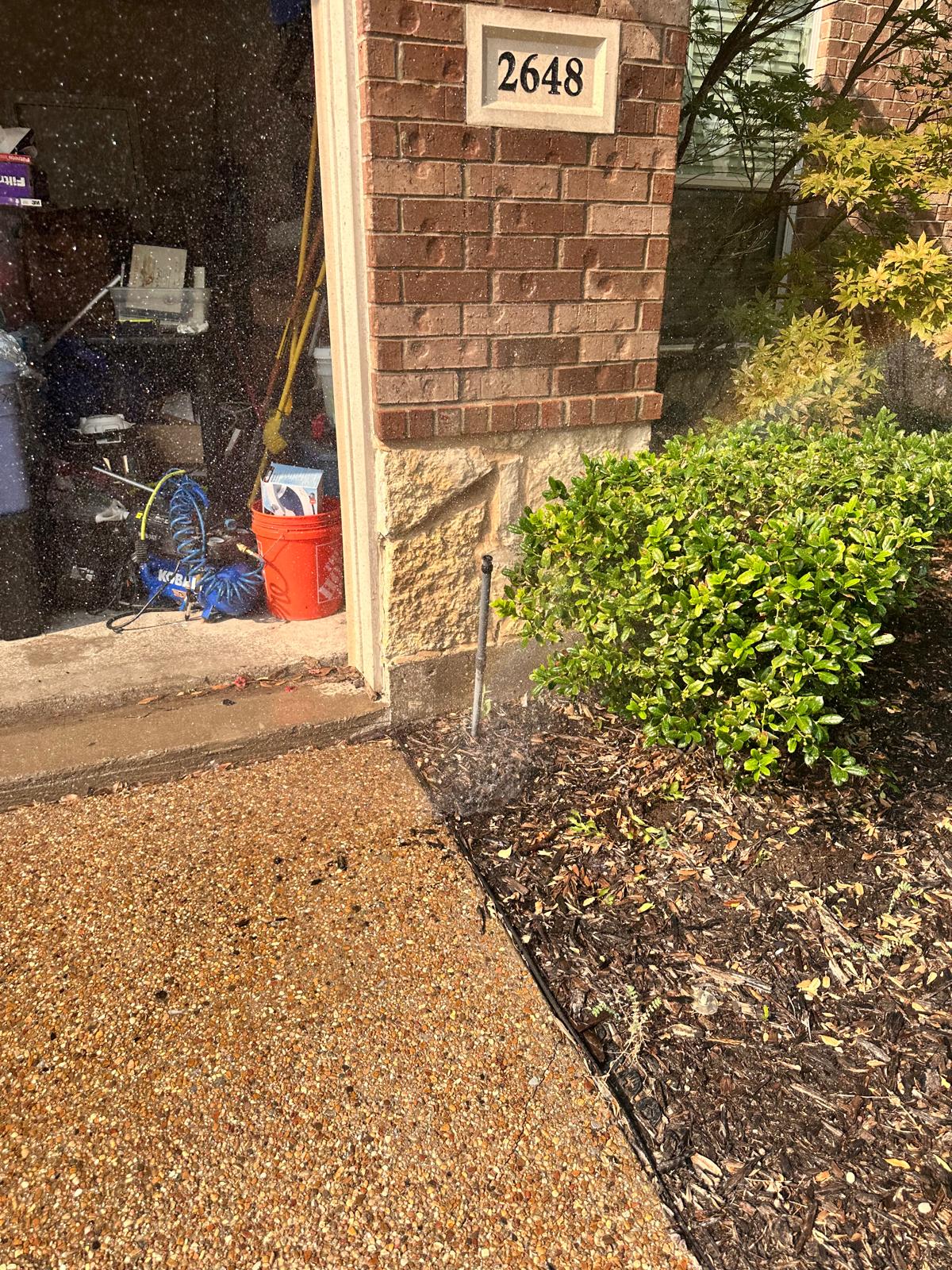
Heads are checked for alignment, clogs, cracks, and proper spray patterns. Even slight misdirection can result in dry patches or overspray onto sidewalks and driveways.
Valves and Zones:
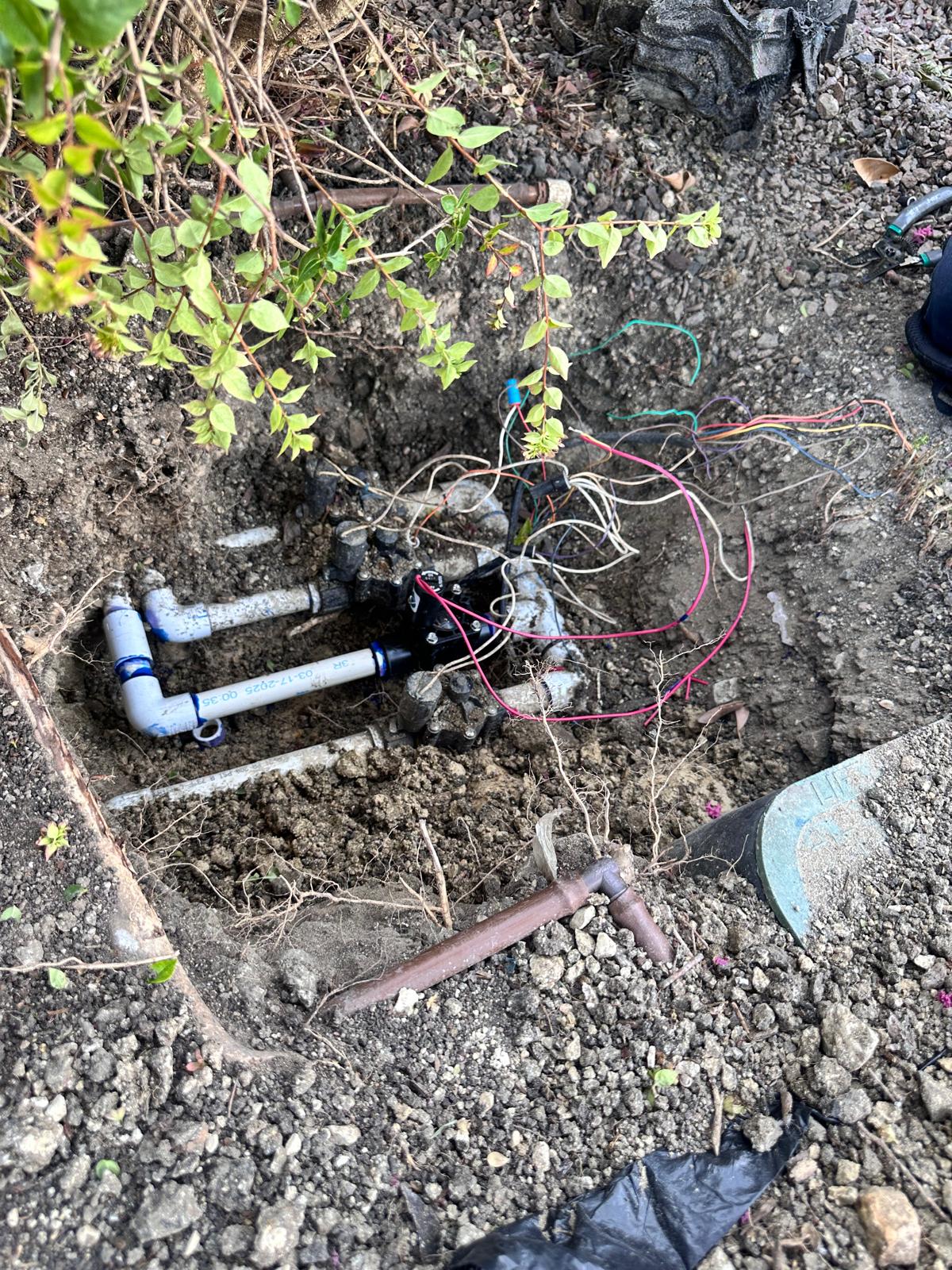
Valves regulate water flow to each zone and must open and close correctly. Malfunctioning valves can cause zones to run continuously or not at all.
Pipes and Connections:
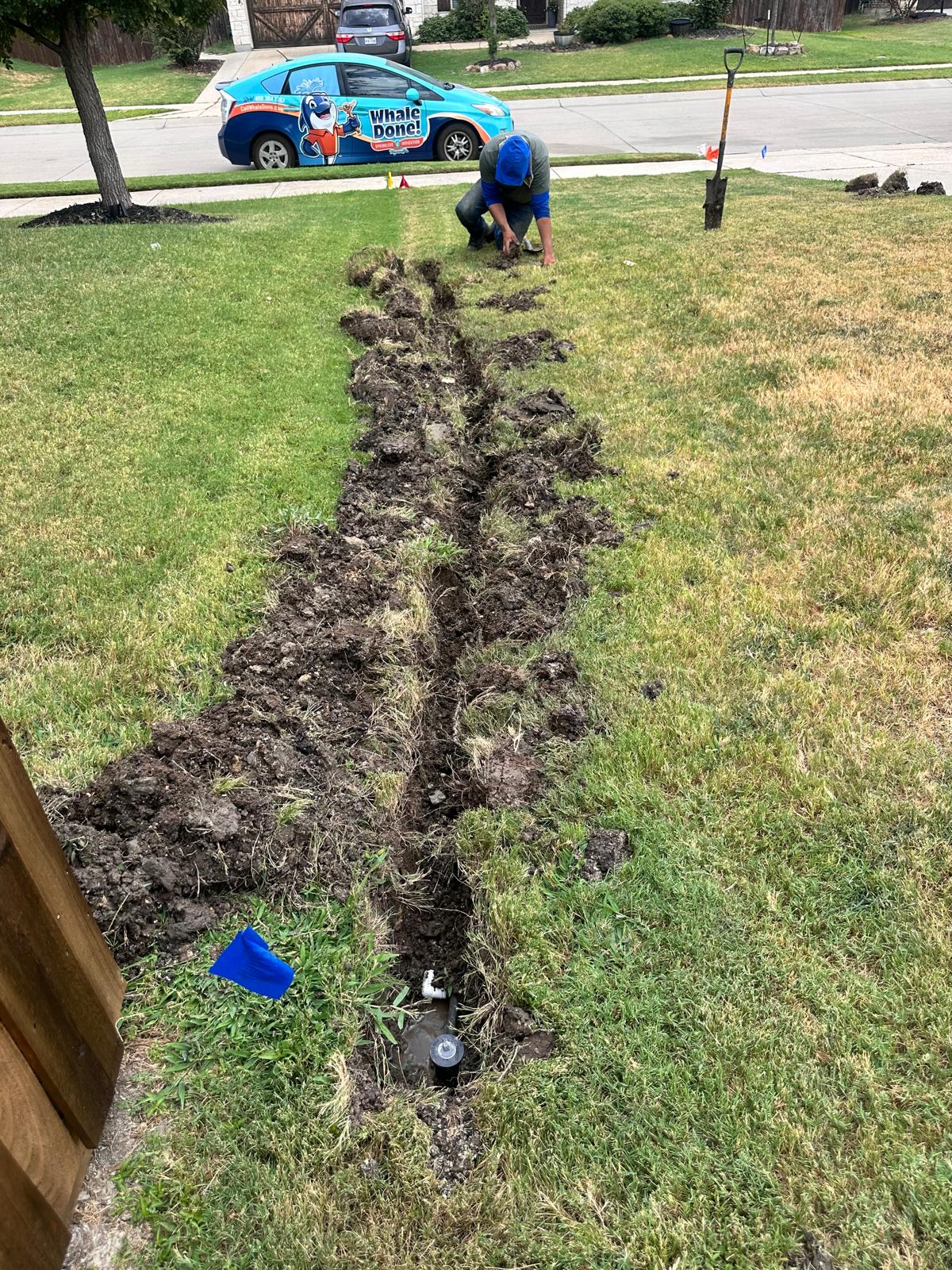
Underground lines are inspected for leaks or pressure loss, which often go unnoticed until water bills spike.
Sensors and Safety Features:
Rain and soil moisture sensors are tested to ensure they shut off the system when watering is unnecessary, supporting efficient water use.
Water Efficiency and Environmental Benefits
Water conservation is a growing priority across Texas, and irrigation efficiency plays a major role. A well-maintained system uses only the water your landscape truly needs. By correcting leaks, optimizing spray patterns, and adjusting schedules, homeowners can significantly reduce water consumption.
Organizations like the WaterSense program highlight how efficient irrigation practices protect local water supplies while maintaining healthy landscapes. An irrigation system check aligns your property with these best practices, helping you contribute to broader conservation efforts without sacrificing curb appeal.
Preventing Costly Repairs Through Early Detection
Many irrigation problems start small and worsen over time. A hairline crack in a pipe or a partially blocked nozzle may seem insignificant, but left unaddressed, these issues can lead to extensive damage. Water leaks can erode soil, undermine hardscapes, and damage foundations.
Routine system checks catch these problems early, allowing for simple adjustments or minor repairs instead of expensive replacements. Homeowners who schedule regular inspections often save money in the long run by avoiding emergency service calls and extensive landscape restoration.
Seasonal Timing for Irrigation System Checks
Timing matters when it comes to irrigation maintenance. In Little Elm, the most effective times for a system check are early spring and early fall. Spring inspections prepare your system for increased summer demand, while fall evaluations ensure proper shutdown and winterization.
Seasonal checks also allow for controller adjustments that match changing daylight hours and temperatures. This proactive approach ensures your lawn receives consistent care throughout the year, regardless of weather fluctuations.
Supporting Healthy Lawns and Landscapes
A lush, healthy lawn is the result of balanced watering—not too much, not too little. Overwatering can suffocate roots and promote fungal growth, while underwatering leads to stress and discoloration. An irrigation system checks fine-tunes delivery to match plant needs.
Professionals also evaluate plant groupings, ensuring turf, shrubs, and flower beds receive appropriate amounts of water. This targeted approach supports deeper root growth, improved drought tolerance, and a more resilient landscape overall.
Compliance With Local Guidelines and Best Practices
Municipalities across North Texas encourage responsible watering through guidelines and restrictions. Staying compliant helps homeowners avoid fines and supports community-wide conservation goals. An irrigation system check ensures your system operates within recommended parameters.
Resources from organizations like the Texas Commission on Environmental Quality provide guidance on efficient outdoor water use. Aligning your irrigation practices with these standards demonstrates environmental responsibility and long-term planning.
Technology and Modern Irrigation Systems
Modern irrigation technology has advanced significantly in recent years. Smart controllers, weather-based scheduling, and high-efficiency nozzles allow for precise water management. However, even the most advanced systems require regular checks to perform as intended.
During an irrigation system check, technicians assess whether your system is compatible with newer technologies and if upgrades could improve efficiency. Educational resources from the Irrigation Association emphasize how proper maintenance maximizes the benefits of modern irrigation solutions.
Property Value and Curb Appeal
A well-maintained landscape enhances property value and creates a positive first impression. Buyers are increasingly aware of water efficiency and sustainability, making a properly functioning irrigation system a valuable asset.
Regular system checks help maintain uniform turf color, healthy plants, and clean hardscape areas free from water stains. These details contribute to long-term curb appeal and demonstrate responsible property management.
Choosing Professional Expertise
While some homeowners attempt DIY inspections, professional irrigation system checks offer a deeper level of analysis. Trained technicians use specialized tools to measure pressure, identify hidden leaks, and evaluate system design.
Professional assessments also provide documentation and recommendations that help homeowners plan future upgrades or adjustments. Guidance from sources like Extension.org supports the value of expert involvement in sustainable landscape management.
Long-Term Benefits of Routine Irrigation System Checks
Consistency is key when it comes to irrigation maintenance. Homeowners who schedule regular checks experience fewer system failures, lower water bills, and healthier landscapes. Over time, these benefits compound, resulting in reduced maintenance costs and improved environmental impact.
An irrigation system check in Little Elm TX is not just a maintenance task—it is an investment in your property’s longevity and appearance. By staying proactive, you ensure your irrigation system continues to support your landscape efficiently for years to come.
Conclusion
Maintaining a reliable irrigation system requires professional insight, timely inspections, and a commitment to efficiency. For homeowners seeking expert support, Whale Done Sprinklers & Irrigation provides dedicated service and knowledgeable guidance tailored to local needs.