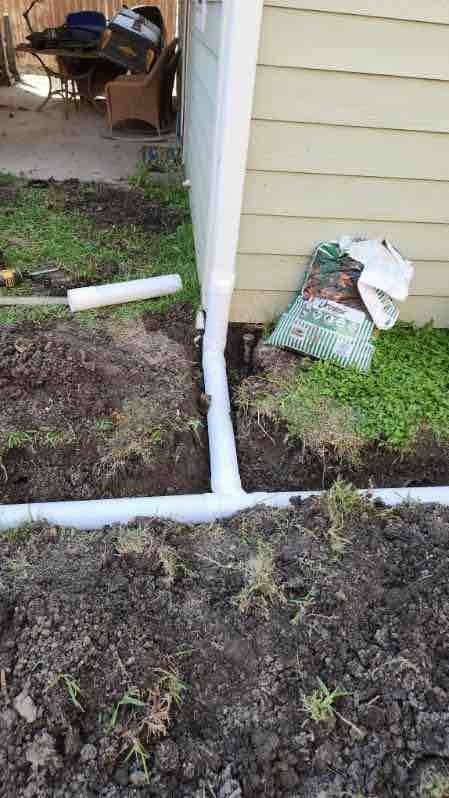
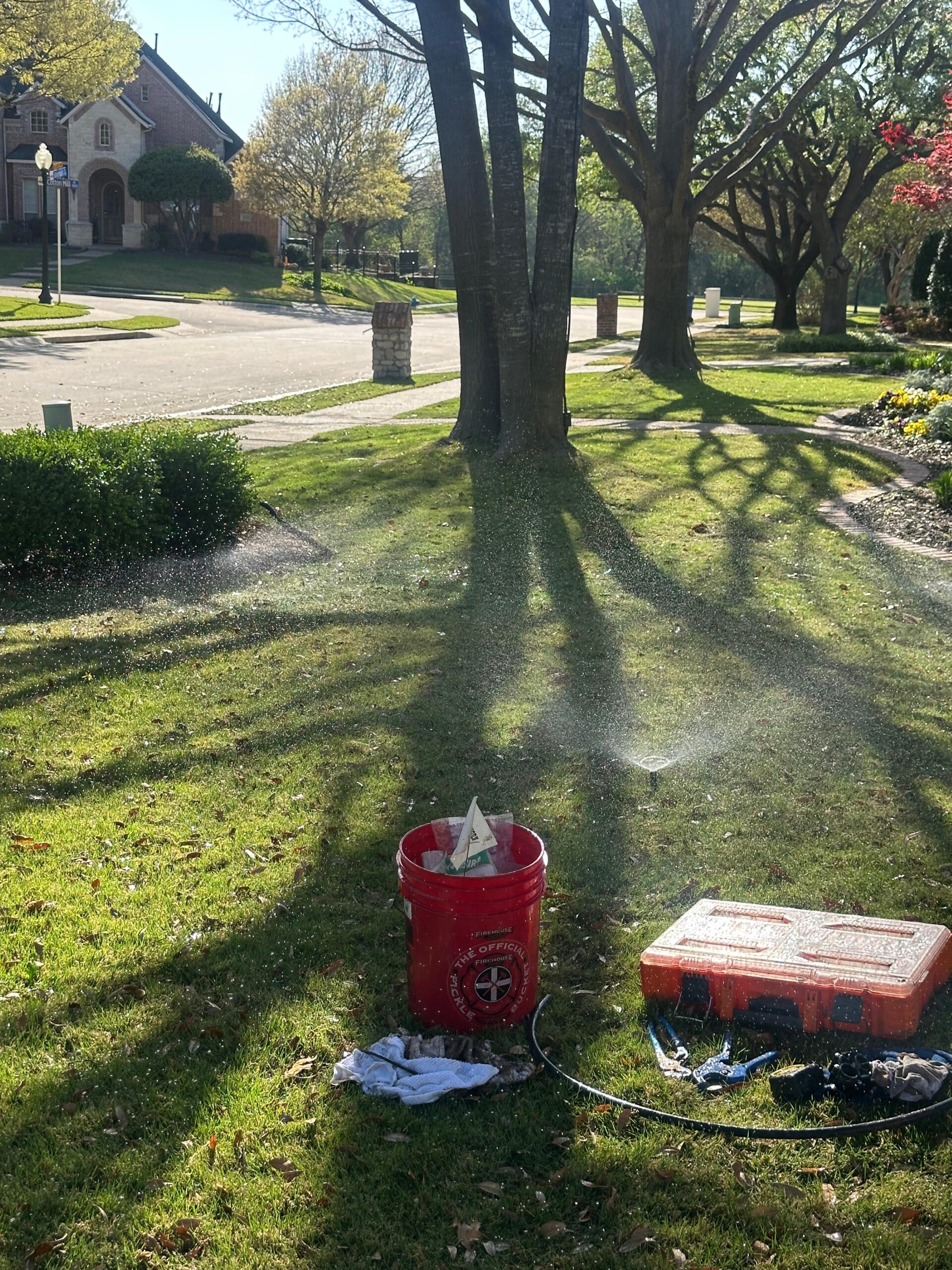
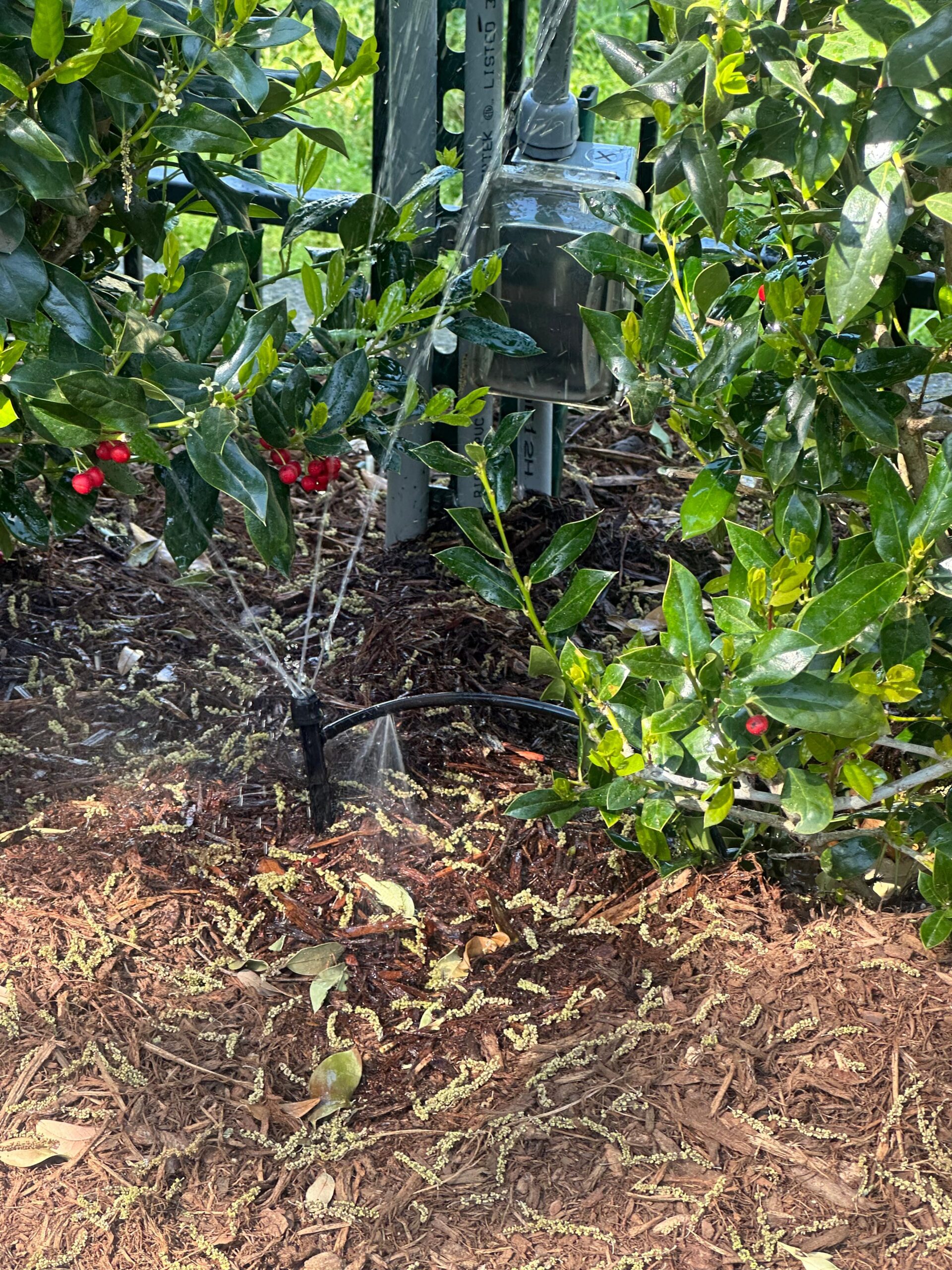
Installing drip irrigation in Van Alstyne TX is one of the most effective ways to ensure your garden or landscape thrives while conserving water. Unlike traditional sprinkler systems, drip irrigation delivers water slowly and directly to the plant root zone, minimizing evaporation, runoff, and overspray that often wastes large amounts of water. This targeted approach helps maintain consistent soil moisture, which encourages deeper root development and stronger plant health throughout the growing season.
Homeowners and commercial property managers in Van Alstyne increasingly choose drip systems because they are efficient, adaptable, and suitable for flower beds, vegetable gardens, shrubs, and landscaped areas of many sizes. By delivering water precisely where it is needed most, this irrigation method supports sustainable landscaping practices while reducing utility costs and maintenance needs, making it a smart long-term solution for healthy, vibrant landscapes.
What is Drip Irrigation?
Drip irrigation is a highly efficient and targeted watering system that delivers water slowly and directly to the base of plants through a network of tubes, valves, and small emitters, allowing moisture to seep gradually into the soil where roots can absorb it most effectively while minimizing evaporation and runoff. This controlled delivery makes drip irrigation ideal for gardens, flower beds, vegetable patches, shrubs, and trees because it maintains consistent soil moisture levels, reduces weed growth by limiting water to specific areas, prevents oversaturation, and supports healthier plant development while also helping homeowners and landscapers conserve water and manage irrigation more sustainably.
According to the EPA WaterSense program, drip irrigation systems can reduce water usage by as much as 50% compared to traditional watering methods such as sprinklers or manual hose watering, making them an environmentally responsible choice for both residential and commercial landscapes while lowering water bills and improving overall irrigation efficiency.
Benefits of Drip Irrigation in Van Alstyne TX
1. Water Conservation
Van Alstyne, TX, experiences periods of drought and water restrictions during peak summer months. By using drip irrigation, homeowners can significantly reduce water usage while still maintaining lush landscapes. The water flows directly to the plant roots, avoiding waste on pathways or driveways.
2. Enhanced Plant Health
Targeted watering prevents diseases caused by wet foliage, such as mildew and root rot. Drip irrigation ensures plants receive consistent moisture, which encourages deeper root growth and stronger plants. A Texas A&M study notes that proper irrigation techniques can increase plant productivity and lifespan.
3. Reduced Labor and Maintenance
Unlike traditional sprinkler systems that require frequent adjustments and repairs, drip systems are largely automated. Timers and pressure regulators make the system easy to maintain, reducing the time homeowners spend manually watering their yards.
4. Soil and Erosion Protection
Slow, consistent watering minimizes soil erosion and compaction. This is particularly important in areas of Van Alstyne with sloped landscapes, where water runoff can damage gardens and yards. Learn more about landscape preservation techniques to complement your irrigation efforts.
5. Cost Efficiency Over Time
Although initial installation costs may be higher than traditional sprinklers, drip irrigation saves money long-term by conserving water and reducing plant replacement costs. The efficiency of water usage directly impacts monthly utility bills, making it a sustainable investment for homeowners.
Key Components of a Drip Irrigation System
A high-quality drip irrigation system includes:
- Mainline tubing – transports water from the main water source to different areas of your garden beds, serving as the primary pathway that distributes water efficiently throughout the entire drip irrigation system.
- Emitter tubing – contains small emitters spaced along the line that release water slowly and directly at the base of plants, ensuring roots receive consistent moisture while minimizing evaporation and water waste.
- Pressure regulators – control and stabilize water pressure within the drip irrigation system, ensuring water flows at a safe level that prevents damage to tubing and maintains consistent, efficient irrigation performance.
- Filters – remove dirt, sand, and debris from the water supply before it reaches the emitters, helping prevent clogs and ensuring the drip irrigation system operates smoothly and efficiently over time.
Understanding each component helps ensure your system operates efficiently and requires minimal maintenance. For detailed DIY installation tips, visit Irrigation Tutorials.
Best Practices for Van Alstyne TX Landscapes
- Plan Layout Carefully – Map out plant types, spacing, and irrigation zones to ensure every plant receives the right amount of water while preventing overlap, improving efficiency, and supporting balanced growth across the landscape.
- Use Mulch – Apply a layer of organic mulch around plants to help retain soil moisture, regulate soil temperature, reduce evaporation, and prevent weed growth while supporting healthier soil structure and long-term plant health.
- Monitor Soil Moisture – Regularly check soil moisture levels by observing soil texture or using moisture meters to ensure plants receive adequate hydration without overwatering, which can lead to root rot and wasted water.
- Seasonal Adjustments – Adjust irrigation schedules throughout the year by reducing watering during cooler months and increasing it during hot summer periods to match plant needs and maintain efficient water use.
These strategies maximize the benefits of drip irrigation while keeping water usage efficient. For guidance on local water regulations, see Texas Water Development Board.
Common Mistakes to Avoid
- Incorrect Emitter Placement – Positioning emitters too far from the plant’s root zone prevents water from reaching where it is most needed, causing poor absorption, uneven moisture distribution, and potentially weak or stressed plant growth.
- Overwatering – Even drip irrigation systems can waste significant water if watering schedules are not adjusted for rainfall, seasonal changes, or soil conditions, leading to soggy soil, plant stress, and unnecessary water consumption.
- Neglecting Maintenance – Failing to regularly inspect and clean drip irrigation components can lead to clogged emitters, blocked tubing, and uneven water flow, which reduces system efficiency and may damage plants over time.
By avoiding these pitfalls, your drip irrigation system can remain reliable and effective for years.
Advanced Features
Modern drip irrigation systems often include smart controllers and soil moisture sensors that automatically adjust watering levels based on temperature, rainfall, humidity, and real-time soil conditions, helping reduce water waste while supporting healthier plant growth and stronger root development.
Through connected smartphone apps, users can remotely manage irrigation schedules, monitor moisture data, receive alerts, integrate weather forecasts, and fine-tune watering zones, while resources like Smart Watering Solutions explain how these technologies improve efficiency, conserve water, and make irrigation management easier for both homeowners and agricultural growers.
Conclusion
Implementing drip irrigation in Van Alstyne TX is a forward-thinking choice for homeowners seeking water efficiency, healthier landscapes, and reduced maintenance. Investing in this system not only preserves natural resources but also enhances property value and aesthetics.
For professional installation and maintenance, consider contacting Whale Done Sprinklers & Irrigation. They provide expert guidance and solutions tailored to your property’s unique needs. Reach them at +1 (469) 384-7767 or email clientsupport@callwhaledone.com for a consultation today.