Sprinkler Valve Repair in Plano, Frisco, McKinney & Surrounding Areas
One Sprinkler Zone Isn't Working? Let's Find Out Why Before Replacing Parts.
If one sprinkler zone won’t turn on, won’t turn off, continues running after the controller shuts off, or simply isn’t watering the way it should, it may be time to consider sprinkler valve repair. It’s natural to think the valve has failed, but the underlying cause isn’t always the valve itself. A professional inspection can determine whether a repair, adjustment, or replacement is the best solution for restoring proper irrigation performance.
Sometimes that’s true. Sometimes it isn’t. Several different irrigation problems can produce the exact same symptoms.
That’s why every sprinkler valve repair at Whale Done begins with understanding what’s actually causing the issue—not simply replacing parts.
Our goal isn’t just to repair your sprinkler system.
Our goal is to help you make the right decision for your home.
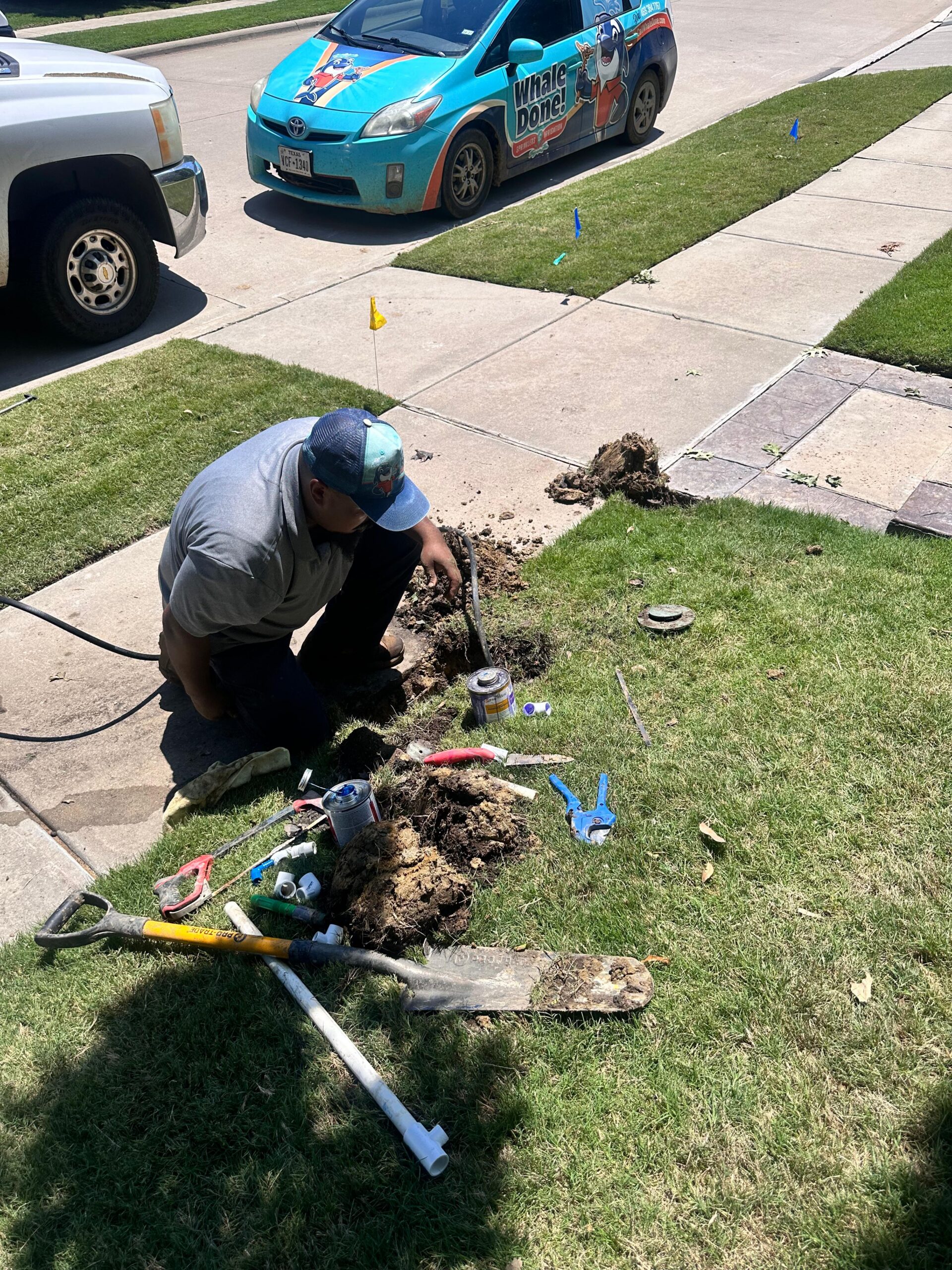
If one sprinkler zone won’t turn on, won’t turn off, continues running after the controller shuts off, or simply isn’t watering the way it should, it may be time to consider sprinkler valve repair. It’s natural to think the valve has failed, but the underlying cause isn’t always the valve itself. A professional inspection can determine whether a repair, adjustment, or replacement is the best solution for restoring proper irrigation performance.
Sometimes that’s true. Sometimes it isn’t. Several different irrigation problems can produce the exact same symptoms.
That’s why every sprinkler valve repair at Whale Done begins with understanding what’s actually causing the issue—not simply replacing parts.
Our goal isn’t just to repair your sprinkler system.
Our goal is to help you make the right decision for your home.


Symptoms At A Glance
Not every sprinkler valve problem looks the same.
Here are some of the most common symptoms homeowners experience and what they could mean.
One Sprinkler Zone Won't Turn On
This could be caused by a faulty sprinkler valve, damaged wiring, a controller issue, low water pressure, or another irrigation problem.
One Sprinkler Zone Won't Turn Off
A zone that continues running after the controller shuts off may be caused by a failed valve, debris inside the valve, electrical issues, or another component preventing the valve from closing properly.
Water Is Leaking Around The Valve Box
Standing water or constantly wet soil around a valve box may indicate a leaking sprinkler valve, cracked fitting, damaged pipe, or another irrigation leak nearby. Finding the exact source is the first step toward making the right repair.
The Controller Appears To Be Working, But Nothing Happens
Sometimes the controller isn't the problem. The issue could involve the sprinkler valve, low-voltage wiring, electrical communication, or another component within the irrigation system. A complete assessment helps determine where the interruption is occurring.
One Zone Has Much Lower Pressure Than The Others
If one zone has noticeably weaker pressure, the cause may be a partially functioning valve, an underground leak, excessive demand on that zone, or another system issue affecting water flow.
The Valve Works Manually, But Not Automatically
If the valve opens manually but won't operate from the controller, the problem is often electrical rather than mechanical. This may involve the controller, wiring, the valve itself, or another component responsible for sending power to the valve.
Because several different problems can create the same symptoms, we don’t recommend replacing parts based on assumptions.
Our goal is to identify the actual cause before recommending the repair.
What Does A Sprinkler Valve Do?
Every irrigation zone on your property is controlled by a sprinkler valve, making it one of the most important components of your sprinkler system. When your sprinkler controller sends an electrical signal to the valve, it opens and allows water to flow to the designated zone.
Once the watering cycle is complete, the valve closes to stop the flow of water. If the valve doesn’t open, close, or operate as intended, the entire irrigation zone can be affected. In many cases, professional sprinkler valve repair can restore proper operation, improve watering performance, and help prevent unnecessary water waste or damage to your landscape.
What Homeowners Often Think
“It probably just needs a new solenoid.”
That’s one approach.
Our philosophy is different.
If we’ve confirmed the valve itself has failed, we replace the entire valve, not just the solenoid.
Why?
Because installing a new solenoid on an older valve body still leaves older internal components in service.
Our philosophy is simple:
No new parts in an old valve body.
We believe replacing the complete valve provides homeowners with a more dependable long-term repair.
Not Every Zone Problem Is A Valve Problem
One of the biggest misconceptions homeowners have is assuming every sprinkler zone problem automatically means the valve has failed. While a faulty valve can certainly cause irrigation issues, problems with the controller, wiring, solenoid, water pressure, or other system components can produce similar symptoms and should be inspected before making repairs.
In reality, similar symptoms can also be caused by:
✔ Broken low-voltage wiring.
✔ Controller problems.
✔ Electrical communication issues.
✔ Main line problems.
✔ Underground leaks.
✔ Water pressure issues.
✔ Other irrigation components.
That’s why replacing a valve without proper testing can sometimes lead to unnecessary repairs.
Our assessment helps identify the actual source of the problem before recommendations are made.
Why Some Valve Replacements Are More Difficult Than Others
Every valve box is different. Some sprinkler valves are easy to access, while others have spent years buried beneath compacted soil or surrounded by mature tree roots, making repairs more complex and time-consuming.
Tree roots naturally grow toward moisture, often wrapping around sprinkler valves, pipes, and fittings over time. This growth can restrict access, increase excavation difficulty, and require careful removal to avoid damaging the irrigation system.
When tree roots are present, additional time, specialized tools, and careful excavation techniques are often needed to expose the valve safely. This approach helps protect nearby sprinkler lines, fittings, landscaping, and other underground components.
If tree roots affect your sprinkler valve repair, we’ll explain exactly what we’ve found before any work begins. You’ll understand why the repair is more involved, what options are available, and what to expect throughout the process.
How We Determine Whether A Valve Needs To Be Replaced
Every valve assessment begins with understanding the entire irrigation system.
During your Whale Done Assessment™, we may evaluate:
✔ Controller operation.
✔ Electrical output.
✔ Low-voltage wiring.
✔ Valve operation.
✔ Water flow.
✔ Pressure.
✔ The affected irrigation zone.
✔ Other possible causes creating similar symptoms.
Only after we’ve identified the cause do we recommend repairs.
Sometimes the valve needs to be replaced.
Sometimes another repair solves the problem.
Either way, we’ll explain what we found and why we’re recommending a particular solution.
What Happens During A Sprinkler Valve Replacement?
When valve replacement is the right solution, we’ll:
✔ Carefully expose the valve box.
✔ Remove the failed valve.
✔ Install a new valve.
✔ Reconnect the irrigation piping.
✔ Reconnect and verify the valve wiring. Even a brand-new sprinkler valve won’t operate properly if the wiring isn’t connected correctly. That’s why we verify all wire connections before testing the system.
✔ Test valve operation.
✔ Verify the affected zone is functioning properly.
✔ Answer any questions before leaving your home.
We don’t consider the repair complete until we’ve confirmed the valve, wiring, and irrigation zone are all operating correctly.
Questions Every Homeowner Should Ask Before Replacing A Sprinkler Valve
How do you know the valve is actually the problem?
A trustworthy contractor should explain how they ruled out wiring, controller problems, pressure issues, and other possible causes before recommending valve replacement.
Are you replacing the entire valve or only the solenoid?
Understanding the repair being recommended helps you make a more informed decision.
Ask your contractor why they’ve chosen that approach and what long-term benefits it provides.
Could tree roots make the repair more difficult?
Mature landscaping sometimes affects access to underground valves.
Ask whether the valve location presents any challenges before excavation begins.
Will you test the system after the repair?
Replacing the valve is only part of the job.
The repaired zone should always be tested before the work is considered complete.
Can a bad sprinkler valve increase my water bill?
Yes.
If a valve fails to close completely or allows water to continue flowing when it shouldn’t, unnecessary water usage may increase your monthly bill.
How long does a sprinkler valve last?
The lifespan varies depending on water quality, usage, environmental conditions, and the specific valve installed.
Some valves provide many years of dependable service before replacement becomes necessary.
Can you replace just the solenoid?
In some situations, that approach is used within the irrigation industry.
At Whale Done, if we’ve confirmed the valve itself has failed, our standard is to replace the complete valve rather than installing new components into an older valve body.
Can most valve replacements be completed during the same visit?
Often, yes.
If the required materials are available and there are no unusual site conditions, many valve replacements can be completed during your scheduled appointment.
The Whale Done Difference
A sprinkler valve repair isn’t just about replacing a part.
It’s about understanding why the problem occurred, confirming the correct diagnosis, and completing a repair designed for long-term reliability.
That’s why every repair begins with the Whale Done Assessment™.
Because helping homeowners make informed decisions is just as important as completing quality repairs.
Ready To Get That Zone Working Again?
Whether one sprinkler zone won’t turn on, won’t turn off, or simply isn’t operating the way it should, we’re here to help.
Schedule your Whale Done Assessment™ and let one of our licensed irrigation professionals identify the cause, explain your options, and help you make the right decision for your home.
$99 Investment • Paid When Scheduled • Applied Toward Approved Repairs
Or call (469) 384-7767 to speak with our team.