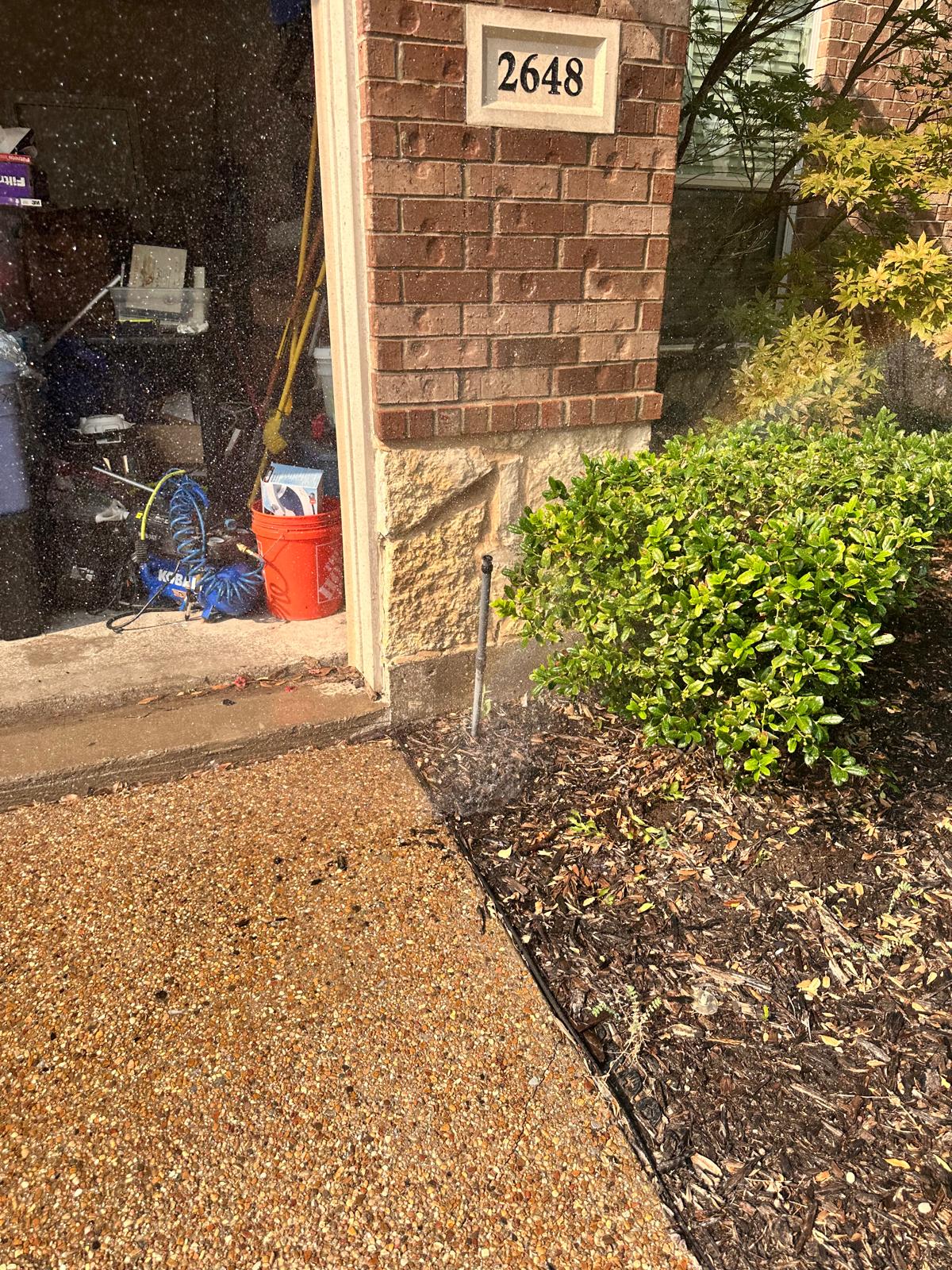
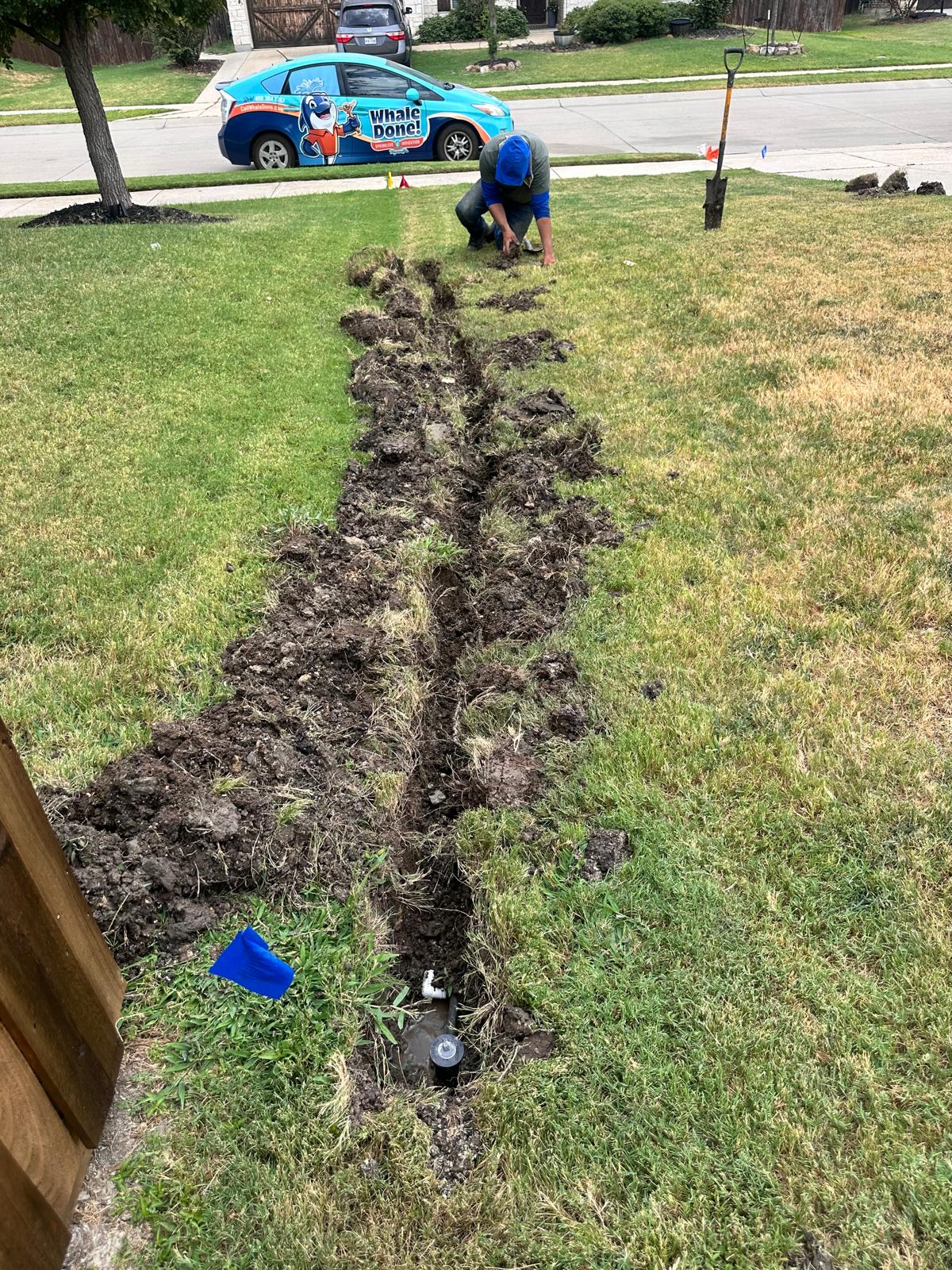
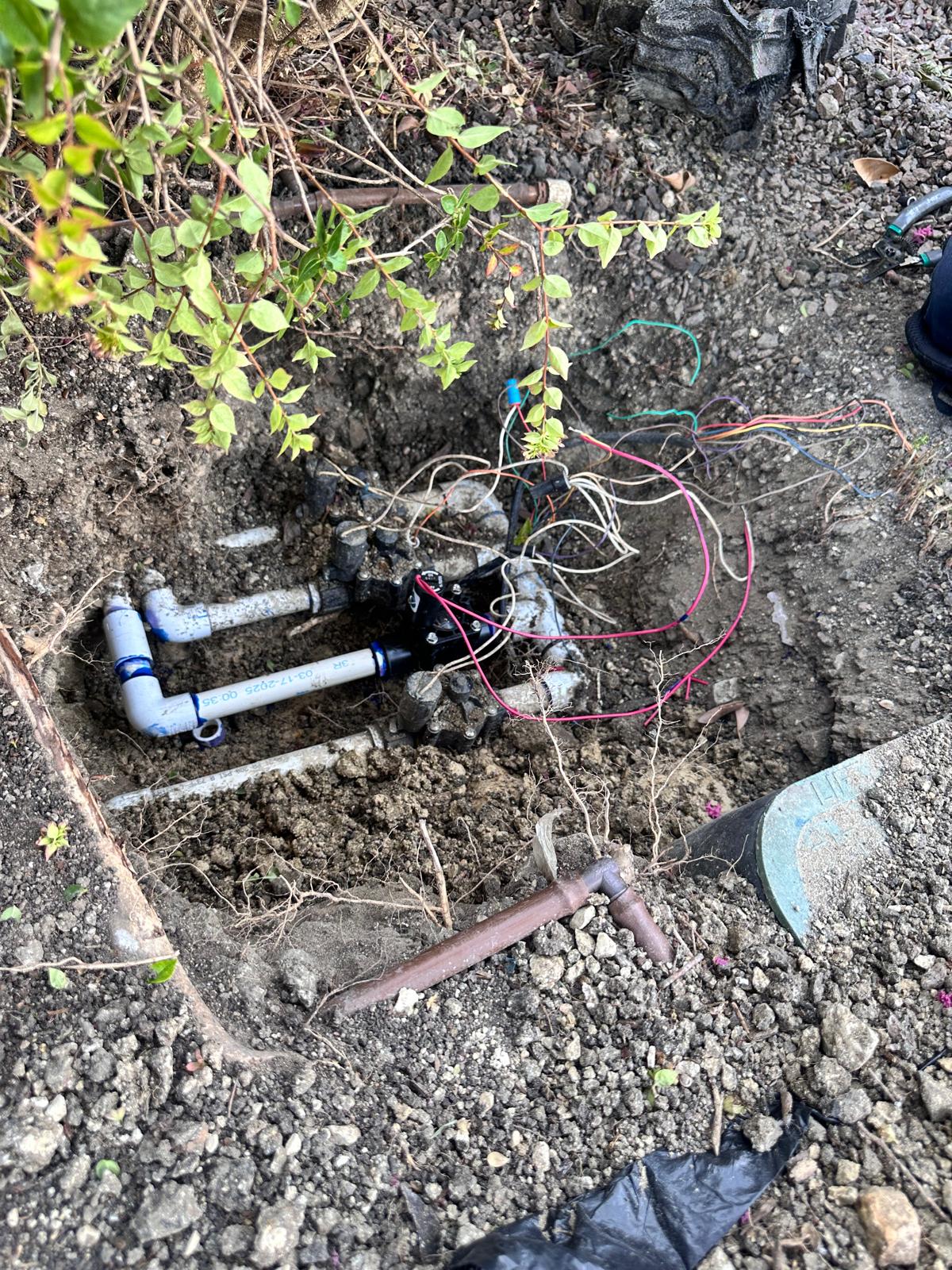
A drip irrigation inspection in McKinney TX typically includes checking the filter and pressure regulator, testing emitter flow at each plant, inspecting tubing for leaks or kinks, reviewing controller programming, and confirming even coverage across the zone. The technician runs the system, watches how it performs, and identifies anything preventing water from reaching plant roots correctly. Most inspections take under an hour per zone and can be done as a standalone service or as part of a seasonal system check.
At a Glance
- Difficulty: Low for homeowners to observe; moderate for hands-on diagnostics
- Estimated Time: 30–60 minutes per zone
- Tools Needed: Pressure gauge, flow meter, hand tools (for a professional inspection)
- Works For: Garden beds, foundation plantings, shrubs, container gardens
- May Not Solve: Plant stress caused by disease, soil quality, or sun exposure unrelated to watering
Why Drip Systems Need Regular Inspection
Drip irrigation runs quietly underground or beneath mulch, which means problems often go unnoticed until a plant starts showing stress. Unlike a spray head that visibly malfunctions above ground, a clogged emitter or a slow leak in buried tubing can go undetected for weeks.
Because drip systems operate at low flow and low pressure, small issues have an outsized effect:
- A single clogged emitter can leave one plant dry while everything around it looks fine
- A pinhole leak wastes water slowly without ever pooling or flooding
- Root intrusion into emitters is common and cuts off flow gradually
- Filters and pressure regulators wear out over time and are easy to overlook
Routine inspection catches these issues before a homeowner notices dead or struggling plants.
What a Drip Irrigation Inspection in McKinney TX Actually Covers
A drip irrigation inspection in McKinney TX generally follows a consistent checklist, whether it’s performed as a standalone visit or bundled with a spring or fall system tune-up. The goal is to confirm that water is reaching every plant at the correct rate, without leaks, clogs, or pressure problems along the way.
A thorough inspection typically covers:
- Filter condition — checking for debris buildup that restricts flow
- Pressure regulator function — confirming the zone is running at the pressure drip tubing requires
- Tubing integrity — looking for cracks, kinks, sun damage, or rodent damage
- Emitter performance — testing flow at multiple points along the line
- Coverage accuracy — confirming emitters are still positioned at the plant’s root zone as plants have grown
- Controller settings — reviewing run times and frequency for the season
Step-by-Step: What Happens During the Inspection
Step 1: Review the Zone Layout
The technician identifies which valve controls the drip zone and confirms how many plants and emitters are on the line.
Step 2: Check the Filter and Pressure Regulator
These components sit at the head of the zone and are checked first, since a clogged filter or failed regulator affects everything downstream.
Step 3: Run the Zone
The system is activated so the technician can watch it operate in real time, rather than relying on a visual inspection alone.
Step 4: Inspect Tubing Along the Bed
Tubing is checked by hand for cracks, kinks, or spots where it has come loose from fittings, especially near turns or plant clusters.
Step 5: Test Emitter Flow
Each emitter, or a representative sample across a larger bed, is checked to confirm water is actually reaching the soil at the expected rate.
Step 6: Review Controller Programming
Run times and frequency are compared against the season, soil type, and plant needs to confirm the schedule still makes sense.
Step 7: Document Findings
Any clogs, leaks, or coverage gaps are noted, along with recommendations for repair or adjustment.
Common Mistakes Homeowners Make
- Assuming no visible problem means no problem. Drip issues rarely show up as puddles or wet spots the way spray head issues do.
- Skipping filter maintenance. A dirty filter is one of the most common causes of reduced flow across an entire zone.
- Not adjusting for plant growth. As shrubs and perennials mature, emitters positioned for a young plant may no longer reach the current root zone.
- Running drip zones on the same schedule as spray zones. Drip needs longer, less frequent watering, not the same daily minutes as overhead spray.
- Waiting until a plant dies to investigate. By the time stress is visible, the underlying issue has often been present for weeks.
Local Considerations for McKinney TX
A few things about the McKinney area are worth factoring into any drip system inspection:
Clay soil.
McKinney’s clay-heavy soil absorbs water slowly and holds it near the surface, which means a small leak or overwatering issue can go unnoticed while roots underneath sit in excess moisture for weeks. A thorough inspection looks at how water is actually absorbed into the ground, not just whether emitters are physically flowing, since clay can mask problems that would be obvious in sandier soil.
Summer heat.
Extended stretches of high heat common to McKinney summers increase how much water plants need while also putting extra strain on tubing, filters, and fittings exposed to sun and ground temperature. Scheduling an inspection before peak summer arrives makes it easier to catch worn components and clogged filters before the season when the system is working hardest.
Wind and debris.
McKinney’s open yards and windy stretches throughout the year cause loose mulch, fallen leaves, and general yard debris to shift over time, which can gradually block or dislodge emitters. Beds along fence lines, open lots, or areas without much tree cover tend to collect more debris and benefit from more frequent visual checks.
Seasonal watering changes.
As temperatures shift from spring into summer and back down through fall, the amount of water a drip zone needs changes along with it. An inspection is a natural point to review and update controller run times and frequency so the schedule matches current conditions instead of one set months earlier.
Foundation plantings.
Homes built on clay soil are particularly sensitive to inconsistent moisture near the foundation, since clay expands when saturated and contracts as it dries out. An inspection confirms that foundation-zone emitters are still functioning and correctly positioned, helping maintain steady moisture and reduce the risk of soil movement affecting the slab.
Related Problems That Can Look Like a Drip Issue
If plants near a drip zone are struggling, the drip system itself isn’t always the cause. Related issues to consider include:
- Low water pressure affecting the whole zone or the entire property
- A failing valve that isn’t opening fully or closing completely
- Controller programming errors left over from a previous schedule
- An underground leak upstream of the drip zone, unrelated to the tubing itself
An inspection typically rules these in or out as part of the process.
Frequently Asked Questions
- How often should a drip irrigation system be inspected?
Most licensed sprinkler companies recommend inspecting drip zones at least once a year, ideally before peak summer watering season, with a second check in fall if the system runs year-round.
- Can I inspect my own drip system without a professional?
Homeowners can check for visible leaks, dislodged tubing, and obviously dry plants, but pressure testing and emitter flow checks are more accurate with the tools a licensed technician uses.
- What are signs my drip system needs an inspection?
Wilting plants despite regular watering, unusually high water bills, visible tubing damage, or plants that were thriving and suddenly decline are all reasons to schedule an inspection.
- Does a drip irrigation inspection include repairs?
Typically no. An inspection identifies issues and provides recommendations; repairs are usually quoted and completed separately unless otherwise agreed upon in advance.
- How long does a drip irrigation inspection take?
A single zone usually takes 30 to 60 minutes, though a full property with multiple drip zones may take longer depending on the number of beds and emitters involved.
Bottom Line
A drip irrigation inspection in McKinney TX is a straightforward way to confirm that a system quietly doing its job underground is actually working the way it should. Because drip issues rarely show visible warning signs the way spray head problems do, an inspection is often the only reliable way to catch a clogged emitter, a failing filter, or a slow leak before a plant shows stress. It covers the filter, pressure regulator, tubing, emitters, coverage, and controller settings in a single visit, giving homeowners a clear picture of the zone’s condition and a documented list of anything that needs attention.
Next Step
If plants near a drip zone are underperforming, or if the system hasn’t been checked in over a year, scheduling an inspection is a reasonable first step before assuming a full system replacement is needed. A licensed sprinkler company can test pressure, flow, and coverage directly rather than guessing based on plant appearance alone. In many cases, the fix is a clogged filter or a single damaged emitter rather than a larger system problem.
Related Resources
- Sprinkler System Repair in McKinney TX
- Can Spray Heads Be Converted to Drip Irrigation?
- Common Causes of Low Water Pressure in Sprinkler Systems
- https://callwhaledone.com/can-a-sprinkler-adjustment-reduce-water-waste-in-plano-tx/
For additional guidance on efficient irrigation practices, the EPA WaterSense program and Texas A&M AgriLife Extension both publish research-backed resources on drip irrigation maintenance and water efficiency.
Conclusion
A drip irrigation inspection in McKinney TX gives homeowners a clear, documented look at how well their system is actually performing below the surface, where most drip problems hide. Catching a clogged filter or a damaged emitter early protects both plants and water bills. If a bed hasn’t been checked in a while, a licensed sprinkler company can run a full inspection and explain exactly what’s going on before recommending any repairs.