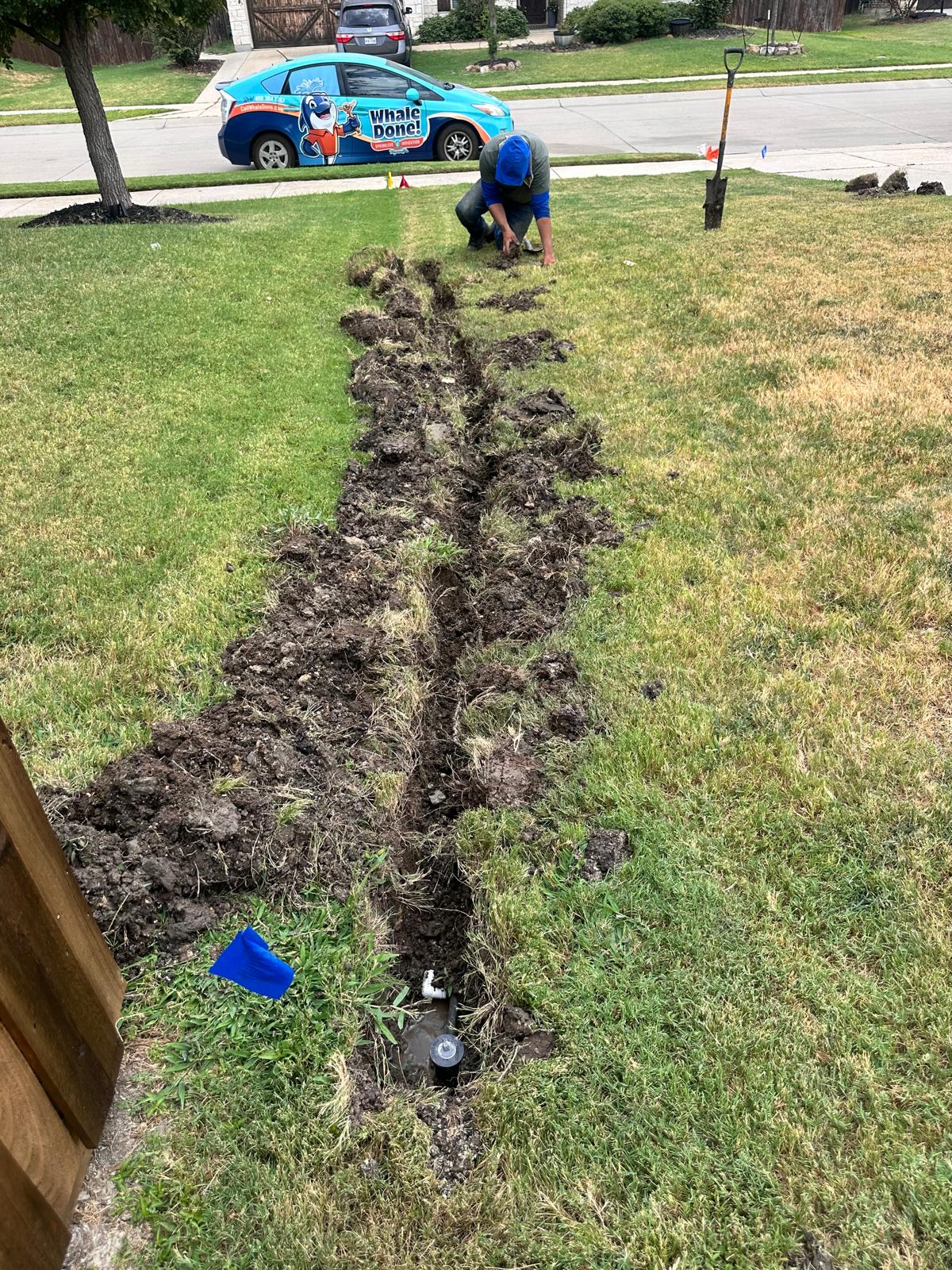
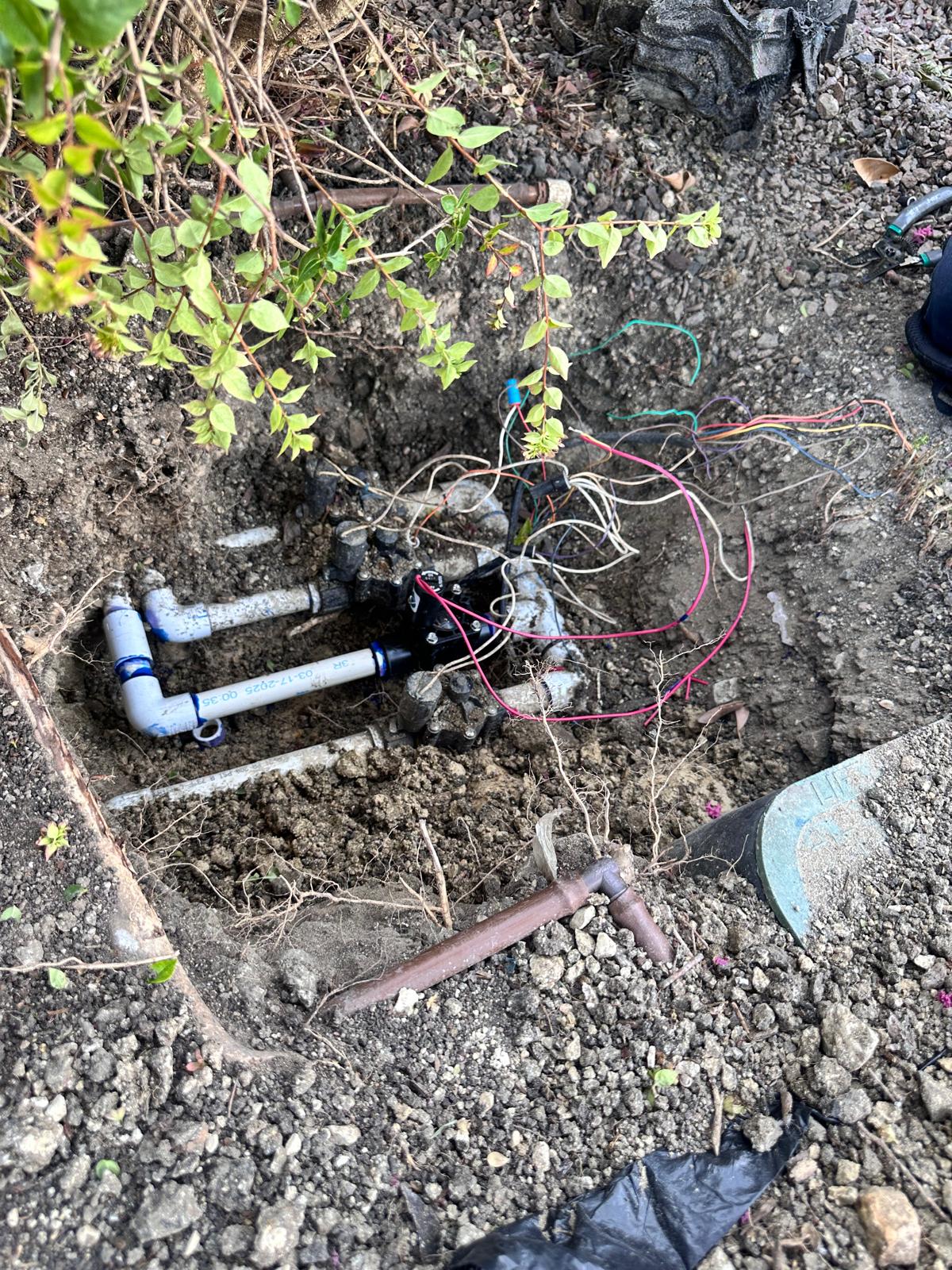
When multiple issues show up at once, sprinkler repairs in Melissa TX should be prioritized by how much water or damage they’re causing, not by which one is easiest to fix. Leaks and stuck valves come first, since they waste water continuously and can raise a bill quickly. Broken or misaligned heads come next, since they cause uneven watering but don’t waste water at the same rate. Controller and programming issues can usually wait a bit longer, since they affect efficiency more than they cause active damage. Fixing problems in this order prevents small issues from becoming expensive ones.
At A Glance
- Difficulty: Varies by repair (some homeowner-friendly, others require a professional)
- Estimated Time: 15 minutes to 2 hours depending on the issue
- Tools Needed: Screwdriver, replacement heads or nozzles, valve key, controller manual
- Works For: In-ground sprinkler systems, drip zones, and hybrid setups
- May Not Solve: Municipal pressure issues or problems with the water line outside the property
Why Sprinkler Repairs in Melissa TX Priority Matters
Not every sprinkler problem carries the same cost if left alone. A cracked head might waste a little water and leave a wet spot in the yard. A stuck valve, on the other hand, can run continuously and waste hundreds of gallons before anyone notices.
Prioritizing repairs by urgency, rather than tackling them in whatever order they’re discovered, prevents small issues from turning into large water bills or lawn damage. It also helps homeowners decide which repairs are safe to handle on their own and which ones are worth calling a professional for right away.
Many homeowners naturally want to fix the most visible problem first, like a head that’s clearly broken. But visibility and urgency aren’t the same thing. A quiet leak hidden in a valve box can cost far more over time than an obvious but minor issue on the surface.
Sprinkler Repairs Ranked By Priority
1. Leaks And Stuck Valves (Highest Priority)
A leak or a valve stuck partially open wastes water continuously, even when the system isn’t scheduled to run. This is the most urgent category of repair because the cost keeps climbing the longer it’s left unaddressed.
Signs include a soggy area that never dries out, a water meter that keeps moving with everything off, or a zone that runs even when it isn’t scheduled to.
If any of these signs are present, it’s worth shutting off the system’s water supply until the issue can be diagnosed, rather than letting it continue to run while waiting for a repair appointment.
2. Broken Or Missing Sprinkler Heads
A broken head sprays water in the wrong direction or shoots it straight up instead of across the lawn. This wastes water and can leave nearby grass dry while flooding a small area.
These repairs are usually straightforward and inexpensive, making them a good next step after addressing any leaks.
Replacing a head typically takes only a few minutes once the correct replacement part is on hand, since most heads simply thread onto the existing riser.
3. Clogged Or Misaligned Nozzles
A clogged nozzle reduces coverage in one section of a zone, leading to dry patches. A misaligned nozzle sprays water onto a driveway, sidewalk, or the side of the house instead of the lawn.
These issues don’t waste large amounts of water but do affect lawn health and can be fixed quickly.
A quick rinse or replacement of the nozzle usually resolves clogging, while realigning a head is often as simple as adjusting the spray direction with a small screwdriver.
4. Low Water Pressure Issues
Low pressure across a zone can be caused by a partially closed valve, a leak elsewhere in the line, or a municipal supply issue. This is worth addressing once the more urgent leaks and valve issues are ruled out.
A pressure gauge attached to a hose bib near the irrigation line can help confirm whether the issue is inside the system or coming from the municipal supply itself.
5. Controller And Programming Problems
An outdated schedule or a dead backup battery affects efficiency but usually isn’t causing active damage. This is often the lowest priority repair, though it should still be corrected to avoid gradual water waste.
Even so, it’s worth checking the controller once other repairs are complete, since a schedule left over from a different season can undo the benefit of fixing everything else.
Common Mistakes Homeowners Make
- Fixing the easiest problem first. Replacing a single broken head feels productive, but a leaking valve elsewhere may be causing far more damage.
- Ignoring a running water meter. If the meter moves with the system off, that’s a sign of an active leak that shouldn’t wait.
- Assuming uneven coverage is a pressure issue. Sometimes it’s a simple clogged nozzle, which is a much smaller repair.
- Waiting to fix a stuck valve because “it still waters fine.” A valve stuck partially open can waste water even while the system appears to be working normally.
- Overlooking small leaks near valve boxes. These are easy to miss but often indicate a bigger issue nearby.
- Repairing symptoms instead of causes. Replacing a head repeatedly in the same spot without checking pressure may mean the real issue lies elsewhere in that zone.
- Delaying repairs until a scheduled service visit. Active leaks and stuck valves usually shouldn’t wait weeks, since the cost keeps adding up daily.
Local Considerations For Melissa TX
Melissa’s growth and North Texas climate affect how sprinkler repairs should be prioritized:
- Clay soil, common throughout Melissa, can hide leaks longer since water pools at the surface instead of draining away visibly.
- New construction in many Melissa neighborhoods means some systems are only a few years old, but installation issues can still surface early and should be addressed quickly.
- Water restrictions set by the City of Melissa may limit watering days, making it worth confirming the controller matches current rules once other repairs are handled.
- Summer heat increases the visible impact of even small coverage issues, since dry patches show up faster under high temperatures.
- Freeze risk in winter makes it important to prioritize backflow preventer and exposed pipe repairs before the first hard freeze.
- Foundation movement, a known concern in North Texas clay soil, can be made worse by an uneven watering pattern caused by an unresolved leak or valve issue.
Homeowners can review current outdoor watering guidance through the Texas Commission on Environmental Quality and general irrigation efficiency tips from the Irrigation Association.
Because Melissa continues to see new development alongside more established neighborhoods, repair priorities can vary from property to property depending on how old the system is and what type of soil it sits in.
Related Problems That May Look Like Repair Issues
If a system still isn’t performing well after addressing the obvious repairs, the underlying cause may be:
- An underground leak that hasn’t surfaced yet
- A failing backflow preventer
- Controller wiring issues rather than a programming error
- A pressure problem originating from the municipal supply
Learn more in Whale Done’s guide to common sprinkler system problems.
Frequently Asked Questions
- How do I know which sprinkler repair is most urgent?
Start with anything actively wasting water, like a leak or a stuck valve. These cost the most if left unaddressed and should always come first.
- Can I fix a broken sprinkler head myself? Yes, in most cases. Replacing a broken head is one of the more homeowner-friendly repairs and doesn’t usually require special tools.
- Is low water pressure always a sign of a bigger problem? Not always. It can be a simple partially closed valve, but persistent low pressure across multiple zones is worth having checked by a professional.
- How much water can a stuck valve waste? A valve stuck partially open can waste hundreds of gallons over just a few days, depending on how long it runs before being noticed.
- Are sprinkler repairs in Melissa TX different from other North Texas cities? The repair priorities are similar across the region, but Melissa’s mix of new construction, clay soil, and local water restrictions can affect how quickly certain issues become noticeable.
Bottom Line
Sprinkler repairs in Melissa TX are most effective when tackled in order of urgency, not convenience. Leaks and stuck valves should always come first, followed by broken heads, clogged nozzles, pressure issues, and finally controller problems. This approach limits water waste and prevents small issues from becoming expensive repairs.
When Professional Help May Be Beneficial
Diagnosing a stuck valve, testing water pressure, or inspecting a backflow preventer often requires tools and experience most homeowners don’t have. A licensed sprinkler company can quickly identify which repairs are most urgent and handle them safely.
Related Resources
- Signs Of A Sprinkler Valve Problem
- Understanding Water Pressure Issues
- How To Adjust Sprinkler Heads
- Sprinkler Winterization Guide
Conclusion & Next Step
Sprinkler repairs in Melissa TX are easiest to manage when tackled in the right order, leaks and valves first, then heads, nozzles, pressure, and programming. This keeps water bills predictable and prevents small issues from spreading. If it’s unclear which repair to prioritize, a licensed sprinkler company can inspect the system and recommend the most urgent fix first.