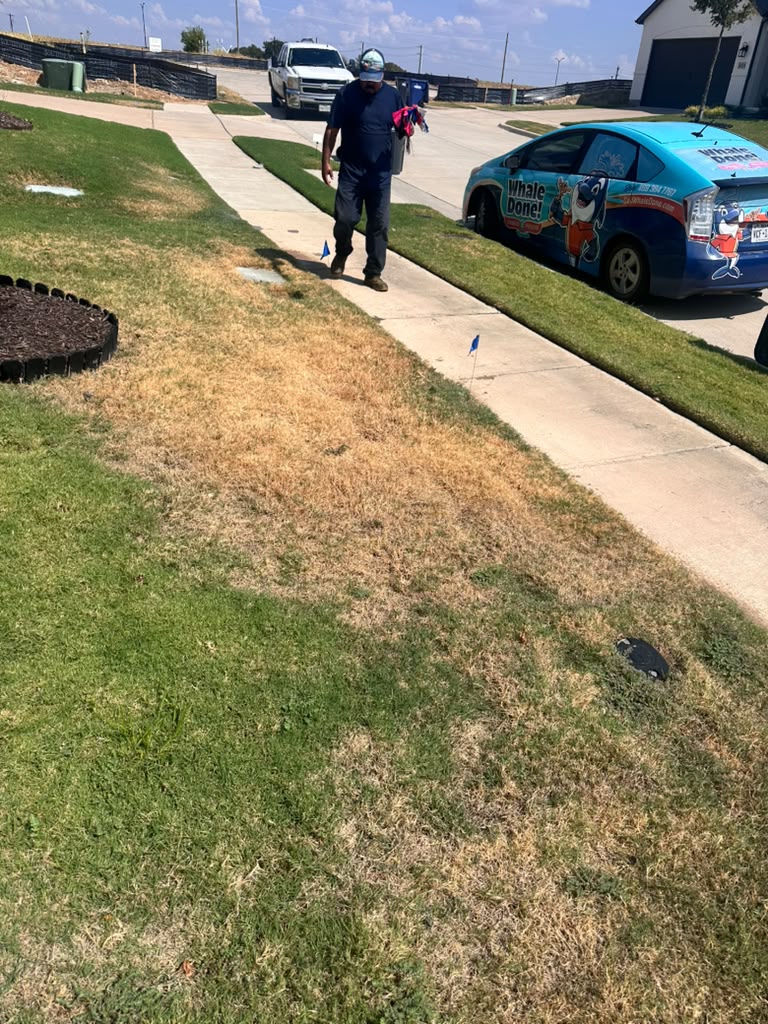
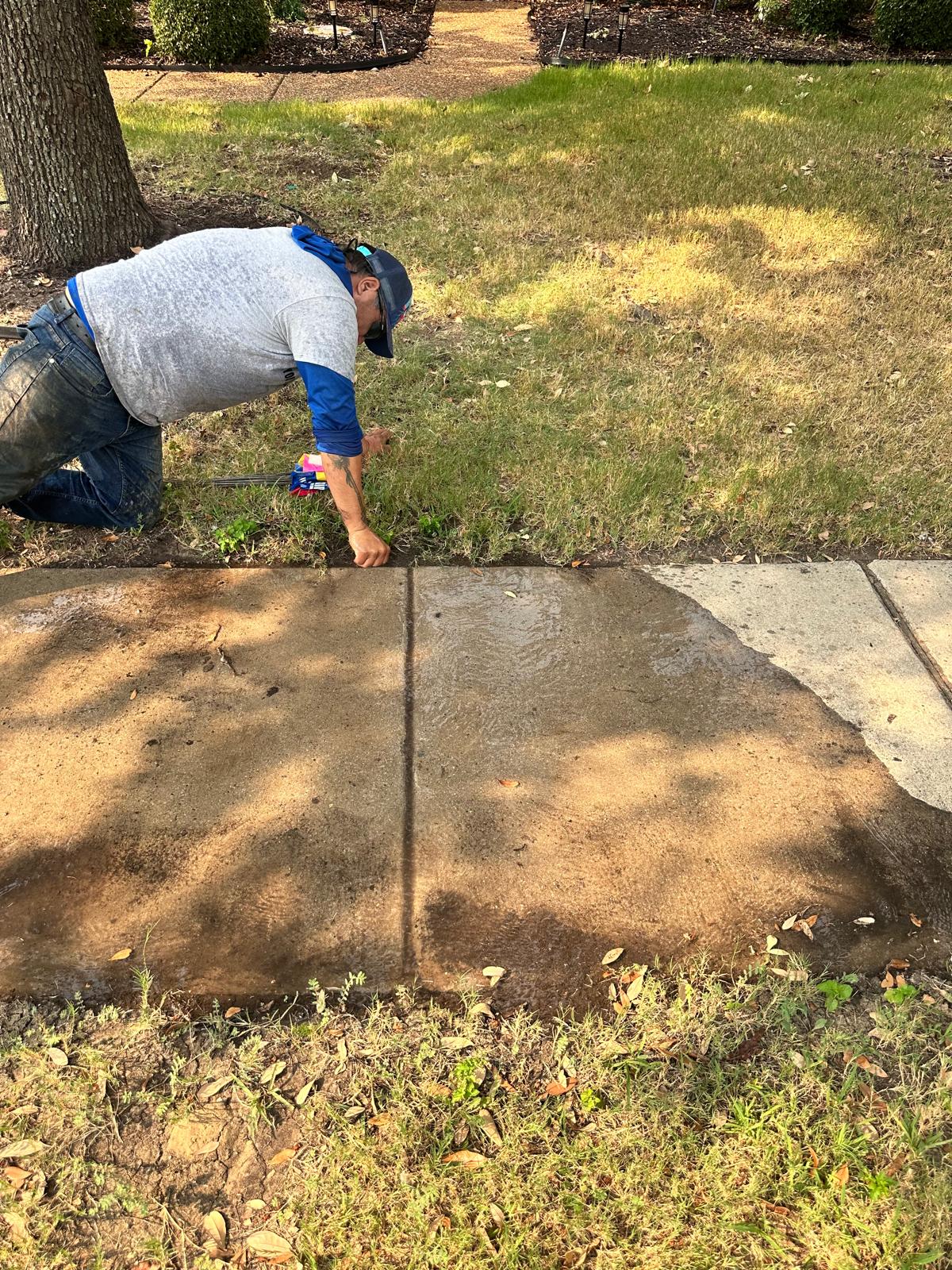
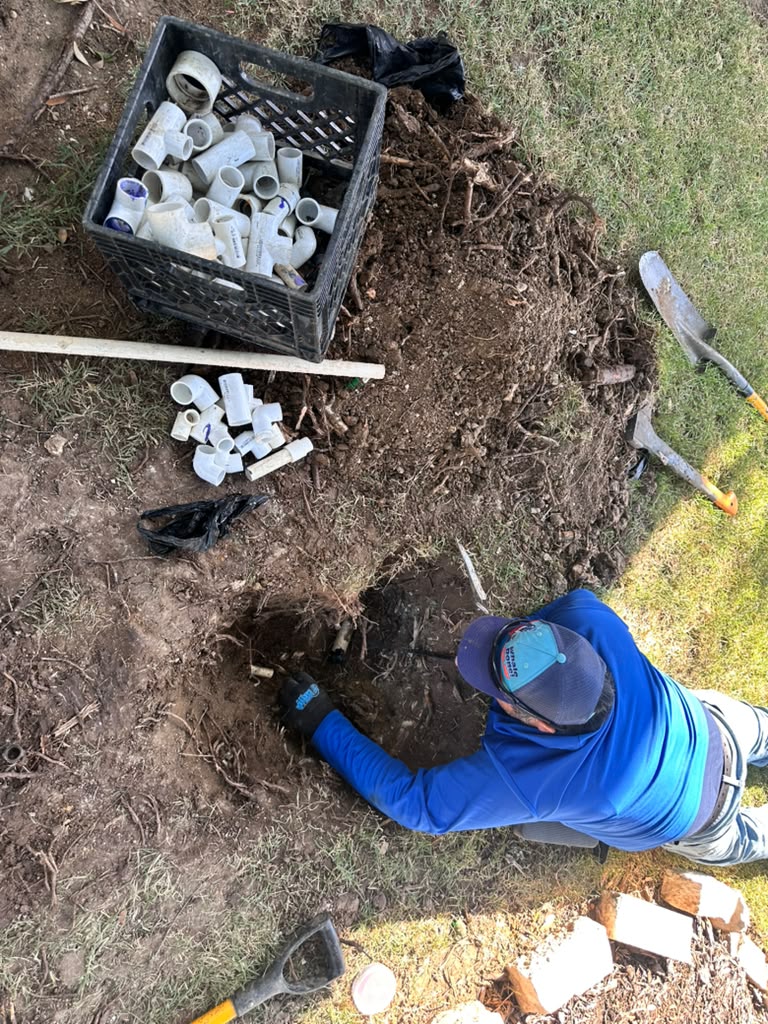
You step outside after a good Texas rain and notice yard flood conditions taking over—where instead of a healthy lawn, you’re staring at a soggy mess. Standing water, soft patches, maybe even a little stream flowing right through your backyard.
If that sounds familiar, you’re not alone.
Yard flooding is one of the most common drainage problems homeowners face in North Texas — especially in cities like McKinney, Frisco, Plano, Allen, and Prosper.
Let’s break down why this happens and how you can fix it for good.
Why Does My Yard Flood Every Time It Rains?
In North Texas, it usually comes down to a few predictable factors:
- Clay-heavy soil that holds water instead of absorbing it
- Poor slope or low spots in the yard
- Downspouts dumping water too close to the foundation
- No drainage system to move water where it needs to go
Over time, these issues cause water to collect in puddles or pools that don’t go away on their own. That standing water? It’s more than just annoying — it can kill your grass, attract mosquitoes, erode your soil, or even threaten your foundation.
How to Fix Yard Flooding (Real Solutions That Work)
✅ 1. Install a French Drain System
This is the most effective long-term fix for chronic yard flooding.
A French drain is a trench filled with gravel and a perforated pipe that sits underground. It helps prevent yard flood issues by collecting excess surface and subsurface water, then redirecting it safely away from your yard, foundation, and landscaping to reduce pooling, erosion, and long-term water damage.
In simple terms: it gives the water somewhere to go — before it floods your lawn.
Most French drain installs in Collin County cost $50–$100 per linear foot, depending on the design, access, and depth.
✅ 2. Regrade or Re-level Problem Areas
Sometimes your yard needs a bit of reshaping to function the way it should. If there are flat or low spots around your property, regrading can help redirect water so it naturally flows away from your home’s foundation. Proper grading reduces the risk of standing water, soil erosion, and moisture-related damage.
However, grading alone often isn’t enough to handle heavy or prolonged rainfall. When storms hit, excess water still needs a clear path to drain. That’s why regrading is frequently paired with French drains. Together, they manage surface runoff and subsurface water, providing long-term protection and keeping your yard dry, stable, and usable year-round.
✅ 3. Extend Downspouts & Gutters
If your gutters are discharging water too close to your home, they may actually be contributing to water problems rather than preventing them. When downspouts release water right next to the foundation, it can seep into the soil near your house, increasing the risk of basement flooding, foundation damage, or soil erosion.
To protect your home, downspouts should extend at least 5–10 feet away from the foundation. Even better, they can be connected to a drain line that directs water to a curb, storm drain, or a designated drainage area. Properly managed runoff safeguards your home’s structural integrity and prevents long-term water damage.
✅ 4. Add Catch Basins or Surface Drains
For flat areas where water tends to puddle, installing catch basins can be highly effective. These small, discreet collection buckets sit flush with the lawn, capturing excess rainwater and directing it into underground pipes. This prevents standing water, protects your landscape, and helps maintain a healthy, well-drained yard.
They’re especially useful in:
- Patios that flood
- Lawn areas that stay soggy
- Side yards between homes
How Do I Know If I Need Drainage Help?
Here are some signs it’s time to bring in a drainage expert:
- Water stands in your yard for hours or days after it rains: After a heavy rainfall, water lingers in low areas of your yard for hours or even days, creating muddy patches, attracting pests, and preventing your lawn from properly absorbing moisture.
- You see erosion, soggy patches, or dead grass: Noticeable soil erosion, persistent soggy patches, and areas of dead or thinning grass are clear signs that your yard’s drainage is failing, leaving the landscape vulnerable to long-term damage.
- Rainwater flows toward your house or patio: Instead of draining naturally, rainwater may flow directly toward your home, patio, or walkways, increasing the risk of foundation problems, water damage, and unsafe, slippery surfaces around your property.
- DIY fixes haven’t worked — or have made things worse: Attempts at simple DIY drainage solutions, such as digging shallow trenches or installing pipes incorrectly, often fail or exacerbate the problem, leaving water pooling, muddy areas, and ongoing frustration in your yard.
The North Texas Drainage Reality
In Collin County and the surrounding areas, it’s common to experience a week or more of hard freeze and heavy rain during the winter months. These weather conditions can create serious challenges for homeowners, especially in areas with clay-heavy soils and dense residential development. When water has nowhere to go, it tends to pool on the surface, saturating lawns, garden beds, and even creeping toward foundations.
Proper yard drainage is therefore much more than a simple landscaping concern—it’s a critical element of property protection. By giving water a controlled path to flow away from your home, you can prevent damage to your lawn, plants, and foundation while also avoiding costly repairs down the line.
✅ The Bottom Line:
If your yard floods after heavy rain, it’s not something you should simply “live with.” Installing a French drain or creating a custom drainage plan can protect your home, prevent water damage, and restore your lawn to a healthy, vibrant state.
📌 Bonus: What NOT to Do
- Don’t just throw down mulch or gravel — it doesn’t fix the problem
- Don’t assume the builder “did it right” — most don’t add real drainage
- Don’t wait until your grass dies or your foundation cracks
If you’re seeing signs of flooding in your yard, now’s the time to look at a real solution. Drainage problems don’t fix themselves — but they can be fixed the right way.
Conclusion
If your yard flood problems persist, it’s time to take action with professional drainage solutions. From French drains to regrading and proper downspout management, the right approach protects your lawn, landscaping, and home foundation.
For expert help in North Texas, contact Whale Done Sprinklers & Irrigation. Their team can assess your property, design a custom drainage plan, and implement long-lasting solutions. Call +1 (469) 384-7767 or email clientsupport@callwhaledone.com.