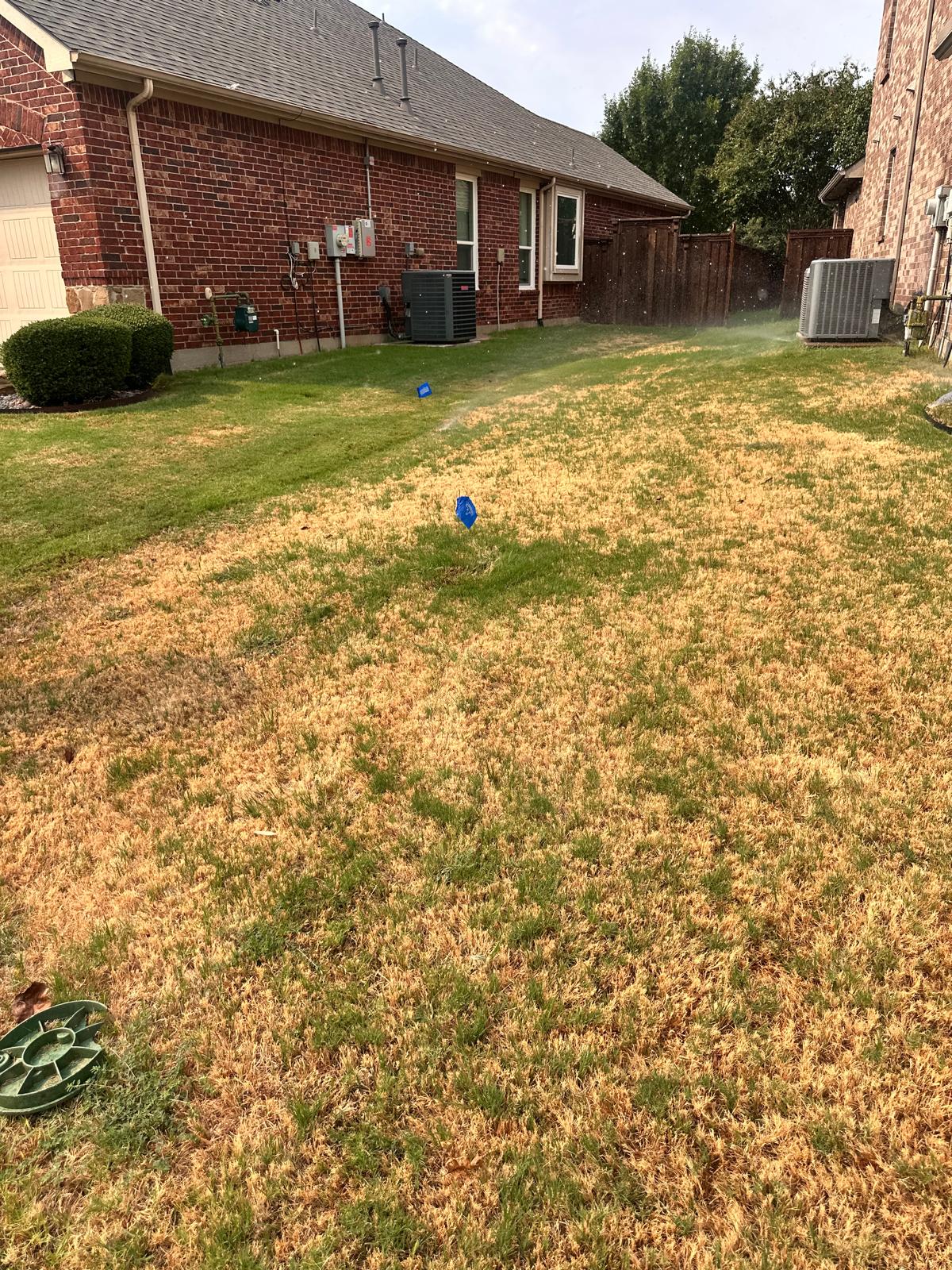
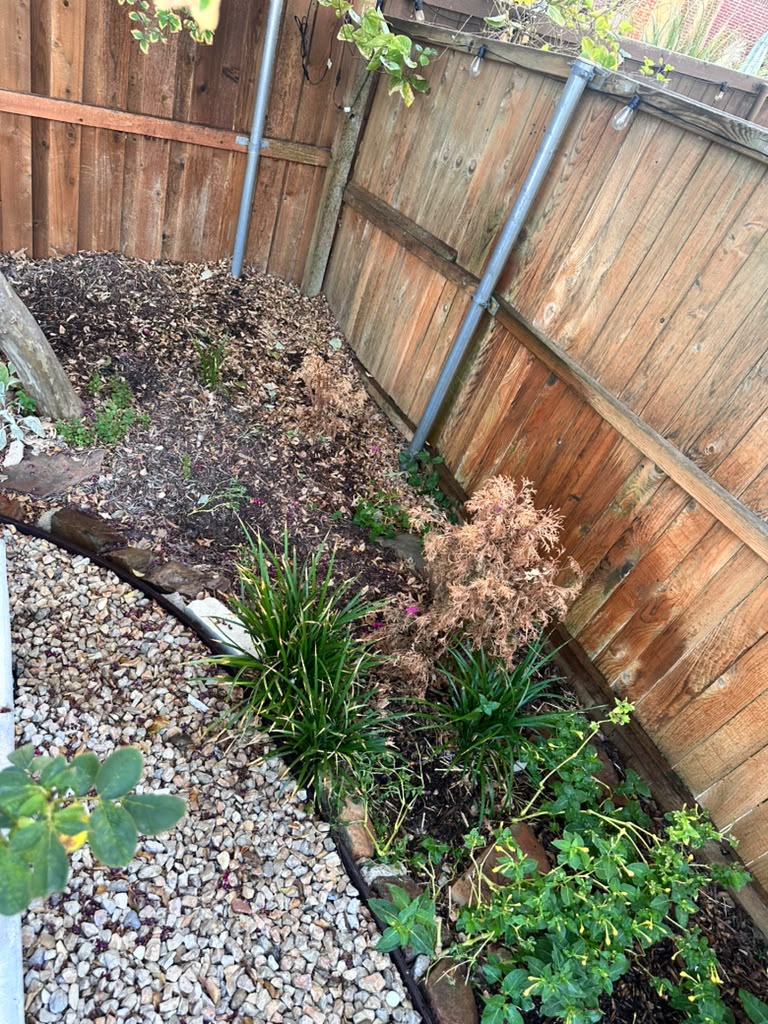
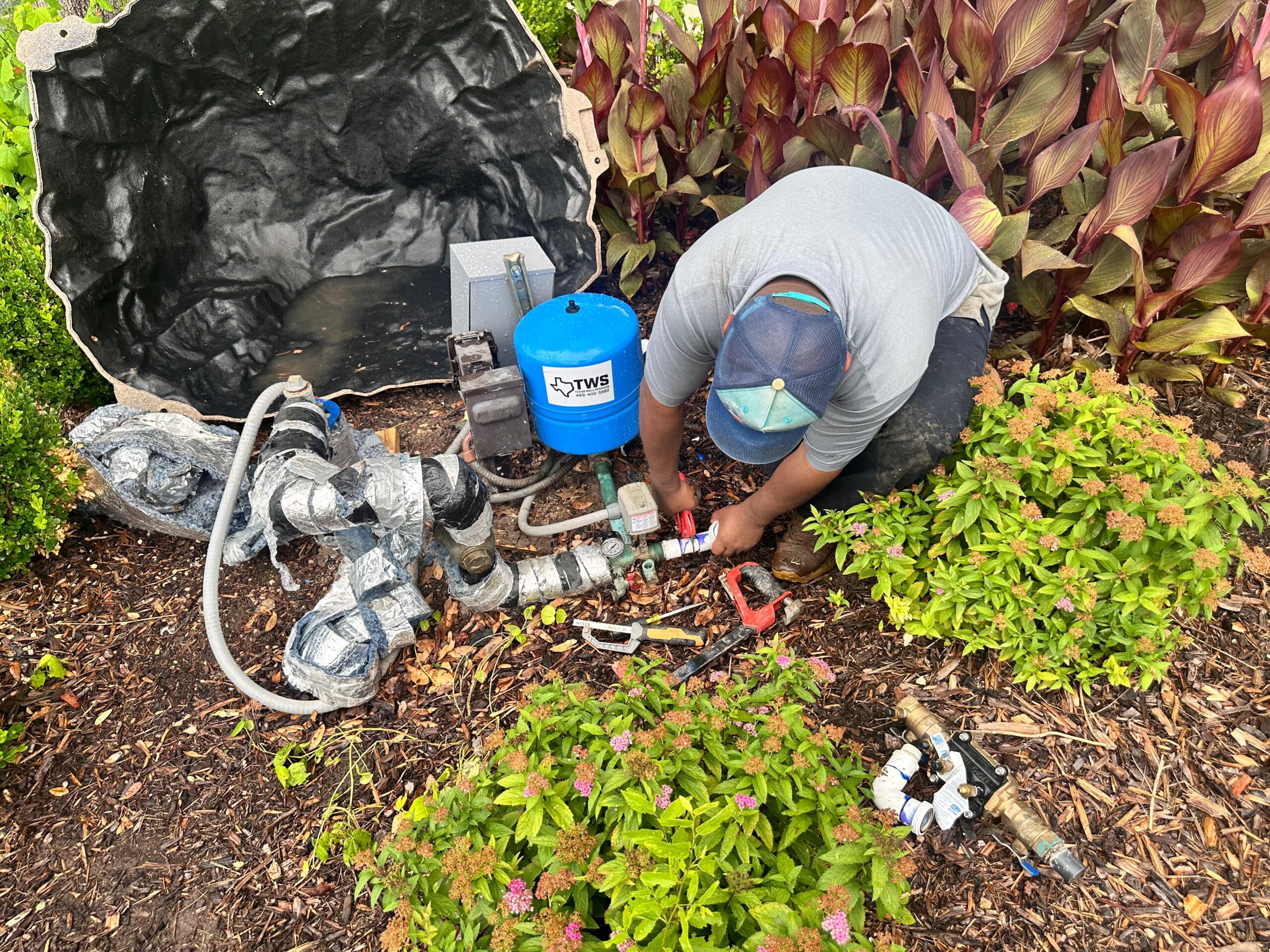
A drip irrigation system in Fairview TX is one of the most effective ways to maintain healthy lawns, gardens, and landscapes while reducing unnecessary water waste. Homeowners and property managers in Fairview are increasingly choosing drip irrigation because it delivers water directly to plant roots with precision and consistency. Unlike traditional sprinkler systems that may overspray or lose water through evaporation, drip irrigation helps landscapes thrive while using water more responsibly.
Fairview’s climate can create challenges for maintaining vibrant outdoor spaces throughout the year. Long periods of heat, changing rainfall patterns, and soil conditions often make proper watering difficult. A professionally designed drip irrigation system provides targeted hydration that supports plant growth and improves overall landscape health. Whether you own a residential property or commercial space, investing in efficient irrigation can make a noticeable difference in both appearance and maintenance costs.
Understanding How Drip Irrigation Works
Drip irrigation is a low-pressure watering system designed to release water slowly and directly into the soil near plant roots. Instead of spraying large areas, the system uses tubing, emitters, and valves to distribute controlled amounts of water exactly where it is needed.
This method minimizes runoff and evaporation while ensuring plants receive consistent moisture. The result is healthier vegetation, improved soil conditions, and more efficient water usage. Many property owners prefer drip systems because they can be customized for flower beds, gardens, shrubs, trees, and even lawns.
Modern irrigation technology also allows systems to integrate with timers and smart controllers. These features make it easier to manage watering schedules based on weather conditions and seasonal needs. Resources from the Environmental Protection Agency explain how water-efficient irrigation practices help conserve resources while supporting healthy landscapes.
Why Fairview Homeowners Choose Drip Irrigation
Many homeowners in Fairview are looking for practical ways to reduce water consumption without sacrificing curb appeal. Drip irrigation systems offer several important benefits that traditional watering methods often cannot match.
Water Conservation
One of the biggest advantages of drip irrigation is its efficiency. Water is delivered directly to the root zone, reducing waste caused by wind, overspray, and evaporation. This targeted approach can significantly lower water usage compared to conventional sprinklers.
Healthier Plants
Plants thrive when they receive consistent moisture levels. Overwatering and underwatering can stress vegetation and lead to disease or root problems. Drip systems provide balanced hydration that encourages stronger roots and healthier growth.
Reduced Weed Growth
Because water is applied only where needed, surrounding soil areas remain relatively dry. This helps limit weed growth and reduces competition for nutrients and moisture.
Lower Maintenance Requirements
Traditional sprinklers often require frequent adjustments and repairs. Drip systems generally experience less wear and tear because they operate at lower pressure and deliver water more gently.
Improved Soil Stability
Heavy watering can lead to soil erosion and runoff. Drip irrigation applies water gradually, allowing soil to absorb moisture more effectively while maintaining structural stability.
Ideal Areas for Drip Irrigation Installation
Drip irrigation systems are highly versatile and can be used in many types of landscapes throughout Fairview.
Flower Beds
Flower beds benefit greatly from controlled watering. Delicate blooms and ornamental plants receive the moisture they need without excess water pooling around stems or leaves.
Vegetable Gardens
Vegetable gardens require consistent watering for healthy production. Drip irrigation delivers nutrients and moisture directly to plant roots while minimizing fungal diseases caused by wet foliage.
Trees and Shrubs
Trees and shrubs often need deep watering to establish strong root systems. Drip systems allow slow saturation that supports long-term growth and stability.
Sloped Landscapes
Sloped properties can experience runoff with traditional sprinklers. Drip irrigation reduces water loss by applying moisture gradually and evenly.
Commercial Landscaping
Businesses and commercial properties use drip systems to maintain attractive landscapes while controlling utility expenses and reducing water waste.
The Importance of Professional System Design
A properly designed drip irrigation system is essential for achieving long-term efficiency and performance. Every landscape has unique watering requirements based on soil type, plant selection, sunlight exposure, and property layout.
Professional irrigation specialists evaluate these factors before designing a customized system. Proper planning ensures even water distribution, reliable pressure levels, and optimal emitter placement.
Incorrect installation can lead to uneven watering, clogged lines, and reduced system efficiency. That is why many property owners rely on experienced professionals who understand irrigation best practices and local environmental conditions.
The Irrigation Association provides valuable information about irrigation standards, water management, and landscape efficiency practices used by industry professionals.
Smart Irrigation Technology for Modern Landscapes
Technology has transformed the way irrigation systems operate. Smart controllers and automated scheduling features allow property owners to improve efficiency while reducing manual adjustments.
Weather-Based Controllers
Smart controllers monitor weather conditions and adjust watering schedules automatically. If rainfall occurs, the system can reduce or pause irrigation to prevent overwatering.
Mobile App Integration
Many modern systems can be managed through smartphone applications. This allows users to monitor watering schedules, adjust settings remotely, and receive maintenance alerts.
Moisture Sensors
Soil moisture sensors help determine when watering is actually needed. This prevents unnecessary irrigation and promotes healthier soil conditions.
Seasonal Adjustments
Automatic seasonal programming ensures landscapes receive appropriate watering levels during changing temperatures throughout the year.
These advancements make drip irrigation systems even more practical and efficient for homeowners seeking convenient landscape management solutions.
Common Problems Drip Irrigation Helps Prevent
Landscapes often suffer from watering-related issues that can become expensive if ignored. Drip irrigation systems help reduce several common problems associated with inefficient watering.
Overwatering
Excessive watering can damage plant roots, encourage mold growth, and create standing water issues. Drip systems provide measured hydration that minimizes these risks.
Dry Spots
Traditional sprinklers may not distribute water evenly across a property. Drip irrigation targets specific areas for consistent moisture delivery.
Soil Erosion
Heavy water flow can wash away soil and mulch. Drip irrigation prevents erosion by releasing water slowly and steadily.
High Water Bills
Inefficient watering methods can increase monthly utility expenses. Drip irrigation helps reduce unnecessary water usage and improve cost efficiency.
Plant Disease
Wet leaves and standing moisture often contribute to fungal diseases. Drip irrigation keeps foliage drier while focusing water at the root level.
Information from the Texas A&M AgriLife Extension Service highlights the importance of efficient watering practices for maintaining healthier landscapes in Texas climates.
Seasonal Irrigation Considerations in Fairview
Fairview experiences seasonal weather variations that can affect watering needs throughout the year. Understanding these changes is important for maintaining landscape health and irrigation efficiency.
Spring Preparation
Spring is an ideal time to inspect irrigation systems, clean filters, and check emitters for proper operation. Plants begin active growth during this season and require consistent moisture.
Summer Water Management
High temperatures increase evaporation and plant stress. Drip irrigation systems provide reliable hydration while minimizing water loss during hot summer months.
Fall Adjustments
As temperatures cool, watering schedules may need to be reduced. Smart irrigation systems can automatically adapt to seasonal conditions.
Winter Protection
Although winters in Fairview are generally mild, occasional freezing temperatures may occur. Proper winterization helps protect irrigation components from damage.
Routine seasonal maintenance keeps systems operating efficiently and extends their lifespan.
Signs Your Landscape May Need Drip Irrigation
Some properties show clear signs that current watering methods are not meeting landscape needs. Recognizing these indicators early can help prevent costly repairs or plant loss.
Uneven Plant Growth
Areas receiving inconsistent water may develop patchy growth patterns or discoloration.
Frequent Runoff
Pooling water or runoff suggests that irrigation methods may be inefficient or excessive.
High Water Usage
Unexpected increases in water bills can indicate wasteful watering practices.
Dry Soil Areas
Certain zones may not receive enough water with traditional sprinklers, especially in larger landscapes.
Declining Plant Health
Wilting plants, yellow leaves, or root issues often result from improper watering techniques.
A professionally installed drip irrigation system can address these problems while improving overall landscape appearance and efficiency.
Maintenance Tips for Long-Lasting Performance
Like any irrigation setup, drip systems require regular care to maintain reliable performance. Routine inspections and maintenance help prevent clogs, leaks, and pressure issues.
Inspect Emitters Regularly
Emitters should be checked periodically to ensure water is flowing correctly and evenly.
Clean Filters
Filters help prevent debris from entering irrigation lines. Cleaning them regularly improves system reliability.
Monitor Water Pressure
Maintaining proper pressure levels protects tubing and ensures efficient water distribution.
Check for Leaks
Small leaks can waste water and reduce system efficiency. Prompt repairs help avoid larger issues later.
Adjust Seasonal Settings
Watering schedules should be updated throughout the year to match changing landscape needs.
The WaterSense Program offers additional guidance for maintaining efficient outdoor irrigation systems and conserving water effectively.
Environmental Benefits of Drip Irrigation
Efficient irrigation practices contribute to broader environmental sustainability efforts. Drip irrigation systems help conserve water resources while supporting healthier ecosystems.
Reduced water waste decreases strain on local water supplies and supports responsible resource management. Lower runoff levels also help minimize soil erosion and reduce the movement of fertilizers into nearby drainage systems.
By improving watering precision, drip irrigation promotes healthier plants that can better withstand drought conditions and environmental stress. These systems align with growing efforts to create sustainable and environmentally conscious landscapes..
Conclusion
Installing a drip irrigation system in Fairview TX is a smart investment for homeowners and businesses seeking healthier landscapes, improved water efficiency, and lower maintenance demands. With proper design, professional installation, and regular maintenance, drip irrigation systems provide reliable watering solutions that support long-term landscape success.
For expert assistance with irrigation solutions, contact Whale Done Sprinklers & Irrigation.
Phone: +1(469) 384-7767
Email: clientsupport@callwhaledone.com