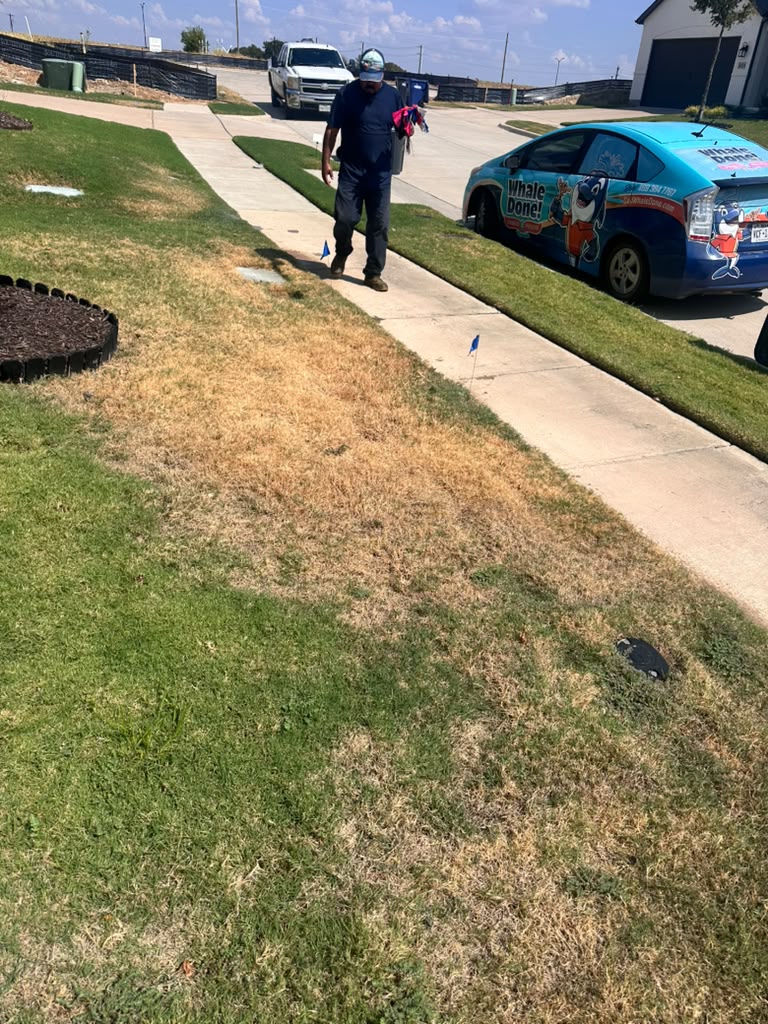
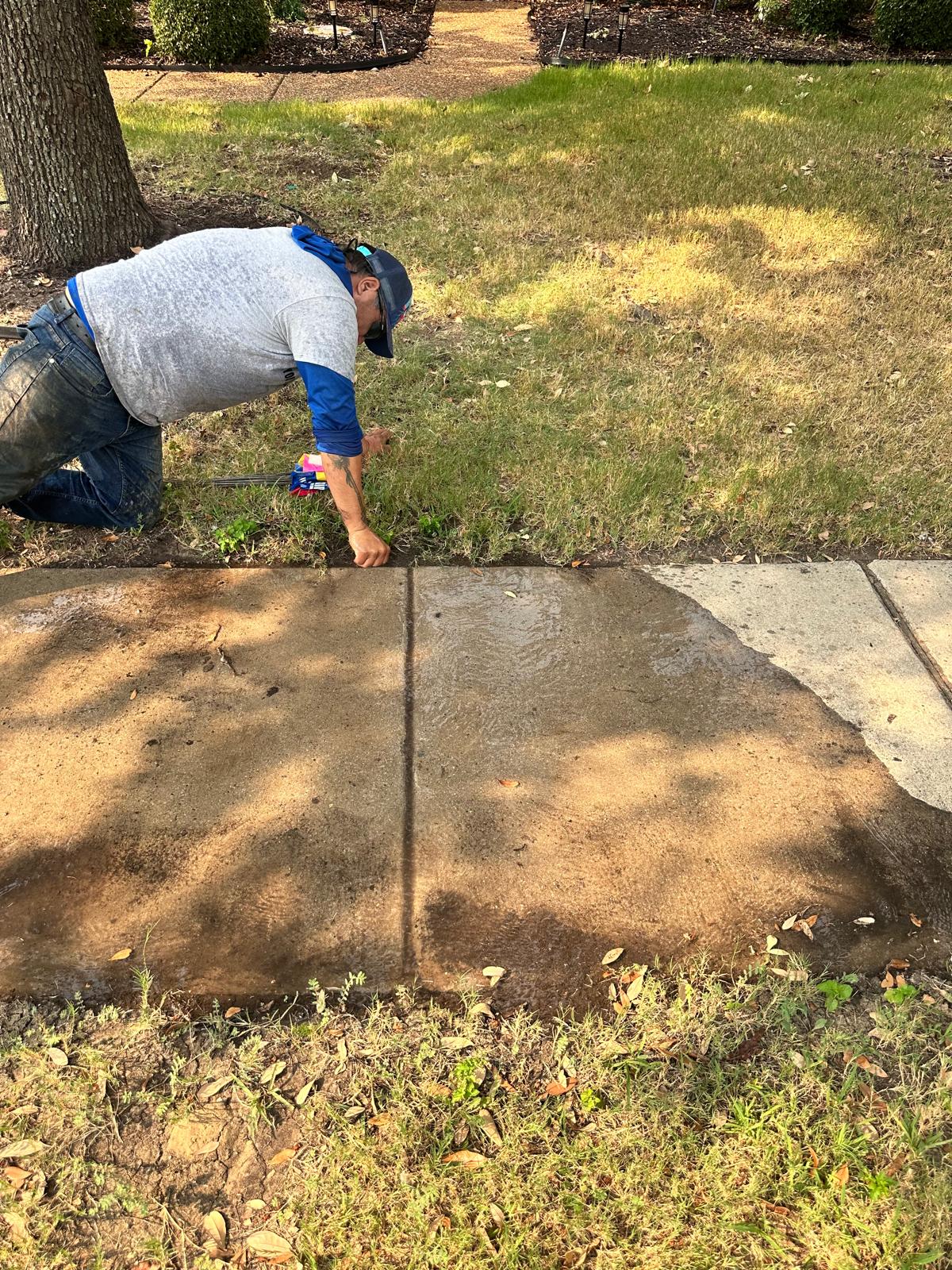
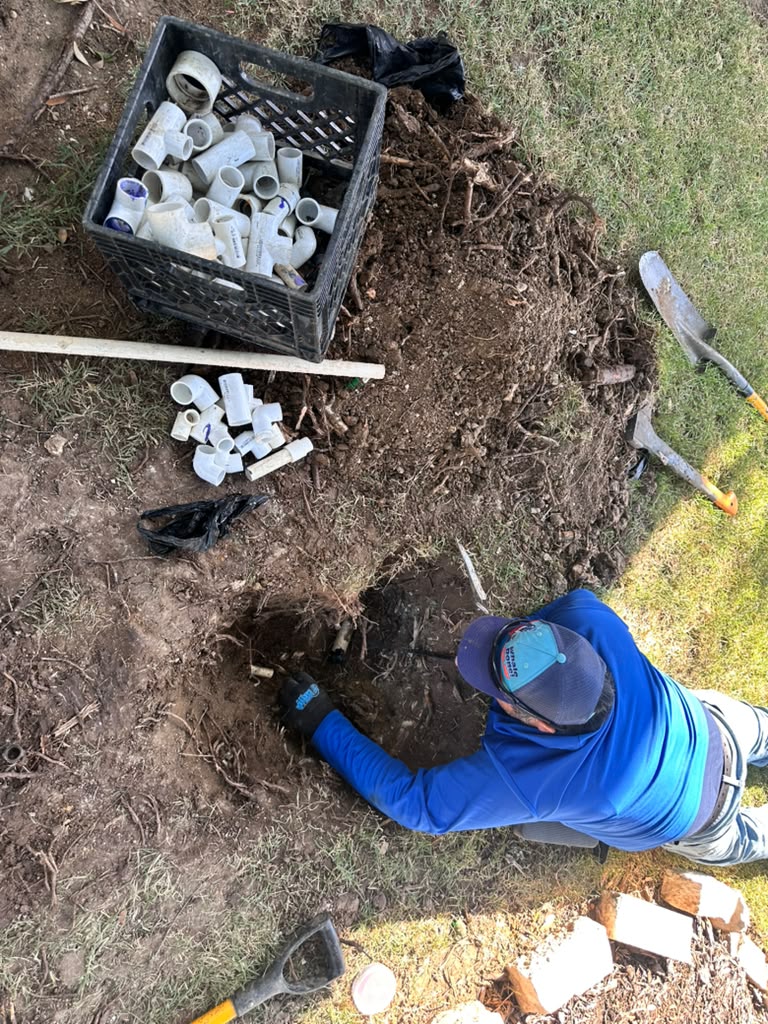
Sprinkler winterization in Little Elm TX is an essential service that prepares your irrigation system for colder months, safeguarding pipes, valves, and components from the damaging effects of freezing temperatures. When done correctly, winterization can dramatically reduce the risk of burst lines, avoid costly repairs, and ensure your system is ready for spring operation.
In this comprehensive guide, we’ll cover everything homeowners and property managers need to know about sprinkler winterization—why it matters, how it’s done, the timing that’s right for Little Elm, and tips to maximize your investment. Whether you’re considering professional help or planning a DIY approach, the right knowledge will keep your lawn irrigation system protected throughout the winter.
Why Winterization Matters in Little Elm, TX
Even in Texas, where winters are milder compared to northern states, sudden cold snaps and brief freezes are not uncommon. These abrupt temperature drops can pose serious risks to irrigation lines that still contain water.
When water inside your sprinkler system freezes, it expands. That expansion can crack PVC pipes, damage sprinkler heads, and compromise valves or backflow prevention devices—leading to expensive repairs and disruptions in your irrigation schedule.
Without proper winterization, the consequences often remain hidden until spring when the system is turned on and water begins flowing again. Cracks or leaks may then become obvious only after extensive damage has occurred.
Proper planning and seasonal maintenance can prevent these issues and protect your investment in lawn care and irrigation.
When to Perform Sprinkler Winterization
Timing is crucial for winterizing your sprinkler system. In North Texas, including Little Elm, property owners should aim to winterize before the first hard freeze—typically in late October or early November. LawnSense Texas
A hard freeze is defined as temperatures at or below 28°F sustained for several hours, which can cause trapped water in the system to freeze and expand.
Carefully monitoring local weather forecasts helps you plan the winterization process so it’s completed after the last regular watering but ahead of freezing conditions.
Step‑by‑Step Sprinkler Winterization Process
Whether you’re doing it yourself or hiring professionals, understanding the key steps in winterization will help ensure the job is done right.
1. Turn Off the Water Supply
Begin by shutting off the sprinkler system’s main water supply to prevent any new water from entering the lines. If your system has a backflow preventer, this should also be turned off. The Sprinkler Doctor
Internal Link: For a seasonal maintenance checklist, read our Sprinkler System Maintenance Tips.
2. Drain Water from Pipes
Water left in your irrigation lines is the main culprit behind freeze damage. There are a few ways to remove this water:
- Manual Drain Valves: Open each drain valve to allow water to exit. The Sprinkler Doctor
- Automatic Drains: Some systems have builtin drains that will automatically release water when pressure drops.
- Blowout Method: The most thorough method uses compressed air to push water out of pipes and sprinkler heads. This is typically done by professionals to ensure even hard‑to‑reach spots are cleared.
3. Insulate Exposed Components
After the system is drained, any above‑ground parts like backflow preventers, valves, or exposed piping should be wrapped with insulation. This is especially critical where temperatures are unpredictable.
Internal Link: Discover Backflow Prevention Best Practices for year‑round protection.
4. Adjust the Controller
Set your sprinkler controller to “winter mode” or turn it off entirely to prevent accidental watering and unnecessary power use during the off‑season.
5. Final Check
Walk through your yard and double‑check for remaining water, leaks, or soft spots in the ground. Any water left in low spots can freeze even if the main pipes are drained at LawnSense Texas.
DIY vs. Professional Winterization
DIY Winterization
Homeowners with modest irrigation systems might choose a DIY winterization. Manual draining, insulating above‑ground components, and adjusting controllers are tasks many can handle with basic tools and guidance. However, the blowout method often requires a powerful compressor and specific know-how.
Pro DIY winterization can save money, but improper execution may leave residual water and increase the risk of damage.
Internal Link: Read our guide on DIY Sprinkler Winterization Tips to learn how to manage the process safely.
Professional Services
Hiring a professional ensures your sprinkler system is winterized thoroughly and efficiently. Experts will:
- Perform a proper blowout using high‑pressure compressed air to remove residual water. HomeGuide
- Insulate and protect critical components, including valves and backflow preventers. Inspect the entire system for issues that could require attention in spring.
Outbound Link: Want a professional checklist? Check an irrigation company’s sprinkler winterization guide.
Common Mistakes to Avoid
Even with the best intentions, a few common errors can compromise winterization:
Skipping the Blowout
Relying solely on draining without using compressed air can leave water trapped in low or hard‑to‑reach areas, increasing freeze risk. Fixr
Neglecting Above‑Ground Parts
Backflow preventers and exposed valves are especially vulnerable. Not insulating these can still lead to costly damage with LawnSense Texas.
Not Watching the Weather
Delaying winterization until after the first hard freeze often results in damage that could have been prevented with earlier action.
Benefits of Sprinkler Winterization
Investing in sprinkler winterization in Little Elm TX offers numerous advantages:
Reduced Repair Costs
The cost to winterize your sprinkler system is minor compared to the potential expense of repairing burst pipes or damaged components in spring. HomeGuide
Outbound Link: Compare winterization costs with typical sprinkler system winterization pricing to understand value.
Longer System Lifespan
Removing water and protecting components from freeze damage prolongs the life of pipes, heads, and valves, saving money on premature replacements.
Hassle‑Free Spring Startup
A properly winterized system makes it much easier to activate irrigation in spring—without surprises or last‑minute emergency repairs. Texas Sprinkler Pros
Peace of Mind
Seasonal changes in Texas can be unpredictable. Winterization gives you the confidence that your irrigation works when you need it and endures when you don’t.
Local Considerations for Little Elm Homeowners
Little Elm, located in North Texas near Lewisville Lake, experiences weather patterns typical of the Dallas‑Fort Worth metroplex, including occasional chilly nights and the potential for brief, hard freezes. This means:
- You can’t ignore winterization even if winters feel mild. LawnSense Texas
- Insulating above‑ground parts is extremely important, even if you choose not to blow out the entire system.
- Winterization timing should be based on weather forecasts rather than specific calendar dates.
Internal Link: Learn how Texas Weather Affects Irrigation Systems and what to expect throughout the seasons.
Winterization and Water Conservation
Proper sprinkler winterization also contributes to water conservation. Winter settings and adjustments to the controller help ensure your sprinkler system doesn’t operate unnecessarily during colder months, reducing water waste and saving on utility costs.
Additionally, preventing leaks and burst pipes helps conserve water that would otherwise be lost due to system failure.
Conclusion
Sprinkler winterization in Little Elm TX is not just a routine seasonal task—it’s a critical part of home maintenance that protects your sprinkler system investment and prevents costly repairs caused by freezing damage. From shutting off the water supply and draining pipes to insulating key components and adjusting controllers, each step plays a role in safeguarding your irrigation system.
Choosing professional help can make the process smoother and more reliable, while DIY winterization still requires careful planning and execution. Regardless of the approach you take, preparing your system before the first hard freeze is vital for the long‑term health of your lawn and irrigation infrastructure.
For dependable service and expert care, consider reaching out to Whale Done Sprinklers & Irrigation. They can help ensure your system is properly winterized and ready for every season.
📞 Phone: +1 (469) 384‑7767
✉️ Email: clientsupport@callwhaledone.com