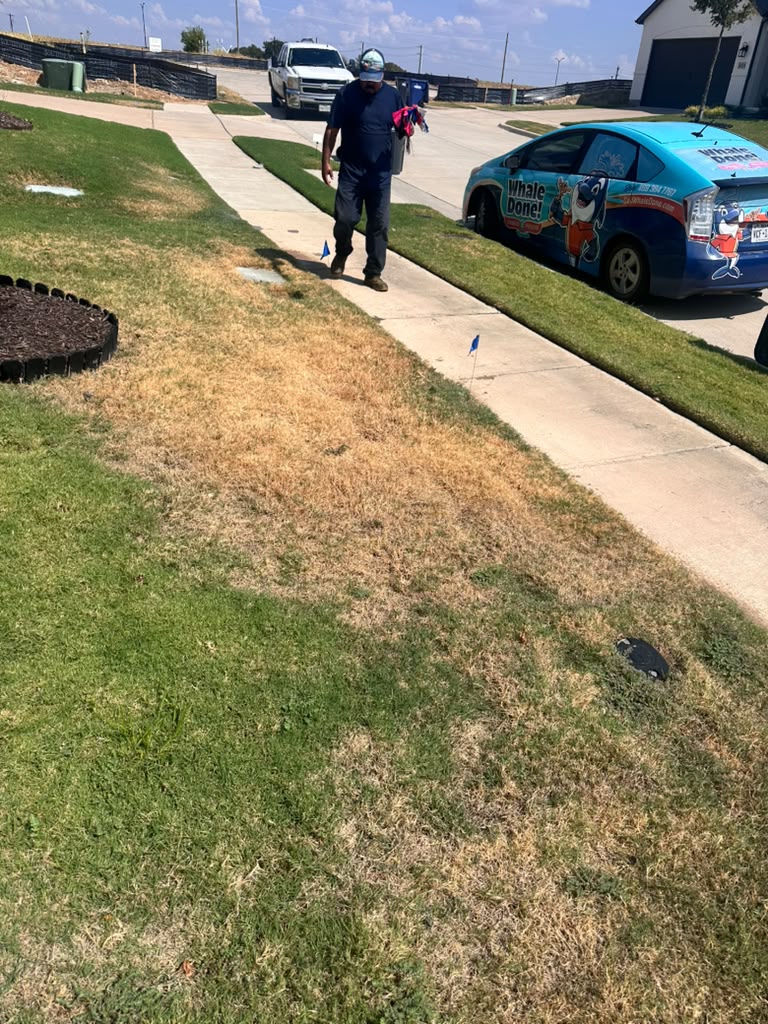
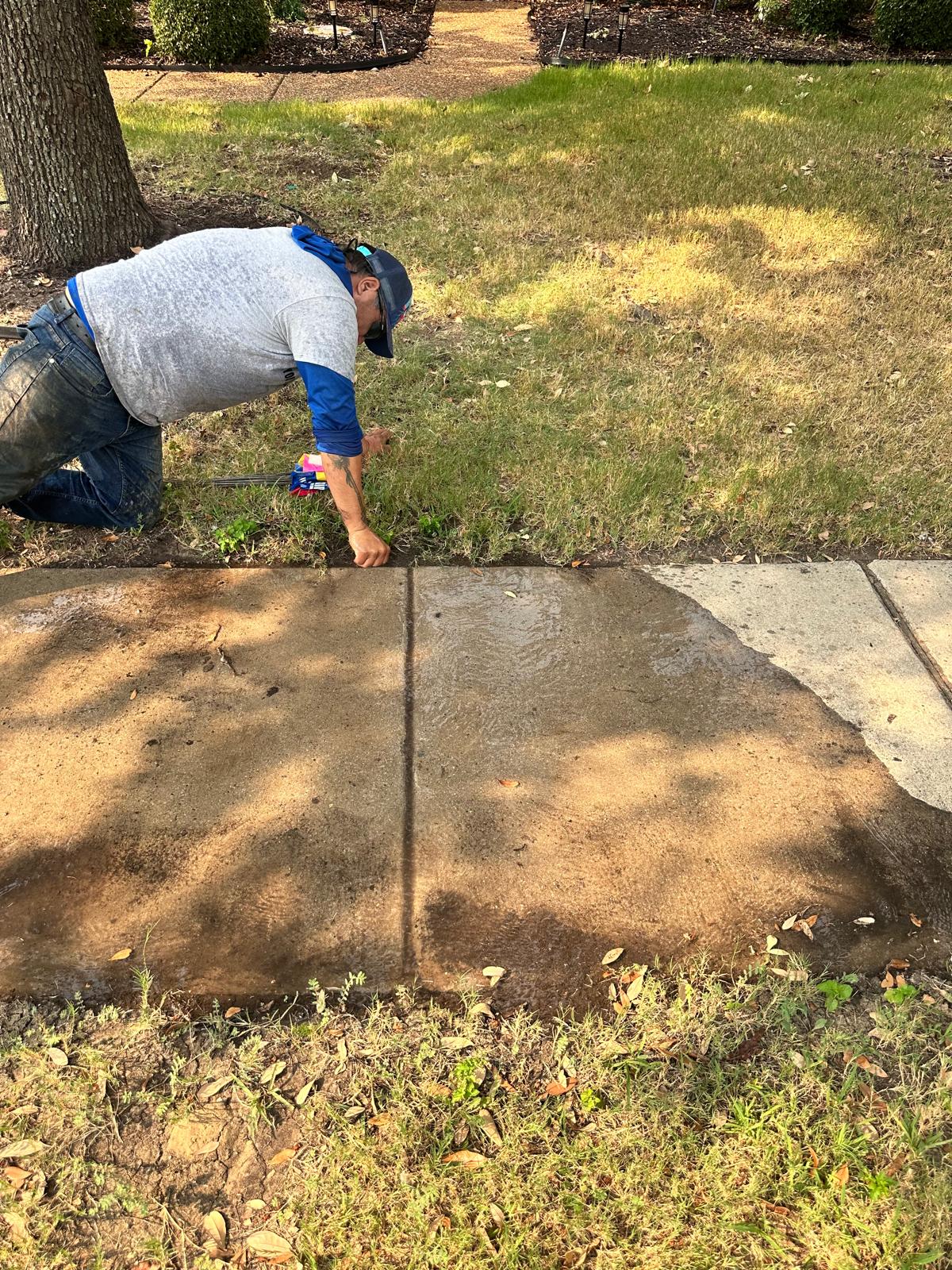
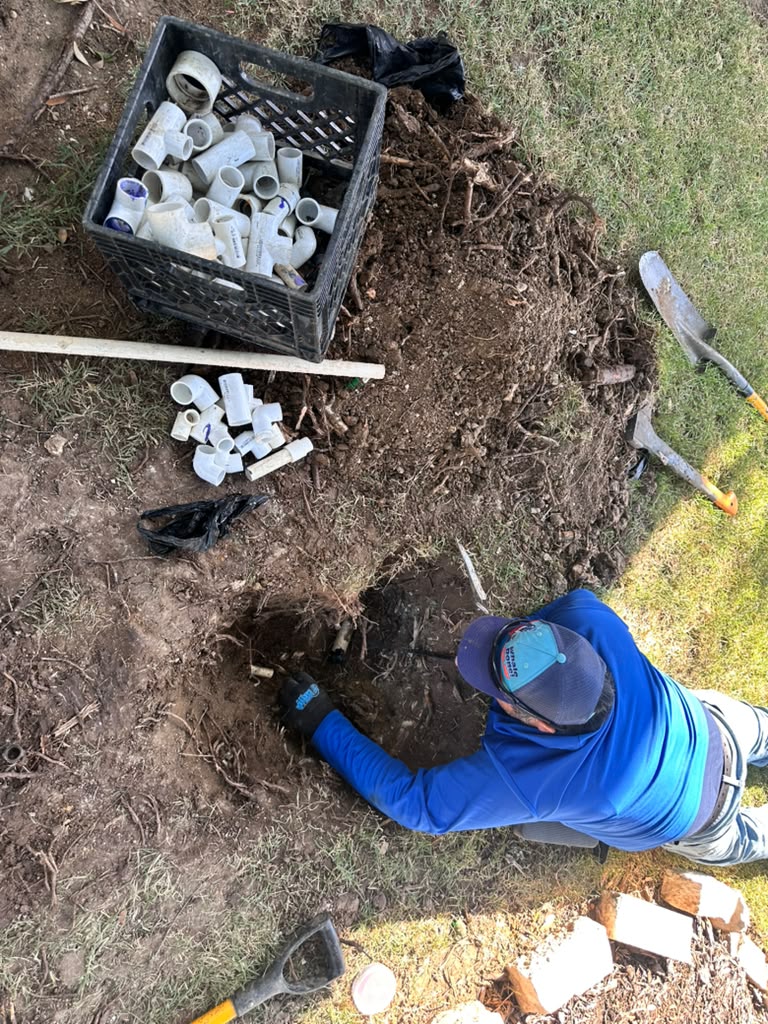
Sprinkler winterization in Plano TX is essential for protecting your irrigation system from freezing temperatures, and the same proven approach used for sprinkler winterization in Anna TX applies to Plano’s seasonal climate challenges. While North Texas winters are often unpredictable, a single hard freeze can cause severe and costly damage to unprotected sprinkler pipes, valves, and backflow devices. Preparing your system properly before winter arrives is one of the smartest investments you can make in your home’s landscape infrastructure.
Plano homeowners experience fluctuating fall and winter temperatures that can dip below freezing with little warning. Without winterization, trapped water inside pipes expands when frozen, leading to cracked PVC lines, damaged sprinkler heads, and malfunctioning valves. This guide explains why winterization matters, how the process works, when to schedule it, and what benefits it provides—so you can confidently protect your irrigation system year after year.
Understanding Plano’s Winter Climate and Its Impact on Sprinkler Systems
Plano’s climate is characterized by mild autumns followed by sudden cold fronts. These abrupt temperature drops are especially harmful to irrigation systems because water may remain in underground lines even after regular watering has stopped. According to seasonal guidance from the National Weather Service, North Texas freeze events can occur earlier or later than expected, increasing the risk of unprepared systems.
Unlike regions with consistent winter cold, Plano’s on-and-off freezing patterns cause repeated expansion and contraction inside pipes. Over time, this weakens fittings and joints, making them prone to failure when temperatures plunge. Proper winterization eliminates this risk by removing residual water and securing sensitive components.
What Is Sprinkler Winterization?
Sprinkler winterization is the process of shutting down and clearing your irrigation system so it can safely withstand freezing temperatures. This typically includes:
- Turning off the water supply to the system
- Draining water from pipes, valves, and sprinkler heads
- Protecting exposed components such as backflow preventers
- Adjusting controllers for winter or off-season mode
Many professionals use a compressed air blowout method to ensure all water is removed from underground lines. This step is crucial because gravity draining alone often leaves pockets of water behind.
For homeowners interested in best practices, resources like the EPA WaterSense irrigation guide provide helpful insights into efficient system management during seasonal changes.
Why Sprinkler Winterization in Plano TX Is So Important
Prevents Costly Freeze Damage
One cracked pipe can lead to hundreds—or even thousands—of dollars in repairs. Winterization prevents internal pressure buildup caused by freezing water.
Extends System Lifespan
Regular seasonal care reduces wear and tear on components, helping your sprinkler system last longer and operate more efficiently.
Ensures a Smooth Spring Startup
A winterized system is far less likely to experience leaks, uneven watering, or valve failures when it’s time to restart in spring.
Protects Landscaping Investments
Healthy lawns and gardens depend on a fully functional irrigation system. Avoiding winter damage means your landscape stays protected year-round.
The Best Time to Winterize a Sprinkler System in Plano
Timing is critical when planning sprinkler winterization in Plano TX, as completing the service at the right moment helps protect your system without disrupting necessary fall watering. Winterization should be done before the first hard freeze, when temperatures drop low enough to cause standing water inside pipes to expand and crack components. However, performing the process too early can leave your lawn without irrigation during warm autumn days, potentially stressing grass and plants.
In most years, the ideal timeframe for winterization in Plano typically falls between late October and mid-November, though weather patterns can vary. Homeowners are encouraged to monitor local forecasts closely and review city-issued advisories. The City of Plano Water Conservation page often shares seasonal updates on irrigation usage and recommended shutoff periods, making it a reliable planning resource.
Step-by-Step Overview of the Winterization Process
1. Shut Off the Main Water Supply
The irrigation shutoff valve is typically located near the home’s foundation or in a valve box. Turning this off prevents new water from entering the system.
2. Turn Off the Controller
Set the irrigation controller to “off” or “rain mode.” This preserves programmed settings while ensuring the system does not activate during winter.
For homeowners upgrading equipment, modern smart irrigation controllers offer seasonal adjustment features that simplify winter shutdowns.
3. Drain or Blow Out the System
Professional winterization usually involves compressed air to push water out of each zone. This ensures no moisture remains that could freeze and expand.
4. Protect Above-Ground Components
Backflow preventers, exposed pipes, and valves should be insulated or drained completely. These components are especially vulnerable to cold air.
DIY vs. Professional Sprinkler Winterization
Some homeowners attempt DIY winterization, but there are important considerations:
DIY Risks
- Household air compressors may not provide consistent pressure
- Excess pressure can damage pipes and sprinkler heads
- Incomplete water removal can still lead to freezing damage
Professional Benefits
- Commercial-grade equipment ensures safe air pressure
- Technicians understand system layouts and zone sequencing
- Reduced risk of costly mistakes
Industry organizations like the Irrigation Association recommend professional service for systems with backflow devices or complex layouts.
Common Mistakes to Avoid During Winterization
- Waiting too long: Delaying winterization even by a few days can expose your system to sudden freezing temperatures, causing pipes, valves, and fittings to crack unexpectedly.
- Skipping zones: Each irrigation zone must be cleared separately, as trapped water in any single line can freeze, expand, and damage the entire system.
- Ignoring backflow preventers: Backflow preventers are highly exposed and sensitive to cold, making them one of the first components to freeze, crack, and require costly replacement.
- Assuming mild winters are safe: Even during mild winters, sudden cold snaps are common in Plano, making annual sprinkler winterization essential for consistent system protection.
Avoiding these mistakes ensures your system remains intact and ready for the next watering season.
How Sprinkler Winterization Saves Money Long-Term
While winterization is a seasonal service, it significantly reduces long-term expenses. Repairing freeze-damaged pipes often requires digging up lawns, replacing fittings, and recalibrating zones. By contrast, preventative winterization is a fraction of the cost and helps maintain efficient water usage.
Additionally, a properly maintained system supports water conservation goals outlined by agencies like Texas Water Development Board, benefiting both homeowners and the community.
Preparing for Spring After Winterization
Once your system is winterized, spring startup becomes much easier. When temperatures stabilize:
- Gradually turn the water supply back on
- Check for leaks or damaged heads
- Test each zone for proper coverage
- Reprogram the controller for seasonal watering needs
A system that was properly winterized is far more likely to pass these checks without issue, saving time and frustration.
Conclusion
Sprinkler winterization in Plano TX is a vital step in protecting your irrigation system from freezing damage, extending its lifespan, and ensuring reliable performance when warmer weather returns. With Plano’s unpredictable winter conditions, proactive preparation is the best way to safeguard your investment and avoid unnecessary repair costs.
For homeowners seeking dependable seasonal care, Whale Done Sprinklers & Irrigation provides professional sprinkler winterization services designed to protect pipes, valves, and critical components throughout the winter months.
Phone: +1 (469) 384-7767
Email: clientsupport@callwhaledone.com