If you’re here, it’s probably because you want to keep your sprinkler system working without surprise breakdowns or expensive repairs and you’d rather not wait until something floods, leaks, or leaves your grass crunchy before taking action.
Maybe you’ve already had one of those moments a soggy patch in the yard, a geyser shooting into the air, or a water bill that made you double-check the numbers. Sprinkler problems have a way of showing up at the worst time.
The good news? With a few simple maintenance habits, you can keep your sprinklers running smoothly, save water, and avoid costly emergencies. And here in McKinney, Texas with our clay soil, hot summers, and watering restrictions these habits matter even more.
Why Sprinkler Maintenance Is a Must in McKinney
McKinney’s clay soil holds onto water longer, which means leaks can hide for weeks before you spot them. Our long, hot summers push your system to work overtime, and city watering restrictions mean you can’t afford waste.
A small problem like a tilted sprinkler head doesn’t just waste water. It can:
- Damage your landscaping
- Raise your water bill
- Get you fined for watering outside of allowed hours
Routine checks don’t just protect your yard they give you peace of mind that you’re following city rules and avoiding surprise repairs.
How Often Should You Check Your Sprinkler System in McKinney?
Think of sprinkler checks like oil changes for your car a little attention now saves big problems later.
Spring Start-Up
Run each zone and look for:
- Heads that won’t pop up
- Leaks around the base of heads
- Cracked backflow preventer or valve boxes
Reprogram your controller for the season.
Learn about professional sprinkler system inspections here »
Mid-Summer Check
Look for:
- Mist instead of a steady stream (pressure too high)
- Weak arcs that don’t reach the next head (pressure too low)
- Coverage gaps that leave dry spots
Fall/Winter Prep
Here in McKinney, you don’t always need a full “blowout” like colder states, but:
- Insulate your backflow
- Shut the controller off during freeze warnings
How to Spot Sprinkler Head Problems Before They Cost You
Sprinkler heads can get bumped by mower wheels, pets, or shifting soil.
Watch for:
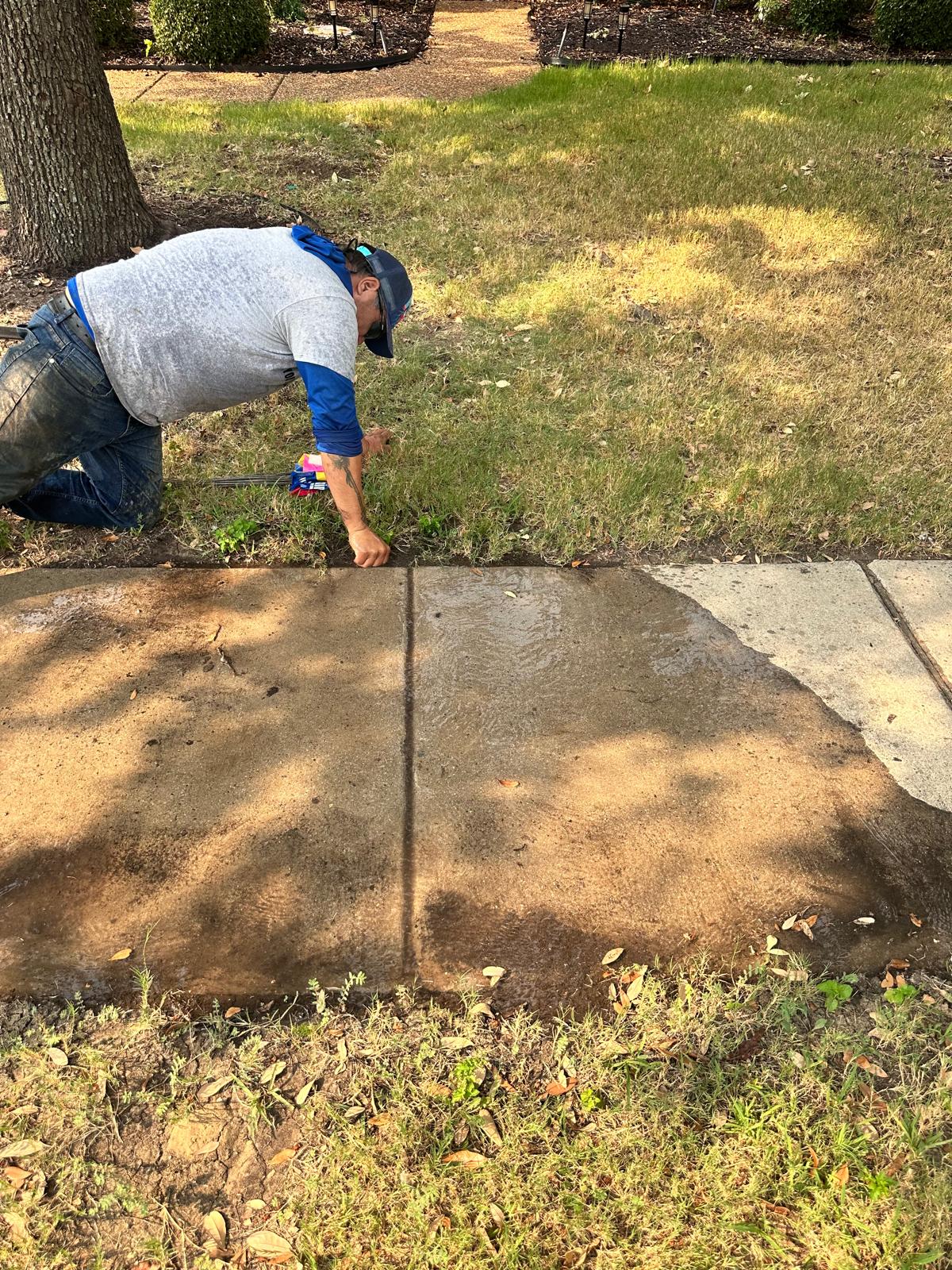
- Water spraying onto sidewalks or driveways
- Heads tilted or sitting too low
- Nozzles clogged with dirt or debris
If you catch these early, they’re usually simple fixes that keep water where it belongs — on your grass. For step-by-step tips, check this University of Texas A&M Extension guide on irrigation best practices.
What’s the Right Water Pressure for Sprinklers?
Too much pressure = mist that blows away in the wind.
Too little pressure = uneven watering and dry patches.
You don’t need a gauge to check:
- Fine mist? Pressure’s too high.
- Weak spray? Pressure’s too low.
If either shows up, it’s worth having a pro make adjustments so you’re not wasting water. You can also reference the Irrigation Association’s guide to water pressure management for professional standards.
Why Your Controller Settings Could Be Costing You Money
Your controller is the brain of your sprinkler system. If it’s still running summer schedules in October, you’re overwatering and wasting money.
Quick fix:
- Adjust for each season
- Follow McKinney’s watering restrictions (twice per week in warmer months)
- Reduce run times during cooler weather
For detailed programming tips, visit the EPA WaterSense irrigation controller resource.
A Quick Way to Check for Hidden Leaks
Hidden leaks can quietly rack up hundreds of dollars in wasted water.
Try this simple test:
- Turn off your sprinkler system.
- Look at your water meter.
- If it’s still spinning, water’s going somewhere it shouldn’t.
For more troubleshooting, see the American Water Works Association’s homeowner leak detection tips.
Don’t Forget Your Backflow Device
Your backflow preventer protects your drinking water from contamination.
Some McKinney neighborhoods like Stonebridge Ranch or Craig Ranch require annual backflow testing. If you get a notice from the city, don’t ignore it. It’s about keeping your water safe.
Schedule your backflow testing with a licensed pro »
When to Call a Pro (and When You Can DIY)
DIY-friendly:
- Adjusting a sprinkler head
- Cleaning out a clogged nozzle
Call a pro:
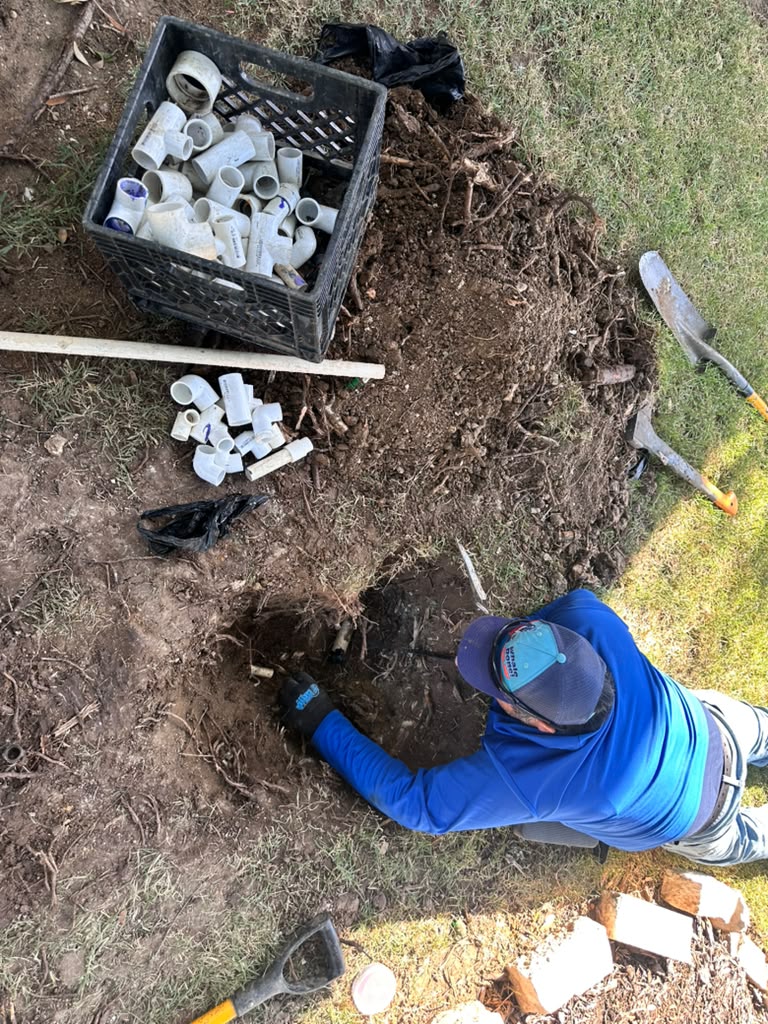
- Digging up valves
- Fixing wiring
- Repairing leaks under the lawn
Trying to tackle the bigger jobs yourself can end up costing more if it’s not done right the first time.
For full-service repairs, check out our sprinkler irrigation services in McKinney or read about which drip irrigation system might be best for your home.
For broader lawn care tips, the Texas SmartScape program offers free, region-specific advice.
The Payoff – Peace of Mind and a Healthy Yard
Routine sprinkler maintenance means fewer surprises, a lower water bill, and a healthier yard. In McKinney’s climate, that’s not just nice it’s necessary.
When you take a little time to keep your sprinklers in shape, you’re not just maintaining your yard you’re protecting your investment and your peace of mind.
FAQ
How often should I check my sprinkler system in McKinney?
At least three times a year spring, mid-summer, and fall plus after big storms or freezes.
What’s the most common sprinkler problem in North Texas?
Misaligned or broken heads that waste water and cause dry spots.
Can I do my own sprinkler maintenance?
Yes, for simple adjustments. Bigger repairs should go to a licensed pro.
Do watering restrictions affect my schedule?
Yes. McKinney enforces seasonal watering rules.
Why does my water bill spike in summer?
It’s often a mix of more watering and undetected leaks or pressure issues.