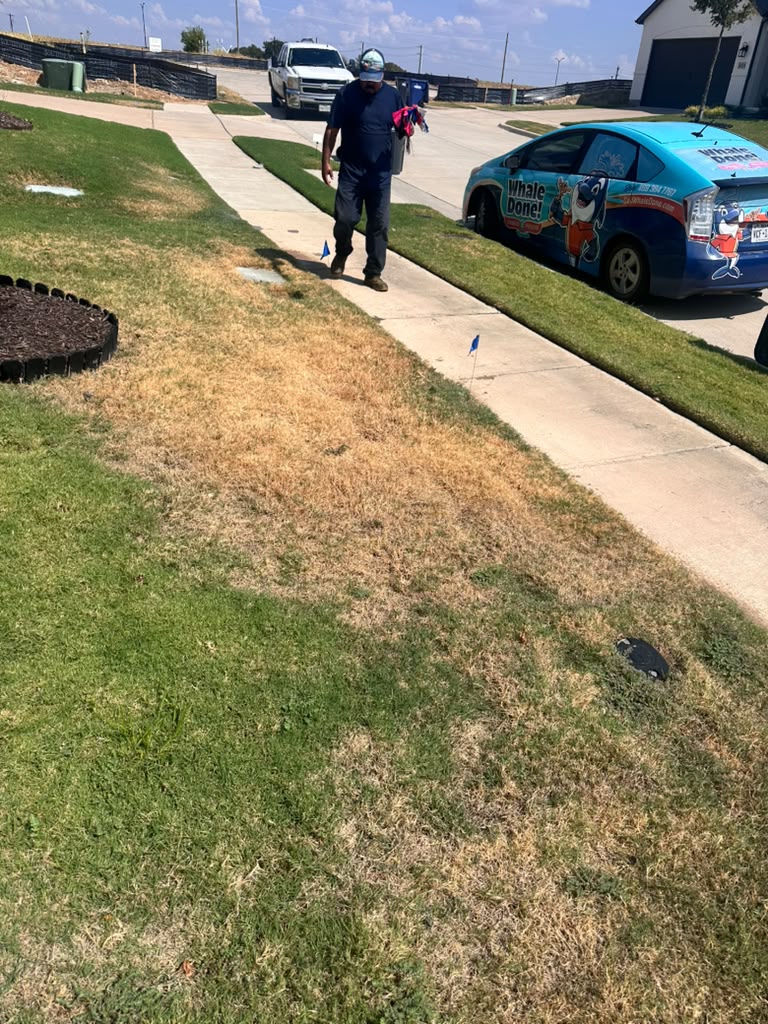
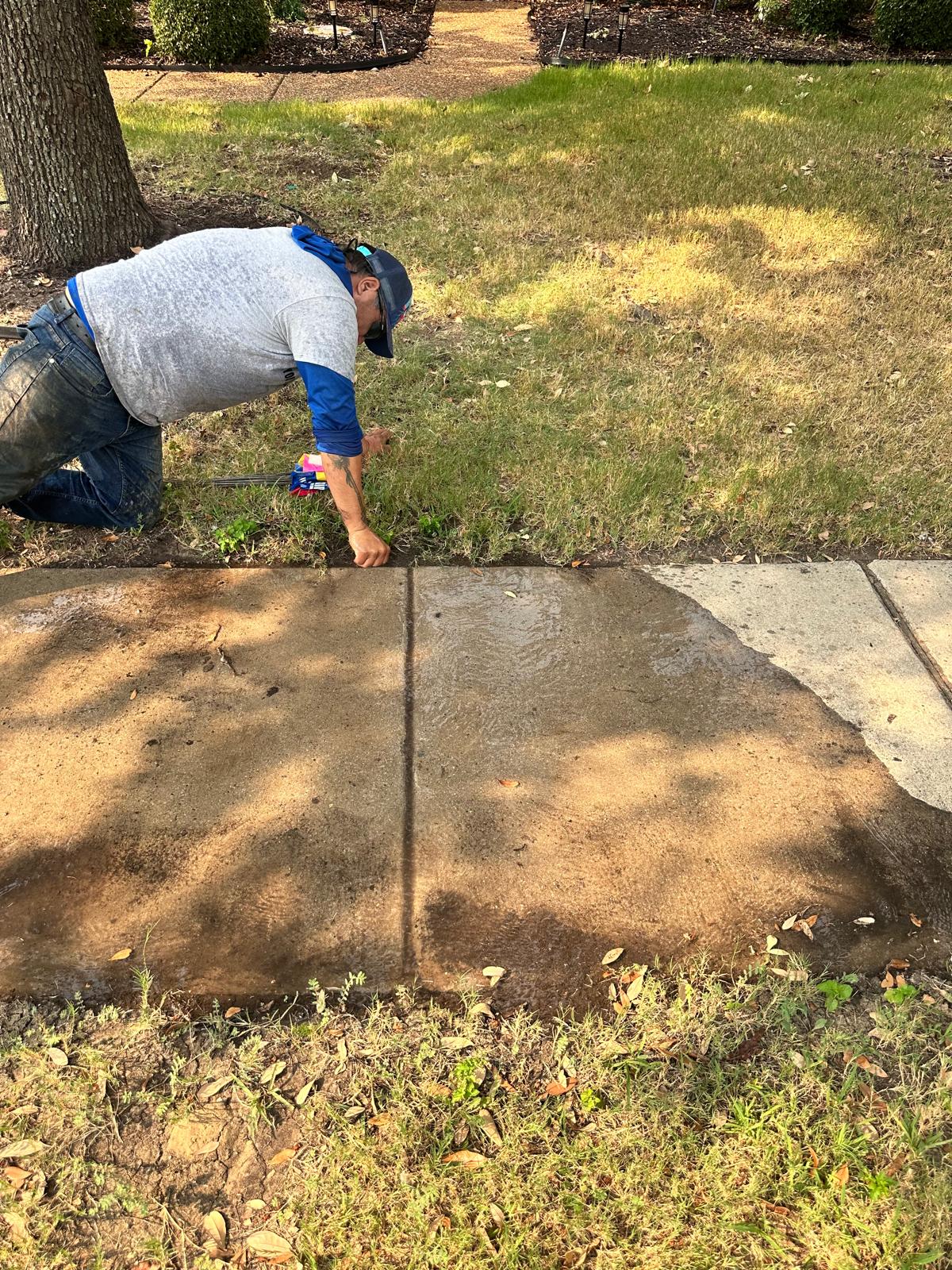
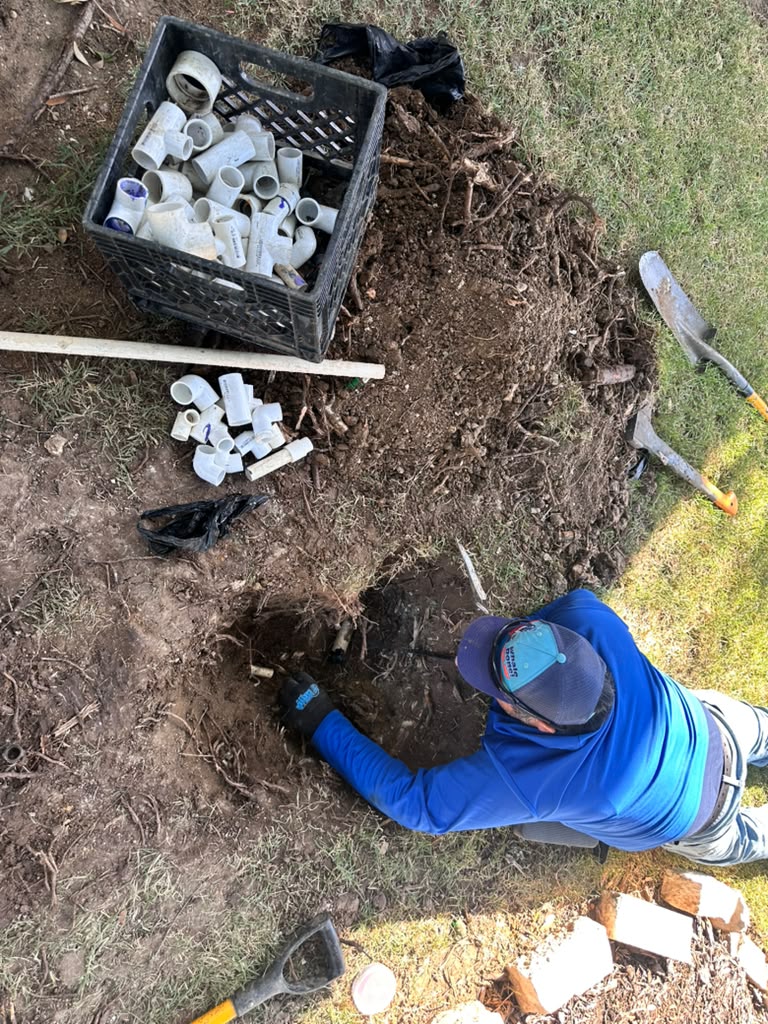
Sprinkler leaks in Little Elm TX are a common but often overlooked issue that can quickly lead to water waste, higher utility bills, and landscape damage if not addressed early. In a growing community like Little Elm TX, where residential lawns and gardens rely heavily on irrigation systems, even small leaks can create significant long-term problems for homeowners.
Understanding why sprinkler leaks happen, how to detect them, and what steps to take for repair can help you maintain a healthy irrigation system while conserving water and protecting your property.
Understanding Sprinkler Systems in Little Elm TX
Sprinkler systems are designed to deliver controlled amounts of water to lawns, gardens, and landscaped areas. In Little Elm TX, where seasonal changes can be unpredictable, these systems play an essential role in keeping vegetation healthy year-round.
A typical irrigation system includes pipes, valves, sprinkler heads, timers, and backflow preventers. When all components function properly, water is distributed evenly across your lawn. However, when even one part fails, sprinkler leaks in Little Elm TX can begin to appear.
Leaks can be underground or visible, and both types require prompt attention to avoid unnecessary water loss and property damage.
Common Causes of Sprinkler Leaks
Sprinkler leaks can occur for several reasons. Understanding the root cause is the first step in resolving the issue effectively.
1. Damaged Pipes
Underground irrigation pipes are constantly exposed to environmental stress, including shifting soil, invasive tree roots, and accidental impacts from digging or landscaping activities. Over time, these conditions can cause cracks, fractures, or pipe separations. Even small pipe damage can lead to water loss, reduced system efficiency, and expensive repairs if ignored.
2. Broken Sprinkler Heads
Sprinkler heads are among the most exposed components of an irrigation system and can easily become damaged by lawn mowers, vehicles, heavy foot traffic, or aging materials. A broken sprinkler head may spray water unevenly, create puddles, or reduce lawn coverage, resulting in wasted water and unhealthy landscaping conditions over time.
3. Loose Connections
Irrigation fittings, joints, and connectors can gradually loosen because of constant water pressure fluctuations, soil movement, or normal system vibration. Even a slightly loose connection may allow water to slowly escape underground without immediate visibility. Addressing loose fittings early helps prevent hidden leaks, water waste, and unnecessary strain on the system.
4. Valve Malfunctions
Control valves play an essential role in regulating water flow throughout an irrigation system. When a valve becomes worn, clogged, or fails to close completely, water may continue flowing even when the system is turned off. This issue can increase water bills, reduce efficiency, and contribute to long-term irrigation damage.
5. High Water Pressure
Excessively high water pressure places constant stress on sprinkler pipes, fittings, valves, and sprinkler heads. Over time, this added pressure can lead to cracks, leaks, broken components, and premature system wear. Maintaining proper water pressure is important for extending irrigation system lifespan and ensuring efficient, consistent watering performance.
For more technical insight into irrigation systems, you can refer to resources like Irrigation Engineering guidelines and general water efficiency principles discussed by EPA WaterSense.
Signs You May Have Sprinkler Leaks
Detecting sprinkler leaks early is essential. Many homeowners in Little Elm TX overlook subtle warning signs until the problem becomes serious.
Unusually High Water Bills
A sudden increase in your monthly water bill without any noticeable change in household usage is often a strong indication of a hidden irrigation leak. Even small leaks can waste significant amounts of water over time, causing higher expenses and unnecessary strain on your sprinkler system.
Soggy or Overwatered Areas
Wet or muddy patches in your lawn, especially when the irrigation system is turned off, may signal an underground leak. Excess moisture can damage grass roots, attract pests, and create unhealthy growing conditions, making it important to inspect and repair the affected sprinkler components promptly.
Weak Water Pressure
If your sprinkler heads are not spraying with their usual strength or coverage, a leak somewhere in the irrigation system could be reducing water pressure. This issue can prevent proper lawn watering, create uneven irrigation, and place additional stress on your sprinkler system over time.
Visible Water Pooling
Standing water near sprinkler heads, valves, or irrigation lines is a clear sign that water may be escaping from the system. Pooling water can lead to soil erosion, damaged landscaping, and wasted water, making early detection and repair essential for maintaining efficient irrigation performance.
Uneven Lawn Growth
Patches of grass that appear overly green, dry, or unhealthy can often result from uneven water distribution caused by irrigation leaks. Some areas may receive too much water while others receive too little, affecting lawn appearance, plant health, and the overall efficiency of your sprinkler system.
Homeowners can also benefit from irrigation best practices promoted by USGS Water Science Center, which provides valuable research on water usage and conservation.
Why Sprinkler Leaks Should Never Be Ignored
Ignoring sprinkler leaks in Little Elm TX can lead to more than just wasted water. Over time, leaks can damage your landscape, weaken soil structure, and even affect nearby foundations.
Water pooling in unwanted areas may encourage mold growth, attract pests, and cause erosion. Additionally, continuous leaks place unnecessary strain on your irrigation system, leading to more expensive repairs later.
Proper maintenance and timely repair are essential for long-term system efficiency.
DIY Steps for Minor Sprinkler Leak Repair
Some minor leaks can be addressed without professional help, especially if the issue is visible and easy to access.
Step 1: Turn Off the System
Always shut off the irrigation system before inspecting or repairing any components.
Step 2: Inspect Sprinkler Heads
Check for cracks, clogs, or misalignment. Replace damaged heads if necessary.
Step 3: Tighten Connections
Loose fittings can often be tightened by hand or with simple tools to stop minor leaks.
Step 4: Flush the System
Debris can sometimes cause blockages, so flushing the system may help restore proper function.
Step 5: Test the System
After repairs, turn the system back on and observe for any remaining leaks.
For safe DIY repair practices, guidelines from American Society of Irrigation Consultants can help ensure proper handling and system care.
When to Call a Professional
While minor issues can be fixed at home, more serious sprinkler leaks in Little Elm TX often require professional attention.
You should contact an expert if:
- Leaks are underground and hard to locate
- Water pressure issues persist after basic repairs
- Multiple sprinkler zones are affected
- Valve or controller problems occur
Professionals use advanced leak detection tools and pressure testing equipment to identify hidden issues quickly and accurately.
Preventing Future Sprinkler Leaks
Preventive maintenance is the best way to avoid recurring irrigation problems.
Schedule Regular Inspections
Inspecting your irrigation system at least twice each year can help identify small leaks, worn components, clogged nozzles, or damaged sprinkler heads before they become major problems. Regular inspections improve system efficiency, reduce water waste, extend equipment lifespan, and help maintain healthy landscaping throughout every season.
Adjust Watering Schedules
Overwatering can place unnecessary strain on your irrigation system and increase water waste. Adjusting your watering schedule based on seasonal temperatures, rainfall, and lawn conditions helps maintain healthy landscaping, conserve water, lower utility costs, and reduce the risk of leaks or system damage over time.
Protect Sprinkler Heads
Sprinkler heads can become damaged by lawn mowers, foot traffic, or landscaping equipment if they are not properly positioned and protected. Keeping heads aligned correctly and clear of obstacles helps prevent cracks, improves water coverage, reduces repair needs, and supports long-term irrigation system performance.
Monitor Water Pressure
High water pressure can strain irrigation pipes, valves, and sprinkler heads, increasing the risk of leaks and premature wear. Installing a pressure regulator when needed helps maintain safe operating levels, improves water efficiency, protects system components, and supports more consistent irrigation performance across your property.
Winterize the System
Even in Texas, sudden cold snaps and freezing temperatures can damage irrigation pipes, valves, and sprinkler heads if systems are not properly winterized. Draining excess water and preparing the system before winter helps prevent cracks, costly repairs, and unexpected irrigation issues when temperatures drop unexpectedly.
These preventive strategies align with conservation principles promoted by EPA WaterSense, which emphasizes efficient water use in residential systems.
Long-Term Benefits of a Leak-Free System
Maintaining a properly functioning irrigation system offers multiple long-term advantages:
- Lower water bills
- Healthier and greener lawns
- Reduced environmental impact
- Longer system lifespan
- Fewer costly repairs
A well-maintained sprinkler system not only enhances curb appeal but also supports sustainable water usage practices, which are increasingly important in growing communities like Little Elm TX.
Conclusion
Sprinkler leaks in Little Elm TX should be addressed quickly to prevent water waste, property damage, and costly repairs. Regular maintenance, early detection, and timely repairs are essential to keeping your irrigation system efficient and reliable.
For professional assistance and dependable irrigation services, Whale Done Sprinklers & Irrigation is available to help homeowners maintain healthy and efficient systems. You can reach them at +1(469) 384-7767 or email clientsupport@callwhaledone.com for expert support with all sprinkler and irrigation needs.