If your sprinkler system suddenly isn’t working, you’re not alone and you’re not overthinking it.
In Collin County and across North Texas, homeowners often pause here because they want to make the right call, not just the fastest one.
If that sounds like you, you’re asking the right question.
The Short Answer
If your sprinkler system is not working, the right call is a professional sprinkler or irrigation company. Modern sprinkler systems are complex and involve underground water lines, electrical wiring, pressure regulation, control valves, timers, and backflow prevention devices. A licensed sprinkler professional has the training and experience to inspect every component of the system, not just the visible issue.
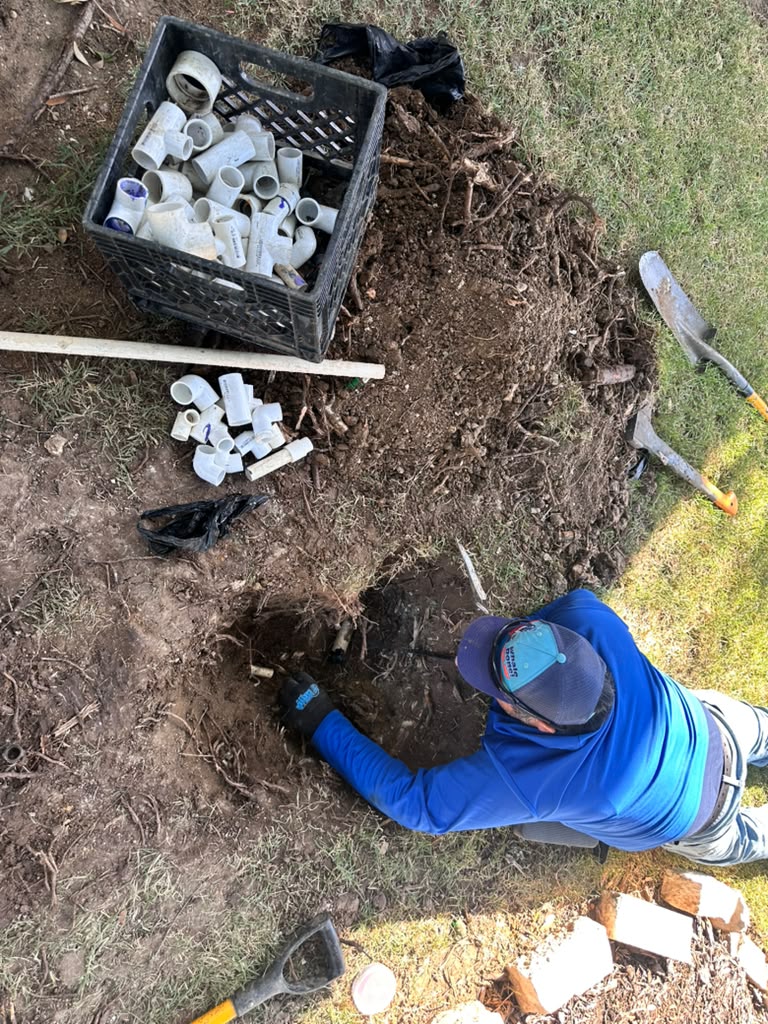
They can accurately diagnose problems such as wiring faults, clogged lines, valve failures, or pressure imbalances. Hiring a professional helps prevent further damage, ensures proper repairs, and restores efficient system performance safely and correctly.
Why Sprinkler Systems in North Texas Are a Specialty
Sprinkler systems in Collin County face conditions that are specific to this region:
- Expansive clay soil that shifts with moisture changes
Clay soil expands when wet and contracts when dry, constantly moving underground pipes, stressing fittings, loosening joints, and increasing the risk of cracks, leaks, and misalignment over time.
- Water pressure that fluctuates by neighborhood and time of day
Municipal water pressure changes based on demand, location, and peak usage hours, causing inconsistent sprinkler performance, uneven coverage, and added strain on valves, pipes, and sprinkler heads.
- Seasonal temperature swings, including sudden freezes
Rapid temperature changes cause pipes and fittings to expand and contract, while sudden freezes can trap water inside lines, leading to cracking, burst pipes, and costly system damage.
- Builder-grade irrigation components in many newer homes
Builder-grade irrigation parts are often lower quality and wear out faster, making systems more vulnerable to leaks, electrical failures, pressure issues, and premature breakdowns without regular maintenance.
A typical sprinkler system includes:
- Underground piping
Underground piping delivers water throughout the sprinkler system, remaining hidden from view while exposed to soil pressure, moisture, and temperature changes that can cause cracks, leaks, or misalignment over time.
- Zone control valves and manifolds
Zone control valves and manifolds regulate water flow to specific areas, opening and closing as scheduled. Wear, debris buildup, or electrical issues can prevent proper operation and cause zone failures.
- Electrical wiring connected to a controller
Electrical wiring connects the controller to valves, transmitting low-voltage signals that activate zones. Damaged insulation, corrosion, or broken wires can interrupt communication and stop sprinklers from operating.
- Sensors, timers, and backflow devices
Sensors, timers, and backflow devices manage scheduling, water conservation, and system safety. Faulty sensors disrupt watering cycles, while damaged backflow preventers risk contamination and code compliance issues.
Because these components work together, diagnosing issues correctly often requires specialized training and licensing tied specifically to irrigation systems.
Why a Plumber Is Usually Not the Right Call
Plumbers are licensed to work on water systems, but sprinkler systems operate very differently from indoor plumbing.
Most plumbers:
- Are not regularly trained on irrigation layouts: Lack consistent training in irrigation layouts, system design, and zoning, which increases the risk of incorrect diagnosis or improper repairs.
- Do not routinely troubleshoot zone wiring or valves: Often lack hands-on experience troubleshooting zone wiring, solenoids, and valves, leading to missed electrical or mechanical system issues.
- Rarely test irrigation pressure across multiple zones: Seldom measure water pressure across multiple zones, which can cause uneven coverage, inefficient watering, and long-term system damage.
In fact, many plumbers prefer not to work on sprinkler systems because irrigation requires a different diagnostic approach and tools.
A plumber may address a visible water issue, but without irrigation-specific experience, the root cause is often left unresolved.
Are Landscapers or Handymen Qualified to Repair Sprinkler Systems?
Landscapers and handymen are often familiar with surface-level sprinkler components, such as heads or basic adjustments. However, they are typically not licensed to perform system-level irrigation repairs.
Work involving:
- valves
- wiring
- underground piping
- pressure regulation
- backflow protection
is generally intended to be handled by licensed sprinkler professionals.
Without proper licensing or system-wide diagnostics, repairs may temporarily improve performance but can lead to recurring issues or hidden damage later.
Why Experience and Licensing Matter Together
Sprinkler systems aren’t just about water — they’re about:
How pressure behaves
Water pressure fluctuates throughout the system depending on demand, elevation, pipe size, and valve operation. Excessive pressure can cause leaks, cracked fittings, or misting heads, while low pressure leads to uneven coverage, weak spray patterns, and zones failing to activate properly.
How electrical signals control valves
Electrical signals from the controller send low-voltage current through wiring to solenoid valves. When energized, the solenoid opens the valve, allowing water flow to a specific zone. Wiring damage, corrosion, or faulty solenoids can interrupt signals and prevent valves from opening or closing correctly.
How soil movement stresses connections over time
Soil naturally expands, contracts, and shifts due to moisture changes, temperature fluctuations, and ground settling. Over time, this movement places stress on buried pipes and fittings, causing joints to loosen, crack, or separate, eventually leading to leaks and reduced system reliability.
A licensed sprinkler professional is trained not only to repair parts, but to understand how local conditions in North Texas affect long-term system performance.
That combination is what prevents repeat problems.
What a Professional Sprinkler Company Does Differently
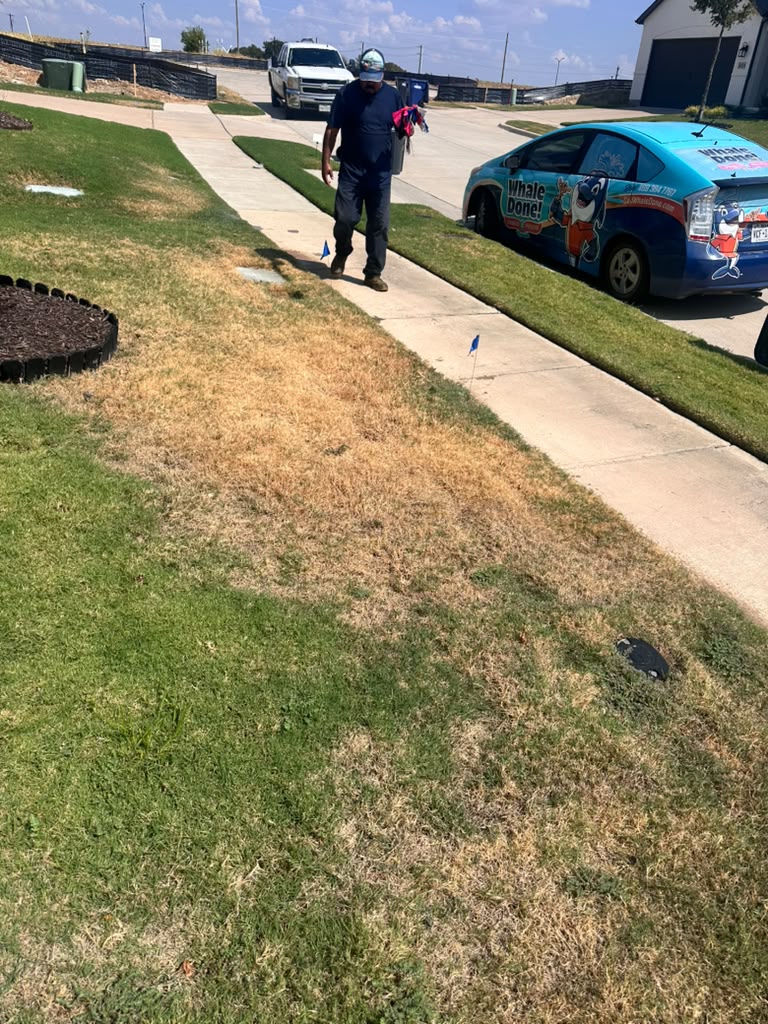
A professional sprinkler company serving Collin County will typically:
- Run and test every zone
- Walk the property while the system operates
- Inspect valves, wiring, and pressure behavior
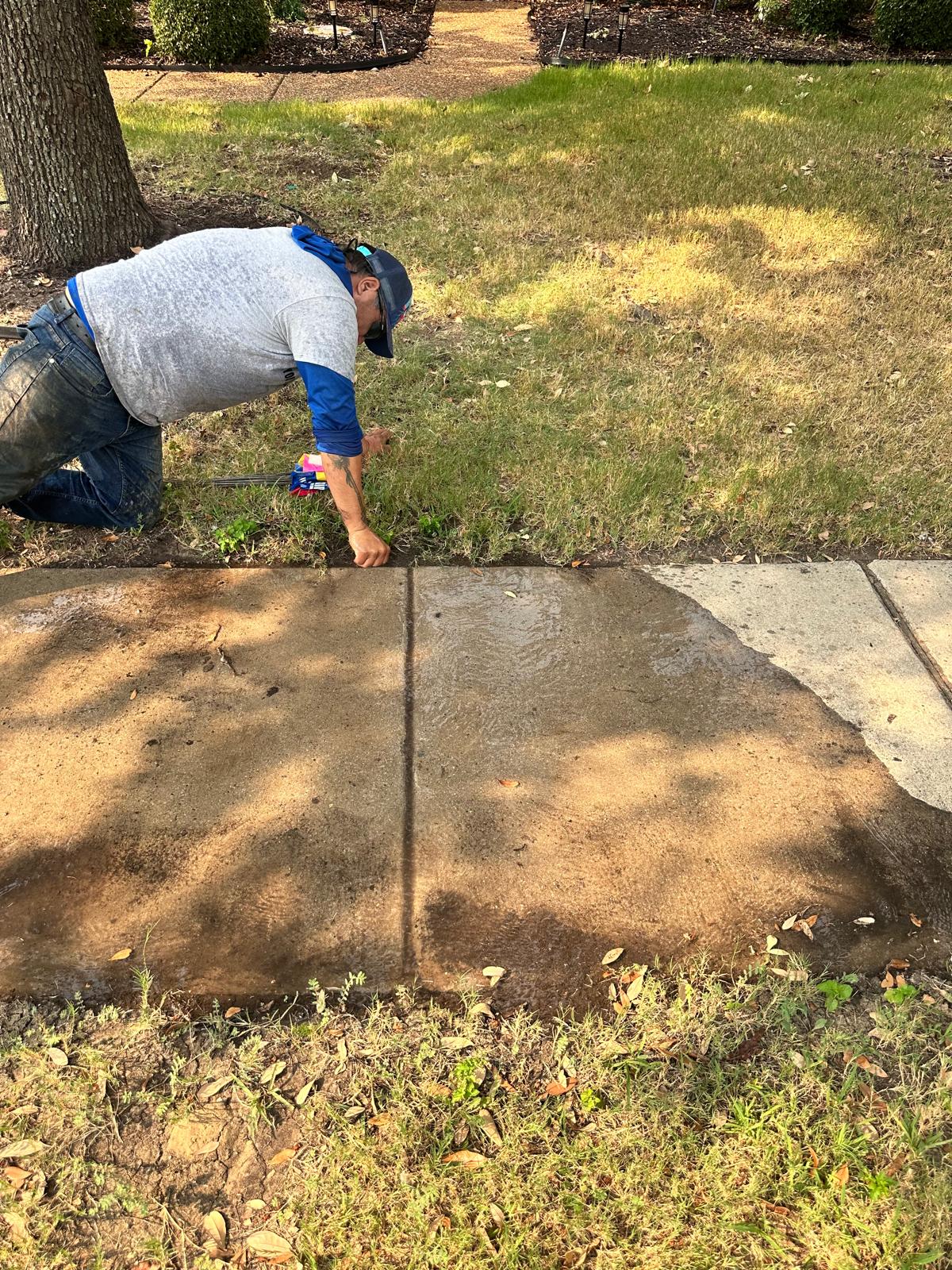
- Check for visible and hidden leaks
- Identify the root cause — not just the symptom
- Explain what’s urgent and what can wait
This approach reduces guesswork and helps homeowners avoid paying for the same repair more than once.
Signs It’s Time to Call a Sprinkler Professional
You should call a sprinkler company if you notice:
- A zone that won’t shut off
- Water pooling or bubbling in the yard
- Heads not popping up correctly
- Controller errors or electrical issues
- A sudden increase in your water bill
- Uneven watering across the lawn
These are system-level issues that benefit from licensed diagnostics.
What to Ask Before Scheduling Service
You don’t need technical knowledge just good questions:
- Will you inspect the entire system or just the visible issue?
- What caused this problem?
- Do I have options for repair timing?
- What type of warranty is included?
- If this happens again, what’s the next step?
Clear, confident answers usually indicate proper training and experience.
The Bottom Line for Collin County Homeowners
If your sprinkler system isn’t working, the safest and most effective choice is a licensed sprinkler or irrigation professional familiar with North Texas systems.
Not because other trades lack skill but because irrigation work requires specific licensing, tools, and practice.
The goal isn’t just to restore water flow.
It’s to understand why the system stopped working and prevent it from happening again.
A professional assessment doesn’t commit you to repairs.
It simply gives you clarity so decisions come second.
Conclusion
When your sprinkler system stops working, the right solution starts with accurate diagnosis, not guesswork. In Collin County and across North Texas, irrigation systems face unique soil, pressure, and climate challenges that require licensed expertise to resolve correctly. A professional evaluation helps identify root causes, prevent repeat failures, and protect your investment long term. If you want clarity, reliable repairs, and system-wide insight, trust a specialist who understands local conditions. For expert sprinkler diagnostics and repairs, contact Whale Done Sprinklers & Irrigation at +1 (469) 384-7767 or email clientsupport@callwhaledone.com for professional assistance you can rely on.