Sprinklers won’t Turn Off. Here’s what could be causing it
A Homeowner’s Guide to Finding the Cause
First Things First: Stop the Water
If your sprinklers won’t turn off, don’t worry about diagnosing the problem just yet.
Your first priority is stopping the flow of water to prevent unnecessary water waste and protect your lawn, landscape, and property.
👉 Visit our Emergency Sprinkler Shut-Off Guide for step-by-step instructions on how to stop the water safely.
Once the water is off, come back to this page. We’ll walk through the most common reasons a sprinkler system continues running and help you understand what may have happened.
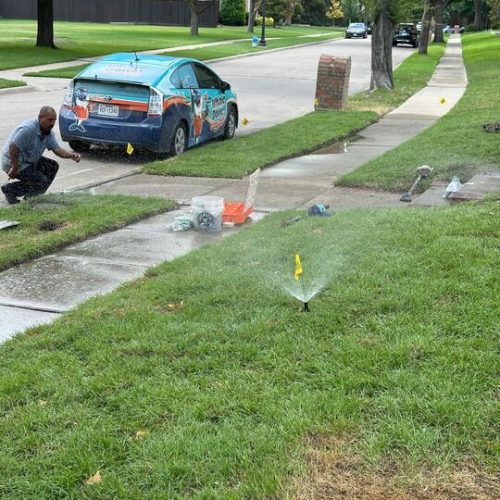
Why Won’t My Sprinklers Turn Off?
A sprinkler system that won’t shut off can be alarming, especially if water continues flowing long after the watering cycle should have ended.
The good news is that this symptom is usually caused by a handful of common issues.
The challenge is that several different problems can produce the exact same symptom.
A sprinkler zone that won’t turn off doesn’t automatically mean you need a new valve. The issue could be mechanical, electrical, or even something as simple as a programming error.
Understanding the cause is the first step toward choosing the right repair.
The Water Is Off. Now What?
If you’ve successfully shut off the water, resist the urge to start replacing parts right away.
The same symptom can have several different causes.
Replacing the first part you suspect may not solve the problem if the real issue is somewhere else.
Instead, start by understanding the possibilities.
Before attempting any repairs, take a picture of your controller display and make a note of which zone was running. Also take a quick walk around your yard and look for anything unusual, such as standing water, leaking sprinkler heads, or unusually wet areas. These observations can help narrow down the cause of the problem.
Common Reasons Sprinklers Won’t Turn Off
A Valve Isn’t Closing Properly
One of the most common reasons a sprinkler zone won’t turn off is that the valve controlling that zone isn’t closing completely.
There are several reasons this can happen, including:
- Debris such as sand or small rocks preventing the valve from sealing.
- Worn internal components that no longer close properly.
- A damaged diaphragm or other internal valve parts.
- General wear after years of normal use.
While cleaning the valve or replacing individual components may solve the problem in some situations, other valves are simply at the point where replacing the complete assembly provides the most reliable long-term solution.
The right repair depends on the overall condition of the valve, which is why proper diagnosis is important before replacing parts.
The Controller Is Still Sending a Signal
Sometimes the valve is working exactly as it should.
The controller simply hasn’t told it to stop.
This can happen because of:
- Incorrect programming
- Multiple start times
- Manual watering left on
- Controller failure
- Power surge or lightning damage
Checking your controller is often a good first step before assuming something underground has failed.
An Electrical Problem
Your controller communicates with each valve through low-voltage wiring.
If a wire becomes damaged, crossed, or shorted, the valve may continue receiving power when it shouldn’t.
Electrical issues aren’t always visible and often require testing to identify.
Is It One Zone or Multiple Zones That Won't Turn Off?
The number of zones affected can provide helpful clues about where the problem may be.
One Zone Won't Turn Off
If only one area of your lawn continues watering while the rest of the system operates normally, the problem is often isolated to that zone.
Possible causes include:
- A valve that isn’t closing properly.
- Damaged wiring to that valve.
- A controller signal affecting only that zone.
- Debris or wear preventing the valve from sealing.
Because only one zone is affected, the rest of the irrigation system may continue operating normally.
Multiple Zones Won't Turn Off
If two or more zones continue running when they shouldn’t, there are several possible explanations.
In some cases, multiple valves may be experiencing problems at the same time—especially if they’re similar in age and have been exposed to the same water conditions over the years.
Other possibilities include:
- A controller that’s continuing to send a signal.
- Incorrect controller programming or multiple start times.
- Electrical problems affecting multiple zones.
- Wiring issues between the controller and the valves.
The important thing to remember is that multiple zones staying on doesn’t automatically point to a single cause. It could be one issue affecting several zones, or it could be several separate issues happening at the same time.
A proper diagnosis helps determine what’s actually happening before repairs begin.
Can I Fix It Myself?
Some homeowners are comfortable checking controller settings, verifying the irrigation shutoff valve, or looking for obvious signs of damage.
More involved repairs—such as diagnosing electrical problems or repairing or replacing irrigation valves—typically require specialized tools, irrigation knowledge, and, in Texas, should generally be performed by a licensed irrigation professional.
If you’re unsure what’s causing the problem, it’s usually better to diagnose the issue first rather than replacing parts and hoping for the best.
Frequently Asked Questions
Will turning off the controller stop the water?
Sometimes.
If the controller is causing the problem, turning it off may stop the watering cycle.
If the valve is mechanically stuck open or isn’t sealing properly, water may continue flowing even with the controller turned off.
Will this increase my water bill?
Yes.
A sprinkler system that continues running can use a significant amount of water in a relatively short period of time.
The sooner you stop the water, the less water you’ll waste.
Is this considered an emergency?
It can be.
If you cannot stop the water or your property is flooding, visit our Emergency Sprinkler Shut-Off Guide immediately to learn how to stop the flow of water safely.
The Bottom Line
A sprinkler system that won’t turn off doesn’t always have the same cause.
Sometimes the problem is a valve that isn’t closing.
Sometimes it’s the controller.
Sometimes it’s an electrical issue.
Sometimes it’s several issues happening at the same time.
The important thing is not to assume.
Taking the time to identify the actual cause usually leads to a more reliable repair and helps avoid replacing parts that weren’t the problem in the first place.
Related Homeowner Guides
Whale Done
Need Help Finding the Cause?
If you’ve stopped the water but still aren’t sure why your sprinkler system won’t turn off, we’re here to help.
At Whale Done, our licensed irrigation specialists evaluate the controller, valves, wiring, and the rest of your irrigation system to identify the actual cause of the problem. Once we know what’s happening, we’ll explain what we found, answer your questions, and help you understand your repair options so you can make an informed decision for your home.
$99 Investment • Applied Toward Approved Repairs
Or call (469) 384-7767 to speak with our team.