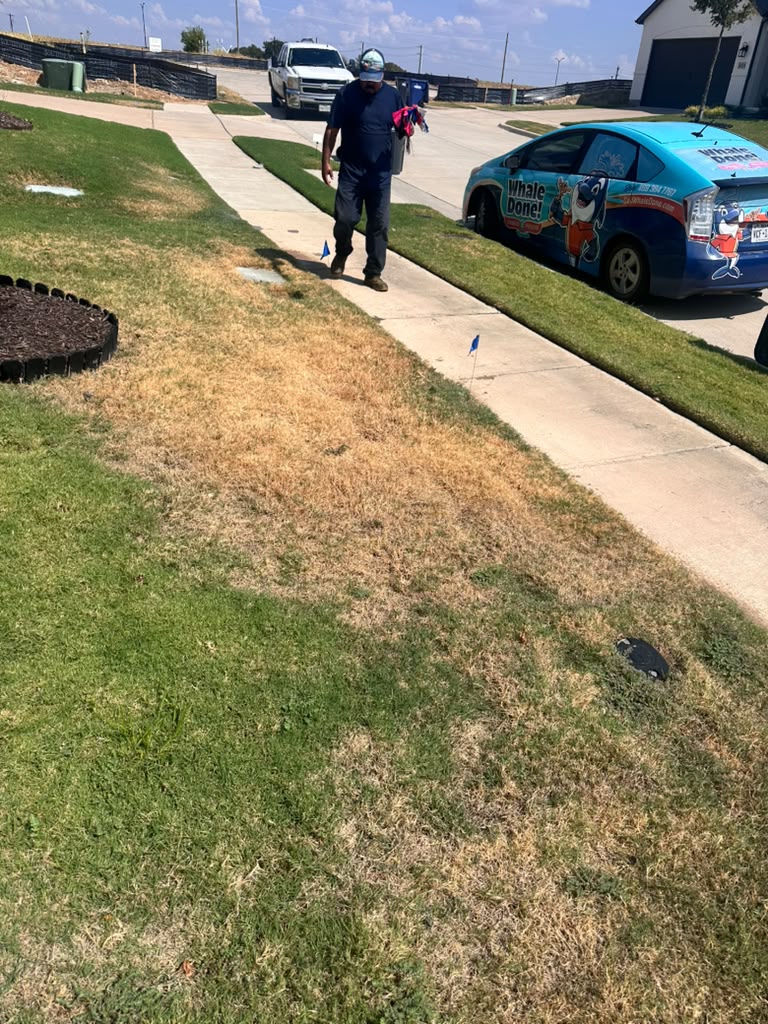
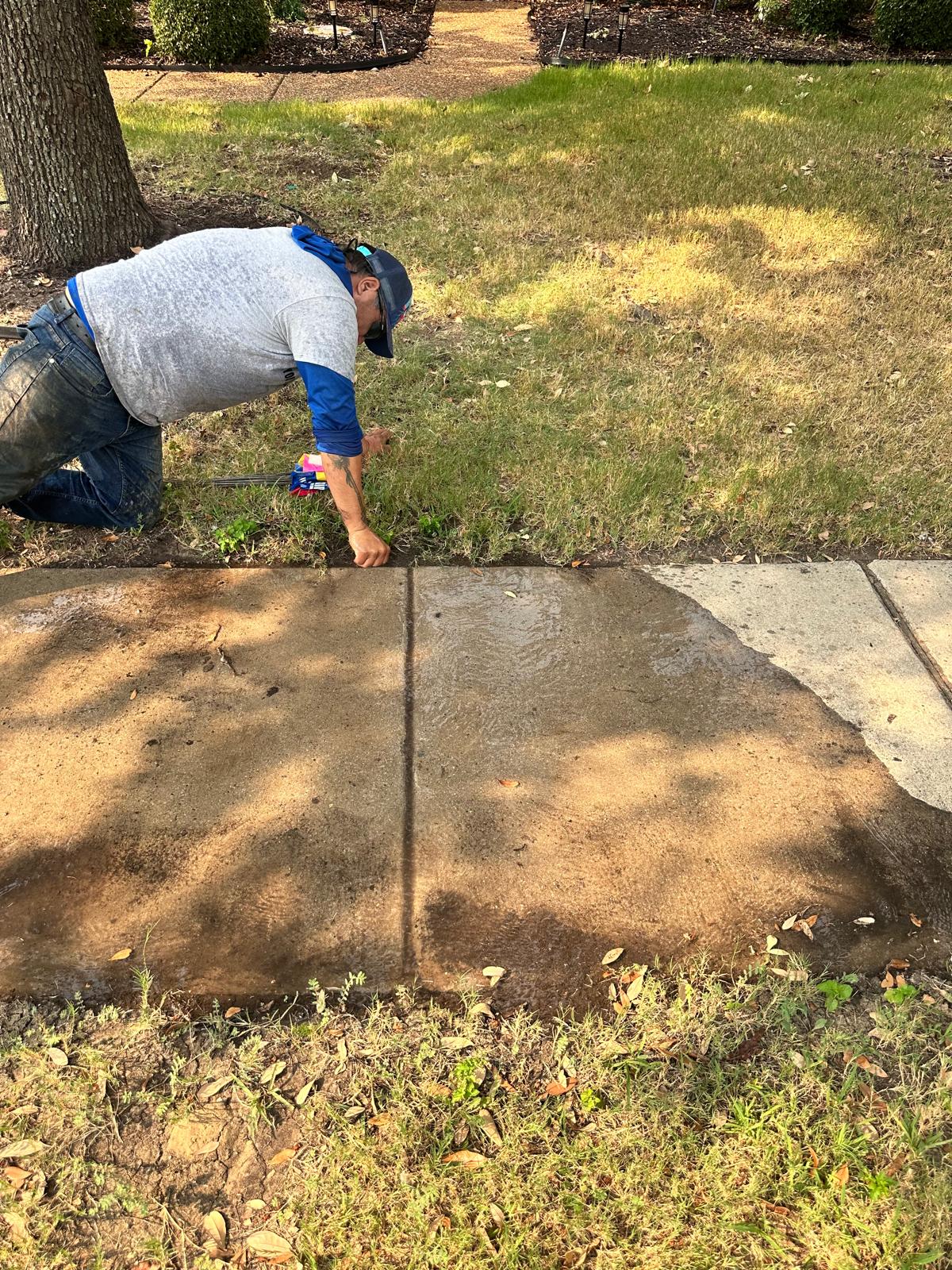
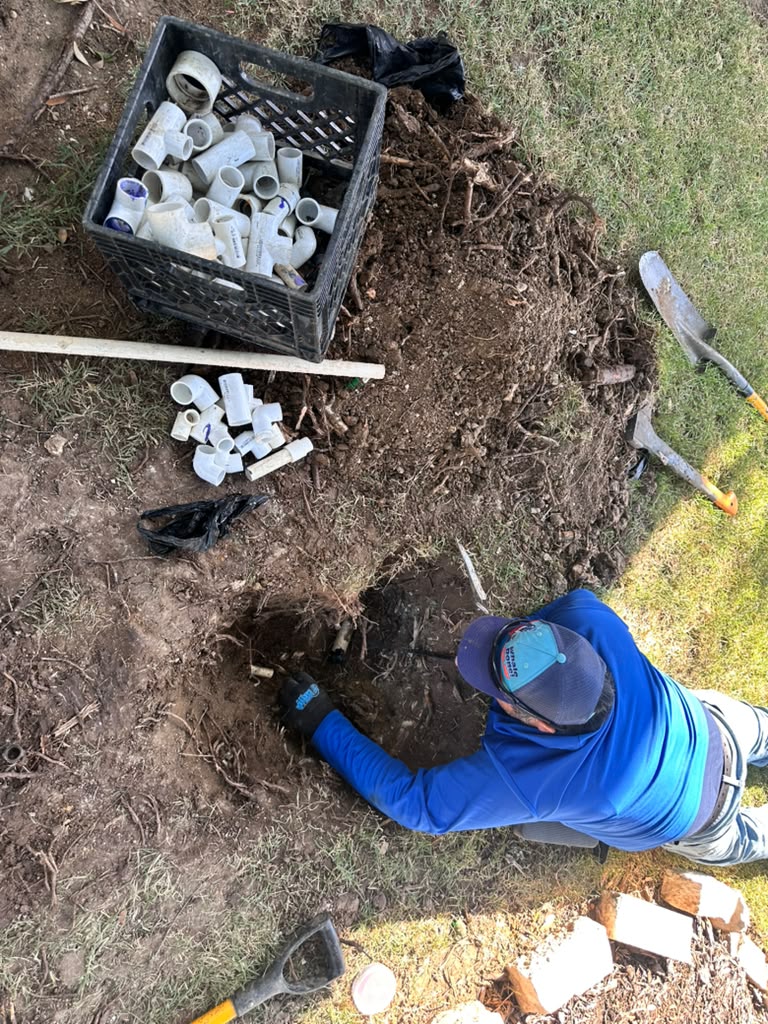
A french drain in Little Elm TX is one of the most effective solutions for homeowners dealing with persistent drainage problems, soil saturation, and standing water around their property. Due to the area’s clay-heavy soil and seasonal rainfall, improper water management can quickly lead to foundation damage, landscape erosion, and unhealthy outdoor spaces.
Little Elm TX has experienced rapid residential growth, which often alters natural water flow patterns. As properties are developed, grading changes and compacted soil reduce natural absorption, making drainage systems not just helpful—but essential. A properly installed french drain redirects excess groundwater away from vulnerable areas, protecting both the structure of your home and the beauty of your landscape.
Understanding Drainage Challenges in Little Elm TX
Little Elm TX is known for its expansive clay soils, which absorb water slowly and retain moisture longer than sandy soils. This characteristic increases the likelihood of surface pooling and subsurface water buildup, particularly after heavy rain.
When water cannot drain naturally, it may accumulate near foundations, seep into basements or crawl spaces, and weaken soil stability. According to the Environmental Protection Agency, unmanaged runoff is one of the leading contributors to residential water damage and soil erosion.
Local drainage challenges are also amplified by flat terrain, which limits gravity-assisted water flow. This makes engineered drainage solutions such as french drains particularly valuable in residential settings.
What Is a French Drain and How Does It Work?
A french drain is a subsurface drainage system designed to collect and redirect groundwater away from problem areas. It typically consists of a trench filled with gravel and a perforated pipe that channels water to a safe discharge point.
When water enters the trench, gravity guides it through the pipe, preventing saturation in lawns, garden beds, or near foundations. This passive system works continuously without electricity, making it a reliable long-term solution.
The design concept has been trusted for centuries, with modern adaptations enhancing durability and efficiency. The American Society of Landscape Architects recognizes french drains as a foundational element in sustainable residential water management.
Signs You Need a French Drain System
Many homeowners overlook drainage problems until serious damage appears, but recognizing early signs can help prevent expensive structural repairs.
Persistent Standing Water
If water consistently pools in your yard or near your home after rainfall, it indicates poor soil drainage that can weaken foundations, damage landscaping, attract pests, and eventually lead to costly repairs if excess moisture is not properly redirected.
Soggy or Spongy Lawns
Lawns that remain wet days after rain often signal trapped groundwater beneath the surface, which can suffocate grass roots, promote fungal growth, create muddy conditions, and reduce the overall usability and appearance of your outdoor space.
Foundation Cracks and Water Stains
Visible cracks in foundation walls or water stains indoors suggest hydrostatic pressure building around your home, forcing moisture through weak points and potentially leading to structural deterioration, mold growth, and long-term damage if drainage issues persist.
Soil Erosion Near Slopes
Noticeable soil washout around slopes or near your home indicates uncontrolled water flow, which can destabilize landscaping, expose roots, weaken retaining structures, and increase the risk of foundation shifting or settlement over time.
Mold Growth and Musty Odors
Persistent damp smells or visible mold inside basements and crawl spaces often result from trapped moisture, signaling inadequate drainage that can negatively affect indoor air quality, cause health concerns, and accelerate material decay..
Benefits of Installing a French Drain in Little Elm TX
Proper drainage plays a critical role in safeguarding homes, landscapes, and long-term property value through effective water management solutions systems.
Key Advantages
- French drains reduce hydrostatic pressure around foundations, preventing cracks, structural shifts, and costly long-term repairs.
- Redirecting excess water away from structures helps maintain stable soil conditions and preserves foundation integrity.
- Improved drainage prevents root rot, reduces soil compaction, and supports healthier lawns and thriving plants.
- Even moisture distribution keeps outdoor spaces usable year-round, minimizing muddy areas after heavy rainfall events.
- Homes with drainage systems often attract buyers and achieve higher resale values, according to Realtor.com.
Investing in a french drain delivers lasting protection, healthier landscapes, and increased confidence for homeowners and future buyers nationwide today.
French Drain Installation Process Explained
Installing a french drain begins with a thorough site evaluation. This includes identifying low points, water flow direction, and soil composition. Proper planning ensures the system functions efficiently.
Next, a trench is excavated to the appropriate depth and slope. Landscape fabric lines the trench to prevent soil intrusion, followed by gravel bedding. The perforated pipe is placed strategically to collect groundwater.
Once installed, the system is backfilled with gravel and soil, restoring the area’s appearance. When designed correctly, the drain remains virtually invisible while delivering powerful performance.
Above-Ground vs. Subsurface Drainage Solutions
While surface drains can help manage runoff, they often fall short in addressing subsurface water buildup. French drains excel because they intercept groundwater before it reaches problem areas.
Surface solutions may clog easily with debris and require frequent maintenance. In contrast, subsurface systems are protected and designed for long-term reliability.
Homeowners in Little Elm TX benefit most from integrated drainage strategies, with french drains serving as the backbone of water management systems.
Common Mistakes to Avoid with French Drains
Understanding common French drain mistakes helps homeowners avoid costly drainage failures and ensures long lasting performance across varying soil conditions
- Improper slope during installation prevents water movement causing stagnation pooling odors and eventual system failure instead of effective drainage solutions
- Using low quality materials or skipping landscape fabric allows soil intrusion clogging pipes reducing efficiency lifespan and overall reliability significantly
- Incorrect pipe placement or shallow trench depth limits collection capacity increasing surface water issues around foundations lawns and hardscapes areas.
- Poor discharge location selection can redirect water back toward structures neighboring properties or erosion prone zones creating disputes drainage problems
- Lack of professional design oversight leads to code violations hidden defects inefficient layouts and premature french drain failure risks costly
Avoiding these mistakes through planning quality materials and expert installation protects property value ensures drainage success for years to come
Maintenance and Longevity of French Drain Systems
One of the main reasons french drains remain popular is their minimal maintenance, as periodic inspections keep discharge points clear of debris, sediment, roots, and buildup, while proper installation with quality gravel, perforated pipe, filter fabric, and correct grading allows water to flow efficiently, reduces clogging risks, and supports reliable drainage across changing soil conditions and varying rainfall patterns.
With routine seasonal checks after heavy storms, homeowners can catch minor issues early, maintain consistent performance year after year, extend system longevity to thirty or forty years, and protect surrounding landscaping, foundations, and hardscapes from costly water damage and erosion problems
Environmental Benefits of Proper Drainage
Effective drainage systems reduce erosion and protect local waterways from sediment pollution. Controlled water flow prevents nutrient runoff that can harm nearby ecosystems.
French drains also support sustainable landscaping by maintaining optimal soil moisture levels. This reduces the need for excessive watering and supports healthier plant growth.
According to Texas A&M AgriLife Extension, proper water management is essential for long-term soil conservation and environmental stewardship in Texas communities.
Choosing the Right Drainage Solution for Your Property
Every property in Little Elm TX has unique drainage needs shaped by grading, soil composition, rainfall intensity, foundations, hardscapes, and landscape design, so a customized approach begins with professional assessment of water sources, flow patterns, infiltration rates, and safe discharge locations to ensure optimal performance while preserving aesthetics, access, and existing plants throughout the yard.
Investing in the right system today minimizes disruption, improves efficiency, prevents erosion and flooding, reduces long term maintenance, avoids costly structural repairs, protects your home for decades, supports healthy turf and gardens, and delivers dependable drainage solutions tailored specifically to your property in Little Elm
Conclusion
Installing a french drain in Little Elm TX is a proactive investment in your property’s safety, longevity, and value. A professionally designed drainage system ensures excess water is managed efficiently, protecting foundations, landscapes, and outdoor living spaces year-round.
For expert drainage solutions tailored to local conditions, Whale Done Sprinklers & Irrigation provides reliable service and proven results.
Phone: +1 (469) 384-7767
Email: clientsupport@callwhaledone.com