A winterization service estimate in Parker TX typically covers the work needed to protect your irrigation system from freezing. That usually means shutting off the water supply, clearing water from the lines, and protecting the backflow preventer. It does not usually include repairs to leaks, damaged heads, or faulty valves, which are priced separately.
A good estimate also notes problems found during the visit and lists any open items. If an estimate doesn’t say what’s included, it’s fair to ask.
At a Glance
- Difficulty: Easy for gathering information, more involved for the service itself
- Estimated time: 20-30 minutes to prepare notes for an estimate
- Tools needed: Phone camera, notes app, controller manual, flashlight
- Works for: Understanding what an estimate covers and comparing quotes fairly
- May not solve: Existing leaks, broken heads, or valve problems, which need separate repairs
Why Estimates Aren’t All the Same
Two homes can ask for the same service and get different estimates. That’s usually because the systems are built differently, not because anyone is guessing.
The main factors include:
- Zone count: More zones usually mean more time clearing lines.
- Property size: Larger lots often have longer pipe runs and more zones.
- Access: Buried valve boxes, locked gates, and hidden backflow preventers add effort.
- System setup: Drip zones, rain sensors, and different backflow types change the steps.
- Existing problems: Leaks and damaged parts may need attention first.
Because these details vary, we don’t list specific prices here. A licensed sprinkler company can give an accurate figure after seeing your system.
What a Winterization Service Estimate in Parker TX Should Include
A clear estimate lists the work in plain language. Look for these items:
- Shutting off the water supply to the irrigation system
- Clearing water from the lines, often with compressed air
- Draining the backflow preventer and low points
- Protecting exposed pipe and the backflow assembly
- Setting the controller to off or rain mode
- Noting problems found during the visit
Each line should be easy to understand. If you see a term you don’t know, ask what it means.
Why Documenting Problems Matters
Winterization is a good time to look for problems that already exist. A short written record helps both you and the company decide what needs attention.
Leaks
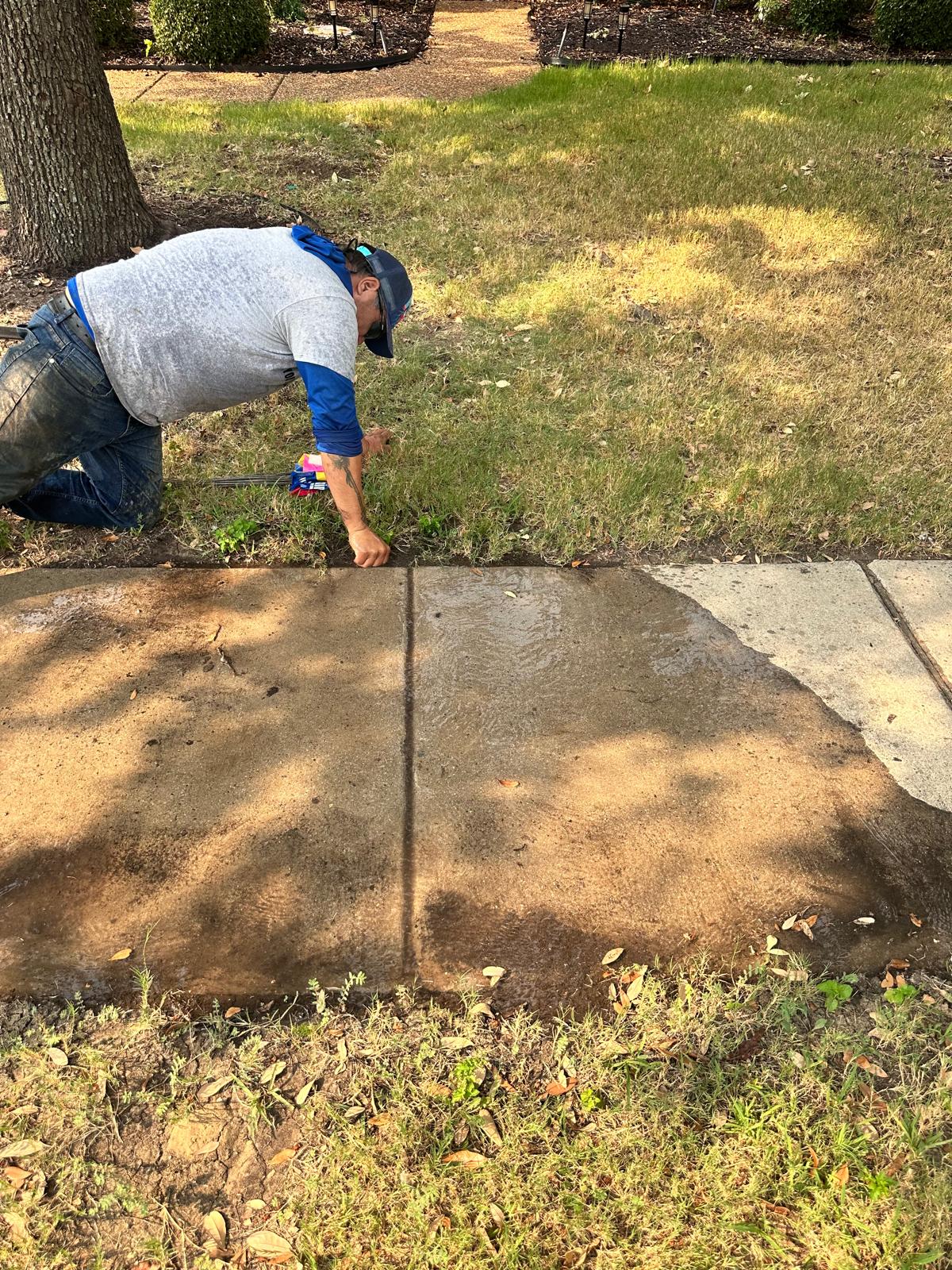
Write down where you saw water and whether it appeared only when a zone ran. A leak that continues with the system off may involve a pressurized line. Note the zone and location.
Damaged Heads
Look for cracked, tilted, sunken, or stuck heads. Take a photo of each and note the zone. Broken heads are usually simple repairs, but they can leak until fixed.
Unreliable Valves
Valves are harder to judge from above ground. Record any zone that:
- Doesn’t turn on
- Doesn’t shut off fully
- Runs weakly
- Turns on by itself
- Has water standing in the valve box
An intermittent problem is still worth writing down. Valves that act up once in a while tend to get worse over time.
How Notes Shape the Estimate
Notes help the company prepare before the visit. They also help you see what’s winterization and what’s repair.
Here is how documentation helps:
- Better scoping: Known problems can be planned for instead of discovered mid-visit.
- Clear separation: Repairs can be listed apart from winterization.
- Fewer surprises: You know what to expect on the estimate.
- Easier comparison: You can give each company the same information.
Winterization vs. Additional Repairs
Keeping these two categories separate makes an estimate easier to read.
Usually part of winterization:
- Shutting off the supply
- Clearing the lines
- Draining and protecting the backflow preventer
- Setting the controller for winter
- Noting problems found
Usually considered repairs:
- Replacing a broken head
- Fixing a leaking pipe or fitting
- Repairing or replacing a valve
- Repairing a cracked backflow preventer
- Fixing controller or wiring faults
If an estimate lumps everything together, it’s reasonable to ask for a breakdown.
How to Prepare for an Accurate Estimate
A few minutes of prep helps a company give you a more reliable estimate. These steps work whether you’re calling one company or comparing several.
Step 1: Count Your Zones
Check the controller or your install paperwork. Write down the number of zones and what each covers.
Step 2: Locate the Main Components
Find the shutoff valve, backflow preventer, and valve boxes. Take photos so you can share them.
Step 3: Clear Access
Move planters, trim plants, and unlock gates. Make sure valve boxes can be opened.
Step 4: Run Each Zone and Look for Problems
Walk the yard while each zone runs. Note leaks, damaged heads, weak spray, and soggy ground.
Step 5: Check Your Water Meter
Turn off all water in the house and read your meter. Wait 15 minutes and read it again. A change may point to a leak.
Step 6: Write Down Existing Issues
Record each problem with the zone, location, and a photo. Mark each as fixed, open, or monitor.
Step 7: Share Your Notes With the Company
Give the same notes to each company you contact. That makes estimates easier to compare.
When Repairs Are Needed
Some problems should be repaired before winter. Others can wait.
Usually worth fixing before winter:
- Leaks that continue with the system off
- Wet soil near the foundation, slab, or retaining wall
- Cracked pipe or fittings above ground
- A leaking or cracked backflow preventer
- Valves that won’t close all the way
Often safe to wait until spring:
- A broken head on a zone that is shut off
- Spray pattern problems
- Clogged nozzles
- Small arc or distance adjustments
If you aren’t sure, ask a licensed company to evaluate it. Not every problem needs a rush decision.
How Unresolved Defects Are Recorded
Sometimes a repair isn’t done during winterization. The part may be on order, or the homeowner may choose to wait. Either way, the item should be written down.
A useful note includes:
- What was found: A short description
- Where: Zone number and location
- What was done: For example, the zone was shut off
- What is still open: The repair that hasn’t happened yet
- What to check at startup: The first thing to test in spring
Many licensed companies include open items in their service notes. It’s reasonable to ask for those notes in writing.
Questions to Ask About an Estimate
- What does the winterization include?
- Is the estimate based on my zone count?
- Are repairs listed separately?
- What happens if you find a problem during the visit?
- Will I get written notes on open items?
- Does the estimate cover the backflow preventer?
Common Mistakes Homeowners Make
- Assuming the estimate includes repairs. Winterization protects the system but doesn’t fix damage.
- Comparing quotes with different details. Zone count and access change the work.
- Skipping written notes. Open problems get forgotten by spring.
- Blocking access to valves. Buried boxes and locked gates slow things down.
- Waiting until after a freeze warning. Scheduling gets harder when everyone calls at once.
- Focusing only on the lowest quote. Check what each estimate actually includes. See our article on sprinkler winterization in Parker TX.
North Texas Considerations
North Texas winters are short, but freezes can arrive with little notice.
- Brief hard freezes: One night below freezing can crack exposed parts.
- Clay soil: Clay swells and shrinks, which can shift pipe and tilt heads.
- Foundation movement: Soil near the house moves more, so lines near the slab need a closer look.
- Larger lots: Many Parker properties have more zones and longer pipe runs, which can affect scope.
- Wind: Cold wind speeds up freezing at the backflow preventer.
- Water restrictions: Check current watering rules with the City of Parker and your water provider.
Texas regulates irrigation work, and the TCEQ irrigation program explains licensing and backflow rules. For general advice on outdoor water use, the EPA’s WaterSense outdoor resources are a useful reference.
Related Problems to Watch For
If the same symptom keeps showing up in your notes, the cause could be:
- A failing valve: See our guide on sprinkler valve repair.
- An underground leak: Read about sprinkler leak detection.
- Low water pressure: A weak spray across several zones may be a pressure issue.
- Controller problems: A schedule that doesn’t match the yard may be a programming issue.
- A damaged backflow preventer: Cracks or leaks should be checked by a licensed professional.
Frequently Asked Questions
What does a winterization estimate usually cover?
It usually covers shutting off the water supply, clearing the lines, and protecting the backflow preventer. It may also include setting the controller for winter and noting problems found. Repairs are typically listed separately.
Are repairs included in a winterization estimate?
Usually not. Winterization protects the system from freezing, while repairs fix leaks, heads, valves, or other damage. Ask for these to be itemized.
What affects the cost of winterization?
Zone count, property size, access, system setup, and existing problems all play a role. A licensed company can confirm the scope after seeing your system.
How are unresolved problems recorded?
A good record lists what was found, where it is, what was done, and what remains open. Many licensed companies include this in their service notes. You can also keep your own copy.
What should I write down before asking for an estimate?
Record your zone count, the location of the shutoff and backflow preventer, and any known leaks or damaged parts. Add photos and a status for each item. Share the same notes with every company you contact.
Conclusion
A winterization service estimate in Parker TX should list what is included, what repairs were found, and what remains open. Keep your own notes and photos of leaks, damaged heads, and valve problems, and ask for written findings. A licensed sprinkler company can inspect your system, separate protection from repairs, and record unresolved items so nothing is lost. Our goal is to help you understand each line of the estimate so you can decide what makes sense for your property.