Leaking Sprinkler Heads in Melissa TX can lead to significant water waste, increased utility costs, landscape damage, and reduced irrigation efficiency if left unaddressed. Homeowners and property managers throughout Melissa understand the importance of maintaining healthy lawns and landscapes, but even a minor sprinkler leak can gradually create larger and more expensive problems. Because irrigation systems operate regularly throughout the growing season, small issues often go unnoticed until visible signs of damage appear.
Preventing sprinkler head leaks requires a proactive approach that includes routine inspections, proper maintenance, timely repairs, and the use of quality irrigation components. Understanding the common causes of sprinkler leaks and implementing preventative measures can help protect your landscape investment while improving water conservation.
Understanding Why Sprinkler Heads Begin Leaking
Before discussing prevention methods, it is important to understand why sprinkler heads develop leaks in the first place. Several factors can contribute to leaking sprinkler heads, including wear and tear, excessive water pressure, environmental conditions, and accidental damage.
Over time, sprinkler components naturally deteriorate due to constant exposure to water, sunlight, soil movement, and changing weather conditions. Seals may weaken, internal springs can fail, and sprinkler housings may crack. Even high-quality irrigation systems eventually require maintenance and replacement parts to continue functioning properly.
Additionally, improper installation or poor system design can place unnecessary stress on sprinkler heads, increasing the likelihood of leaks developing over time.
Perform Regular Irrigation System Inspections
One of the most effective methods for preventing sprinkler leaks is conducting routine inspections. Property owners should inspect their irrigation systems regularly to identify minor concerns before they become major repairs.
During inspections, look for:
- Water pooling around sprinkler heads
- Unusually wet areas in the lawn
- Sprinkler heads that fail to retract
- Uneven watering patterns
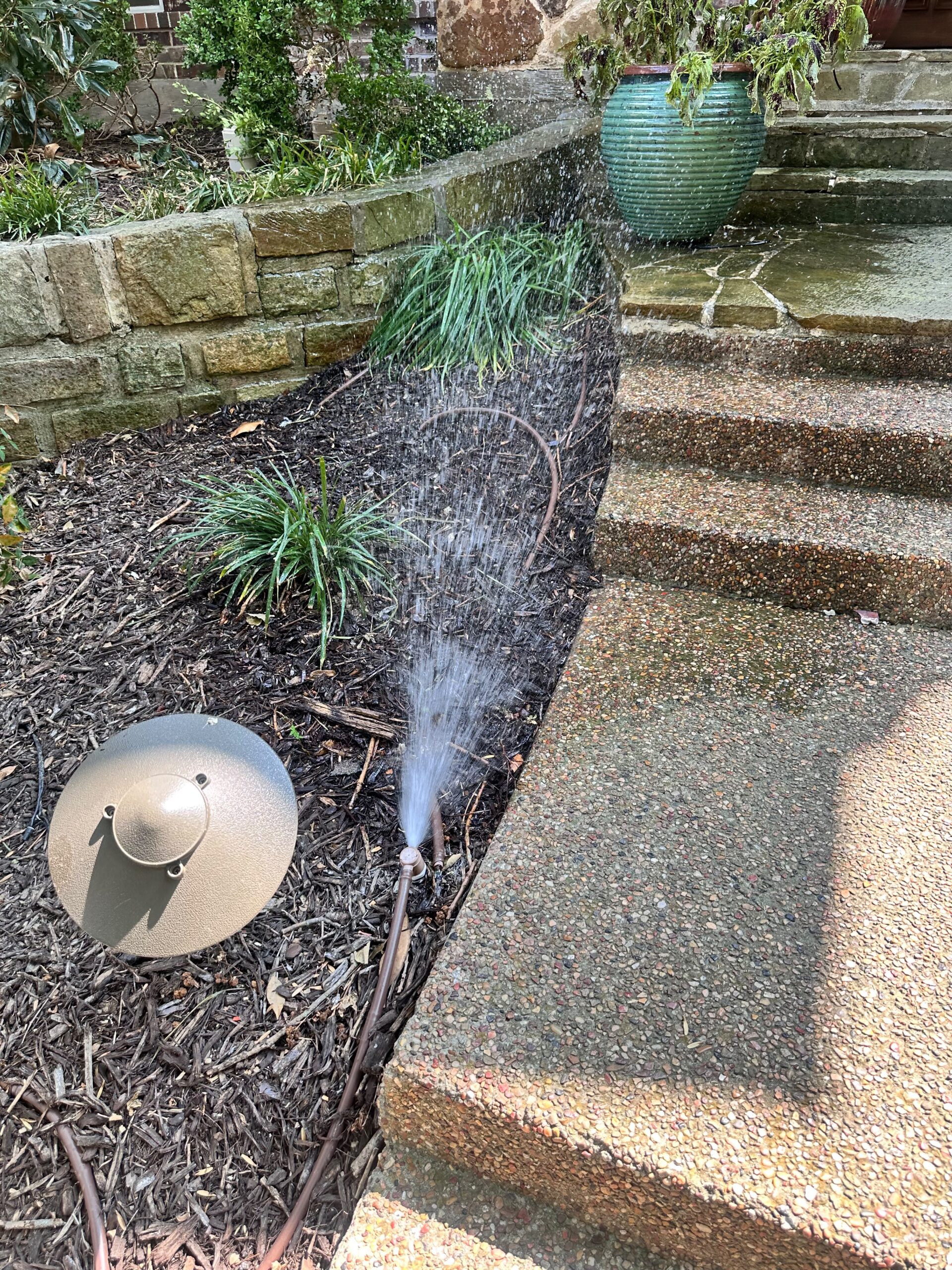
- Excessive misting or spraying
- Visible cracks or physical damage
Running each irrigation zone individually makes it easier to spot potential problems. Early detection often prevents more extensive repairs and reduces unnecessary water loss.
For additional irrigation efficiency recommendations, visit the WaterSense Program.
Monitor Water Pressure Levels
High water pressure is one of the leading causes of sprinkler head failures. Excessive pressure places stress on seals, fittings, nozzles, and internal components, increasing the risk of leaks and premature wear.
Most residential irrigation systems are designed to operate within specific pressure ranges. When pressure exceeds recommended levels, sprinkler heads may:
- Leak continuously
- Produce excessive mist
- Experience nozzle blowouts
- Wear out faster than expected
Installing pressure-regulating devices can help maintain safe operating conditions and extend the lifespan of irrigation equipment.
Property owners who notice unusual spraying patterns should consider having their system pressure evaluated periodically.
Replace Worn Seals and Internal Components
Sprinkler heads contain several small components that help prevent water leakage during operation. Rubber seals, O-rings, gaskets, and springs naturally wear down over time.
As these components age, they may:
- Lose flexibility
- Crack or split
- Allow water seepage
- Prevent proper head retraction
Replacing worn parts before complete failure occurs can significantly reduce leak risks. Many irrigation professionals recommend inspecting internal components during seasonal maintenance visits.
Preventative replacement often costs substantially less than repairing water damage caused by prolonged leaks.
Protect Sprinkler Heads from Physical Damage
Physical damage is another common source of leaking sprinkler heads. Lawn maintenance equipment, landscaping projects, vehicles, and foot traffic can all cause sprinkler components to crack or become misaligned.
To minimize damage:
- Mark sprinkler locations clearly
- Exercise caution while mowing
- Avoid driving equipment over irrigation zones
- Inform landscaping crews about sprinkler locations
- Trim vegetation surrounding sprinkler heads
Protective measures help preserve the structural integrity of irrigation components and reduce the likelihood of leaks developing unexpectedly.
Adjust Sprinkler Heads Properly
Misaligned sprinkler heads often create uneven water distribution and excessive stress on irrigation components. Improper positioning may cause water to spray against sidewalks, fences, buildings, or landscaping features.
Correct alignment helps:
- Improve watering efficiency
- Reduce runoff
- Minimize pressure-related issues
- Prevent premature wear
Routine adjustments ensure sprinkler heads operate within their intended range and maintain consistent coverage throughout the landscape.
Homeowners can learn more about efficient watering practices through the Texas A&M AgriLife Extension Service.
Keep Debris Away from Sprinkler Heads
Dirt, grass clippings, mulch, leaves, and other debris frequently accumulate around sprinkler heads. When debris enters the sprinkler mechanism, it may interfere with proper operation and create leakage issues.
Common problems caused by debris include:
- Stuck sprinkler heads
- Improper sealing
- Reduced spray patterns
- Continuous water seepage
Cleaning sprinkler heads periodically helps prevent obstruction-related failures and improves overall system performance.
Property owners should inspect sprinkler heads after mowing, landscaping activities, and severe weather events.
Schedule Seasonal Maintenance
Seasonal irrigation maintenance plays a critical role in preventing leaks and maintaining efficient system performance. Professional inspections typically identify hidden concerns that may not be visible during routine homeowner inspections.
Seasonal maintenance often includes:
- System testing
- Pressure checks
- Head adjustments
- Leak detection
- Valve inspections
- Controller programming reviews
Preventative maintenance helps ensure the entire irrigation system operates efficiently while reducing the likelihood of unexpected breakdowns.
Many experts recommend scheduling inspections before peak watering seasons begin.
Upgrade Aging Irrigation Components
Older irrigation systems often experience increased leakage due to component deterioration. Technology improvements have also made modern sprinkler heads more durable and water-efficient than many older models.
Upgrading aging components may provide benefits such as:
- Improved reliability
- Enhanced water conservation
- Better pressure regulation
- More precise coverage
- Reduced maintenance requirements
Replacing outdated sprinkler heads before failure occurs can significantly reduce future repair costs and improve overall system efficiency.
For irrigation technology guidance, review resources available from the Irrigation Association.
Inspect for Underground Issues
Not all sprinkler-related leaks originate directly from the sprinkler head itself. Underground pipe damage, shifting soil, root intrusion, and fitting failures can create symptoms that resemble sprinkler head leaks.
Warning signs may include:
- Persistent wet spots
- Sinking ground areas
- Unexpected pressure drops
- Reduced sprinkler performance
Addressing underground issues promptly helps prevent further damage and protects the surrounding landscape.
Professional leak detection services can often identify hidden problems before they become extensive repairs.
Prevent Freezing-Related Damage
Although North Texas generally experiences mild winters, occasional freezing temperatures can still damage irrigation components.
Water left inside sprinkler heads and pipes may expand during freezing conditions, causing cracks and structural failures. Once temperatures rise, these damaged components often begin leaking.
Preventative winterization measures include:
- Draining irrigation lines when necessary
- Inspecting vulnerable components
- Protecting exposed equipment
- Conducting spring startup inspections
Preparing irrigation systems for seasonal weather changes helps reduce the risk of freeze-related leaks.
Use High-Quality Replacement Parts
Choosing quality replacement components can significantly influence the long-term reliability of an irrigation system. While inexpensive parts may offer short-term savings, they often wear out more quickly and require more frequent repairs.
Benefits of high-quality sprinkler components include:
- Greater durability
- Improved leak resistance
- Better pressure tolerance
- Longer service life
- Consistent performance
Investing in reliable irrigation equipment helps reduce maintenance costs and improves overall system efficiency over time.
Watch for Early Warning Signs
Many sprinkler leaks develop gradually rather than appearing suddenly. Recognizing early warning signs can prevent minor issues from becoming major repairs.
Common indicators include:
- Increasing water bills
- Areas of unusually green grass
- Soft or muddy ground
- Water accumulation around sprinkler heads
- Reduced sprinkler performance
Monitoring these signs regularly allows property owners to take corrective action before substantial water loss occurs.
Early intervention remains one of the most cost-effective approaches to irrigation system maintenance.
Maintain Proper Irrigation Scheduling
Overwatering can contribute to unnecessary wear on sprinkler heads and irrigation components. Excessive system operation increases stress on moving parts and may accelerate deterioration.
Proper scheduling helps:
- Reduce system strain
- Prevent runoff
- Improve water conservation
- Extend equipment lifespan
Modern irrigation controllers often allow for customized watering schedules that account for seasonal weather conditions and landscape needs.
Additional water conservation information can be found through the Texas Water Development Board.
Train Household Members to Report Problems
Many irrigation leaks go unnoticed simply because no one reports them. Educating family members, property managers, and maintenance personnel about common leak indicators can help identify issues sooner.
Encourage prompt reporting of:
- Water pooling
- Broken sprinkler heads
- Unusual spraying patterns
- Muddy lawn areas
- Continuous dripping
A team approach to monitoring irrigation systems often improves maintenance outcomes and helps prevent costly damage.
Benefits of Preventing Sprinkler Head Leaks
Preventing sprinkler leaks provides numerous advantages for property owners in Melissa TX.
These benefits include:
Reduced Water Waste
Leaking sprinkler heads can waste thousands of gallons of water annually. Prevention efforts support responsible water usage and environmental sustainability.
Lower Utility Costs
Minimizing water loss helps reduce monthly utility expenses and improves overall irrigation efficiency.
Healthier Landscapes
Consistent watering coverage promotes healthier grass, plants, trees, and shrubs while reducing the risk of overwatering damage.
Fewer Emergency Repairs
Routine maintenance reduces the likelihood of unexpected breakdowns and costly emergency service calls.
Extended System Lifespan
Well-maintained irrigation systems typically last longer and require fewer major component replacements.
Conclusion
Preventing Leaking Sprinkler Heads in Melissa TX requires a combination of routine inspections, pressure management, seasonal maintenance, debris removal, quality component upgrades, and early leak detection. By taking a proactive approach to irrigation system care, property owners can reduce water waste, protect their landscapes, lower utility costs, and improve the overall lifespan of their irrigation systems.
For professional assistance with irrigation maintenance, inspections, and leak prevention, contact Whale Done Sprinklers & Irrigation.
Phone: +1(469) 384-7767
Email: clientsupport@callwhaledone.com