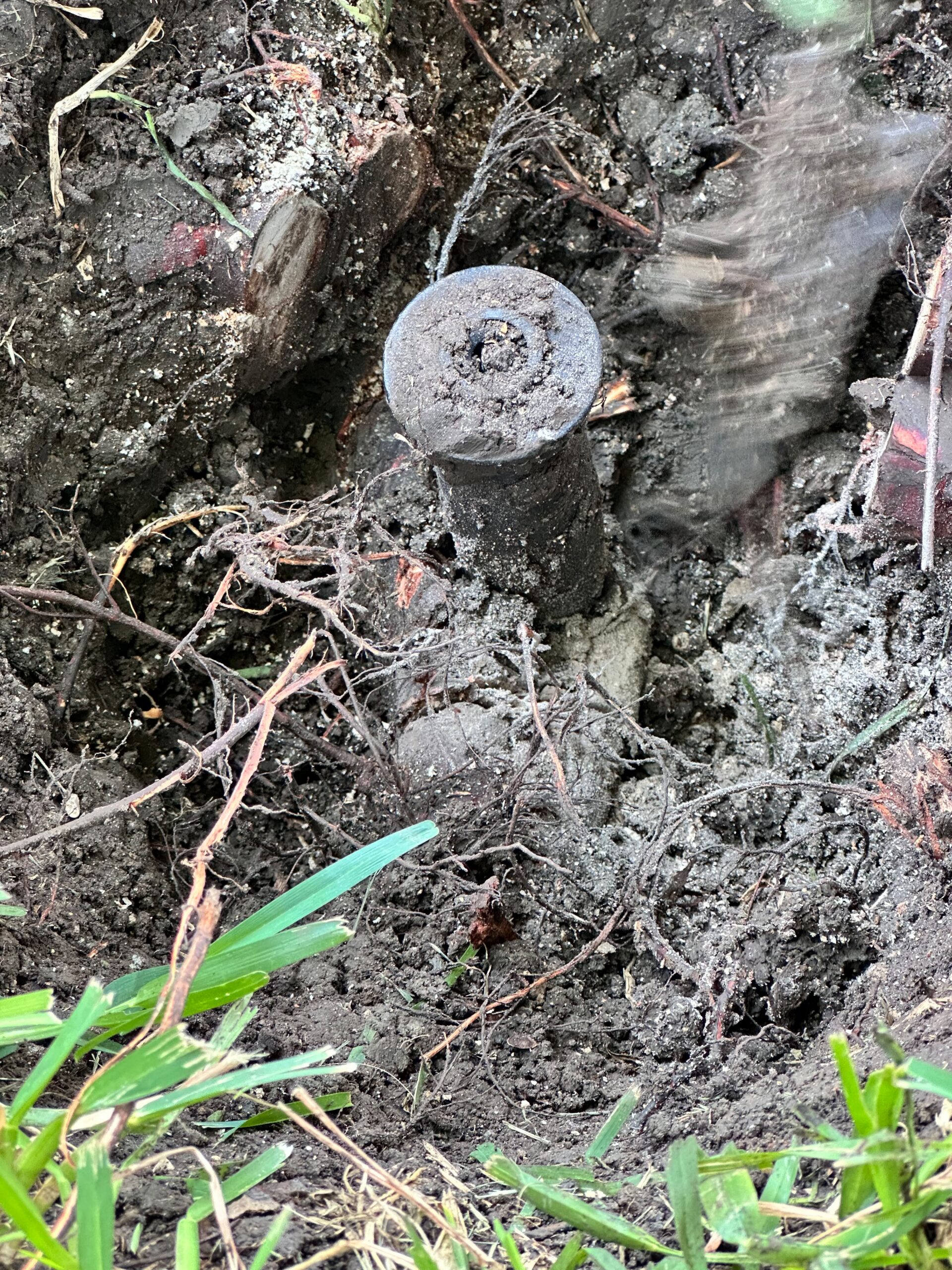
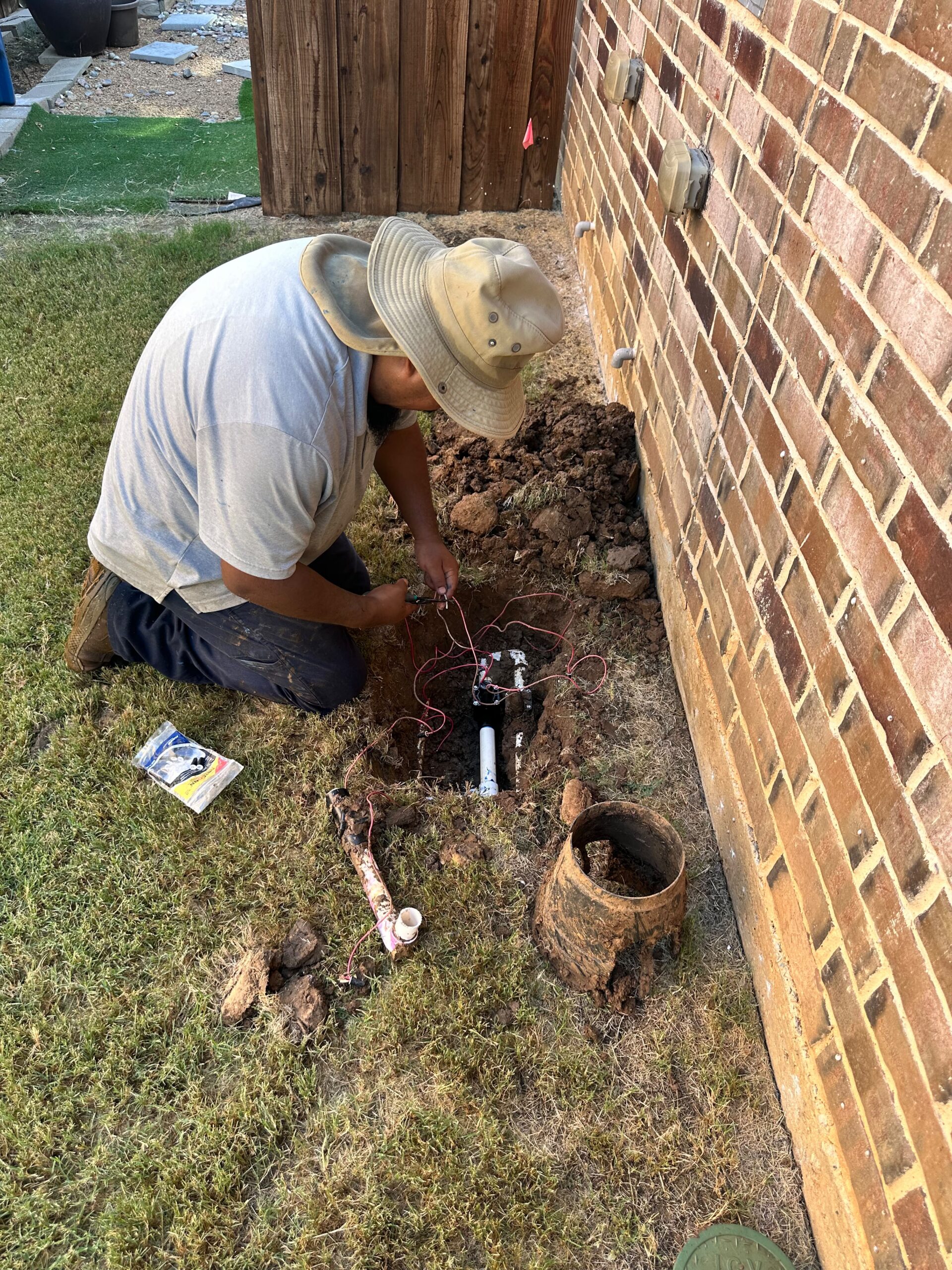
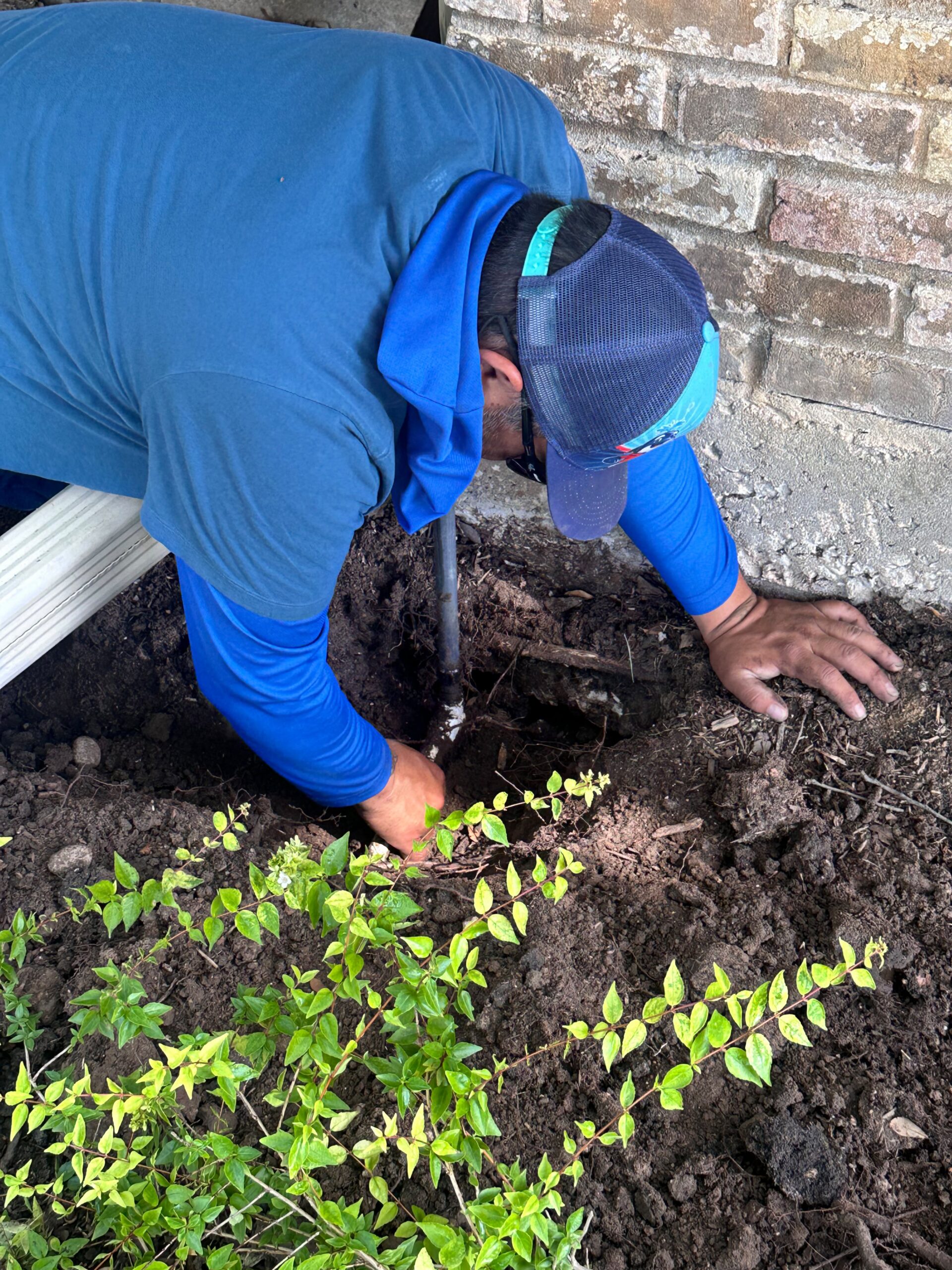
A sprinkler leak in Celina TX can start as a minor issue that many homeowners barely notice, but it can quickly develop into a costly problem if left unresolved. Irrigation systems are designed to distribute water efficiently throughout a landscape, but leaks can disrupt this balance, leading to water waste, higher utility bills, lawn damage, and even structural concerns. Recognizing the early warning signs is essential for protecting your property and maintaining a healthy landscape.
Many sprinkler leaks remain hidden underground for weeks or months before becoming obvious. Because irrigation systems operate automatically, homeowners may not immediately realize that water is escaping from damaged pipes, faulty valves, broken sprinkler heads, or loose connections. Understanding the first indicators of a leak can help prevent extensive repairs and preserve the efficiency of your irrigation system.
This guide explores the most common signs of sprinkler leaks, why they occur, and what homeowners should do when they suspect an issue.
Why Sprinkler Leaks Should Never Be Ignored
Even a small leak can waste significant amounts of water over time. Besides increasing water consumption, leaks can create uneven watering patterns that affect grass, plants, and soil conditions.
According to the EPA WaterSense program, irrigation system inefficiencies can contribute substantially to residential water waste. Addressing leaks early helps conserve water while reducing unnecessary expenses.
Ignoring a sprinkler leak may also result in:
- Increased monthly water bills
- Soil erosion around landscaped areas
- Dead patches of grass
- Foundation moisture concerns
- Damage to sprinkler system components
- Reduced irrigation efficiency
Understanding the warning signs can help homeowners act before these issues become severe.
Unusually High Water Bills
One of the earliest indicators of a sprinkler leak is a sudden increase in water usage. If your irrigation schedule has not changed but your utility bill rises unexpectedly, a hidden leak may be responsible.
Underground pipe leaks often release water continuously whenever the system operates. Since this water may never reach plants or grass, homeowners may only notice the problem through higher utility costs.
Compare recent bills with previous months and watch for unexplained spikes. Consistent increases often warrant a professional inspection.
Soggy or Saturated Areas in the Lawn
A healthy lawn should absorb water evenly. However, areas that remain wet long after irrigation cycles end can indicate leaking pipes or damaged sprinkler components.
Common signs include:
- Persistent muddy spots
- Standing water
- Soft ground when walking
- Water pooling near sprinkler heads
These symptoms often occur because water is escaping faster than the soil can absorb it.
If certain areas stay wet while the rest of the landscape dries normally, further investigation is recommended.
Unexplained Green Patches
While homeowners usually worry about brown grass, unusually green sections can also signal trouble.
A hidden leak can provide excessive moisture to one area, causing grass to grow faster and appear greener than surrounding sections. These patches may seem healthy initially, but they often indicate water distribution problems.
Excessive moisture can eventually promote disease, root damage, and weed growth, creating additional landscaping concerns.
Reduced Water Pressure
Changes in sprinkler performance often reveal hidden leaks.
When water escapes through a damaged pipe or connection, less pressure reaches sprinkler heads. As a result, homeowners may notice:
- Weak spray patterns
- Incomplete coverage
- Reduced sprinkler radius
- Uneven watering
Pressure loss can affect the entire irrigation system, making it difficult to maintain consistent landscape hydration.
The Irrigation Association emphasizes the importance of maintaining proper system pressure to ensure efficient irrigation performance.
Water Bubbling from the Ground
One of the clearest signs of a significant underground leak is water emerging from the soil.
Homeowners may observe:
- Small bubbling areas
- Water seeping through grass
- Unexpected surface moisture
- Minor flooding around landscape beds
These symptoms typically indicate that water is escaping beneath the surface and finding a path upward.
Immediate attention is often necessary to prevent further property damage.
Erosion Around Sprinkler Heads
Leaking sprinkler heads frequently create noticeable soil displacement.
Over time, escaping water washes away surrounding soil, resulting in:
- Depressions near sprinkler heads
- Exposed irrigation components
- Uneven landscape surfaces
- Mulch displacement
These visible changes often suggest a damaged sprinkler head, cracked fitting, or seal failure.
Routine visual inspections can help identify these issues before they worsen.
Cracks in Pavement or Hardscapes
Many irrigation lines run beneath sidewalks, driveways, and patios. When leaks occur beneath these surfaces, excess moisture can weaken the supporting soil.
Potential warning signs include:
- Cracked concrete
- Shifting pavers
- Uneven walkways
- Settling hardscape features
While various factors can contribute to these issues, irrigation leaks are often overlooked as a potential cause.
Prompt repairs can help prevent more extensive structural damage.
Sprinkler Heads That Fail to Retract
Sprinkler heads should rise during operation and retract afterward.
When leaks affect water pressure or damage components, sprinkler heads may become stuck in the raised position.
This issue may occur because of:
- Internal seal failure
- Debris accumulation
- Damaged risers
- Pressure irregularities
Heads that remain exposed are more vulnerable to accidental damage from lawn equipment and foot traffic.
Constant Sound of Running Water
A properly functioning sprinkler system should remain quiet when not operating.
If you hear running water despite the irrigation system being turned off, a hidden leak may exist somewhere within the network.
Listen for:
- Hissing sounds
- Water movement underground
- Dripping near valve boxes
- Continuous moisture around irrigation components
These subtle indicators often appear before visible damage develops.
Valve Box Flooding
Valve boxes protect important irrigation controls. They should generally remain dry except during normal operation.
Water accumulation inside a valve box may indicate:
- Faulty valves
- Damaged seals
- Leaking pipe connections
- Pressure regulation issues
Regular inspection of valve boxes can reveal problems before they affect the entire irrigation system.
Foundation Moisture Concerns
Excess water from irrigation leaks can migrate toward a home’s foundation.
Over time, this moisture may contribute to:
- Soil expansion
- Foundation movement
- Surface cracking
- Structural stress
The Natural Resources Conservation Service highlights the importance of proper water management for maintaining soil stability and preventing erosion-related concerns.
Monitoring moisture levels around your home’s perimeter can help identify potential irrigation problems early.
Common Causes of Sprinkler Leaks
Understanding why leaks occur can help homeowners prevent future problems.
Aging Components
Over time, pipes, fittings, seals, and valves naturally deteriorate. Older irrigation systems often experience increased leak frequency due to material wear.
Tree Root Intrusion
Roots seek moisture and can eventually penetrate irrigation lines, causing cracks and blockages.
Ground Shifting
Texas soils frequently expand and contract with changing moisture conditions. This movement can place stress on underground irrigation pipes.
Freezing Temperatures
Unexpected cold weather can cause water inside irrigation components to freeze and expand, resulting in cracks and fractures.
Equipment Damage
Lawn mowers, landscaping equipment, and vehicle traffic can accidentally damage sprinkler heads and exposed irrigation components.
How Regular Inspections Help Prevent Major Problems
Routine inspections are one of the most effective ways to identify leaks before significant damage occurs.
A professional evaluation typically includes:
- Checking sprinkler head performance
- Measuring water pressure
- Inspecting valves and fittings
- Identifying underground leaks
- Evaluating coverage patterns
- Testing controller functionality
Preventative maintenance often costs significantly less than repairing extensive water damage.
Steps Homeowners Should Take When They Suspect a Leak
If you notice any of the warning signs discussed above, taking prompt action is important.
Observe the Problem Area
Carefully inspect your lawn and landscape for visible signs of trouble, including wet spots, standing water, soil erosion, unusually green patches, or changes in sprinkler performance. Documenting these conditions can help identify leak locations and assist professionals during inspections.
Monitor Water Usage
Review your recent water bills and compare them with previous months to identify unusual increases in consumption. A sudden rise in water usage without changes in irrigation schedules or household habits may indicate a hidden sprinkler leak requiring attention.
Check Irrigation Zones
Operate each irrigation zone separately and observe how the sprinkler heads function. Look for uneven spray patterns, weak water pressure, excessive runoff, or areas receiving too much or too little water, as these can signal underlying system issues.
Avoid Delaying Repairs
Even minor sprinkler leaks can worsen over time, leading to higher water bills, landscape damage, and more extensive repairs. Addressing problems promptly helps prevent additional stress on the irrigation system and reduces the risk of costly long-term damage.
Schedule Professional Inspection
A qualified irrigation professional can perform a comprehensive system evaluation to locate hidden leaks, assess damaged components, and determine the most effective repair solutions. Professional inspections help ensure accurate diagnoses and restore the system’s efficiency and reliability.
For additional guidance on efficient landscape water management, homeowners can explore resources from the Texas A&M AgriLife Extension.
Long-Term Benefits of Early Leak Detection
Addressing sprinkler leaks early offers several advantages:
- Lower Water Bills: Reducing wasted water helps control utility expenses.
- Healthier Landscapes: Plants receive consistent irrigation without overwatering or underwatering.
- Improved System Efficiency: Properly functioning systems distribute water evenly across all zones.
- Reduced Repair Costs: Minor repairs are generally less expensive than major excavation or system replacement.
- Environmental Conservation: Efficient irrigation supports responsible water usage and sustainability goals.
Conclusion
Recognizing the first signs of a sprinkler leak in Celina TX can save homeowners from costly repairs, excessive water waste, and landscape damage. Warning signs such as soggy areas, unusually green patches, rising water bills, reduced pressure, and standing water should never be ignored. Early detection and prompt repairs help maintain irrigation efficiency while protecting your property investment.
If you suspect a sprinkler leak in Celina TX, contact Whale Done Sprinklers & Irrigation for professional assistance. Their experienced team can inspect, diagnose, and repair irrigation issues to keep your system operating efficiently.
Whale Done Sprinklers & Irrigation
Phone: +1(469) 384-7767
Email: clientsupport@callwhaledone.com