Sprinkler pipe leaks in Anna TX can cause significant water waste, higher utility bills, and damage to landscapes if left undetected. Homeowners and property managers often rely on irrigation systems to maintain healthy lawns and gardens throughout the year. However, even a small underground leak can reduce system efficiency and lead to expensive repairs over time.
Understanding the warning signs of sprinkler pipe leaks and taking proactive measures can help protect your property while ensuring your irrigation system operates efficiently. In this guide, we will discuss the common causes of sprinkler pipe leaks, how to identify them, prevention strategies, and when professional assistance may be necessary.
Why Sprinkler Pipe Leaks Are a Common Issue
Sprinkler systems are designed to distribute water evenly across lawns and landscapes. Since many irrigation pipes are buried underground, they are exposed to various environmental factors that can contribute to leaks.
Some of the most common causes include:
- Aging irrigation pipes
- Ground movement and soil shifting
- Tree root intrusion
- Improper installation
- Excessive water pressure
- Freezing and thawing cycles
- Equipment wear and tear
- Accidental damage from landscaping activities
Even a minor crack or loose connection can gradually worsen, resulting in substantial water loss and property damage.
Signs of Sprinkler Pipe Leaks
Detecting leaks early is essential for minimizing repair costs and maintaining a healthy landscape.
Unusually High Water Bills
One of the first indicators of a hidden leak is an unexpected increase in water usage. If your irrigation habits remain unchanged but your monthly water bill rises significantly, a leak may be the cause.
You can monitor water consumption using resources provided by the EPA WaterSense program, which offers valuable water conservation information.
Soggy or Wet Areas in the Yard
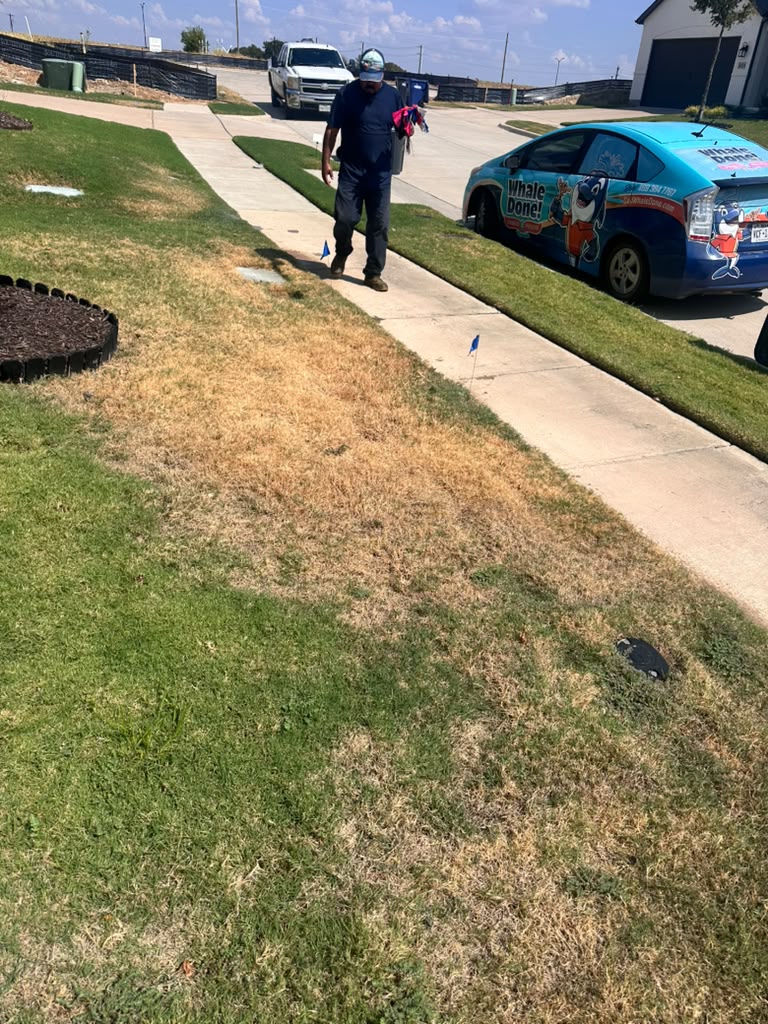
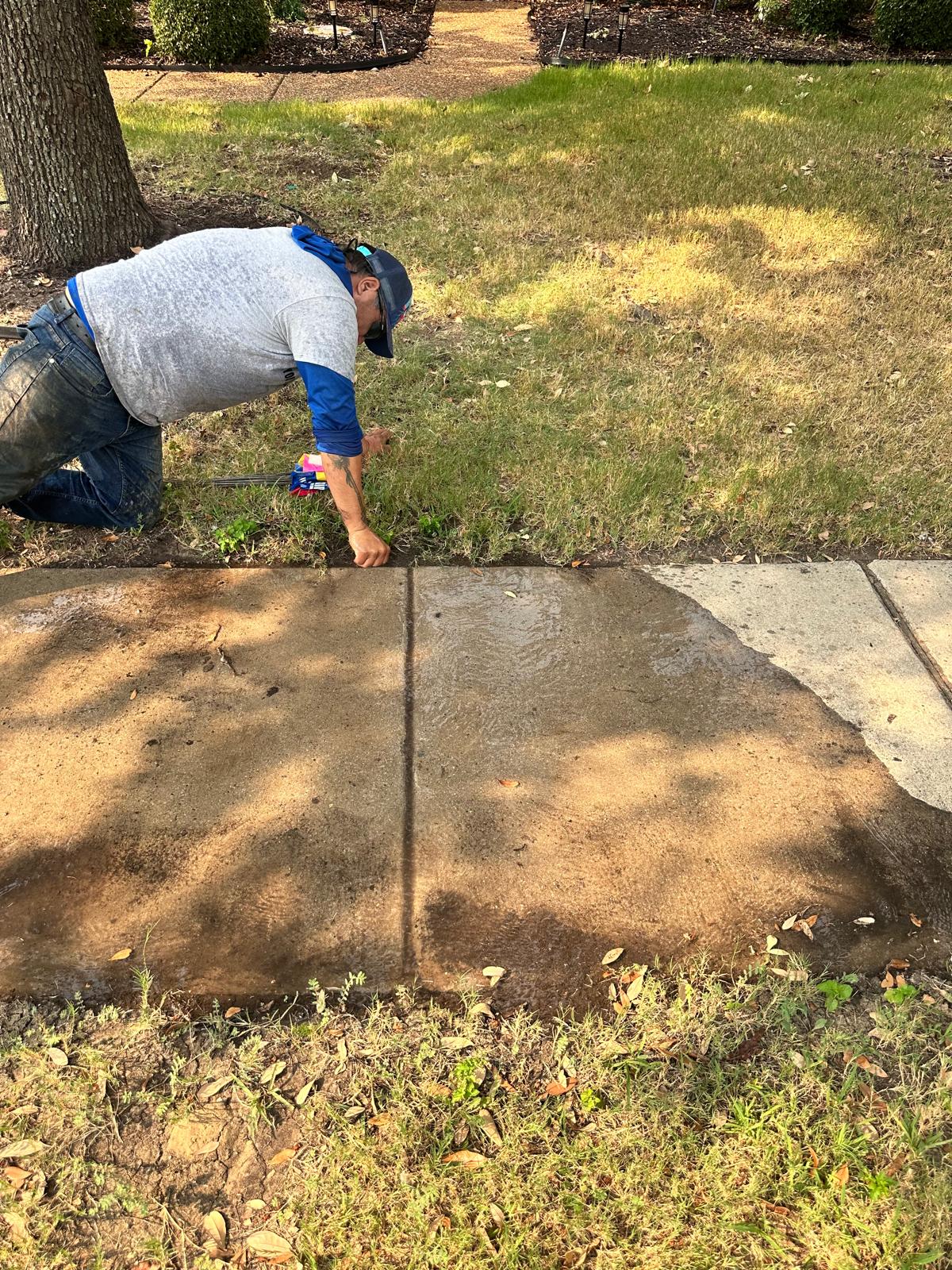
Persistent wet spots in areas where irrigation is not actively running often indicate underground pipe leaks. Water escaping from damaged pipes can saturate the soil, creating muddy patches and standing water.
Uneven Lawn Growth
A leaking pipe can result in certain sections of your lawn receiving excessive water while other areas remain dry. This often creates:
- Greener patches
- Faster-growing grass
- Brown or stressed areas
- Uneven plant development
Changes in landscape appearance should never be ignored.
Reduced Sprinkler Performance
If sprinkler heads are producing weak spray patterns or failing to deliver adequate coverage, a leak may be reducing water pressure throughout the system.
Common symptoms include:
- Weak spray
- Incomplete coverage
- Irregular water distribution
- Sprinkler heads not popping up properly
Soil Erosion
Underground leaks can gradually wash away surrounding soil. Over time, this may lead to depressions, sinkholes, or exposed sprinkler components.
Common Locations Where Leaks Occur
Understanding where leaks commonly develop can make inspections more effective.
Pipe Connections
Pipe connections are among the most common locations where irrigation leaks develop. Joints and fittings experience repeated pressure fluctuations every time the sprinkler system operates. Over time, these constant changes can loosen connections, wear down seals, or create small cracks that allow water to escape and reduce overall system efficiency.
Valve Boxes
Valve boxes contain the control valves responsible for directing water to different irrigation zones throughout the landscape. Because these components are frequently exposed to moisture, soil movement, and normal wear, damaged seals, cracked housings, or faulty valve parts can develop. These issues often cause hidden leaks that may go unnoticed for extended periods.
Sprinkler Head Connections
The connection point between sprinkler heads and underground irrigation pipes is especially susceptible to damage. Regular foot traffic, lawn maintenance equipment, soil shifting, and accidental impacts can weaken these connections over time. When damage occurs, water may leak beneath the surface, leading to inefficient irrigation and potential landscape problems.
Main Water Supply Line
The main water supply line serves as the primary source of water for the entire irrigation system. Any leak in this critical component can result in significant water loss and increased utility costs. Because supply line leaks often occur underground, they may remain hidden until noticeable signs such as soggy soil or reduced pressure appear.
How to Inspect Your Irrigation System
Regular inspections can help identify issues before they become serious.
Conduct a Visual Inspection
Walk through your property while the irrigation system is running.
Look for:
- Pooling water
- Muddy areas
- Broken sprinkler heads
- Excessive runoff
- Uneven spray patterns
Carefully examine all visible components for signs of wear.
Check Water Pressure
Changes in water pressure often indicate hidden problems within the system. Low pressure can signal leaks, blockages, or damaged components.
Guidelines from the Irrigation Association emphasize the importance of maintaining proper pressure levels for optimal irrigation performance.
Monitor the Water Meter
A simple meter test can help detect hidden leaks.
- Turn off all water fixtures.
- Shut down irrigation zones.
- Record the water meter reading.
- Wait several hours.
- Recheck the meter.
If the reading changes despite no water usage, a leak may be present.
Inspect Irrigation Zones Individually
Run each irrigation zone separately to identify which section may contain a leak. This process helps narrow down the affected area and simplifies troubleshooting.
The Impact of Ignoring Sprinkler Pipe Leaks
Many property owners delay repairs because small leaks seem insignificant. Unfortunately, the consequences often become more severe over time.
Increased Water Costs
Even minor leaks can waste hundreds or thousands of gallons annually, significantly increasing utility expenses.
The Fix a Leak Week initiative highlights how small leaks can result in substantial water waste if left unaddressed.
Landscape Damage
Excess water can:
- Drown plant roots
- Encourage fungal growth
- Promote weed development
- Damage turfgrass
Meanwhile, areas receiving insufficient water may become dry and unhealthy.
Structural Concerns
Persistent underground leaks near foundations, sidewalks, or driveways can contribute to soil movement and structural instability.
Environmental Impact
Water conservation remains an important concern throughout Texas. Repairing leaks helps reduce unnecessary water consumption and supports responsible resource management.
Preventing Sprinkler Pipe Leaks
Preventive maintenance is often the most effective strategy for avoiding major irrigation problems.
Schedule Routine Inspections
Inspect your irrigation system several times throughout the year, particularly during peak watering seasons.
Replace Aging Components
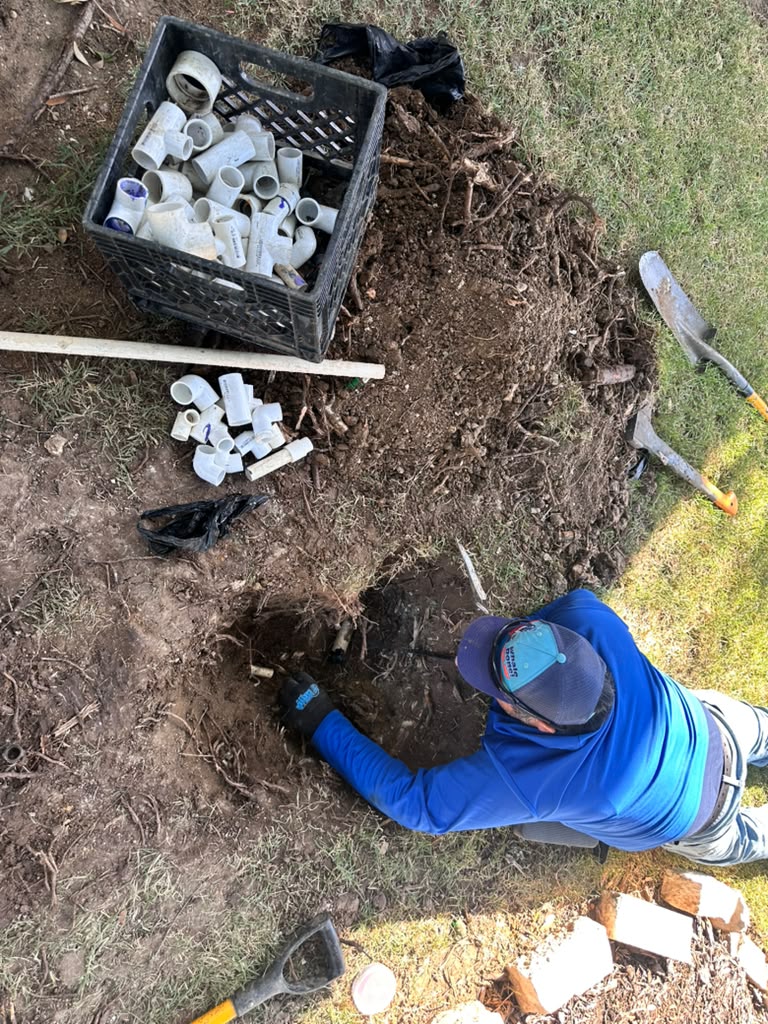
Old pipes, valves, and sprinkler heads become more susceptible to failure. Replacing worn parts before they fail can prevent costly repairs.
Avoid Excessive Water Pressure
High pressure places unnecessary stress on irrigation components.
According to recommendations from the Texas Commission on Environmental Quality, maintaining efficient irrigation practices can help reduce water waste and system strain.
Protect Underground Pipes
When planting trees or performing landscaping projects, take care to avoid damaging buried irrigation lines.
Winterize the System
Although Anna experiences relatively mild winters, occasional freezing temperatures can still affect irrigation pipes. Proper seasonal preparation helps reduce the risk of pipe damage.
Professional Leak Detection Benefits
While some leaks are visible, others require specialized equipment and expertise.
Professional inspections can provide:
- Accurate leak location
- Faster diagnosis
- Reduced excavation
- Comprehensive system evaluation
- Long-term repair solutions
Advanced detection tools often identify hidden leaks without unnecessary digging or disruption to the landscape.
Why Early Detection Matters
The sooner a leak is identified, the easier and less expensive it typically is to repair. Early intervention can help:
- Lower water bills
- Protect landscaping investments
- Preserve irrigation efficiency
- Prevent soil erosion
- Extend system lifespan
Routine monitoring allows homeowners to address small issues before they become major problems.
Maintaining an Efficient Irrigation System
An efficient irrigation system benefits both your property and the environment. Establishing a maintenance routine can improve performance throughout the year.
Recommended practices include:
- Monthly visual inspections
- Seasonal system audits
- Sprinkler head adjustments
- Pressure checks
- Valve inspections
- Prompt repairs
These simple steps can significantly reduce the likelihood of future leaks.
Conclusion
If you suspect sprinkler pipe leaks in Anna TX, addressing the issue promptly can help prevent costly repairs, water waste, and landscape damage. Regular inspections, proper maintenance, and early leak detection are essential for keeping your irrigation system operating efficiently throughout the year.
For professional assistance with sprinkler pipe leaks in Anna TX, contact Whale Done Sprinklers & Irrigation.
Business Name: Whale Done Sprinklers & Irrigation
Phone: +1(469) 384-7767
Email: clientsupport@callwhaledone.com