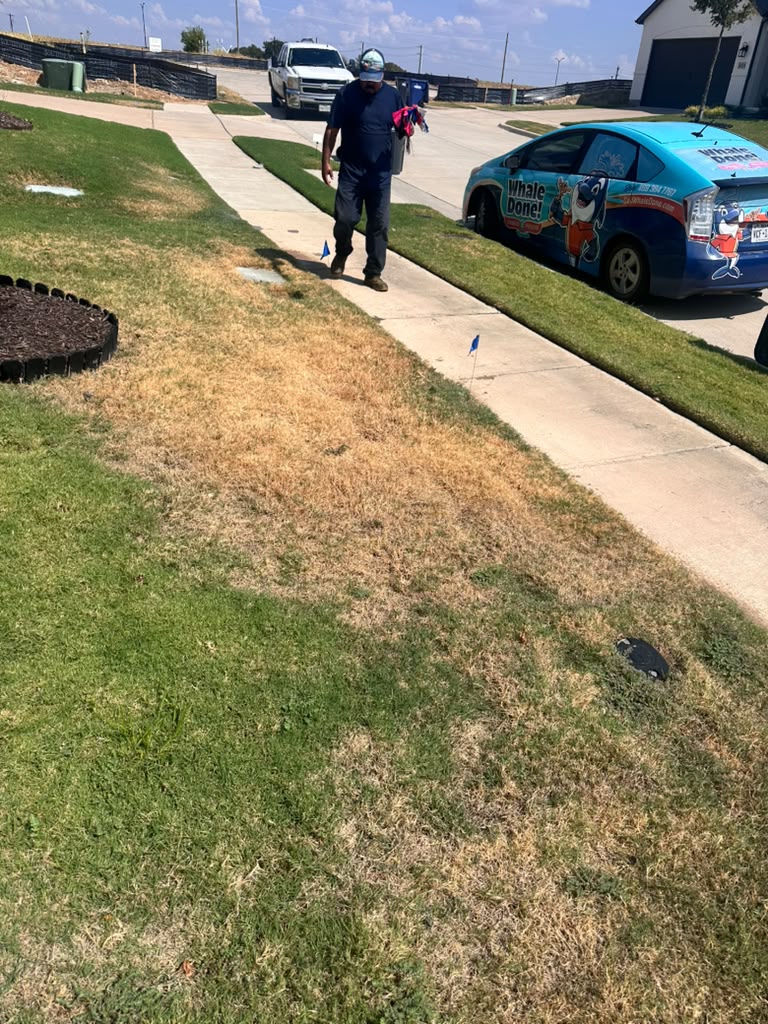
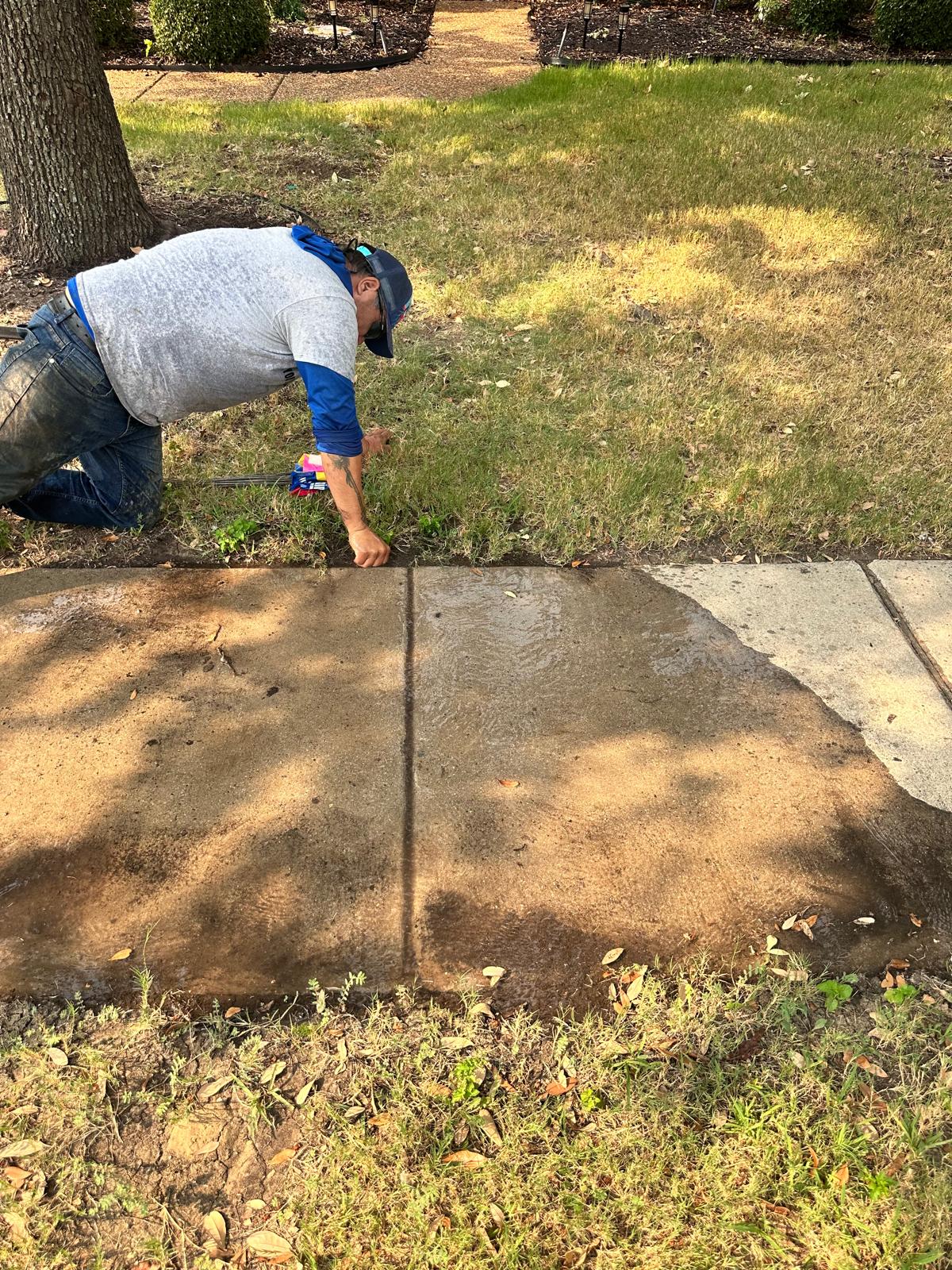
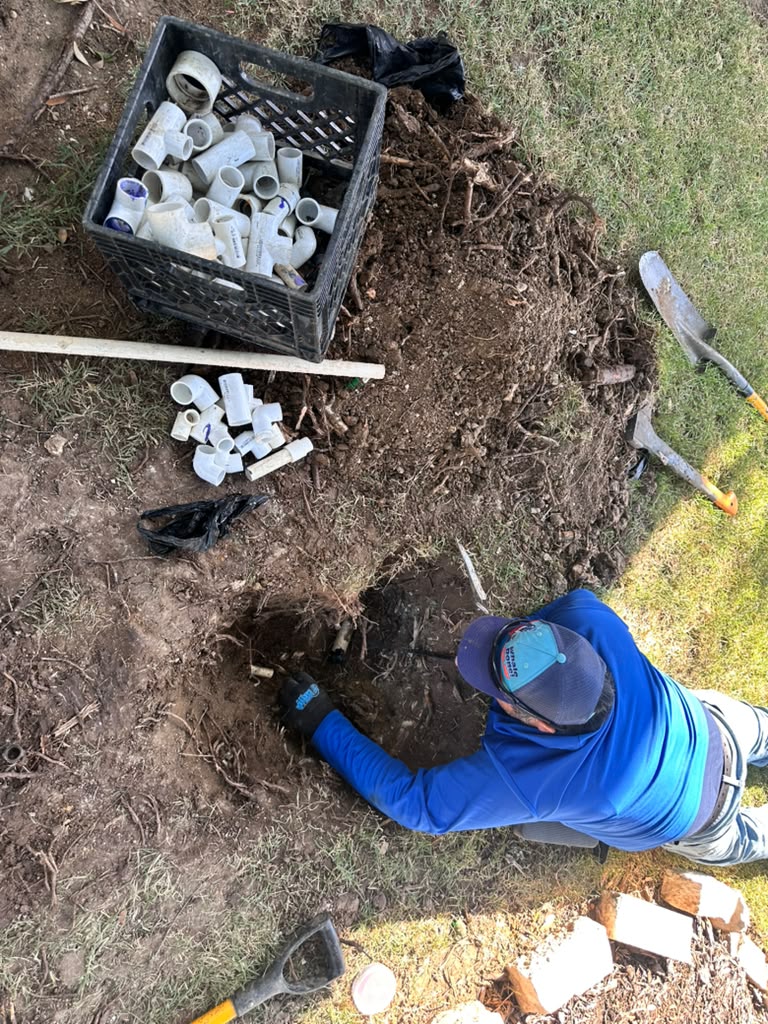
A catch basin in Frisco TX is often the missing solution when persistent drainage issues begin to affect your yard, landscaping, and even your home’s foundation. Homeowners in Frisco frequently deal with heavy rainfall, compacted clay soil, and uneven terrain, all of which contribute to standing water and poor drainage. While occasional puddles may not seem like a major concern, recurring water accumulation can lead to long-term structural and landscape damage. Understanding when your yard truly needs a catch basin can help you take proactive steps before minor issues escalate into costly repairs.
Understanding What a Catch Basin Does
A catch basin is a drainage structure designed to collect and redirect excess surface water away from problem areas. Typically installed at low points in a yard, it features a grated inlet that captures water and channels it into an underground drainage system.
Unlike simple surface drains, catch basins also trap debris such as leaves, dirt, and sediment. This prevents clogs in your drainage pipes and helps maintain consistent water flow. According to the EPA WaterSense program, effective water management systems are essential for protecting both residential properties and local water resources.
Common Signs Your Yard Needs Better Drainage
Not every yard requires a catch basin, but certain warning signs indicate when additional drainage solutions are necessary:
1. Persistent Standing Water
If water remains in your yard long after rainfall has stopped, it is a strong sign that the soil cannot drain efficiently. This is especially common in Frisco, where dense clay soil slows water absorption, causing puddles that can damage grass, attract mosquitoes, and create long-term drainage concerns.
2. Water Pooling Near the Foundation
Water collecting around your home’s foundation should never be ignored, as it can gradually weaken the surrounding soil and increase the risk of structural damage. Over time, excessive moisture may contribute to foundation cracks, shifting, water intrusion, and expensive repairs that could have been prevented with proper drainage.
3. Soggy or Mushy Lawn Areas
Areas of your lawn that remain soft, wet, or muddy for extended periods often indicate that water is trapped beneath the surface. Excess moisture can suffocate grass roots, encourage fungal growth, attract pests, and make your yard difficult to maintain or enjoy throughout the year.
4. Erosion or Washed-Out Soil
If you notice soil washing away after rainfall, it usually means water is moving across your yard with too much force. Continuous erosion can expose plant roots, damage flower beds, create uneven ground, reduce landscape stability, and increase the likelihood of future drainage problems.
5. Overflowing Gutters or Downspouts
When gutters or downspouts discharge large amounts of water into one location, the surrounding soil can quickly become saturated. This excessive runoff often overwhelms your yard’s natural drainage, causing standing water, soil erosion, foundation concerns, and damage to nearby landscaping features.
Why Frisco TX Properties Are Prone to Drainage Problems
Frisco’s environmental conditions play a significant role in drainage challenges:
- Clay Soil Composition: Clay retains water rather than allowing it to drain freely.
- Flat Terrain: Limited slope prevents natural runoff.
- Seasonal Storms: Heavy rainfall can quickly saturate the ground.
The Texas A&M AgriLife Extension highlights that North Texas soils often require engineered drainage solutions due to their low permeability.
When a Catch Basin in Frisco TX Becomes Necessary
Low areas in your yard where water consistently collects are often the first indication that a catch basin may be necessary. Since water naturally flows downhill, these depressions can remain saturated after rainfall and contribute to ongoing drainage problems. Properties that receive heavy runoff from roofs, driveways, or neighboring lots are also more likely to experience excessive water accumulation that requires better management.
In addition, if mulch, garden beds, or sections of your lawn are being washed away during storms, it is a sign that surface water is moving too quickly across the landscape. Existing drainage systems may also become overwhelmed during periods of heavy rainfall. Installing a catch basin helps collect excess water, improve drainage efficiency, reduce erosion, and better protect your yard and home’s foundation over time.
How Catch Basins Improve Yard Drainage
Catch basins provide an effective way to manage excess surface water by collecting runoff before it spreads across your yard and creates standing water or erosion. Strategically installed at low points where water naturally gathers, they help protect lawns, landscaping, patios, driveways, and your home’s foundation from unnecessary moisture damage. In addition to capturing water, catch basins are designed to trap leaves, dirt, twigs, and other debris before these materials enter underground drainage pipes. This filtration process helps prevent blockages, promotes consistent water flow, and reduces the need for frequent maintenance or costly pipe repairs.
Another significant advantage is their ability to integrate seamlessly with other drainage solutions, including French drains, channel drains, and underground piping systems. By working together as part of a complete drainage network, these systems efficiently move excess water away from your property, improving overall drainage performance, extending the lifespan of your landscape features, and helping maintain a safer, healthier, and more attractive outdoor environment throughout the year.
For additional insights into drainage system design, the Irrigation Association provides valuable resources on water management practices.
Comparing Catch Basins to Other Drainage Solutions
Catch Basin vs. French Drain
- Catch Basin: Collects surface water at specific points.
- French Drain: Redirects subsurface water through perforated pipes.
Often, both systems are used together for maximum effectiveness.
Catch Basin vs. Channel Drain
- Catch Basin: Ideal for localized pooling areas.
- Channel Drain: Better suited for long, narrow surfaces like driveways.
Choosing the right solution depends on your yard’s layout and drainage issues.
Installation Considerations for Frisco Homes
Proper Placement
Installing a catch basin in the wrong location can reduce its effectiveness. It must be positioned at the natural low point or where water flow is most concentrated.
Soil Preparation
Clay soil may require additional grading or amendments to ensure proper water flow toward the basin.
Pipe Connections
A catch basin must connect to a discharge point, such as a storm drain or designated drainage area, to function correctly.
Professional Assessment
A drainage professional can evaluate your yard and recommend the best placement and system design for long-term results.
Maintenance Tips for Catch Basins
Even the best drainage systems require routine maintenance to perform effectively:
- Remove debris from the grate regularly
- Inspect for sediment buildup
- Check for blockages in connecting pipes
- Clean the basin periodically
The Family Handyman drainage guide suggests seasonal inspections to prevent minor issues from becoming major problems.
Long-Term Benefits of Installing a Catch Basin
Protects Your Home’s Foundation
By directing excess water away from your home’s foundation, a catch basin helps minimize soil erosion, reduces hydrostatic pressure, prevents structural damage, and lowers the risk of expensive foundation repairs over time.
Improves Lawn Health
Proper drainage prevents excess moisture from accumulating around grass roots, reducing the risk of root rot, fungal diseases, and unhealthy turf while encouraging stronger plant growth and a healthier landscape.
Enhances Property Value
A yard with an efficient drainage system is more attractive to potential buyers because it reflects proper property maintenance, protects landscaping, minimizes future repair concerns, and improves overall curb appeal.
Reduces Mosquito Breeding
Standing water creates ideal breeding conditions for mosquitoes and other pests. Eliminating water accumulation with a catch basin helps promote a cleaner, healthier, and more comfortable outdoor living environment.
Common Mistakes to Avoid
- Installing a catch basin without proper grading
- Ignoring underlying drainage issues
- Using undersized pipes
- Failing to maintain the system
Avoiding these mistakes ensures your drainage solution remains effective for years.
Seasonal Considerations in Frisco TX
Spring and summer storms in Frisco can produce heavy rainfall that quickly overwhelms yards, creating standing water and increasing the need for reliable drainage solutions. During the fall, leaves, twigs, and other debris can accumulate in catch basins and drainage systems, restricting water flow and making regular cleaning essential to prevent blockages.
Although freezing temperatures are less common during winter, seasonal changes in moisture levels can cause the soil to expand and contract, affecting drainage performance and system stability. Performing routine inspections and seasonal maintenance throughout the year helps ensure your drainage system continues to protect your landscape and foundation effectively.
Integrating Catch Basins with Smart Irrigation
Modern irrigation systems can work alongside drainage solutions to create a healthier and more efficient landscape. Smart irrigation controllers automatically adjust watering schedules based on local weather conditions, seasonal changes, and soil moisture levels, helping prevent overwatering and reducing unnecessary water waste.
By minimizing excess irrigation, these systems lessen the amount of water that can contribute to pooling, erosion, and drainage problems. When paired with a properly designed catch basin and drainage system, efficient irrigation helps maintain balanced soil moisture, supports healthier lawns and plants, protects your home’s foundation, and promotes long-term landscape performance while conserving valuable water resources.
Conclusion
A catch basin in Frisco TX is an essential solution when your yard experiences persistent drainage problems, standing water, or soil erosion. By identifying the warning signs early and implementing a well-designed drainage system, homeowners can protect their property, improve landscape health, and prevent costly repairs.
If your yard shows signs of poor drainage, it may be time to consider professional assistance. Whale Done Sprinklers & Irrigation offers expert drainage solutions tailored to Frisco properties. For reliable service, contact them at +1 (469) 384-7767 or email clientsupport@callwhaledone.com to schedule an evaluation and restore proper drainage to your yard.