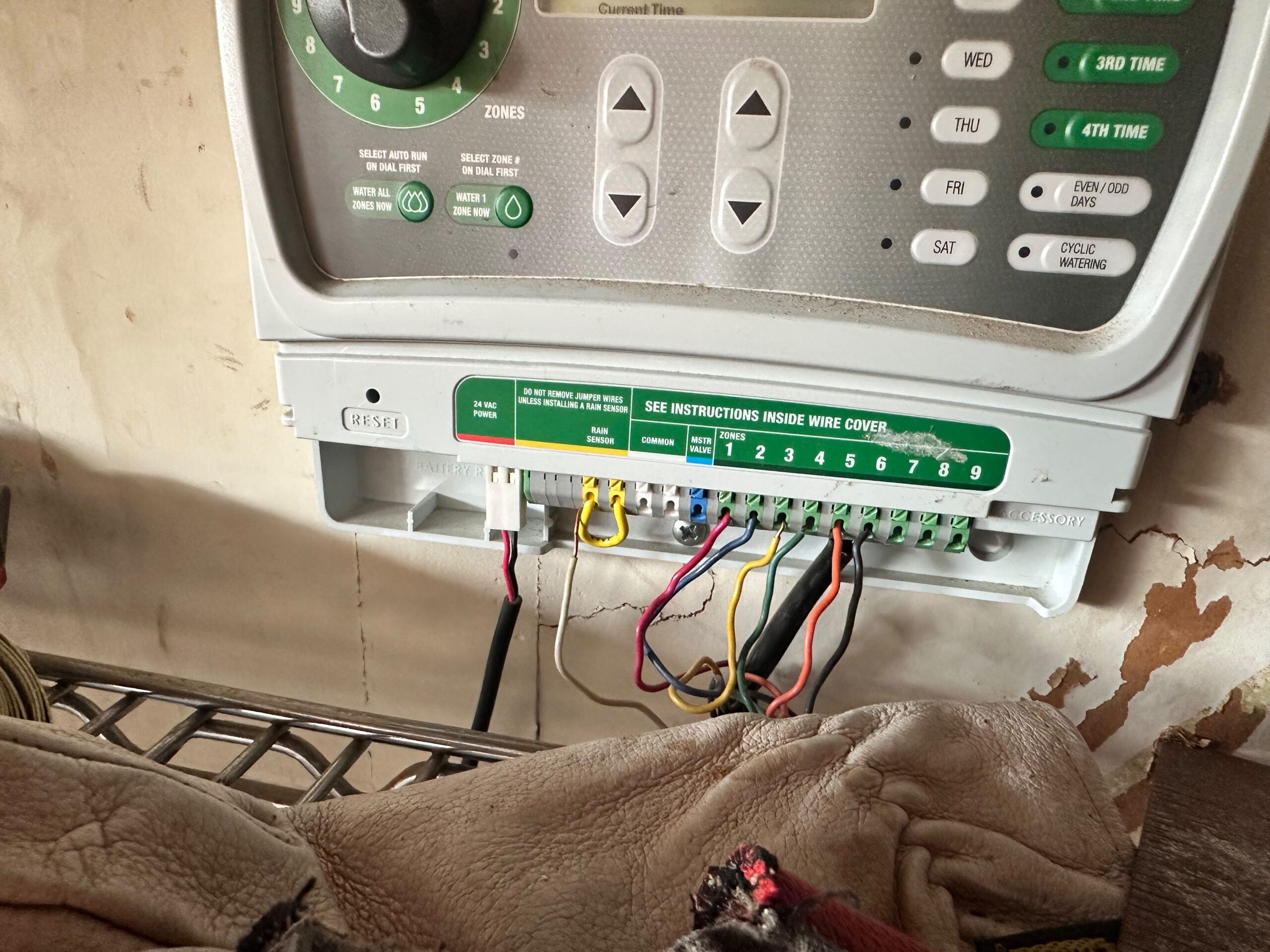
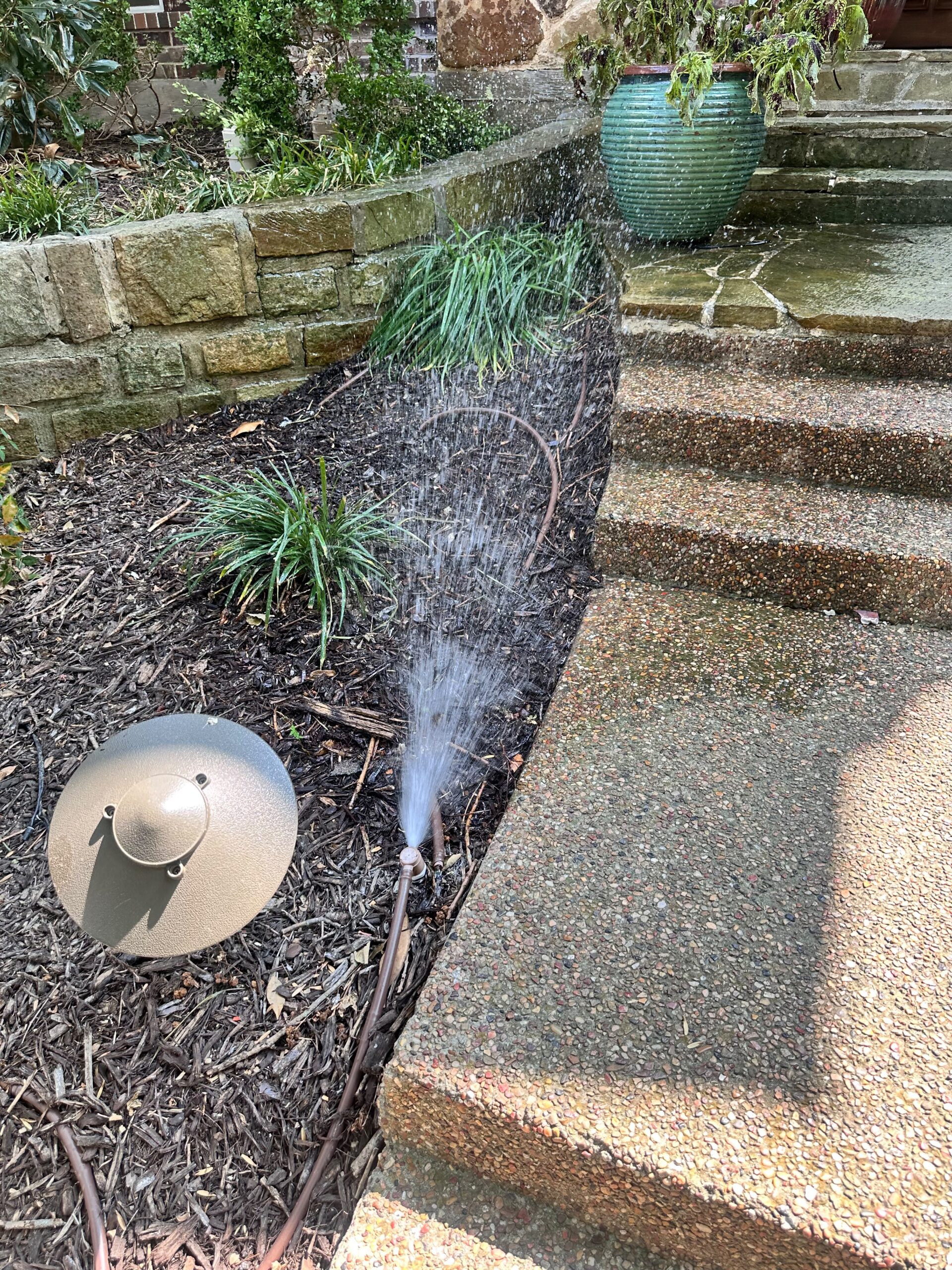
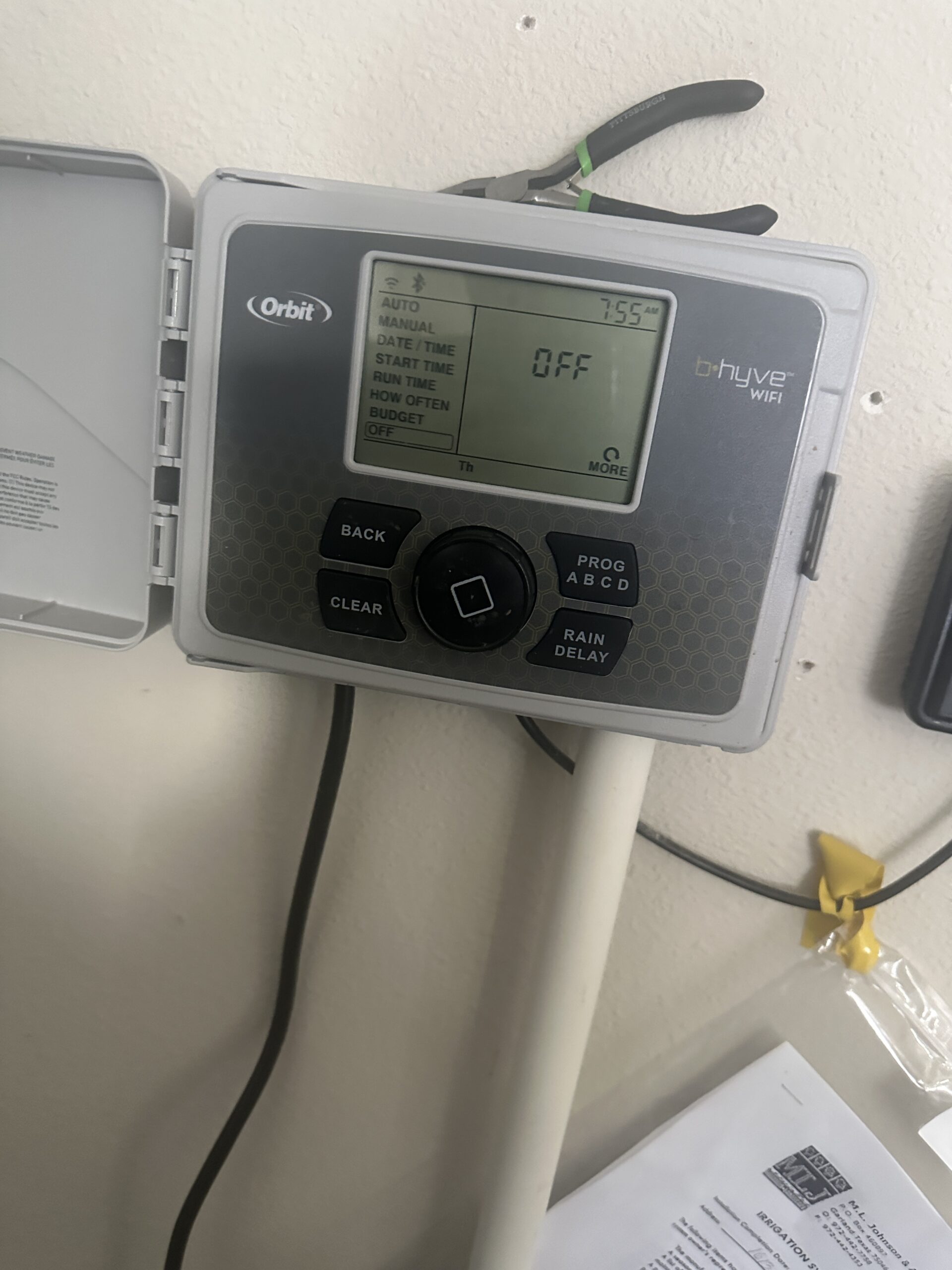
Whether to repair or replace a sprinkler controller in McKinney TX usually comes down to the controller’s age, the type of problem it’s having, and how the repair cost compares to a replacement. Minor issues, like a blown fuse or a loose wire, are often worth repairing. Controllers that are more than 10 to 15 years old, or that have recurring problems, are frequently more cost-effective to replace, especially since newer models often include features the old unit never had.
At a Glance
- Difficulty: Easy to diagnose the general issue; repair difficulty depends on the specific problem.
- Estimated Time: About 15 to 30 minutes to diagnose; repairs or replacement typically take longer depending on complexity.
- Tools Needed: A multimeter for electrical testing, a screwdriver, and the controller’s manual if available.
- Works For: Deciding between fixing an existing controller or upgrading to a new one.
- May Not Solve: Underlying wiring issues throughout the yard, which may still need attention regardless of which controller is used.
Why This Decision Matters
A sprinkler controller is the brain of the entire irrigation system. When it stops working correctly, whether that means it won’t power on, won’t hold a program, or triggers zones incorrectly, the rest of the system can’t function properly even if every head and valve outside is in good condition.
Not every controller problem requires a full replacement. Many issues, like a tripped circuit, a blown fuse, or a single damaged wire connection, can be fixed relatively easily and inexpensively. Other issues, particularly with controllers that are aging or were damaged by a power surge, often point toward a problem that’s likely to recur even after a repair.
This is where the repair-versus-replace decision for a sprinkler controller in McKinney TX becomes less about the specific symptom and more about the bigger picture: how old the unit is, how often it’s had problems, and whether a repair is likely to hold up long-term.
It also helps to think about the controller separately from the rest of the system. The heads, valves, and pipes underground can often last decades with proper care, but the controller is an electronic device exposed to heat, humidity, and occasional power surges. It’s reasonable for a controller to need replacement well before the rest of the system does, and that doesn’t necessarily mean anything else is wrong.
How To Decide Between Repair And Replacement of Sprinkler Controller in McKinney TX
Step 1: Identify The Specific Symptom
Note exactly what’s happening, such as the controller not powering on, not holding programmed settings, or triggering the wrong zones.
Step 2: Check The Power Source
A controller that won’t turn on at all may simply have a tripped breaker, a blown fuse, or a loose power connection rather than a failed unit.
Step 3: Test With A Multimeter If Comfortable Doing So
Checking voltage at the transformer and at each zone’s terminal can help determine whether the problem is with the controller itself or somewhere else in the wiring.
Step 4: Consider The Controller’s Age
Most sprinkler controllers last around 10 to 15 years. A unit near or past that range is more likely to have a repair be a short-term fix rather than a lasting one.
Step 5: Compare Repair Cost To Replacement Cost
If a repair costs a significant portion of what a new controller would cost, replacement is often the more practical choice, especially for older units.
Step 6: Factor In Missing Features
Older controllers often lack features like weather-based scheduling or app connectivity, which is worth considering if a replacement is already being weighed.
Step 7: Make The Decision And Document It
Whichever option is chosen, keeping notes on what was replaced or repaired makes future troubleshooting easier if a similar issue comes up again.
Step 8: Confirm Compatibility Before Installing A Replacement
If replacement is the chosen path, confirming the new controller matches the number of zones and wiring type used in the existing system helps avoid installation issues later.
Common Mistakes Homeowners Make
- Assuming any controller issue means full replacement. Many problems are simple fixes like a fuse or a loose connection.
- Repairing an old controller repeatedly instead of replacing it. Recurring repairs on an aging unit often cost more over time than one replacement.
- Not checking the power source first. A tripped breaker or blown fuse is sometimes mistaken for a failed controller.
- Ignoring surge damage after a storm. Power surges are a common cause of controller failure in North Texas, and a damaged unit may show intermittent rather than obvious symptoms.
- Choosing a replacement without matching zone capacity. A new controller needs to support at least as many zones as the current system uses.
- Overlooking the mounting location during replacement. Installing a new controller in the same poor location, such as direct sun or an unventilated area, can shorten its lifespan just as it did for the previous unit.
Local Considerations In McKinney, TX
North Texas weather patterns can directly affect how long a controller lasts.
- Summer heat can shorten a controller’s lifespan if it’s mounted in direct sun or a poorly ventilated area, since excessive heat stresses electronic components over time.
- Storms and power surges, common in North Texas throughout the year, are one of the more frequent causes of sudden controller failure, and a surge protector can sometimes help extend a controller’s lifespan.
- Humidity and moisture exposure for outdoor-mounted controllers can lead to corrosion on connections, which sometimes mimics a full controller failure but is actually a wiring issue.
- Water restrictions in many North Texas municipalities make it worth choosing a replacement controller that can be easily programmed to stay compliant with local watering day and time limits.
- Seasonal watering needs that shift throughout the year are easier to manage with a newer controller that offers more flexible or automated scheduling options.
Homeowners can review general water-efficiency guidance through the EPA’s WaterSense program or the Texas A&M AgriLife Extension for regional irrigation information.
What Else Could Cause Similar Symptoms
If a controller issue persists after basic troubleshooting, a few other factors may be involved:
- A damaged transformer, which can prevent the controller from sending power to zones even if the controller itself is fine
- Wiring issues in the yard, which can mimic a controller failure by causing certain zones not to activate
- A tripped breaker or blown fuse, which is a power supply issue rather than a controller problem
- A faulty valve, which can cause a zone to behave incorrectly even with a fully functioning controller
- Surge damage from a recent storm, which can cause intermittent rather than immediately obvious symptoms
A licensed sprinkler company can help pinpoint which of these may be involved if the controller itself tests fine.
Frequently Asked Questions
How do I know if my controller needs to be replaced rather than repaired? If the unit is older than 10 to 15 years, has recurring issues, or the repair cost is close to the price of a new controller, replacement is often the more practical choice.
Can a power surge damage a sprinkler controller? Yes. Power surges from storms are a common cause of sudden or intermittent controller failure in North Texas.
Is it worth upgrading to a smart controller when replacing an old one? Many homeowners find added value in automatic weather-based scheduling, though it isn’t required and a standard controller can still work well if maintained properly.
What’s the average lifespan of a sprinkler controller? Most controllers last around 10 to 15 years, though this can vary based on exposure to heat, moisture, and power fluctuations.
Should I try to repair a controller myself? Simple checks like power source and fuses are manageable for many homeowners, though internal repairs or full diagnostics are often better handled by a professional.
Bottom Line
Deciding whether to repair or replace a sprinkler controller in McKinney TX depends mainly on the unit’s age, the specific issue, and how repair costs compare to replacement. Simple problems like a blown fuse are usually worth fixing, while older units with recurring issues are often better replaced.
There’s no single right answer for every situation, but weighing age, cost, and how often problems have occurred typically points toward the more practical choice. In many cases, the decision becomes clear once those three factors are laid out side by side.
Next Step
Basic troubleshooting, like checking the power source and testing with a multimeter, is something many homeowners can do before deciding on repair or replacement. If the issue isn’t clear after basic checks, or involves wiring throughout the yard, a professional evaluation can help identify the actual cause and the most cost-effective path forward.
For controllers approaching or past the 10 to 15 year mark, it’s often worth getting a quote on replacement even if a repair seems possible, simply to compare the long-term value of each option before committing to one.
Related Resources
- Is A Smart Sprinkler Controller Worth It In Prosper TX?
- How Do I Know If My Rain Sensor Works In Celina TX?
- How Often Should A Sprinkler Timer Be Reprogrammed In Melissa TX?
- Could My Sprinkler Schedule Be Wasting Water In Anna TX?
Visit Whale Done to learn more about sprinkler system care in North Texas.
Conclusion
Choosing between repairing or replacing a sprinkler controller in McKinney TX often comes down to age, cost, and how often problems have occurred. Simple fixes are usually worth attempting first. If your controller keeps failing or basic troubleshooting doesn’t resolve the issue, Whale Done offers professional evaluations to help you decide on the most practical, cost-effective solution.