Seasonal maintenance in McKinney TX protects a sprinkler system by catching small problems, like a cracked head, a shifted spray pattern, or a stuck valve, before they turn into costly repairs or wasted water. Each season puts different stress on an irrigation system: winter brings freeze risk, spring brings growth and pressure changes, summer brings heat and heavy use, and fall brings prep for dormancy. A quick seasonal check adjusts the system for these changes so it keeps working efficiently and doesn’t damage the lawn, foundation, or water bill.
At A Glance
- Difficulty: Easy to moderate (some tasks require a licensed professional)
- Estimated Time: 30–60 minutes per seasonal check
- Tools Needed: Screwdriver, controller manual, garden flags, notepad
- Works For: In-ground sprinkler systems, drip irrigation, hybrid setups
- May Not Solve: Underground leaks, backflow device failures, or controller electrical issues (these require a professional)
Why Seasonal Maintenance Matters
A sprinkler system isn’t a “set it and forget it” fixture. Soil compacts, sprinkler heads shift, water pressure fluctuates, and North Texas weather swings from freezing nights to triple-digit afternoons within the same year. Without regular seasonal adjustments, a system can waste water, underwater the lawn, or suffer damage that isn’t visible until a pipe bursts or a controller fails.
Seasonal maintenance in McKinney TX is less about deep repairs and more about routine calibration. It’s the difference between a system that quietly does its job for 15+ years and one that needs frequent emergency service calls.
Most irrigation systems are designed to run for decades. What shortens that lifespan isn’t age, it’s small problems left unaddressed. A slightly clogged nozzle doesn’t seem urgent. Neither does a controller that’s still running a July schedule in October. But over a full year, these small inefficiencies add up to hundreds of gallons of wasted water and unnecessary strain on pumps, valves, and pipes.
Think of seasonal maintenance the same way as an oil change for a car. Nothing may look wrong on the surface, but skipping it consistently leads to bigger, more expensive problems down the road.
Seasonal Seasonal Maintenance in McKinney TX Checklist By Season
1. Winter: Protect Against Freeze Damage
McKinney sees enough freezing nights each winter to damage exposed pipes, backflow preventers, and valves if the system isn’t properly shut down.
- Shut off the water supply to the irrigation system.
- Drain or blow out the lines to remove standing water.
- Insulate above-ground backflow preventers.
- Turn the controller to “off” or “rain mode” for winter.
- Wrap or remove above-ground components that can’t be insulated in place.
- Check that the shutoff valve is fully accessible in case of an emergency freeze.
Many McKinney homeowners underestimate how quickly a single hard freeze can cause damage. Even one night in the low 20s is enough to crack a backflow preventer if water is still sitting inside it.
2. Spring: Wake The System Up Safely
Spring startup is when most damage from winter becomes visible.
- Turn the water supply back on slowly to check for leaks.
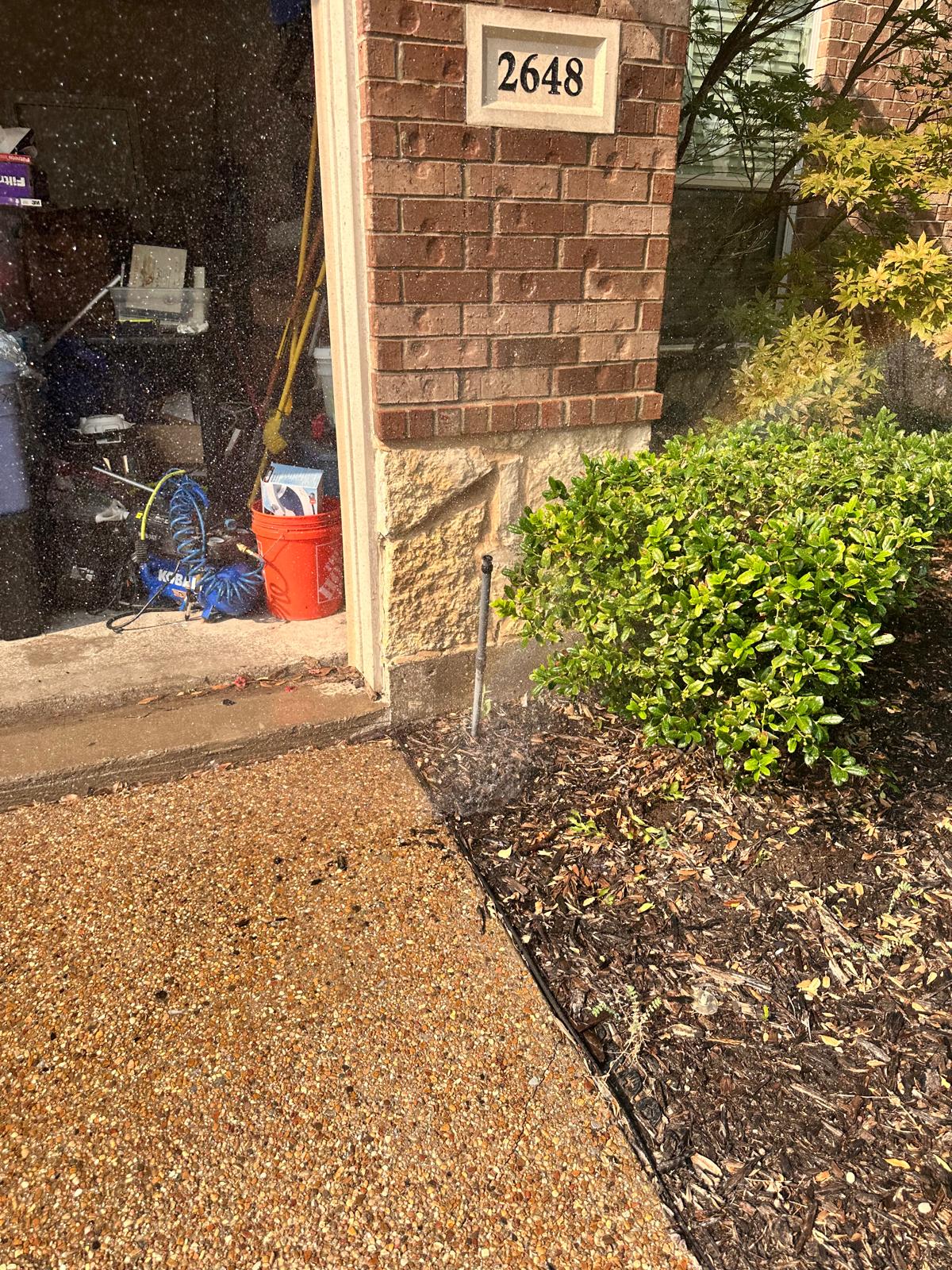
- Run each zone individually and watch for weak spray, pooling, or geysers.
- Check that spray heads pop up fully and retract properly.
- Reprogram the controller for spring watering needs.
- Walk the yard and note any zones with pooling water or dry patches.
- Test the rain sensor after the long winter break to confirm it still functions.
Spring is also a good time to compare this year’s water bill to last spring’s. A sudden jump, even before summer heat arrives, often points to a leak that started during the winter shutdown.
3. Summer: Manage Heat And Heavy Use
Texas summers push irrigation systems to their limit.
- Check for uneven coverage caused by wind or clogged nozzles.
- Adjust run times to avoid overwatering during peak heat.
- Look for brown patches, which may signal a head that isn’t reaching that area.
- Confirm the rain sensor is working so the system skips watering after storms.
- Watch for higher-than-normal water bills, which can signal a leak that only shows up under summer pressure.
- Consider early morning watering schedules to reduce evaporation loss during peak heat hours.
Summer is typically when McKinney sprinkler systems work hardest. It’s also when small issues, like a slightly tilted head or a partially clogged nozzle, become obvious because the lawn shows stress much faster in the heat.
4. Fall: Prepare For Dormancy
Fall maintenance sets the system up for a smooth winter shutdown.
- Reduce watering frequency as grass growth slows.
- Clear leaves and debris from around sprinkler heads.
- Inspect for summer wear and tear before the first freeze.
- Schedule winterization before the first hard freeze date.
- Trim back plants or grass encroaching on sprinkler heads.
- Double-check that all zones still cycle correctly before shutting the system down for the season.
Fall is easy to overlook because the weather is mild and the lawn looks fine. But this is the last practical window to catch problems before freezing temperatures make repairs more difficult and more urgent.
Common Mistakes Homeowners Make
- Skipping spring startup checks. Running the system on autopilot after winter often hides leaks until the water bill arrives.
- Not adjusting run times seasonally. A summer watering schedule left unchanged into fall wastes significant water.
- Ignoring the rain sensor. A disconnected or faulty sensor causes watering during and after rainfall.
- Waiting too long to winterize. A hard freeze can crack backflow devices and pipes before the system is drained.
- Assuming all zones are the same. Shaded areas, slopes, and different soil types often need different run times.
- Overlooking small leaks. A slow drip at a valve box or fitting rarely looks urgent, but it wastes water continuously until it’s fixed.
- Forgetting the controller’s backup battery. A dead battery can reset the schedule after a power outage, leading to missed or mistimed watering.
Local Considerations For McKinney TX
North Texas conditions make seasonal maintenance especially important:
- Clay soil drains slowly and can hold water at the surface, so overwatering is a common issue if run times aren’t adjusted seasonally.
- Summer heat increases evaporation, meaning early morning watering is usually more efficient than midday cycles.
- Wind can distort spray patterns, especially on exposed lots, leading to uneven coverage.
- Water restrictions set by local municipalities may limit watering days, so a system’s schedule should be reviewed against current guidelines.
- Freeze risk in winter makes timely winterization important to avoid cracked pipes and backflow devices.
- Foundation movement in clay soil areas can be worsened by inconsistent watering, since dry-then-wet cycles cause soil to shift.
Homeowners can check current watering guidance through the Texas Water Development Board and general irrigation efficiency tips from the EPA WaterSense program.
Because North Texas weather can shift quickly, from a mild week in February to a sudden hard freeze, it’s worth checking the forecast regularly during transition months rather than relying on a fixed calendar date for seasonal changes.
Related Problems That Look Like Maintenance Issues
If a system still isn’t performing well after a seasonal check, the cause may not be maintenance-related. It could be:
- Low water pressure from the municipal supply or a partially closed valve
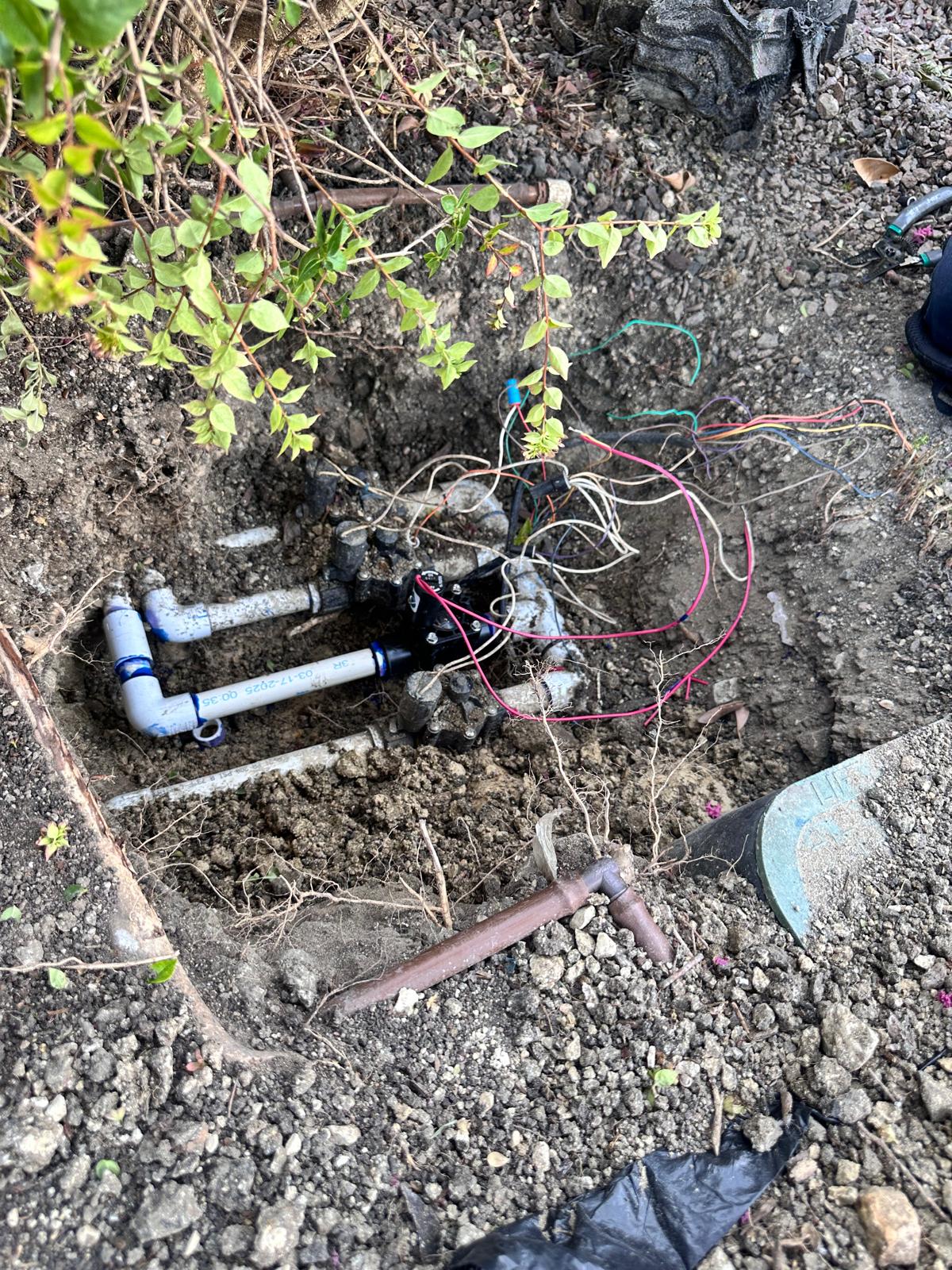
- A failing valve that won’t fully open or close
- Controller programming errors or a dead backup battery
- An underground leak that only shows up as soggy patches or unexplained water bills
Learn more about diagnosing these issues in Whale Done’s guide to common sprinkler system problems.
Frequently Asked Questions
How often should a sprinkler system be serviced in McKinney TX? Most systems benefit from a check at the start of each season, spring startup and fall winterization are the two most important visits.
Can seasonal maintenance be done without a professional? Many basic tasks, like checking heads and adjusting run times, can be done by a homeowner. Backflow testing and winterization are often better left to a licensed company.
What happens if a sprinkler system isn’t winterized? Water left in the pipes or backflow device can freeze, expand, and crack the components, leading to leaks or full replacement come spring.
Does seasonal maintenance actually lower water bills? Yes, in most cases. Adjusting run times and fixing minor issues like clogged nozzles or misaligned heads reduces water waste significantly over a season.
Is seasonal maintenance in McKinney TX different from other parts of Texas? The core steps are similar statewide, but McKinney’s clay soil, freeze patterns, and local watering restrictions make seasonal timing and adjustments especially important here.
Bottom Line
Seasonal maintenance in McKinney TX is one of the simplest ways to protect a sprinkler system from freeze damage, water waste, and costly repairs. A short check each season, winterizing in the fall, inspecting for leaks in the spring, adjusting for heat in the summer, and preparing for dormancy in the fall, keeps the system running efficiently year-round.
When Professional Help May Be Beneficial
Some tasks, like backflow testing, blowing out lines, or diagnosing pressure problems, require specialized tools and licensing. A licensed sprinkler company can also spot early signs of wear that aren’t obvious to a homeowner during a routine check.
Related Resources
Conclusion & Next Step
Seasonal maintenance in McKinney TX doesn’t require a major time investment, just a consistent check each season to catch small issues early. A well-maintained system uses less water, lasts longer, and avoids emergency repairs. If a system hasn’t been checked recently, a licensed sprinkler company can perform a full seasonal inspection and handle tasks like winterization and backflow testing safely.