A sprinkler service report in The Colony TX should give you a clear, written record of what a technician found, what was fixed, and what still needs attention. Without this information, homeowners are often left guessing whether their system is actually working correctly or just running on a timer. A thorough report protects your lawn, your water bill, and your understanding of your own irrigation system.
At A Glance
- Difficulty: Easy to read, no irrigation experience needed
- Time to Review: 5–10 minutes
- Who Provides It: A licensed sprinkler technician after an inspection or service visit
- Works For: Routine maintenance, seasonal start-up/shutdown, and repair visits
- May Not Solve: Underlying issues if the report is incomplete or vague
Why A Detailed Report Matters
An irrigation system is mostly buried underground, so homeowners can’t see valves, pipes, or wiring directly. A report is the only real documentation of the system’s condition. Without one, it’s difficult to track recurring problems, plan future repairs, or know whether last year’s fix actually held.
A vague report (“system checked, all good”) doesn’t give homeowners anything useful. A strong report reads more like a checklist paired with specific observations for each zone.
Think of it the same way you’d think of an oil change receipt for your car. A generic receipt tells you almost nothing. A detailed one tells you the mileage, what fluids were topped off, and what to watch for at the next visit. A sprinkler report should work the same way.
Homeowners who keep detailed reports also have an easier time if they ever sell their home or bring in a different company for future work. A clear paper trail shows the system has been properly maintained, which can matter during a home inspection or resale.
What A Sprinkler Service Report Should Include
1. Date, Technician, And Service Type
Every report should note the date of service, the technician’s name or company, and the type of visit performed—whether it was a routine check, a spring start-up, a winterization, or a repair call. This creates a timeline homeowners can reference later.
2. Zone-By-Zone Breakdown
Most Colony, TX yards have multiple irrigation zones covering different areas—front lawn, back lawn, flower beds, and sometimes drip lines. The report should list each zone individually and note:
- Whether the zone is functioning properly
- Number of sprinkler heads inspected
- Any heads that are clogged, broken, misaligned, or leaking
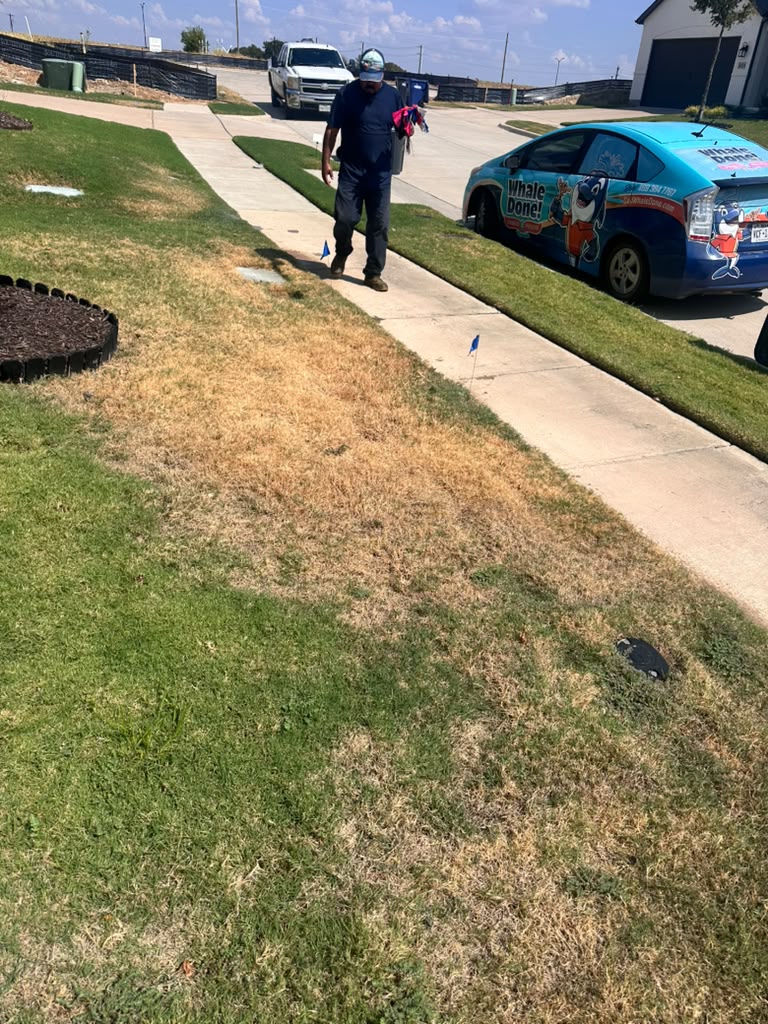
- Coverage issues, such as dry spots or overspray onto driveways and sidewalks
3. Water Pressure Readings
Water pressure affects spray pattern and distance. A report should note whether pressure was tested and whether it falls within a normal range for the system. Pressure that’s too high or too low can point to a valve issue, a leak, or a pressure regulator problem.
4. Controller And Programming Notes
The report should confirm the controller (timer) was checked, including current run times, start times, and the number of days per week the system is set to run. If the technician made adjustments—such as changing run times for the current season—those changes should be listed clearly, not just implied.
5. Valve And Backflow Preventer Condition
Valves control water flow to each zone, and the backflow preventer protects drinking water from contamination. Texas requires backflow devices on irrigation systems, and many municipalities, including those in Denton and Collin counties, require periodic testing. The report should state whether these components were inspected, tested, or serviced.
6. Leaks Or Signs Of Underground Issues
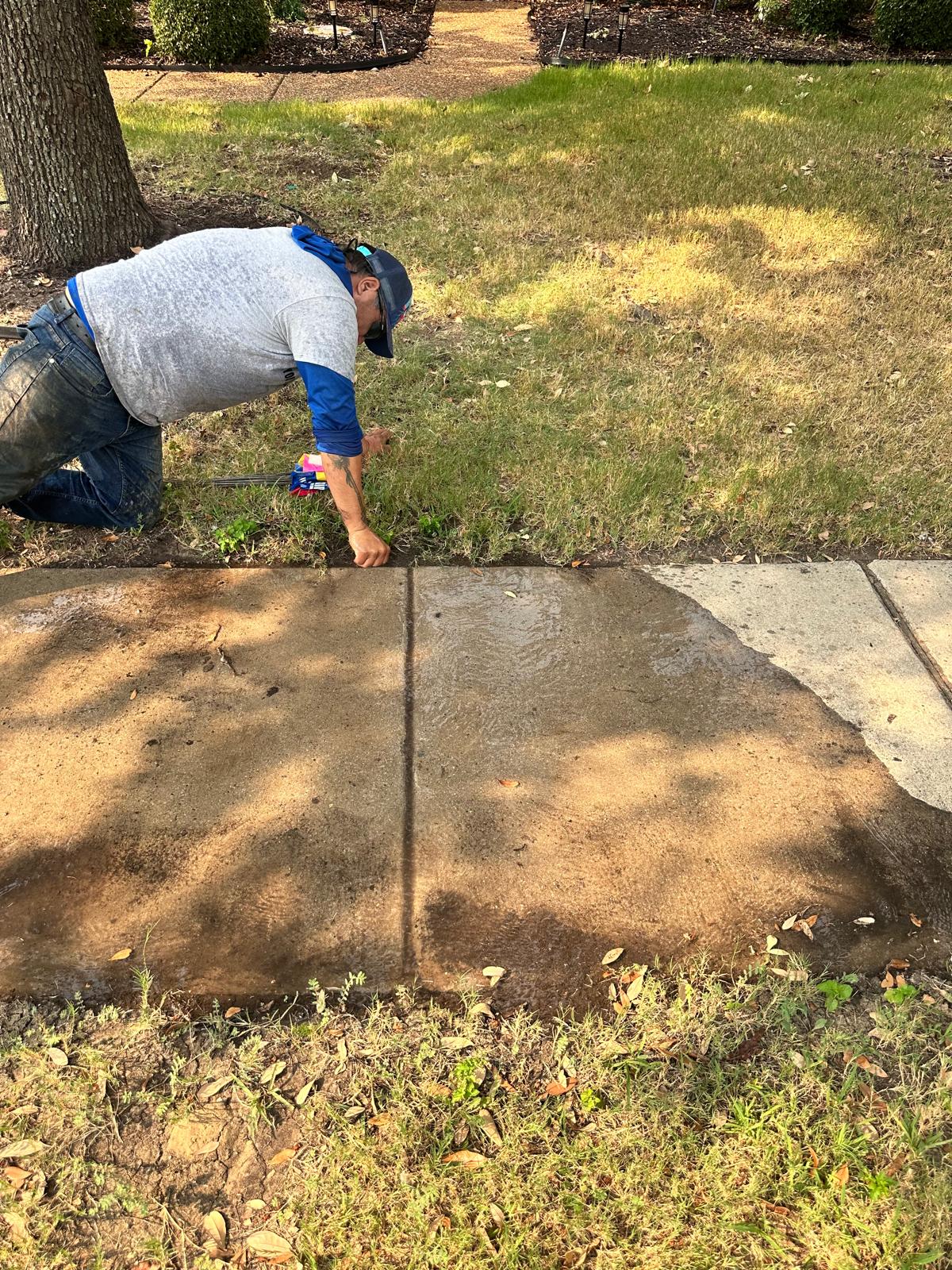
Even if no active leak was found, the report should note any warning signs observed, such as unusually soft or soggy soil, mineral staining near valve boxes, or a mainline pressure drop. Catching early signs saves homeowners from a larger repair down the road.
7. Repairs Completed During The Visit
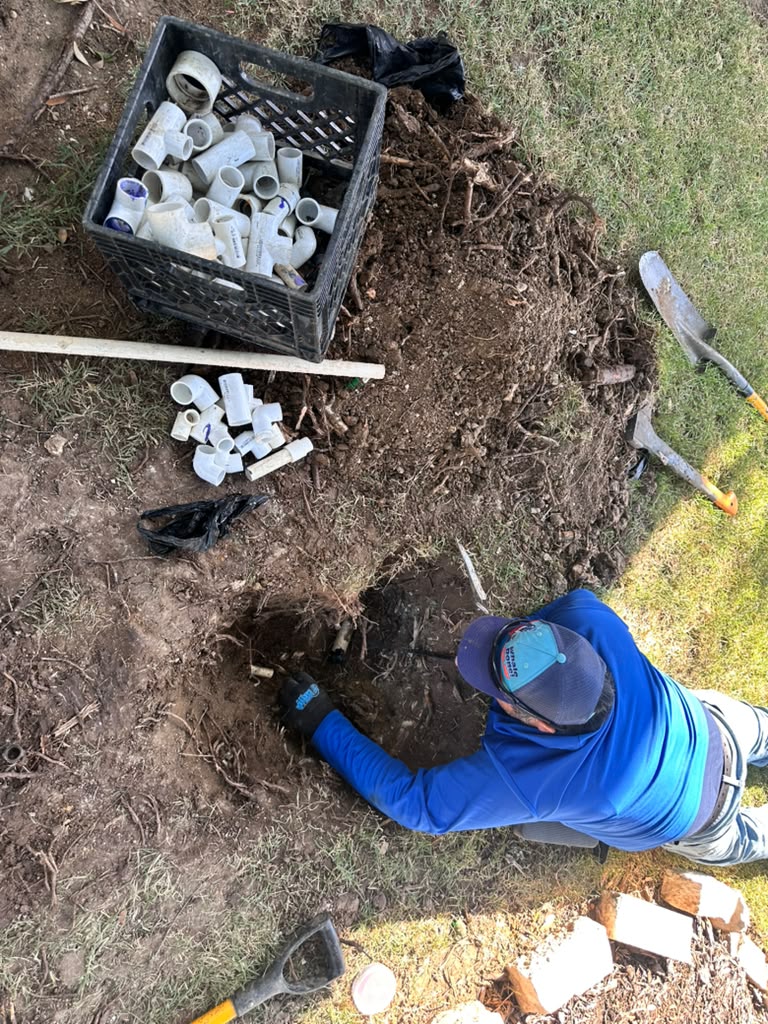
If any parts were replaced or repaired—sprinkler heads, nozzles, wiring, valves, or pipe fittings—the report should list exactly what was done. This creates a maintenance history and helps avoid confusion if the same component needs attention again later.
8. Recommendations For Follow-Up
A good report doesn’t just describe the past visit; it outlines next steps. This might include a recommendation to replace an aging component, monitor a specific zone, or schedule a follow-up test. Recommendations should be specific enough that a homeowner could act on them without needing to ask clarifying questions.
Common Mistakes Homeowners Make With Service Reports
- Not reading the report at all. Many homeowners file it away without reviewing it, missing early warning signs.
- Assuming “everything checked out” means the whole system was tested. Ask what was actually inspected.
- Losing past reports. Without a history, it’s harder to identify patterns, like a valve that keeps failing.
- Not asking questions about unclear terms. A licensed technician should be able to explain any finding in plain language.
- Ignoring recommendations because the system “seems fine.” Small issues left unaddressed often become bigger repairs.
- Comparing reports between different companies without context. One technician’s “minor wear” may be another’s “needs replacement soon.” Ask for specifics rather than just a rating.
- Not confirming which zones were actually run during the visit. A technician should physically activate each zone to observe it, not just visually inspect equipment while it’s off.
Local Considerations For The Colony, TX
North Texas conditions directly affect what a service report should flag. A few things worth watching for in this area:
- Clay soil: Common throughout The Colony, clay soil expands and contracts with moisture changes, which can shift pipes and cause leaks over time. A good report should note any soil movement near valve boxes or mainlines.
- Summer heat: High temperatures increase evaporation and stress on the system, making correct run times especially important during peak summer months.
- Seasonal watering restrictions: The City of The Colony, like much of North Texas, follows watering schedules tied to address or day of the week, particularly during drought conditions. A report should confirm the controller’s schedule complies with current restrictions.
- Freeze risk: Texas winters can bring sudden freezes. A winterization report should confirm whether the system was properly shut down and protected against freeze damage.
- Foundation-related plumbing shifts: Older homes in the area sometimes experience minor foundation movement, which can affect buried irrigation lines near the house.
- Wind exposure: Open lots and newer developments in The Colony can see stronger wind gusts, which affect spray distribution. A report should note whether spray patterns are being pushed off-target and whether nozzle types were adjusted to compensate.
- New construction soil settling: Homes built within the last few years may still be experiencing soil settling, which can shift sprinkler heads out of alignment even if the system was installed correctly.
These local factors are worth mentioning to your technician directly, since a report that accounts for regional conditions is more useful than a generic checklist.
Related Problems That May Not Show Up In A Basic Report
If a report seems incomplete or a problem persists after service, it could point to an issue outside the scope of a routine visit, such as:
- Low municipal water pressure affecting the entire system
- A failing backflow preventer requiring replacement, not just testing
- Wiring issues between the controller and valves
- A mainline leak located outside the inspected zones
- A rodent or root intrusion issue affecting buried lines, which isn’t always visible during a standard visual inspection
Homeowners dealing with these symptoms can learn more through Whale Done’s guides on common irrigation problems and sprinkler system maintenance. If a report keeps flagging the same zone visit after visit, that’s usually a sign the root cause hasn’t been fully identified yet, rather than a sign of a bad system overall.
How To Ask For A More Detailed Report
If a past report felt thin, homeowners can request more detail before the next visit. It helps to ask specifically for:
- A written zone-by-zone summary, not just a verbal recap
- Photos of any damaged components, if possible
- A copy of the controller’s updated schedule
- Confirmation of backflow testing status
Most licensed companies are glad to provide this level of detail when asked directly, since it protects both the homeowner and the technician.
Frequently Asked Questions
Does every sprinkler company provide a written report? Not always. Licensed companies typically provide one as standard practice, but it’s reasonable to ask for a written report if one isn’t automatically included.
How often should I get a sprinkler service report? Most homeowners in North Texas benefit from a report at spring start-up, a mid-season check, and winterization—roughly two to three times per year.
What if my report says everything is fine, but I still see dry spots? Dry spots can appear after a report if soil conditions or watering schedules change. It may be worth requesting a follow-up zone check rather than assuming the system needs full repair.
Can I use old reports to track recurring problems? Yes. Keeping reports over time helps identify patterns, such as a valve that fails repeatedly or a zone with chronic pressure issues.
Is a backflow preventer test required in The Colony, TX? Many North Texas municipalities require periodic backflow testing for irrigation systems. Homeowners should confirm current requirements with their local water provider, and resources like the EPA’s WaterSense program and Texas A&M AgriLife Extension offer additional guidance on irrigation efficiency and compliance.
Bottom Line
A sprinkler service report in The Colony TX should clearly document system condition, zone-by-zone findings, water pressure, controller settings, valve and backflow status, any repairs made, and specific recommendations. A detailed report gives homeowners a reliable record they can act on, rather than a vague summary that leaves questions unanswered.
Next Step
If a recent report seems incomplete, vague, or raises questions you can’t answer on your own, it may be worth requesting a more detailed inspection from a licensed sprinkler company. This is especially true if recurring issues, unexplained dry spots, or pressure concerns keep showing up year after year.
Related Resources
Conclusion & Call To Action
A clear sprinkler service report in The Colony TX gives homeowners real answers, not guesswork, about their system’s condition. It documents what was checked, what was fixed, and what to watch going forward. If your last report left questions unanswered, a licensed sprinkler professional can walk through the details with you and help you understand exactly where your system stands today.