A sprinkler system in Wylie TX gets its baseline established through a full inspection that documents current water pressure, zone-by-zone coverage, controller programming, and the condition of heads, valves, and the backflow preventer. This baseline becomes the reference point for every future service visit, making it easier to spot changes, catch small problems early, and track how the system performs over time. Without one, it’s much harder to know whether something has actually gotten worse or was always that way.
At A Glance
- Difficulty: Easy to understand, no irrigation experience needed
- Time Required: 45–90 minutes for a full-system inspection
- Who Performs It: A licensed sprinkler technician
- Works For: New homeowners, new installations, or systems without recent documentation
- May Not Solve: Existing problems on its own—a baseline documents condition, it doesn’t fix issues
Why A Baseline Matters
Most homeowners never see their irrigation system’s actual performance numbers. They know whether the grass looks green, but not whether a zone is running at the correct pressure or whether a valve is slowly failing.
A baseline changes that. It gives you a written, dated snapshot of how the system was operating on a specific day. Every future visit can then be compared against that starting point instead of relying on memory or guesswork.
This matters even more for a system in Wylie TX, since local soil, heat, and water pressure conditions can shift performance from one season to the next. A baseline makes those shifts easier to identify.
A baseline is also helpful when more than one technician might service the property over the years. Rather than each visit starting from a fresh guess, everyone works from the same original documentation. This consistency tends to lead to faster diagnoses and fewer unnecessary part replacements.
What A Sprinkler System in Wylie TX Baseline Includes
1. Static And Dynamic Water Pressure
A technician measures water pressure both when the system is off (static) and while a zone is actively running (dynamic). This establishes the normal pressure range for your property, which is useful later if spray patterns weaken or heads stop reaching their full distance.
2. Zone Count And Layout
The baseline should record how many zones exist, what each zone covers, and the type of heads or drip lines used in each area. This becomes a simple reference map, especially useful if a different technician services the system in the future.
3. Head-By-Head Condition
Each sprinkler head is checked individually for:
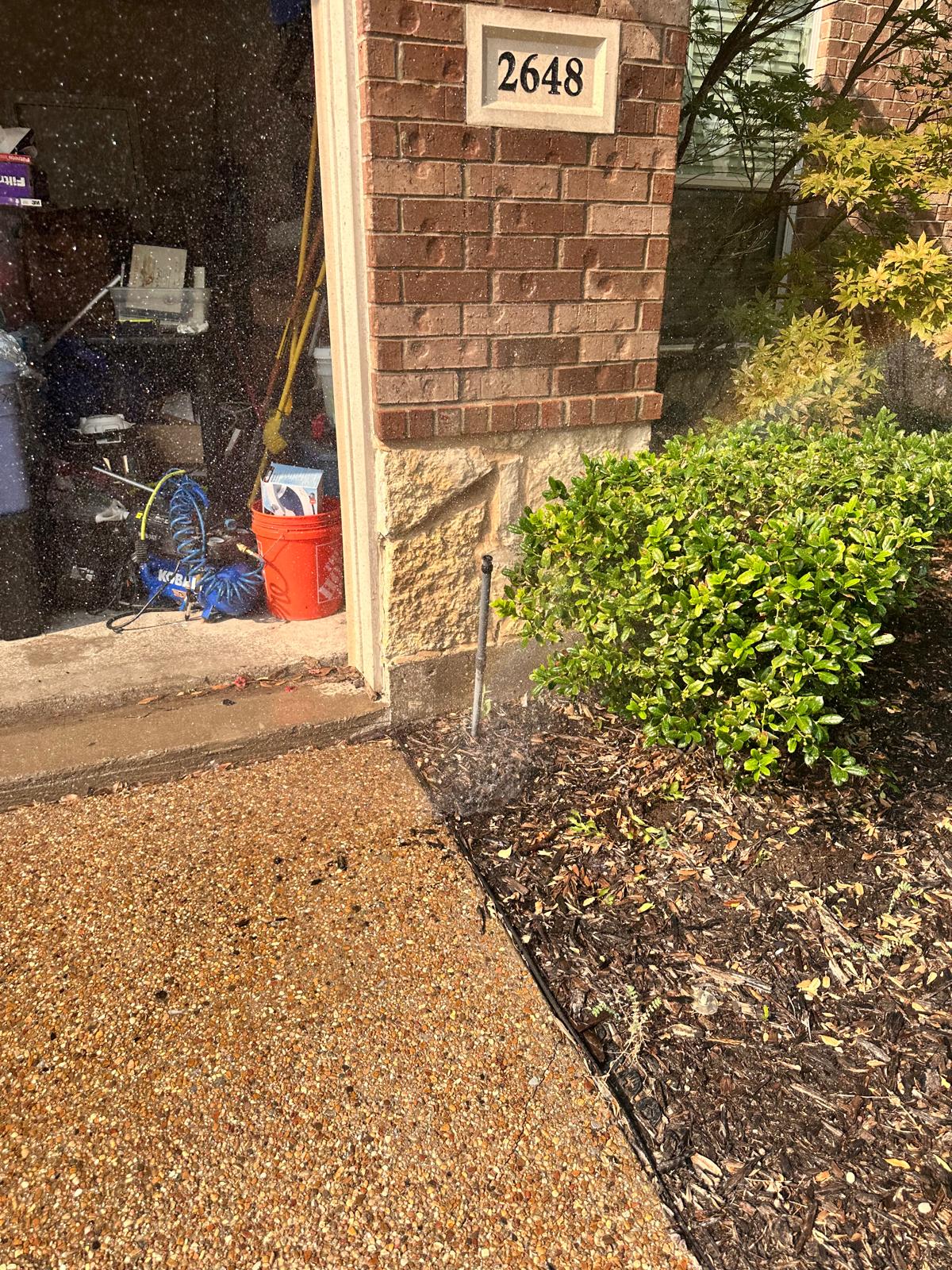
- Correct spray pattern and arc
- Physical damage, cracking, or leaning
- Clogged or worn nozzles
- Proper height relative to the grass line
Recording this at the start makes it easy to notice new damage later, rather than assuming a head has “always been that way.”
4. Controller Programming
The baseline documents the current run times, start times, and days per week for each zone. This is especially useful if a homeowner later inherits a system with no documentation, since it creates a starting reference for adjusting the schedule by season.
5. Valve And Wiring Function
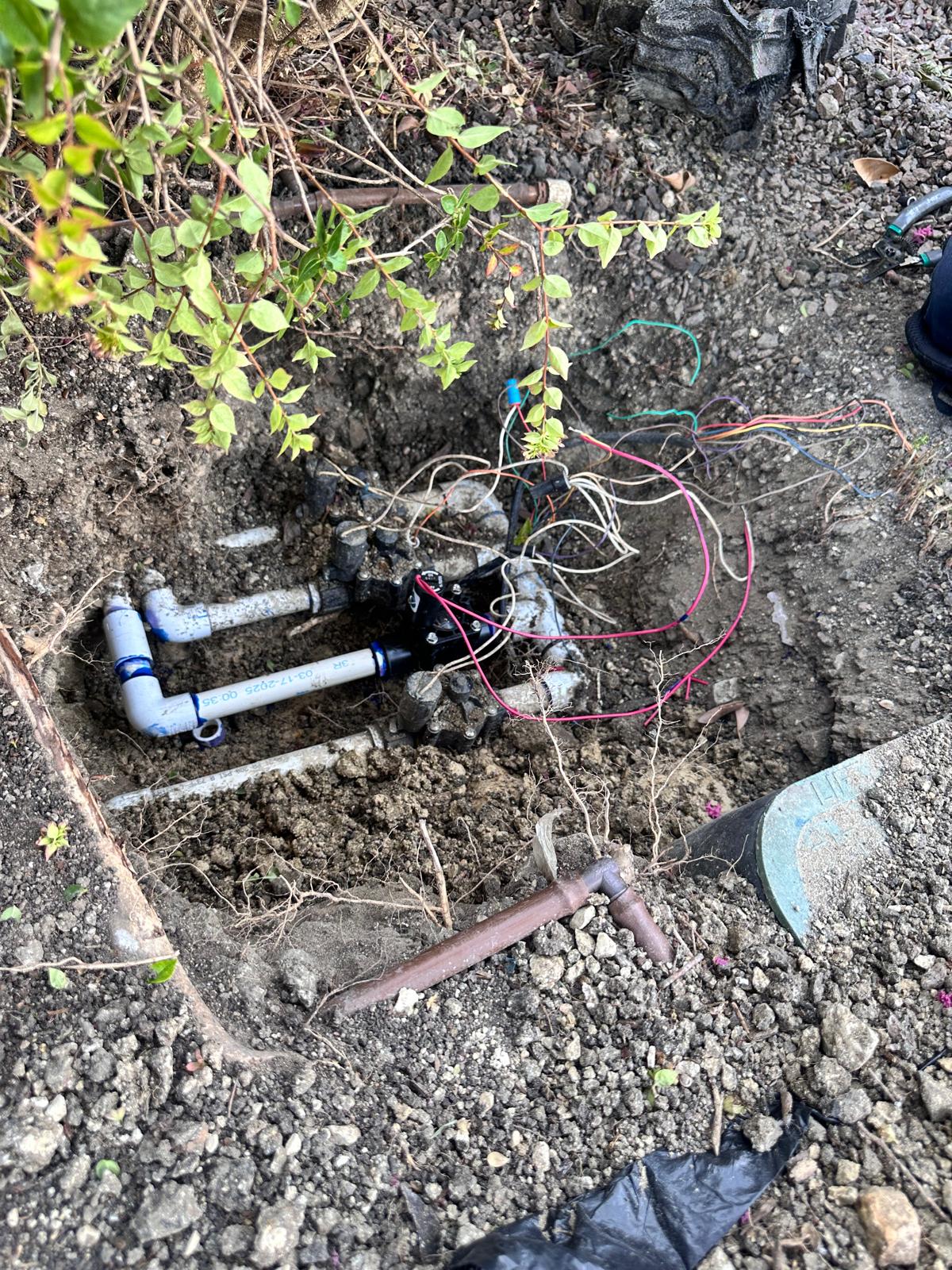
Technicians test each valve to confirm it opens and closes properly and check the wiring connections between the controller and valve boxes. Electrical issues are one of the more common causes of a zone that suddenly stops running.
6. Backflow Preventer Status
Texas requires a functioning backflow preventer on irrigation systems to protect the public water supply from contamination. The baseline should note the device’s condition and confirm whether it has been tested, along with the date of the last certification if available.
7. Soil And Coverage Observations
A thorough baseline includes notes on visible coverage gaps, dry spots, or overspray onto hardscape. It may also note soil type across different areas of the yard, since coverage needs can vary between clay-heavy zones and areas with better drainage.
8. Photos And Written Notes
Many licensed companies include photos of valve boxes, the controller, and any visible issues. Photos paired with written notes create a far more useful record than a verbal summary alone. When possible, ask that photos be timestamped or organized by zone so they’re easy to reference later.
Common Mistakes Homeowners Make
- Assuming a system doesn’t need a baseline if it’s “working fine.” A baseline is about documentation, not diagnosing a problem.
- Skipping a baseline after moving into a home with an existing system. Without one, there’s no way to know the system’s true starting condition.
- Only recording controller settings, not physical component condition. Both pieces matter for a useful baseline.
- Losing the baseline report over time. Keep a copy somewhere easy to find, such as with other home maintenance records.
- Treating the baseline as a one-time event. It’s most useful when compared against future inspections, not viewed in isolation.
- Assuming a baseline and a repair estimate are the same thing. A baseline is a record of condition, while an estimate addresses a specific problem that needs fixing.
- Not sharing the baseline with a new technician. If you switch companies, providing the original documentation helps the new provider get up to speed quickly.
Local Considerations For Wylie TX
Several regional factors affect how a baseline should be interpreted and maintained:
- Clay soil: Common throughout Wylie and the surrounding area, clay soil expands and contracts with moisture, which can shift buried pipes over time. A baseline should note any early signs of soil movement near valve boxes.
- Summer heat: High temperatures increase evaporation, meaning run times that work well in spring may need adjustment by mid-summer. The baseline’s original schedule is a useful reference point for those seasonal changes.
- Water restrictions: Wylie, like much of North Texas, follows watering schedules tied to address or day of week, particularly during drought stages. A baseline should confirm whether the current controller programming complies with active restrictions.
- Wind exposure: Open lots in newer Wylie neighborhoods can experience stronger wind, which affects spray distribution and may require adjusted nozzle types.
- Freeze risk: North Texas winters can bring sudden hard freezes. A baseline established before winterization helps confirm the system was properly shut down and protected.
- New construction settling: Newer Wylie neighborhoods often sit on recently graded lots, and soil settling in the first few years can shift sprinkler heads out of alignment even when the original installation was correct. A baseline taken early helps separate settling issues from actual equipment failure later on.
Related Problems That May Show Up After A Baseline
If issues appear after a baseline has been established, they often trace back to:
- A drop in municipal water pressure affecting the whole system
- A valve that has started sticking or leaking
- Controller wiring damaged by yard work, digging, or rodents
- A slow underground leak that wasn’t yet visible during the original inspection
Homeowners noticing these signs can review Whale Done’s guides on common irrigation problems and signs your sprinkler system needs repair for more detail on next steps.
How A Baseline Helps With Future Service
Once a baseline exists, every future visit becomes easier to evaluate. A technician can compare current pressure readings, head condition, and zone performance directly against the original numbers instead of starting from scratch. This also makes it simpler to explain, in plain terms, why a repair is being recommended.
Homeowners who keep their baseline on file often find it useful when selling a home, since it demonstrates a documented maintenance history to potential buyers.
It also helps with budgeting. When a technician can point to specific readings from the baseline and show how they’ve changed, homeowners have an easier time understanding why a repair is being recommended now rather than being told a component “just needs replacing” without context.
Frequently Asked Questions
- Do I need a baseline if my sprinkler system already works fine?
Yes, a baseline is still useful. It documents current performance so future changes are easier to identify, even if nothing is wrong today.
- How long does a baseline inspection take?
Most full-system baselines take between 45 and 90 minutes, depending on the number of zones and the property size.
- Can I request a baseline for a system I just moved into?
Yes. This is one of the most common reasons homeowners request one, since there’s often no documentation from the previous owner.
- Does a baseline fix any existing problems with my system?
No. A baseline documents condition; it doesn’t repair anything. If issues are found, they would need to be addressed separately.
- How often should a baseline be updated?
A baseline itself doesn’t need frequent updates, but comparing it against annual or seasonal inspections helps track changes over time. Resources from the Irrigation Association and EPA WaterSense program also offer general guidance on system efficiency benchmarks.
Bottom Line
A sprinkler system in Wylie TX establishes its baseline through a full inspection covering water pressure, zone layout, head condition, controller programming, valve function, and backflow status. This documented starting point makes every future service visit more accurate and easier to evaluate.
Next Step
If your system has never had a documented baseline, or if you recently moved into a home with an existing system, it may be worth scheduling a full inspection to create one. This is especially useful before making seasonal adjustments or if you’re planning any landscaping changes that could affect coverage.
Related Resources
- Sprinkler System Maintenance Tips
- Signs Your Irrigation System Needs Repair
- How Often Should You Service Your Sprinkler System
Conclusion & Call To Action
A documented baseline gives every sprinkler system in Wylie TX a clear starting point for tracking performance over time. It turns future service visits into simple comparisons instead of guesswork. If your system doesn’t have one on file, a licensed sprinkler professional can complete a full inspection and put a written baseline together so you always know where things stand.