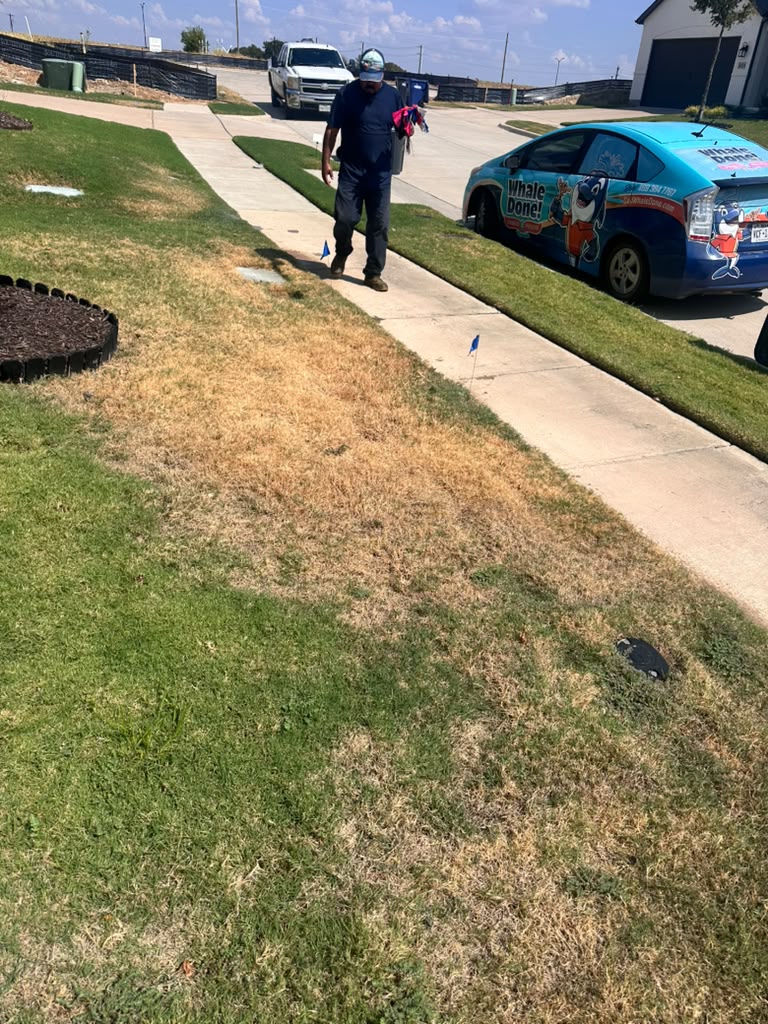
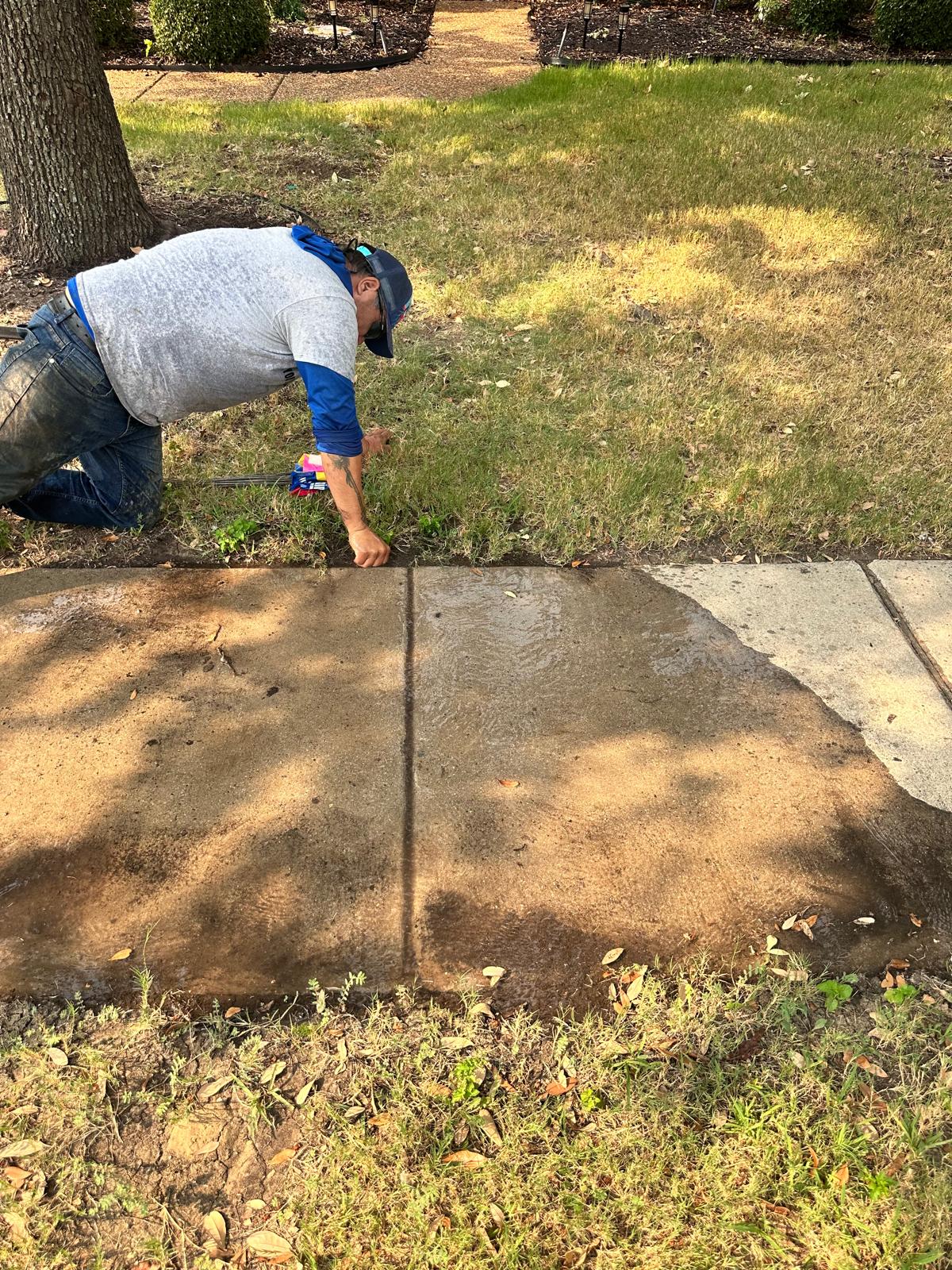
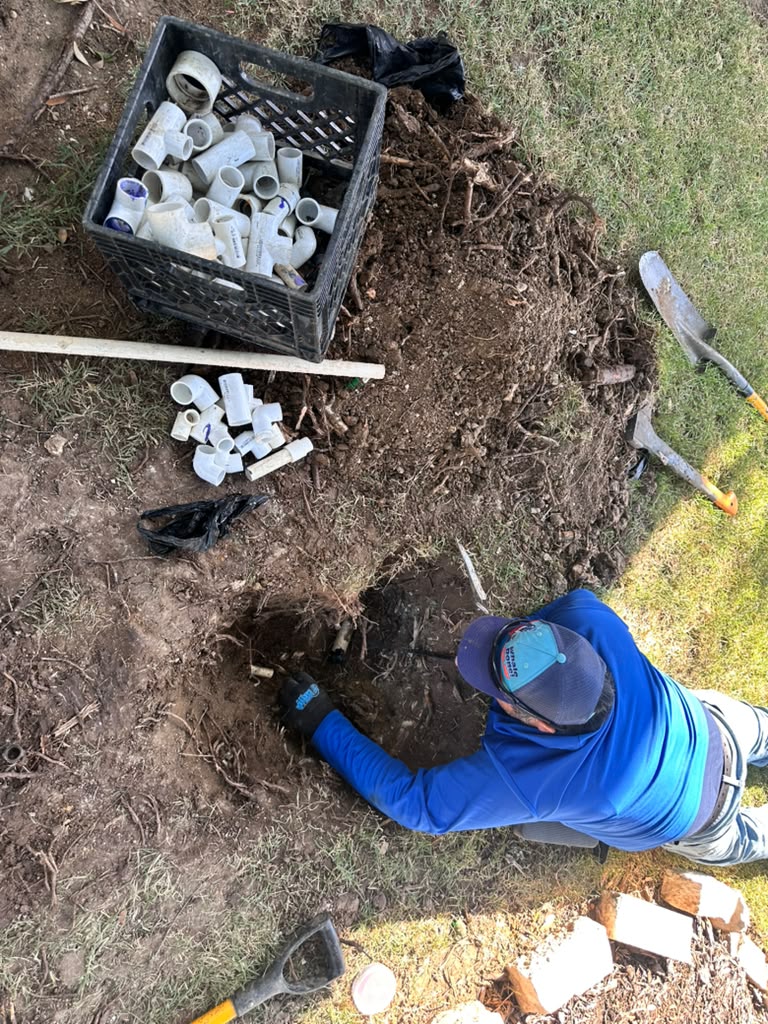
A sprinkler inspection in Anna TX helps homeowners catch problems early, before they turn into wasted water, higher bills, or damage to the lawn and foundation. A full inspection checks every zone, valve, head, and the controller to confirm the system is running efficiently. Many issues, like a slow leak, a stuck valve, or an uneven spray pattern, aren’t visible during normal use but show up clearly during a hands-on inspection. Catching these problems early is usually far less expensive than repairing damage after it spreads.
At A Glance
- Difficulty: Moderate (best performed by a licensed technician)
- Estimated Time: 30–60 minutes for a full system inspection
- Tools Needed: Pressure gauge, multimeter, controller manual, moisture meter (professional-grade tools)
- Works For: In-ground sprinkler systems, drip zones, and hybrid irrigation setups
- May Not Solve: Municipal water pressure issues or problems originating outside the property’s water line
Why A Full Sprinkler Inspection in Anna TX Matters
A sprinkler system runs quietly in the background for months at a time. Because it’s mostly underground, small problems don’t announce themselves the way a broken appliance would. A cracked pipe or a valve that’s stuck partially open can waste hundreds of gallons of water before a homeowner ever notices.
A full inspection isn’t the same as a quick walk-through. It involves checking water pressure at multiple points, testing each zone individually, and confirming the controller’s programming matches the season and the yard’s actual needs. This level of detail is what catches problems early, while they’re still simple and inexpensive to fix.
Think of it like a checkup rather than a repair visit. Nothing may be obviously broken, but a full inspection confirms the system is actually working the way it’s supposed to, not just running.
Many homeowners assume that if the lawn looks green and the sprinklers turn on, everything is fine. But a system can run every cycle on schedule and still be wasting water, watering unevenly, or slowly damaging a section of the yard that isn’t easy to see from the house. An inspection is the only way to confirm what’s actually happening below the surface.
What A Full Sprinkler Inspection Includes
1. Water Pressure Testing
Low or high water pressure affects how evenly a system waters the lawn. A technician checks pressure at the source and at individual zones to identify inconsistencies.
High pressure can cause misting, where water turns into a fine spray that drifts away before reaching the grass. Low pressure often shows up as weak coverage, especially at the far end of a zone.
2. Zone-By-Zone Testing
Each zone is run individually to check spray pattern, coverage, and head function. This step often reveals heads that are clogged, tilted, or sunk below grade.
Running zones one at a time also makes it easier to compare how long each area actually needs to water, since front yards, back yards, and slopes often have different requirements.
3. Valve Inspection
Valves are checked to confirm they open and close fully. A valve that’s stuck partially open is one of the most common causes of unexplained water loss.
A failing valve can also cause a zone to run when it shouldn’t, or fail to shut off completely, both of which quietly add up on a water bill over time.
4. Controller And Programming Review
The controller’s schedule is reviewed against the season, soil type, and any current water restrictions. Backup battery function is also checked, since a dead battery can quietly reset the schedule after a power outage.
Older controllers are also checked for outdated programming left over from a previous homeowner or a previous season, which is a common and easily overlooked source of overwatering.
5. Backflow Preventer Check
The backflow device is inspected to confirm it’s protecting the home’s drinking water supply from contamination, a requirement in many municipalities, including parts of Collin County.
6. Leak Detection
Soggy patches, unusually green spots, or a running water meter with the system off can all point to a leak. A full inspection includes checking for these signs throughout the yard.
Common Mistakes Homeowners Make
- Waiting for visible damage. Brown patches or pooling water often mean a problem has existed for weeks already.
- Assuming a working system is an efficient one. A system can run every day and still waste significant water due to pressure or coverage issues.
- Skipping the backflow check. This device protects drinking water and is often required by local code, but it’s easy to forget.
- Ignoring the controller’s programming. A schedule set months ago may no longer match the season or current water restrictions.
- DIY-only troubleshooting for underground issues. Surface-level checks can miss buried leaks or valve problems that require pressure testing to detect.
- Not comparing water bills month to month. A sudden increase is often the earliest and clearest sign that something below the surface needs attention.
- Overlooking older components. Systems more than 10 years old often have valves or heads nearing the end of their expected lifespan, even if they still technically function.
Local Considerations For Anna TX
Anna’s growing residential areas and North Texas climate make regular inspections especially useful:
- Clay soil common throughout Anna can hide leaks longer, since water tends to pool at the surface rather than draining visibly.
- Newer construction in many Anna neighborhoods means some systems are still under a few years old, but installation issues can still surface early.
- Water restrictions set by the City of Anna may limit watering days, making it important to confirm the controller’s schedule complies with current rules.
- Summer heat increases water demand, so pressure or coverage issues that seem minor in spring can cause real lawn stress by midsummer.
- Freeze risk in winter makes it worth inspecting the backflow preventer and exposed piping before the first hard freeze.
- Foundation movement, a known concern in North Texas clay soil, can be worsened by an inconsistent watering pattern caused by an undetected system issue.
Homeowners can review current outdoor watering guidelines through the City of Anna’s water conservation page and general irrigation efficiency standards from the EPA WaterSense program.
As Anna continues to grow, newer neighborhoods sit alongside older, more established ones, meaning inspection needs can vary widely from one property to the next depending on system age and soil conditions on that specific lot.
Related Problems That Look Like Inspection Issues
If a system seems inefficient even after a basic check, the cause may be something a full inspection would catch, including:
- A slow leak in an underground line
- A partially stuck or failing valve
- Controller programming that doesn’t match the season
- Low water pressure from the municipal supply
Learn more in Whale Done’s guide to common sprinkler system problems.
Because these issues often overlap, a full inspection is usually more efficient than trying to diagnose each symptom separately. A single visit can rule out or confirm several possible causes at once.
Frequently Asked Questions
- How often should a sprinkler system be inspected in Anna TX?
Most systems benefit from at least one full inspection per year, ideally in early spring before the summer watering season begins.
- Can a homeowner do a full inspection themselves?
Basic checks, like looking at heads and run times, can be done by a homeowner. Pressure testing, valve diagnostics, and backflow checks typically require professional tools and training.
- What are the signs a sprinkler system needs an inspection?
Uneven lawn color, unexplained increases in the water bill, pooling water, or a system that seems to run longer than it used to are all signs worth checking.
- Does a sprinkler inspection cost less than a repair?
In most cases, yes. Catching a small issue like a stuck valve or minor leak during an inspection is typically far less expensive than repairing water damage or a failed line later.
- Is a sprinkler inspection in Anna TX different from other North Texas cities?
The process is similar across the region, but Anna’s specific water restrictions, soil conditions, and mix of newer construction make local knowledge helpful when scheduling and interpreting an inspection.
Bottom Line
A sprinkler inspection in Anna TX gives homeowners a clear picture of how their system is actually performing, not just whether it’s running. Checking pressure, valves, coverage, and the backflow device catches problems while they’re still small and inexpensive to fix. It also gives homeowners confidence that the system is working efficiently rather than quietly wasting water in the background.
When Professional Help May Be Beneficial
Pressure testing, valve diagnostics, and backflow inspections require tools and training most homeowners don’t have on hand. A licensed sprinkler company can perform a full inspection and flag issues before they turn into bigger repairs, giving homeowners a clear, honest picture of the system’s condition rather than a guess based on how the lawn looks.
Related Resources
- Signs Of A Sprinkler Valve Problem
- Understanding Water Pressure Issues
- Sprinkler Winterization Guide
- How To Adjust Sprinkler Heads
Conclusion & Next Step
A sprinkler inspection in Anna TX helps homeowners catch small issues, like a stuck valve or a slow leak, before they turn into expensive repairs. Regular inspections keep water bills predictable and lawns healthy year-round. If it’s been over a year since the last check, or something seems off, a licensed sprinkler company can perform a full inspection and explain exactly what’s going on.