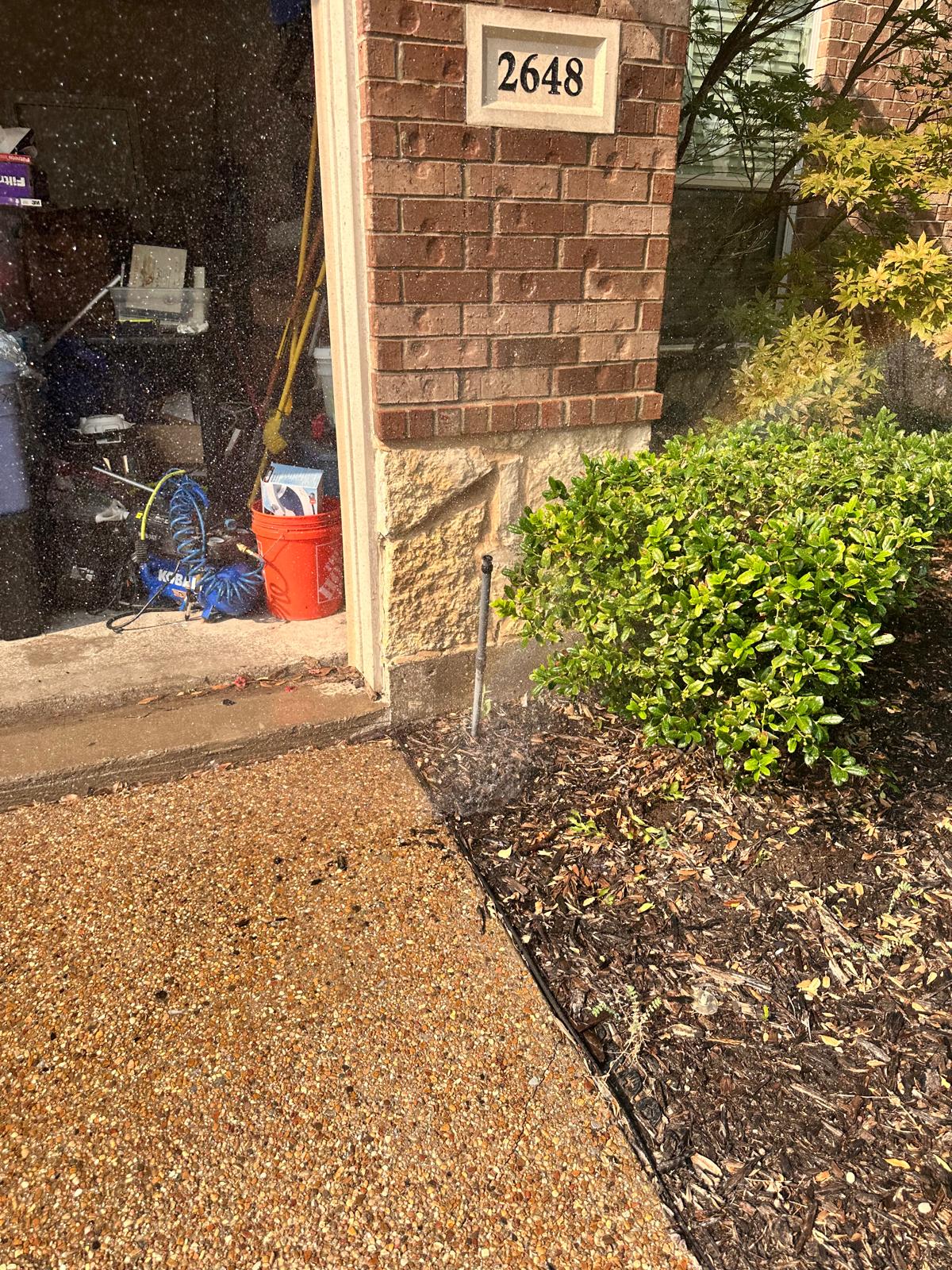
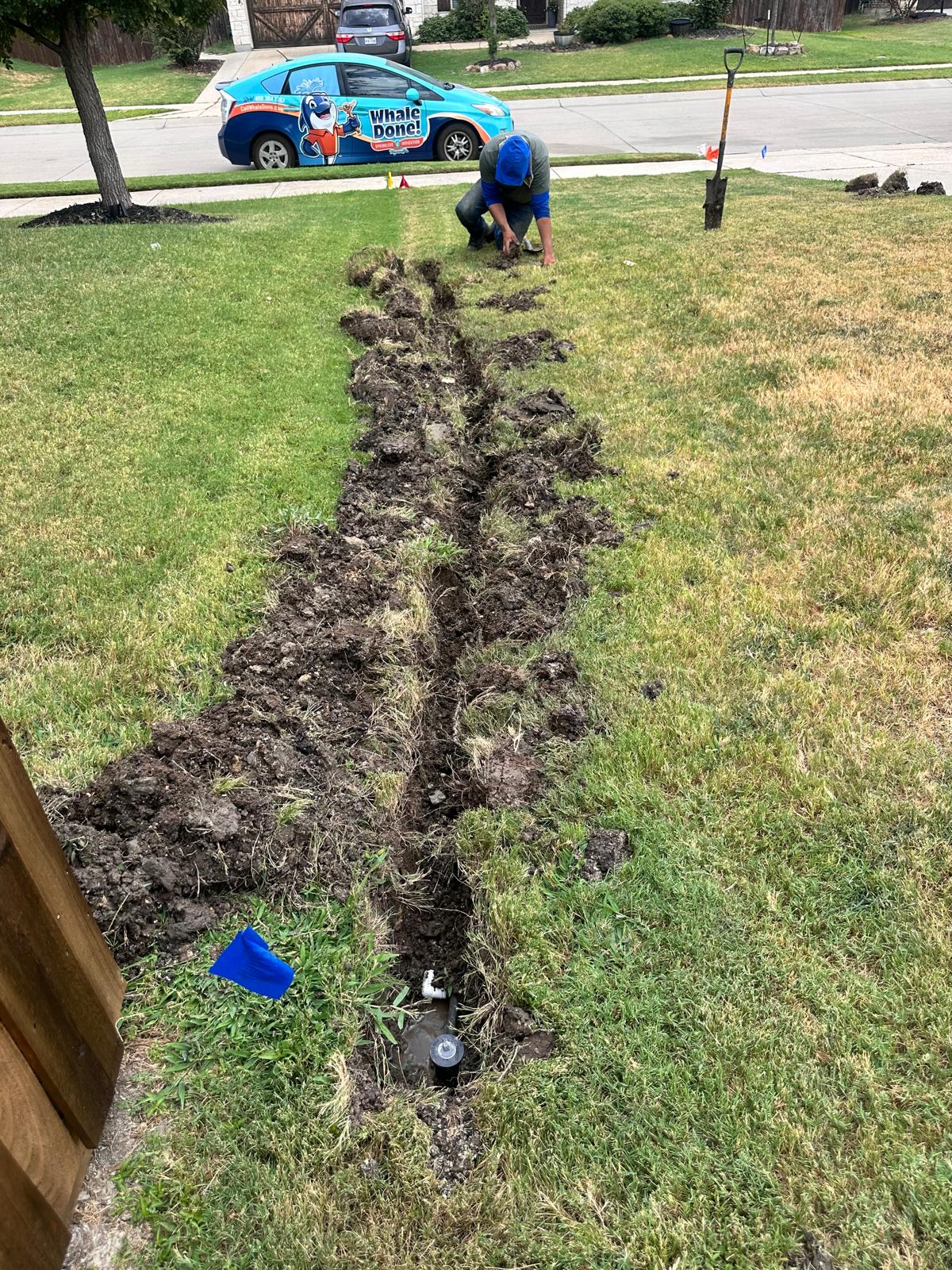
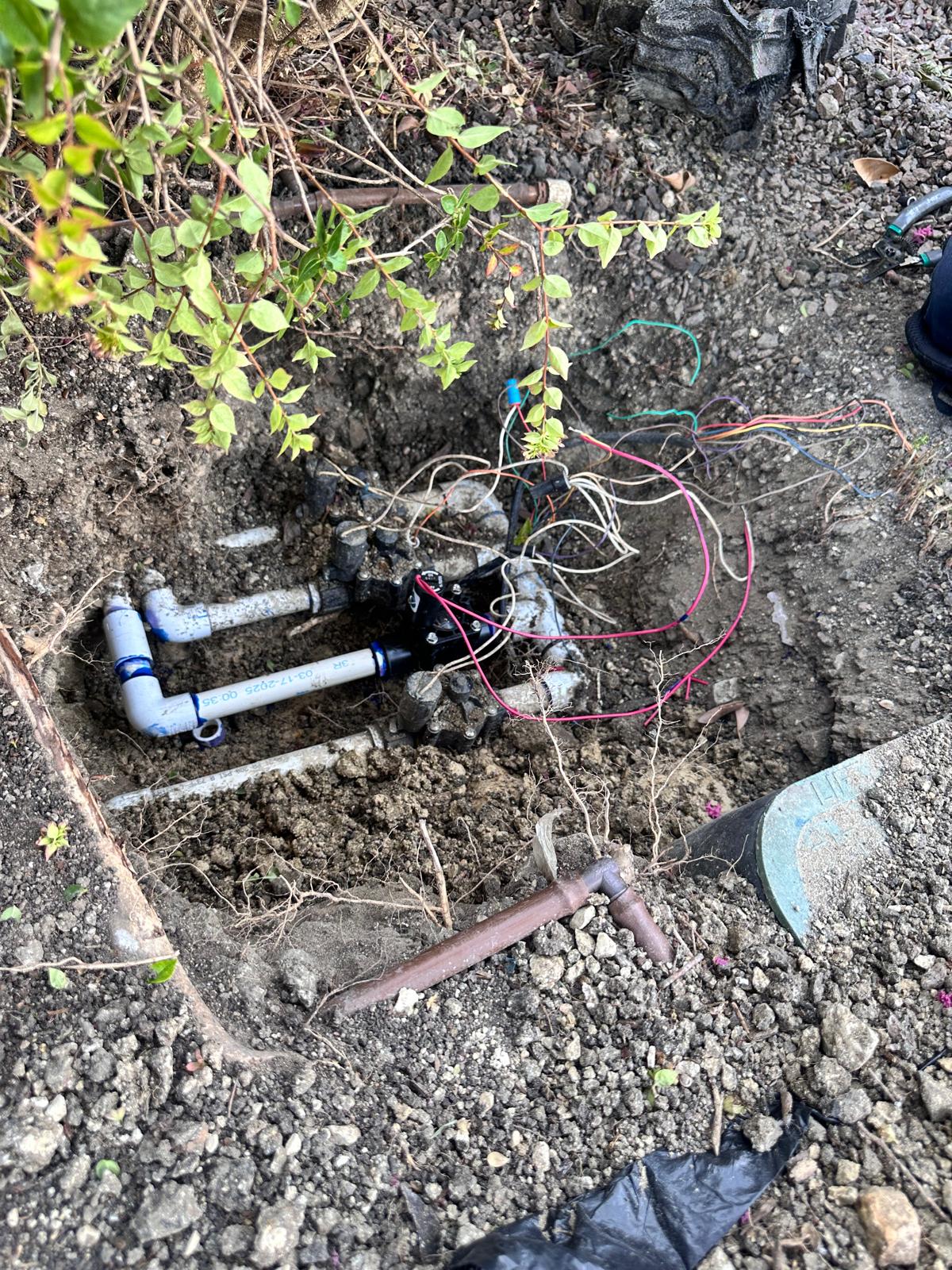
Irrigation repairs in Allen TX are best prioritized by urgency, starting with issues that waste water or risk property damage, followed by problems affecting lawn health, and finally minor wear that can wait for routine service. Not every issue needs immediate attention, and treating every repair as an emergency can lead to unnecessary costs. A simple priority system helps homeowners decide what to fix now, what to schedule soon, and what to simply monitor.
At A Glance
- Difficulty: Easy to assess without irrigation experience
- Time to Evaluate: 10–20 minutes to walk the yard and check zones
- Who Can Help: A licensed sprinkler technician for anything beyond visual inspection
- Works For: Homeowners managing multiple issues at once or on a limited budget
- May Not Solve: Underlying causes if only symptoms are addressed instead of the source
Why Prioritization Matters
Irrigation systems rarely fail all at once. More often, small issues build up over a season—a stuck valve here, a clogged nozzle there—until it feels like everything needs fixing at the same time.
Without a clear priority system, homeowners often either overspend by treating every issue as urgent, or underspend by ignoring problems that are quietly wasting water or damaging the yard. A simple ranking system solves both problems.
Prioritization also makes conversations with a technician more productive. Instead of asking “what’s wrong with my system,” homeowners can ask “what needs to happen first,” which leads to clearer answers and a more focused repair plan.
How To Rank Irrigation Repairs in Allen TX
1. Highest Priority: Water Waste And Property Damage
These issues should be addressed as soon as possible, since they get worse the longer they’re left alone:
- A broken pipe or mainline leak causing standing water or erosion
- A valve stuck in the open position, running continuously
- Water pooling near a home’s foundation
- A backflow preventer that is leaking or has failed
These problems directly affect your water bill and can lead to structural or landscaping damage if ignored.
2. High Priority: Issues Affecting Lawn Or Plant Health
These matter but usually don’t require same-day attention:
- A zone that isn’t running at all, leaving an area completely dry
- Multiple broken or missing sprinkler heads in one zone
- Severe pressure loss affecting spray distance across a zone
- A controller that has stopped communicating with one or more zones
Left unaddressed for a few weeks, especially during Texas summer heat, these issues can lead to dead grass or stressed landscaping that takes a full season to recover. It’s usually worth scheduling a repair within the same week these issues are noticed, rather than waiting for the next routine visit.
3. Medium Priority: Coverage And Efficiency Issues
These affect appearance and efficiency but rarely cause immediate harm:
- Uneven coverage causing patchy or thin spots
- Overspray onto driveways, sidewalks, or the street
- A single misaligned or clogged head in an otherwise functioning zone
- Minor pressure fluctuations that don’t significantly affect performance
These are worth fixing at the next scheduled service rather than requiring an emergency call.
4. Lower Priority: Cosmetic Or Preventive Items
These can typically wait for routine maintenance:
- Faded or slightly cracked sprinkler head covers with no functional impact
- Controller schedule adjustments for the upcoming season
- General wear on components that are still functioning correctly
- Non-urgent recommendations from a previous service report
Common Mistakes Homeowners Make
- Fixing the most visible problem first instead of the most urgent one. A cracked head cover is easy to notice, but a hidden leak may be more costly if ignored.
- Waiting too long on “minor” dry spots. What looks minor in spring can become a bigger repair by peak summer heat.
- Assuming all repairs cost the same to delay. Water waste issues often cost more the longer they continue, unlike cosmetic wear.
- Not asking a technician to rank issues by urgency. A written priority list makes budgeting for repairs much easier.
- Ignoring a stuck valve because “the yard still looks fine.” Continuous running wastes water even if the visible impact isn’t obvious yet.
- Trying to fix everything in one visit to save on service calls. Sometimes it’s more cost-effective to address urgent issues immediately and schedule lower-priority items separately, especially if parts need to be ordered.
- Not tracking which repairs were already addressed. Keeping a simple record prevents paying to re-diagnose an issue that was fixed months earlier.
Local Considerations For Allen TX
A few regional factors affect how quickly certain irrigation issues should be addressed in this area:
- Clay soil: Common throughout Allen, clay soil holds water differently than sandy soil, which can mask or worsen coverage problems depending on the season. A stuck valve combined with clay soil can lead to pooling faster than expected.
- Summer heat: High temperatures raise the stakes on any repair affecting water delivery. A dry zone that could wait a week in spring may need attention within days during July or August.
- Water restrictions: Allen, like much of North Texas, enforces watering schedules tied to address or day of week, especially during drought stages. A malfunctioning controller should be treated as a higher priority if it’s preventing compliance with current restrictions.
- Wind exposure: Newer developments with open lots can see spray patterns pushed off-target by wind, which may look like a coverage problem but is actually a lower-priority adjustment issue.
- Freeze events: Sudden North Texas freezes can crack exposed backflow devices or above-ground components. Any freeze-related damage discovered after a cold snap should move to the top of the priority list before the next watering cycle.
- New neighborhood construction: Allen has seen significant residential growth in recent years, and irrigation lines near new construction or utility work are sometimes accidentally disturbed. If a zone suddenly stops working after nearby digging or construction, it’s worth checking for line damage before assuming it’s a routine component failure.
Related Problems That Affect Prioritization
Sometimes what looks like one issue is actually a symptom of something else. Homeowners triaging repairs should also consider:
- Low municipal water pressure affecting the entire system, not just one zone
- Wiring damage between the controller and valves, causing zones to behave inconsistently
- A slow underground leak that hasn’t surfaced yet but is affecting pressure elsewhere
- A backflow preventer nearing the end of its expected lifespan
Homeowners can learn more about diagnosing these root causes through Whale Done’s guides on common irrigation problems and signs your sprinkler system needs repair.
Building A Simple Repair Priority List
A practical approach is to walk the yard, run each zone briefly, and note issues in three columns: fix now, fix soon, and monitor. This turns a vague sense of “the system needs work” into a clear, actionable list.
If multiple issues fall into the “fix now” category, addressing water waste and safety concerns first—before coverage or cosmetic issues—keeps costs and water usage under control while other repairs are scheduled.
It also helps to revisit this list after any major repair. Fixing one issue sometimes reveals another that wasn’t obvious before, such as a pressure problem that only becomes noticeable once a stuck valve is corrected. Treating the priority list as a living document, rather than a one-time exercise, keeps the whole system easier to manage over time.
Frequently Asked Questions
- What’s the most urgent irrigation repair I should never delay?
A stuck-open valve or a mainline leak, since both continue wasting water and can cause property damage the longer they’re left unaddressed.
- How long can a dry zone wait for repair during summer?
Ideally no more than a few days during peak heat, since Texas summer temperatures can stress or kill grass quickly in an unwatered area.
- Should I fix cosmetic issues at the same time as urgent ones?
It’s reasonable to bundle minor cosmetic fixes into the same visit as urgent repairs, but they shouldn’t delay addressing the higher-priority issue first.
- Can I prioritize repairs myself, or do I need a technician?
Homeowners can do a basic visual walkthrough, but confirming pressure issues, valve function, or wiring problems typically requires a licensed technician.
- Does delaying a repair always cost more later?
Not always, but water waste and coverage issues tend to compound over time, while purely cosmetic wear usually doesn’t worsen much while waiting. Resources like the EPA’s WaterSense program and the Irrigation Association offer general guidance on water efficiency that can help homeowners understand the broader cost of delayed repairs.
Bottom Line
Irrigation repairs in Allen TX are best prioritized by starting with issues that waste water or risk property damage, followed by problems affecting lawn health, then coverage concerns, and finally cosmetic or preventive items. This approach keeps repair costs manageable and prevents small issues from becoming bigger ones.
Next Step
If your system has multiple issues at once and you’re unsure how to rank them, a licensed sprinkler technician can walk the property and provide a written priority list. This is especially helpful before a busy season, an extended trip, or a tight repair budget, since it clarifies what truly needs attention now versus what can wait.
Related Resources
- Sprinkler System Maintenance Tips
- Signs Your Irrigation System Needs Repair
- How Often Should You Service Your Sprinkler System
Conclusion & Call To Action
Prioritizing irrigation repairs in Allen TX comes down to urgency: fix water waste and damage risks first, then coverage issues, then cosmetic wear. This approach keeps repairs manageable instead of overwhelming. If you’re facing more than one issue at once and aren’t sure where to start, a licensed sprinkler professional can walk your property and help you build a clear, practical repair plan.