A sprinkler system in Anna TX should be professionally inspected at least once a year to ensure it operates efficiently, conserves water, and keeps your landscape healthy throughout every season. While many homeowners only schedule service when they notice dry spots or unusually high water bills, routine inspections help identify hidden issues before they become expensive repairs. Anna’s changing weather patterns, expanding residential communities, and heavy clay soils make preventive maintenance especially important for irrigation systems that operate year after year.
Professional inspections go beyond simply turning the system on and checking whether water comes out of the sprinkler heads. A trained irrigation technician evaluates water pressure, controller settings, valve operation, spray coverage, drainage conditions, and underground components that homeowners cannot easily inspect themselves. This proactive approach helps maximize system performance while extending the lifespan of every component.
Why Annual Sprinkler Inspections Matter
Your irrigation system works harder than most homeowners realize. During the growing season, it may operate several times each week, exposing valves, pipes, sprinkler heads, and controllers to continuous wear.
Without regular inspections, minor problems can gradually reduce efficiency. A small leak, clogged nozzle, or misaligned sprinkler head may seem insignificant initially but can eventually waste thousands of gallons of water and negatively affect your landscape.
Professional inspections help identify issues such as:
- Underground leaks
- Damaged sprinkler heads
- Uneven water distribution
- Low or excessive water pressure
- Faulty valves
- Controller programming errors
- Broken drip irrigation emitters
- Root intrusion around irrigation lines
- Electrical wiring problems
- Backflow prevention concerns
Addressing these issues early helps prevent larger repairs and improves watering consistency.
How Anna’s Climate Affects Irrigation Systems
Anna experiences long periods of summer heat followed by occasional heavy rainfall and seasonal freezes. These changing conditions place additional stress on irrigation systems throughout the year.
During hot summer months, systems often run more frequently to compensate for increased evaporation. Extended operation accelerates wear on valves, seals, and sprinkler heads.
Heavy storms can wash away soil around underground pipes, causing shifts that eventually create leaks or broken fittings.
Winter freezes may also damage exposed components if systems are not properly prepared before temperatures drop below freezing.
Because irrigation systems experience year-round environmental stress, annual inspections are one of the best ways to maintain reliable performance.
What Happens During A Professional Inspection?
A comprehensive sprinkler inspection evaluates the entire irrigation system rather than focusing only on visible sprinkler heads.
A technician typically begins by activating each irrigation zone individually while observing overall performance.
During the inspection, professionals examine:
Sprinkler Heads
Each head is checked for:
- Proper rotation
- Full pop-up height
- Correct spray pattern
- Physical damage
- Clogging
- Overspray onto sidewalks or driveways
Even slight adjustments can significantly improve watering efficiency.
Water Pressure
Incorrect water pressure affects system performance.
Pressure that is too low often results in poor coverage, while excessive pressure creates misting that wastes water through evaporation.
Professionals use specialized gauges to verify that every zone operates within recommended pressure ranges.
Irrigation Controller
The controller serves as the system’s control center.
Inspection includes verifying:
- Correct watering schedules
- Seasonal run times
- Rain delay settings
- Sensor communication
- Backup battery condition
- Zone sequencing
Updating controller programming helps avoid unnecessary watering during cooler months.
Underground Components Need Attention Too
Many irrigation problems occur below ground where homeowners cannot easily identify them.
Professional inspections often include evaluating:
- Valve boxes
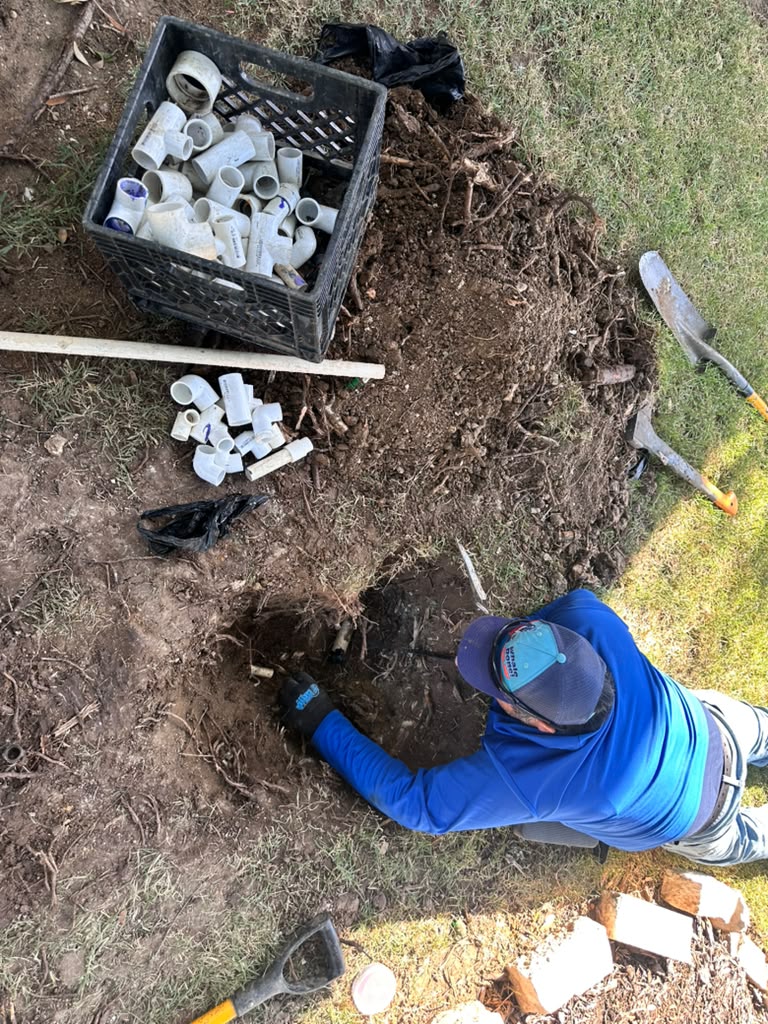
- Pipe connections
- Solenoid valves
- Underground leaks
- Lateral lines
- Main water supply lines
Technicians look for pressure loss, unusually wet soil, and other indicators of hidden problems before excavation becomes necessary.
Why Small Irrigation Problems Become Expensive
Many sprinkler issues begin as relatively minor concerns.
Examples include:
- Hairline pipe cracks
- Loose fittings
- Worn valve diaphragms
- Partially clogged nozzles
Over time, these problems worsen through repeated system operation.
What begins as a slow leak may eventually undermine sidewalks, damage foundations, or create extensive landscape erosion.
Routine inspections help detect these problems early when repairs are generally less invasive and less costly.
Smart Irrigation Technology Requires Regular Evaluation
Many modern irrigation systems include smart controllers designed to automatically adjust watering schedules based on weather conditions.
Although these controllers improve efficiency, they still require periodic inspection.
Professionals verify:
- Internet connectivity
- Weather data synchronization
- Sensor accuracy
- Firmware updates
- Seasonal adjustment settings
The U.S. The Environmental Protection Agency’s WaterSense program highlights the importance of properly maintained irrigation systems for reducing unnecessary water use.
Seasonal Inspection Schedule
Although annual inspections are generally sufficient for most residential properties, certain times of the year provide greater maintenance benefits.
Spring Startup
Spring inspections prepare irrigation systems for increased summer use.
Typical services include:
- Pressurizing the system
- Checking every zone
- Adjusting sprinkler heads
- Repairing winter damage
- Programming seasonal schedules
Starting the season with a fully functioning system minimizes unexpected breakdowns.
Mid-Summer Check
A summer inspection helps ensure the system continues operating efficiently during peak watering demand.
Technicians often identify:
- Heat-related wear
- Misaligned heads
- Plant growth blocking spray patterns
- Increased water pressure issues
These adjustments help maintain healthy landscapes throughout the hottest months.
Fall Evaluation
Before colder weather arrives, a fall inspection identifies repairs that should be completed before winterization.
Preparing the system early helps reduce freeze-related damage.
Common Signs Your System Needs Immediate Inspection
While annual maintenance is recommended, certain warning signs indicate you should schedule service sooner.
These include:
Unusually High Water Bills
Unexpected increases in water usage often indicate hidden irrigation leaks or controller programming errors.
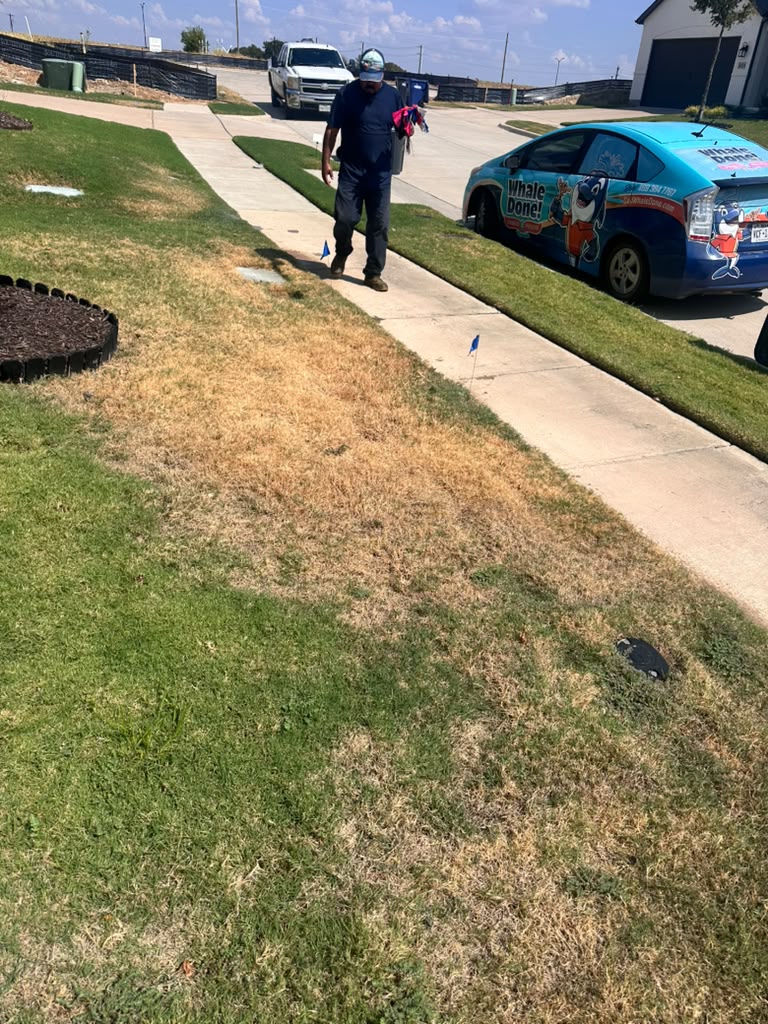
Dry Patches
If portions of your lawn remain dry despite regular watering, coverage problems or clogged nozzles may be responsible.
Constantly Wet Areas
Persistent soggy spots often suggest underground pipe leaks or malfunctioning valves.
Low Sprinkler Pressure
Weak spray patterns usually indicate leaks, pressure problems, or partially blocked pipes.
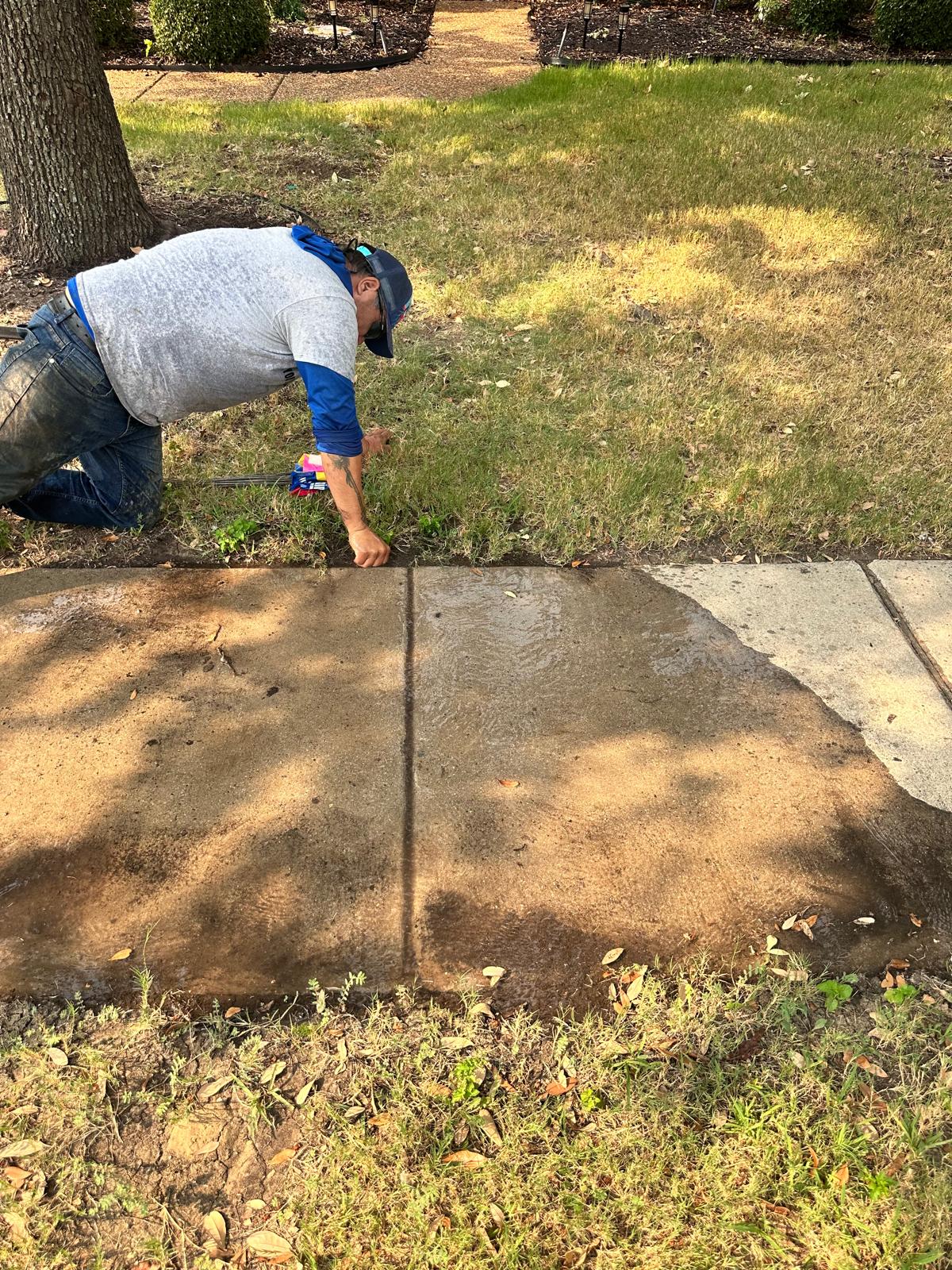
Water Running Onto Sidewalks
Overspray wastes water while reducing irrigation effectiveness.
Adjustments during an inspection restore proper coverage.
How Soil Conditions Affect Irrigation Performance
Anna’s heavy clay soils absorb water differently than sandy soils.
Clay retains moisture longer but absorbs water more slowly.
When irrigation systems deliver water too quickly, runoff often occurs before moisture reaches plant roots.
Professional inspections evaluate watering schedules and recommend cycle-and-soak irrigation programming when appropriate.
The Texas A&M AgriLife Extension provides educational resources on soil management and efficient irrigation practices that support healthier landscapes.
The Value Of Backflow Testing
Many homeowners overlook one important component of their irrigation system—the backflow prevention device.
Backflow preventers help protect drinking water from contamination.
Professional inspections verify that:
- The device functions correctly
- Valves operate properly
- No visible corrosion exists
- Connections remain secure
Local regulations may require periodic testing depending on municipal requirements.
The Irrigation Association recommends routine system inspections and proper maintenance to improve irrigation efficiency and extend equipment life.
Benefits Of Professional Inspections
Scheduling regular sprinkler inspections offers numerous long-term advantages.
Improved Water Efficiency
Proper adjustments reduce water waste while maintaining healthier landscapes.
Lower Utility Costs
Efficient irrigation often results in lower monthly water bills.
Longer Equipment Life
Routine maintenance minimizes wear on pumps, valves, controllers, and sprinkler heads.
Healthier Turf And Plants
Consistent water distribution encourages deeper root growth and stronger plant health.
Fewer Emergency Repairs
Preventive maintenance helps avoid unexpected breakdowns during the hottest months.
DIY Checks Between Professional Visits
Although annual inspections should be performed by irrigation professionals, homeowners can monitor system performance throughout the year.
Simple monthly observations include:
- Looking for broken sprinkler heads
- Watching for leaking valves
- Ensuring heads pop up correctly
- Checking controller time settings
- Monitoring unusually wet areas
- Removing debris from spray nozzles
If anything appears abnormal, scheduling a professional inspection promptly can prevent further damage.
The Sprinkler Warehouse learning center also offers general educational resources that help homeowners better understand irrigation system components and maintenance practices.
How Preventive Maintenance Saves Money
Many homeowners hesitate to schedule inspections because their system appears to be working normally.
However, waiting until visible problems develop often leads to higher repair costs.
A routine inspection may identify a worn valve seal that costs little to replace today. Left unaddressed, that same issue could eventually cause water damage, landscape erosion, or complete valve failure requiring significantly more extensive repairs.
Preventive maintenance also reduces unnecessary water consumption, making it both environmentally responsible and financially beneficial over time.
Why Experience Matters During An Inspection
Modern irrigation systems are more sophisticated than ever, often combining smart controllers, moisture sensors, drip irrigation zones, and multiple watering schedules. Accurately diagnosing performance issues requires specialized tools and experience that go beyond a simple visual inspection.
Professional technicians understand how each component interacts with the rest of the system. They can identify subtle signs of wear, pressure inconsistencies, or programming errors that may not be obvious to homeowners. Their expertise ensures repairs are targeted correctly, helping prevent recurring problems and improving the overall efficiency of your irrigation system.
Conclusion
A sprinkler system in Anna TX benefits greatly from professional inspection at least once each year, with additional evaluations recommended after severe weather, noticeable performance issues, or seasonal changes. Routine inspections improve watering efficiency, reduce water waste, detect hidden leaks early, extend equipment lifespan, and help maintain a healthier landscape throughout the year.
For professional irrigation inspections and expert sprinkler services, contact Whale Done Sprinklers & Irrigation.
Phone: +1 (469) 384-7767
Email: clientsupport@callwhaledone.com