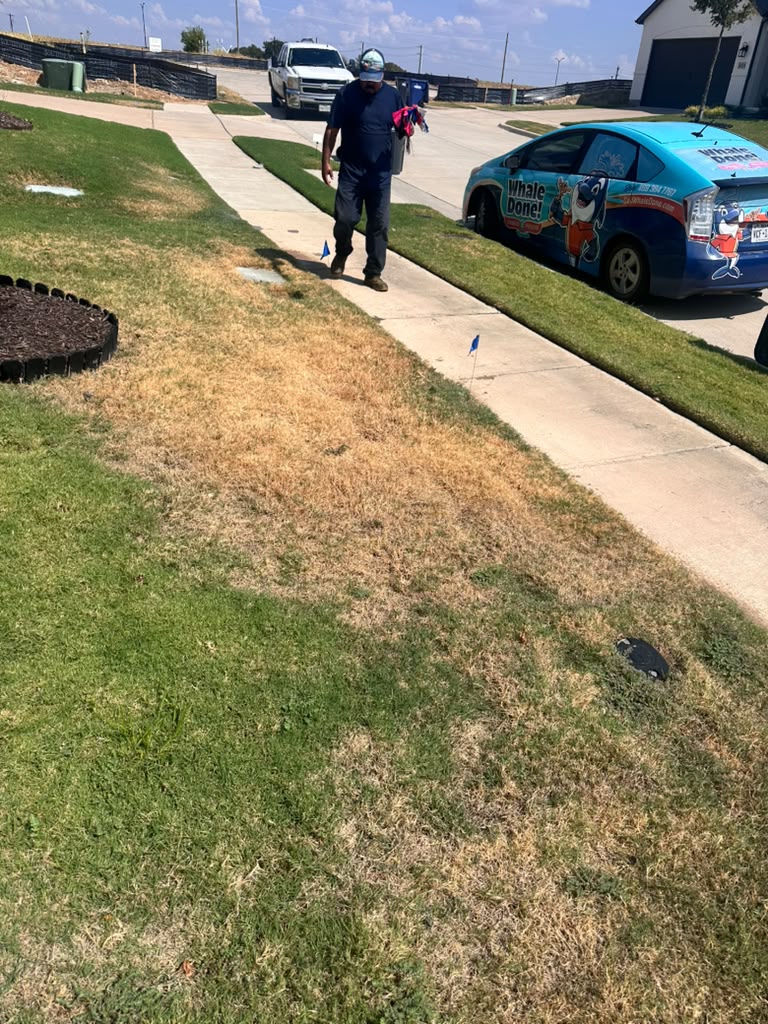
Sprinkler system inspection in Little Elm is a critical service for homeowners and property managers who want healthy landscapes, efficient water use, and reliable irrigation performance throughout the year, especially as systems age and components wear down over time.
With Little Elm’s mix of clay-heavy soils, rapid residential development, and seasonal weather swings, irrigation systems face unique stresses that can quietly reduce efficiency, cause uneven watering, increase utility costs, and lead to costly damage such as leaks, pipe breaks, or poor drainage if left unaddressed through routine professional inspection and maintenance.
Why Regular Sprinkler Inspections Matter in Little Elm
Irrigation systems are complex networks of underground piping, valves, controllers, and sprinkler heads that must work together seamlessly. Over time, even minor misalignments or wear can lead to uneven watering, water waste, or landscape damage. Routine inspections provide a proactive way to identify issues before they escalate into major repairs.
Little Elm’s climate places additional strain on irrigation systems. Hot summers increase evaporation rates, while sudden cold snaps can stress components not designed to handle rapid temperature changes. Regular inspections ensure systems are adjusted to seasonal demands, improving performance while conserving water.
Understanding Local Soil and Environmental Conditions
Little Elm’s soil composition plays a significant role in irrigation efficiency. Clay-rich soils expand when wet and contract during dry periods, which can cause underground pipes to shift or crack. These movements often go unnoticed without professional inspection, yet they can lead to pressure loss or hidden leaks that undermine system performance.
Drainage patterns also vary across neighborhoods due to ongoing development. Changes in grading can affect sprinkler coverage and runoff, making inspections essential for maintaining balanced water distribution. By accounting for these local factors, inspections help tailor irrigation systems to the specific needs of each property.
Key Components Evaluated During an Inspection
A comprehensive sprinkler inspection examines every component of the system to ensure it operates efficiently, reliably, and in alignment with seasonal watering needs, starting with a detailed evaluation of the controller to confirm that programming is accurate and schedules are properly adjusted, since incorrect settings are one of the most common causes of overwatering, wasted resources, and unnecessarily high utility bills for homeowners.
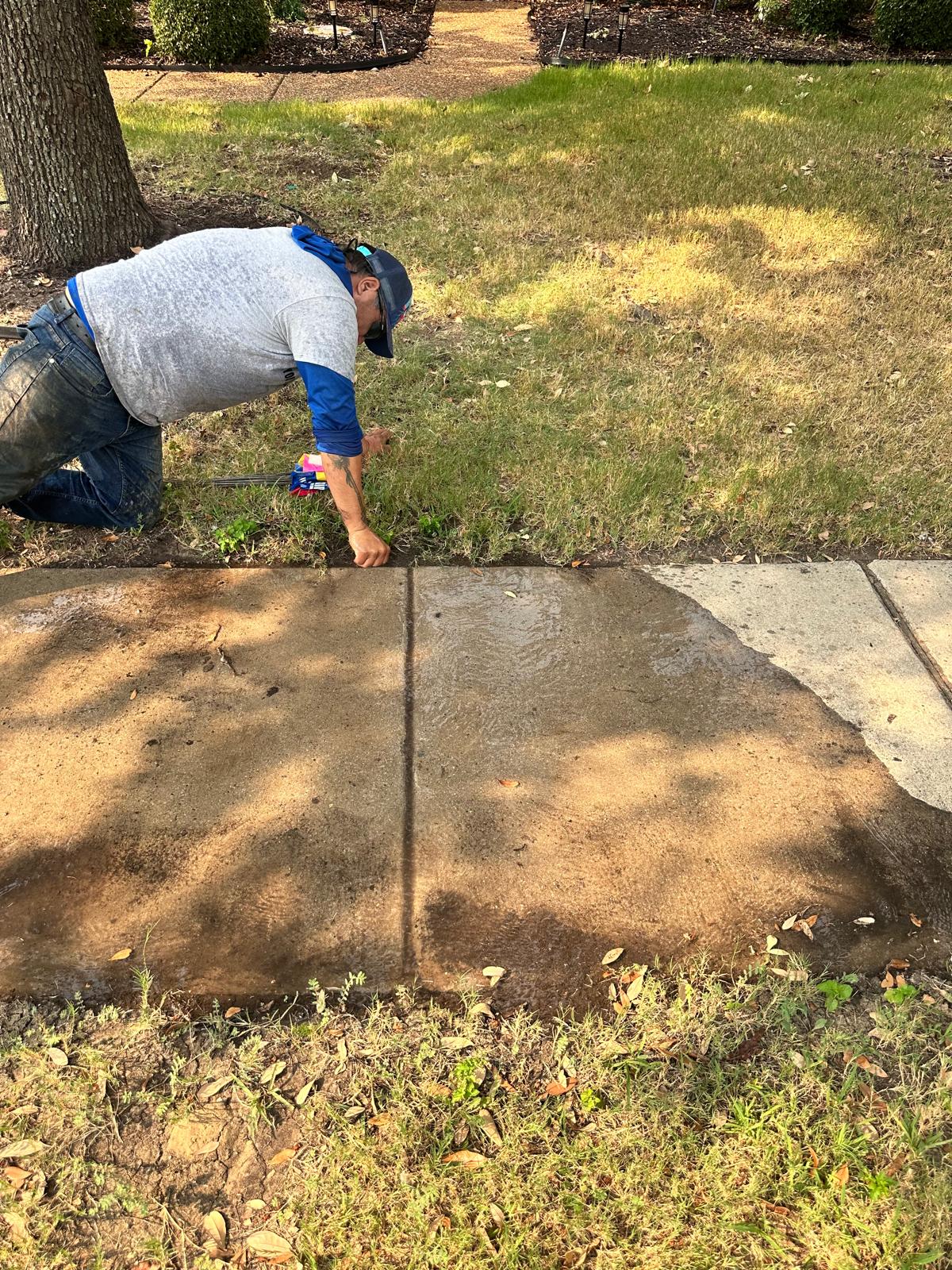
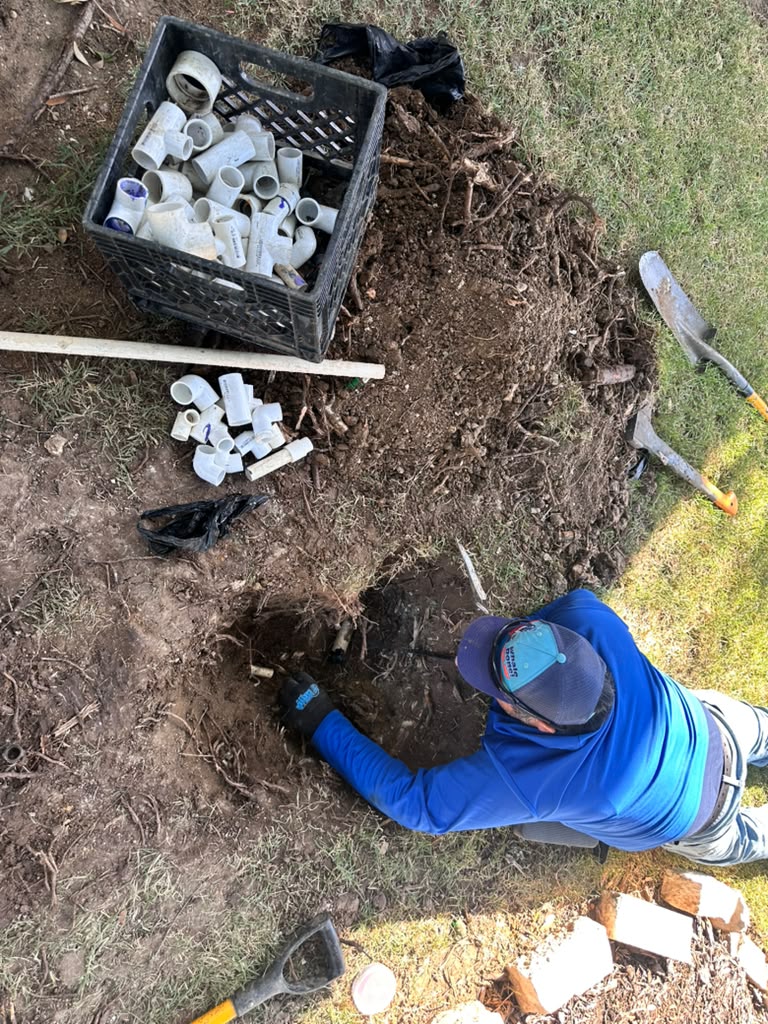
In addition to the controller, technicians carefully inspect valves and backflow prevention devices to verify proper pressure regulation and water safety compliance, while also checking sprinkler heads for misalignment, clogs, wear, or damage that can lead to misting, dry patches, or uneven coverage, and evaluating underground lines for leaks or pressure inconsistencies that may signal hidden issues which, if left unresolved, could result in costly repairs and reduced system performance over time.
Water Conservation and Efficiency Benefits
Water conservation is a growing priority for North Texas communities, and sprinkler inspections play a direct role in reducing waste. Efficient systems deliver water precisely where it is needed, minimizing runoff and evaporation. This approach supports sustainable landscaping practices recommended by organizations like the WaterSense.
Inspections also help property owners comply with local watering guidelines and restrictions. By ensuring systems operate efficiently, homeowners can maintain healthy lawns while respecting community conservation efforts.
Preventing Costly Repairs and Landscape Damage
Small irrigation issues rarely resolve themselves, and what starts as a minor leak can quietly escalate into significant problems such as soil erosion, root damage, and steadily increasing water bills, all of which can compromise the integrity and appearance of your landscape over time; through regular inspections, these hidden issues are detected early, allowing for precise, cost-effective repairs that prevent further deterioration and protect both softscapes and hardscapes from unnecessary damage.
In addition to preventing structural concerns, routine inspections play a vital role in preserving turf and plant health by ensuring proper water distribution, as overwatering can result in shallow root systems, fungal diseases, and nutrient loss, while underwatering places stress on plants and diminishes curb appeal, making balanced and well-managed irrigation essential for maintaining a vibrant, resilient, and visually appealing landscape throughout every season.
Seasonal Timing for Sprinkler Inspections
Timing inspections strategically enhances their effectiveness. Spring inspections prepare systems for peak watering demands, ensuring all components function correctly after winter dormancy. Summer evaluations focus on efficiency adjustments to manage heat stress without excessive water use.
Fall inspections help prepare systems for cooler temperatures, identifying vulnerabilities that could be damaged by freezing conditions. Seasonal assessments align irrigation performance with environmental changes, maximizing reliability and longevity.
Professional Expertise Versus DIY Checks
While homeowners can perform basic visual checks, professional inspections offer a deeper level of analysis. Licensed technicians use specialized tools to measure pressure, detect leaks, and evaluate coverage patterns. Their expertise ensures systems meet industry standards promoted by organizations such as the Irrigation Association.
Professional inspections also provide documentation and recommendations that support informed decision-making. This level of detail is particularly valuable for new homeowners or those managing larger properties with complex irrigation layouts.
The Role of Technology in Modern Inspections
Advancements in irrigation technology have enhanced inspection accuracy. Smart controllers, moisture sensors, and pressure-regulating devices require proper calibration to function effectively. Inspections verify that these technologies integrate seamlessly with existing systems.
Technicians may also assess compatibility with weather-based data sources, including insights from the USGS, to ensure irrigation schedules respond to real-world conditions rather than fixed timers. This approach improves efficiency and reduces unnecessary watering.
Long-Term Property Value and Curb Appeal
A well-maintained irrigation system contributes directly to property value. Healthy lawns and landscapes enhance curb appeal, creating a positive first impression for visitors and potential buyers. Regular inspections demonstrate responsible property management and reduce the likelihood of visible irrigation failures.
For homeowners planning renovations or landscaping upgrades, inspections provide a baseline assessment that informs design decisions. Understanding system capacity and coverage ensures new features integrate smoothly without compromising efficiency.
Supporting Community Water Management Goals
Little Elm, like many North Texas communities, emphasizes responsible water use. Sprinkler inspections support these goals by ensuring systems align with regional conservation strategies outlined by resources such as theTexas Water Development Board.
By reducing waste and improving efficiency, inspections help protect shared water resources while maintaining vibrant residential landscapes. This balance benefits both individual property owners and the broader community.
Conclusion
Sprinkler system inspection in Little Elm is an essential investment in landscape health, water efficiency, and long-term system reliability. Regular professional evaluations help prevent hidden leaks, optimize coverage, and adapt irrigation performance to local soil and climate conditions.
For property owners seeking dependable irrigation expertise, Whale Done Sprinklers & Irrigation provides professional inspection services designed to protect landscapes and conserve water.
Phone: +1(469) 384-7767
Email: clientsupport@callwhaledone.com