Yes. A sprinkler leak in Oak Point TX can cause weak pressure in one zone, because water escaping through a broken pipe, fitting, or valve never reaches the heads. The zone’s sprays may look short, uneven, or misty, while the heads at the end of the line may barely pop up.
Weak pressure alone doesn’t prove a leak. Clogged nozzles, a partly closed valve, or a controller issue can look the same. Check for soggy spots, a rising water bill, and a moving water meter to tell the difference.
At a Glance
- Difficulty: Easy for basic checks
- Estimated time: 30-60 minutes
- Tools needed: Flashlight, phone camera, your water meter, a notes app
- Works for: Soggy spots, weak spray in one zone, higher water bills, and areas that stay wet
- May not solve: Deep underground leaks, valve failures, or pressure problems on the main line
Why a Leak Lowers Pressure in One Zone
Each zone is a branch of pipe with several sprinkler heads on it. Water enters at the valve and pushes out through the heads. The heads work best when the pipe stays full and under pressure.
A leak gives the water another place to go. Some of the flow escapes through the break, so less reaches the heads. The heads farthest from the valve usually show the problem first.
That’s why one weak zone, with the other zones normal, is a useful clue. It points to something wrong on that zone’s pipe, valve, or heads, not the whole system.
Early Signs of a Sprinkler Leak in Oak Point TX
Catching a leak early usually means a simpler repair. These are the signs homeowners notice most often.
Soggy Spots
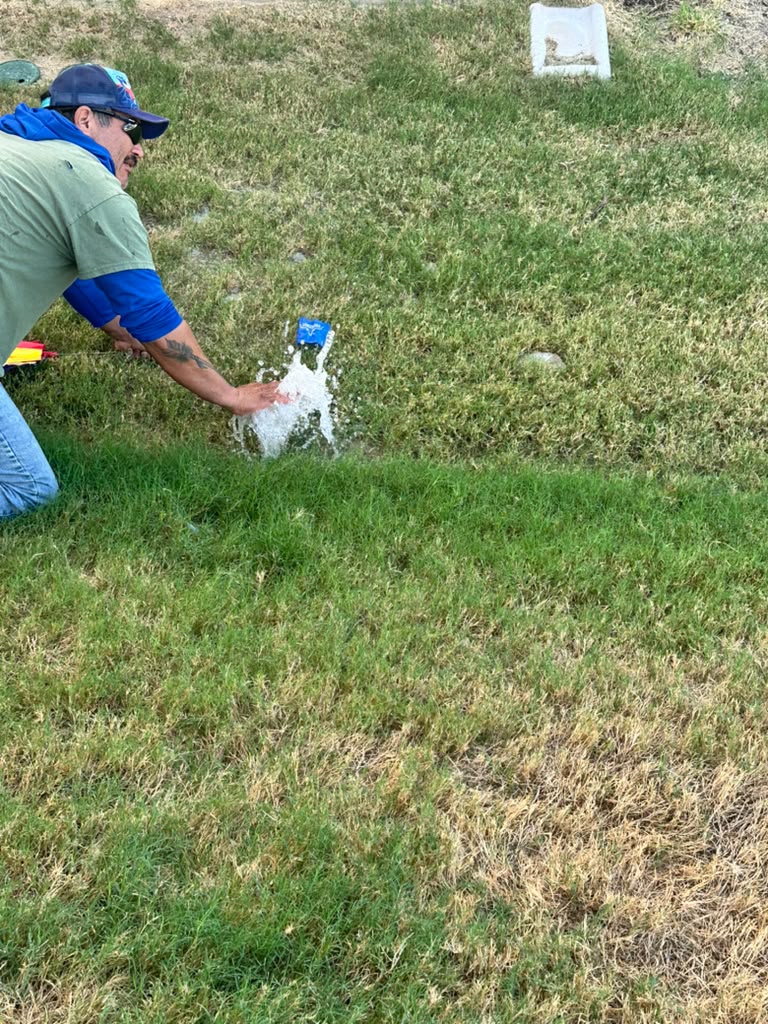
Look for mushy ground, bubbling water, or a puddle that appears when the zone runs. Soggy ground that shows up in the same place each time is a strong hint. A spot that stays wet long after the zone stops is another.
A Sudden Jump in Your Water Bill
A higher bill with no change in how you use water is worth a closer look. Compare the last few months. A leak can waste a lot of water before it shows above ground.
Weak Pressure in One Zone
Short, uneven, or misty spray in one zone can point to a leak on that line. Heads at the end of the zone may barely rise. Other zones will usually look normal.
An Area That Stays Wet Between Waterings
A wet patch that never dries can mean water is escaping underground. It may be darker, greener, or softer than the grass around it. Check it a day after the system has been off.
Sunken or Shifting Ground
A leak can wash away soil under the surface. Look for dips in the lawn, lifted pavers, or small sinkholes near sprinkler lines. These often show up after water has been leaking for a while.
How to Check for a Leak Yourself
You don’t need special equipment for a good first look. Follow these steps in order.
Step 1: Write Down What You’ve Noticed
Note the zone number, the location, and when you first saw the problem. Take photos. This record helps you compare later.
Step 2: Turn Off Everything That Uses Water
Shut off faucets, the dishwasher, the washer, and the ice maker. Make sure the sprinkler controller isn’t running a cycle.
Step 3: Read Your Water Meter
Find the meter near the street, usually in a concrete box. Look at the small dial or triangle. If it’s moving while everything is off, water is going somewhere.
Step 4: Do the 15-Minute Test
Write down the meter reading and wait 15 minutes without using water. Read it again. A changed number means there’s a leak, though it may not be in the sprinklers.
Step 5: Shut Off the Irrigation Supply and Retest
If your system has its own shutoff, close it and repeat the test. If the meter stops moving, the leak is likely on the irrigation side. If it keeps moving, check indoor plumbing or the line to the house.
Step 6: Run the Weak Zone
Turn on the weak zone from the controller. Walk the line and look for geysers, bubbling soil, and heads that barely rise.
Step 7: Compare Heads
Check whether every head in the zone is weak or only some. Heads near the valve that work and heads farther away that don’t suggest a leak between them.
Step 8: Check the Valve Box
Lift the lid carefully. Standing water, hissing, or damp wires can point to a valve leak.
Weak Pressure Without a Leak
Not every weak zone has a leak. Before you assume the worst, consider these common causes:
- Clogged nozzles: Dirt and sand can block part of the spray.
- A partly closed valve: A valve that isn’t fully open limits flow.
- Too many heads on one zone: An overloaded zone can sag in pressure.
- A stuck or worn valve: A valve that doesn’t open fully reduces flow.
- Low pressure from the main line: This usually affects more than one zone.
- A controller issue: A short run time can look like weak output.
A quick nozzle cleaning is a good first step. If the spray returns to normal, you likely didn’t have a leak.
When Waiting Is Reasonable and When It Isn’t
Some situations can be watched for a short time. Others shouldn’t be ignored.
Often fine to monitor for a few days:
- A small wet spot near one head that only shows when the zone runs
- A weak spray that improves after cleaning the nozzle
- A damp area after heavy rain
Better not to wait:
- A water meter that keeps moving with everything off
- Soggy ground near the foundation or slab
- A sharp rise in your water bill
- Sinkholes or sunken ground near the lines
- Water coming out of the valve box
If you’re unsure, shutting off the affected zone is a reasonable step while you decide.
Common Mistakes Homeowners Make
- Assuming a wet spot is always a sprinkler leak. It could be rain, a drainage issue, or a plumbing line.
- Ignoring a higher water bill. Even a small rise over a few months can signal a hidden leak.
- Running the weak zone longer. More run time wastes water if a leak is the cause.
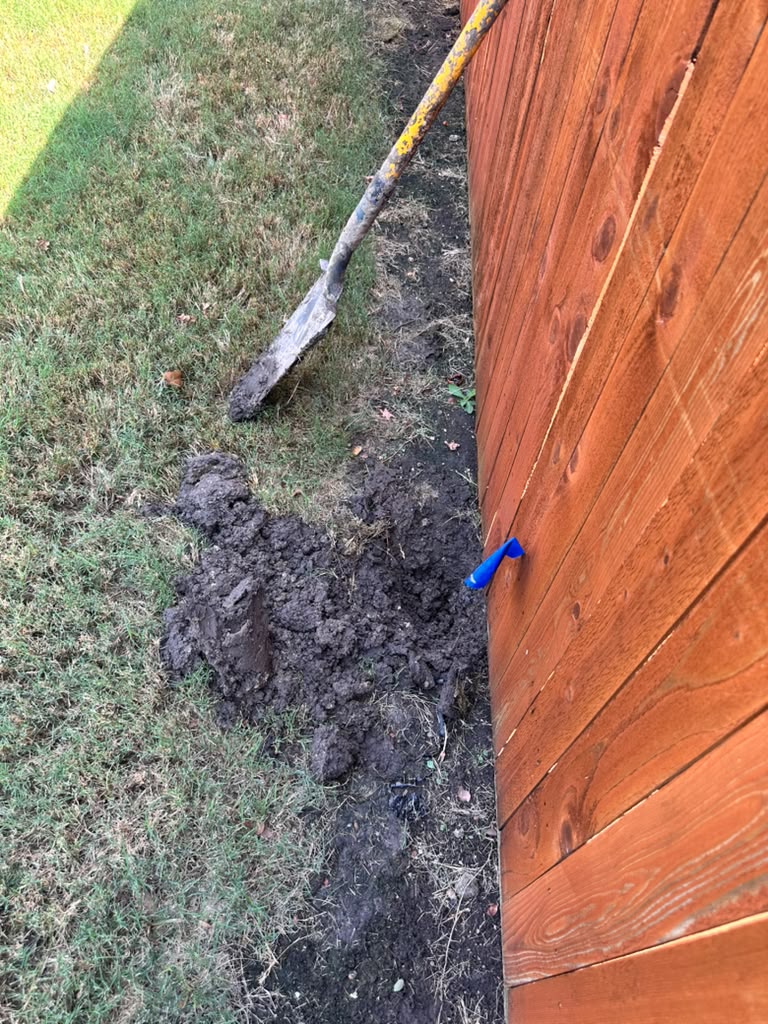
- Digging without knowing where lines are. You can cause a bigger break than the one you started with.
- Skipping the meter test. It’s the easiest way to confirm a leak exists. See our guide on sprinkler leak detection.
- Leaving a leaking zone on a timer. The leak gets worse each cycle.
North Texas Considerations
Local conditions affect how leaks behave and how easy they are to spot.
- Clay soil: Oak Point’s clay swells when wet and shrinks when dry. That movement can stress pipes and fittings over time.
- Foundation movement: A leak near the slab can add moisture to soil that is already shifting.
- Heat and wind: Summer heat can dry the surface quickly and hide small leaks.
- Winter freezes: Brief hard freezes can crack exposed fittings.
- Seasonal watering: Lawns need less water in cool months, so a zone that runs weakly may not get noticed.
- Water restrictions: Check current watering rules with the City of Oak Point and your water provider.
The EPA’s WaterSense program explains how small leaks add up to a lot of wasted water over time. For Texas rules on irrigation work and licensing, see the TCEQ irrigation program.
Related Problems That Look Like a Leak
If you don’t find a leak, the cause could be:
- A failing valve: See our guide on sprinkler valve repair.
- Low water pressure: Read about low sprinkler water pressure.
- Poor drainage: Low spots can hold water after rain.
- Controller problems: A faulty schedule can overwater one zone.
- Indoor plumbing: A running toilet or leaking hose bib can move your meter.
- A damaged head: A cracked body or worn seal can leak without a pipe break.
Frequently Asked Questions
Can a sprinkler leak cause low pressure in just one zone?
Yes. A leak on one zone’s pipe or valve lets water escape before it reaches the heads. The heads farthest from the valve usually look weakest. Other zones often stay normal.
How do I tell if low pressure is a leak or a clogged nozzle?
Clean the nozzles first. If the spray returns to normal, it was likely a clog. If the spray stays weak and you see soggy ground or a moving meter, a leak is more likely.
How can I tell if I have a sprinkler leak or a plumbing leak?
Do a meter test, then close the irrigation shutoff and test again. If the meter stops moving after you shut off the sprinklers, the leak is on the irrigation side. If it keeps moving, check house plumbing or the service line.
Why does one area stay wet between waterings?
It could be a leak, poor drainage, or a low spot that holds water. Check it a day after the system has been off. If it’s still wet, a leak is more likely.
Will a small leak raise my water bill?
It can. Even a slow leak can waste thousands of gallons over time. Compare your last few bills and run a meter test if the number has jumped.
Conclusion
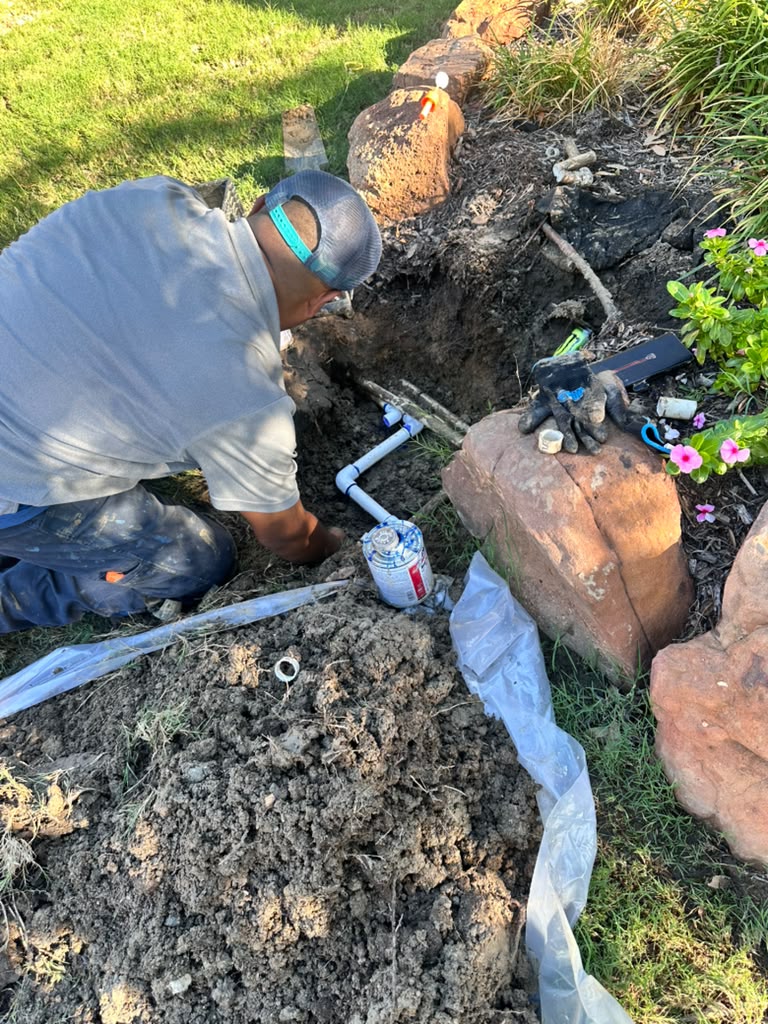
A sprinkler leak in Oak Point TX can cause weak pressure in one zone, along with soggy spots, a higher water bill, and ground that stays wet between waterings. Check your meter, run each zone, and write down what you see. Some wet spots aren’t leaking. If the signs point to a broken pipe or valve, a licensed sprinkler company can locate the problem and explain your options. Our goal is to help you decide what makes sense for your yard.