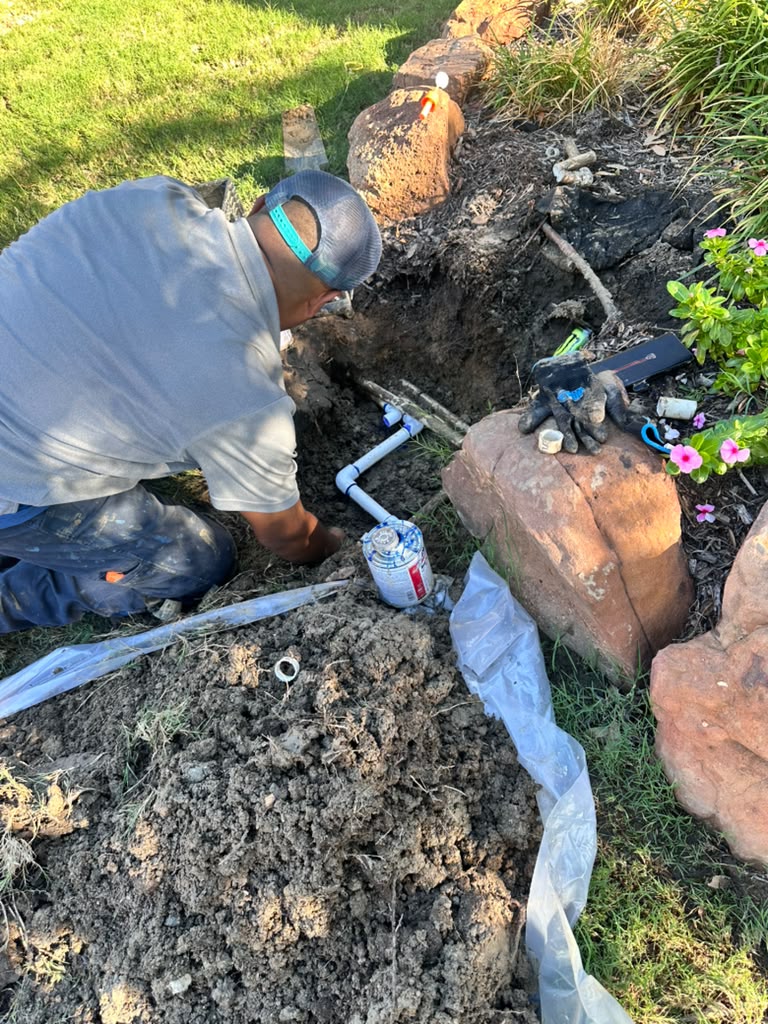
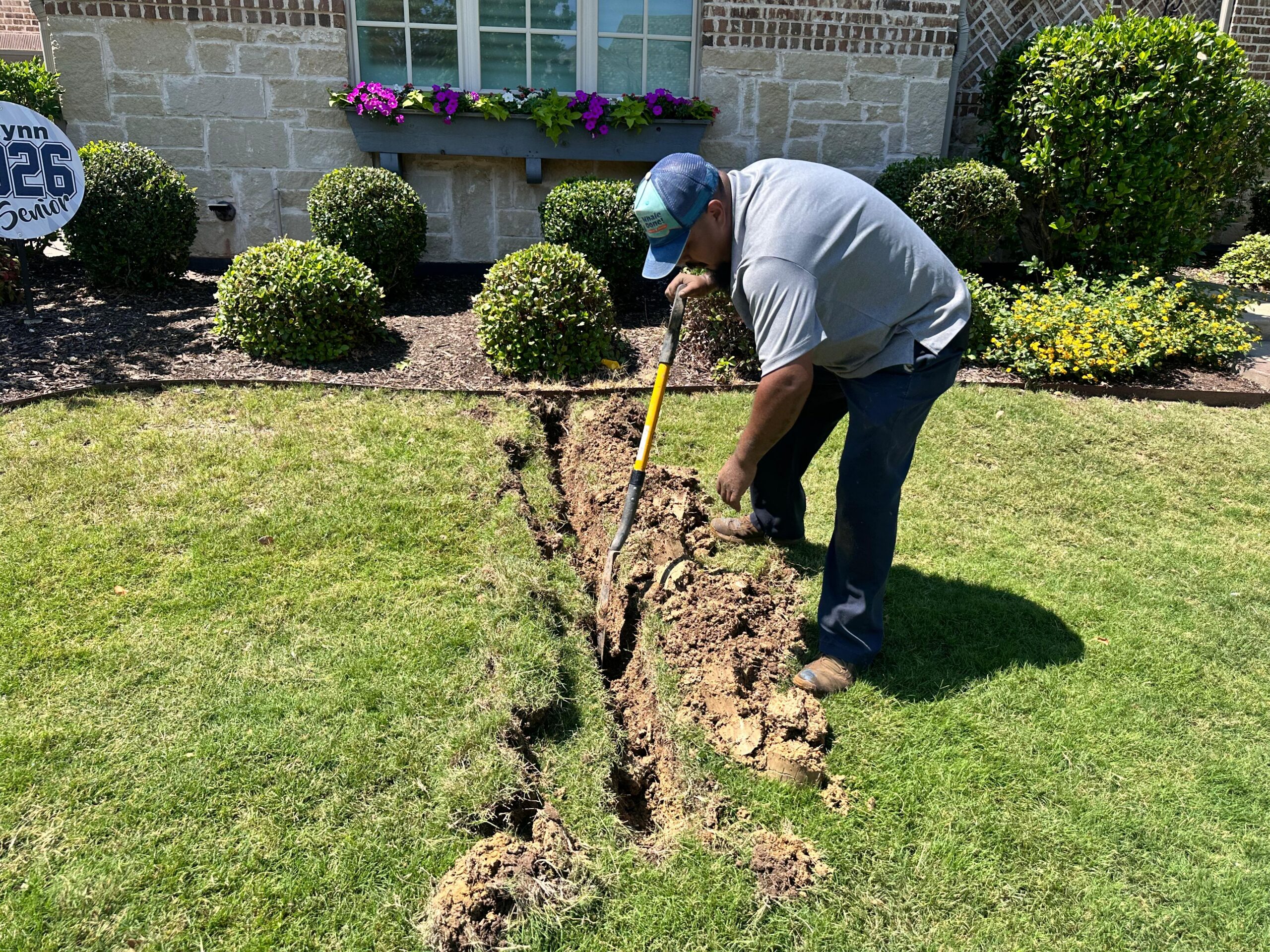
Drip irrigation in Murphy TX works best when it’s planned around plant type, sun exposure, and soil, and when flower beds and shrubs run on their own zone. Drip delivers water slowly to the roots, so it can’t share a zone with lawn sprinklers that run much faster. It also depends on a healthy existing system, since leaks, weak valves, or poor pressure will carry over into the new lines.
Before adding drip, check how your current system is performing. The Whale Done Assessment is one way to review it first.
At a Glance
- Difficulty: Moderate, with planning that matters more than installation
- Estimated time: 1-2 hours to plan and walk the beds
- Tools needed: Notes app, phone camera, measuring tape, controller manual
- Works for: Flower beds, shrubs, trees, and vegetable gardens
- May not solve: Lawn coverage problems, low pressure, or leaks in the existing system
Why Planning Comes First
Drip irrigation uses small tubing and emitters to release water slowly at each plant. Most of the water soaks in where it’s needed, with less runoff and evaporation.
That slow delivery is the strength of drip, and it’s also why it needs planning. A bed with mixed plants, shade, and sun can end up with some areas too wet and others too dry. A design that ignores the existing system can cause problems that are hard to trace later.
Planning helps you avoid three common issues:
- Overwatering or underwatering: Plants have different needs.
- Zone conflicts: Drip and spray heads need different run times.
- Hidden problems: Existing leaks or pressure issues affect new lines.
Drip vs. Spray Sprinklers
These two types of watering work differently, so they’re not interchangeable.
- Spray and rotor heads: Cover a wide area quickly and suit lawns.
- Drip lines and emitters: Deliver water slowly to individual plants and suit beds.
Because the water flows at different rates, they usually need different run times. That’s why drip typically gets its own zone.
Plan Around Plant Type
Different plants need different amounts of water. Grouping similar plants together makes drip easier to manage.
Consider these categories:
- Established shrubs and trees: Usually need deeper, less frequent watering.
- Perennials and annual flowers: Often need more regular watering.
- Vegetable gardens: Typically need steady moisture.
- Native and drought-tolerant plants: Often need less water once established.
Plants with very different needs shouldn’t share one zone. If a bed mixes thirsty and drought-tolerant plants, consider whether it can be split into smaller sections.
Plan Around Sun Exposure
The sun changes how fast the soil dries out. A bed against a south-facing wall may need more water than a shaded one under a tree.
Walk your yard at different times of day and note:
- Which beds get full afternoon sun
- Which beds stay shaded
- Where reflected heat from walls or pavement raises temperatures
- Where wind dries the soil faster
Beds with similar sun exposure can often share a zone. Beds with very different exposure may need separate zones or separate adjustments.
Plan Around Soil
Soil affects how water moves through a bed. In North Texas, many yards have heavy clay.
- Clay soil: Absorbs water slowly and holds it longer, so slow delivery works well, but runoff can happen if water arrives too fast.
- Sandy or amended soil: Drains faster and may need more frequent watering.
- Compacted soil: Can block water from soaking in, even with drip.
A simple test is to water a small area and watch how it soaks in. If water pools or runs off, the bed may need different timing or soil improvement.
Keep Beds on Their Own Zone
A zone is a group of sprinklers or drip lines that run together from one valve. Drip beds should be on their own zone, apart from lawn sprinklers.
Here’s why:
- Different run times: Drip usually needs longer, slower cycles than spray heads.
- Different pressure needs: Drip lines often need lower pressure than spray heads, and a pressure regulator and filter are commonly used.
- Different plant needs: Beds and lawns rarely need the same schedule.
- Easier troubleshooting: If something goes wrong, you know where to look.
Putting drip on a lawn zone can leave the plants overwatered or the lawn underwatered. In some cases, a licensed company can add a new valve for the drip zone.
Check the Existing System Before Adding Drip
Drip connects to your current irrigation system, so its performance matters. Adding new lines to a system with problems can hide those problems or make them worse.
A few things to check first:
- Leaks: A moving water meter or soggy spots may point to a leak.
- Valve performance: Valves that stick or don’t close can affect new zones.
- Water pressure: Low or high pressure affects both spray and drip.
- Controller capacity: The controller needs an open station for a new zone.
- Backflow preventer: It should be in good condition and tested as required.
The Whale Done Assessment is one way to review these items before adding drip. It’s meant to help you understand what you have and decide what makes sense. A licensed sprinkler company can explain which items are working and which may need attention first.
How to Plan Drip Irrigation in Murphy TX
These steps help you prepare before any lines are installed. Most homeowners can do them in an afternoon.
Step 1: Sketch Your Beds
Draw a simple map of the yard. Mark each bed, tree, and shrub, and note rough sizes.
Step 2: Group Plants by Water Needs
Label areas as high, medium, or low water use. This helps you decide how many zones you need.
Step 3: Note Sun and Wind
Mark beds as full sun, part sun, or shade. Add notes about wind or reflected heat.
Step 4: Test Your Soil
Water a small spot and watch how it soaks in. Note whether it pools, runs off, or drains quickly.
Step 5: Check Your Controller
Look for an unused station and note how many zones you already have. If every station is in use, you may need a different setup.
Step 6: Walk the Existing System
Run each zone and look for leaks, broken heads, and weak spray. Write down what you find.
Step 7: Check Your Water Meter
Turn off all water in the house and read the meter. Wait 15 minutes and read it again. A change may point to a leak.
Step 8: Review Before You Install
Decide what you need to fix first. If you’re unsure, a licensed company can review your system.
What You Can Do Yourself and When Help Makes Sense
Some planning steps are easy for homeowners. Others may call for a licensed professional.
Usually manageable at home:
- Sketching beds and grouping plants
- Noting sun, wind, and soil conditions
- Checking the water meter
- Running zones and looking for problems
May need a licensed professional:
- Adding a new valve or zone
- Connecting to the main line
- Adjusting pressure for drip
- Backflow preventer work
- Tracking down leaks
Texas regulates irrigation work, so it’s wise to confirm what requires a license before starting.
Common Mistakes Homeowners Make
- Putting drip on a lawn zone. The two need different run times.
- Skipping the existing system check. Hidden leaks and pressure issues carry over.
- Mixing plants with different needs. Some will be overwatered or underwatered.
- Ignoring soil. Clay and sandy soils respond differently.
- Leaving out a filter or pressure regulator. Drip parts are sensitive to debris and high pressure.
- Forgetting to check emitters. Clogged or buried emitters can leave plants dry. See our guide on sprinkler repair in Murphy TX.
North Texas Considerations
Local conditions affect how drip performs.
- Clay soil: Murphy’s clay absorbs water slowly, so timing and runoff matter.
- Heat: Summer heat dries beds quickly, especially against walls and pavement.
- Wind: Wind can dry soil and shift above-ground tubing.
- Foundation movement: Soil near the house moves more, so avoid placing lines where shifting can stress fittings.
- Seasonal watering: Beds need less water in fall and winter, so schedules should change with the season.
- Freezes: Exposed drip tubing and fittings can be damaged in a freeze, so winter protection matters.
- Water restrictions: Check current watering rules with the City of Murphy and your water provider.
For state rules on irrigation work, see the TCEQ irrigation program. For plant and soil guidance in Texas, Texas A&M AgriLife Extension offers resources for homeowners.
Related Problems to Watch For
If your beds still struggle after drip, the cause could be:
- Low water pressure: Weak flow can leave emitters underperforming.
- Valve problems: See our guide on sprinkler valve repair.
- Underground leaks: Read about sprinkler leak detection.
- Clogged emitters or filters: Debris can block flow.
- Plant or soil health issues: Disease, pests, and compacted soil can look like watering problems.
Frequently Asked Questions
Can drip irrigation share a zone with my lawn sprinklers?
Usually not. Drip and spray heads water at different rates and need different run times. Giving drip its own zone helps each type get the right amount of water.
Is drip irrigation good for clay soil?
It can be. Slow delivery gives clay time to absorb water, but runoff can happen if the water arrives too fast. Watch how the soil responds and adjust timing.
Do I need to check my existing sprinkler system before adding drip?
Yes. Drip connects to the current system, so leaks, valve problems, or pressure issues can affect the new lines. Checking first helps you avoid surprises.
Can I install drip irrigation myself?
Some parts of planning are easy for homeowners. Connecting to the main line, adding valves, or adjusting pressure may need a licensed professional. Check local rules before you begin.
Does drip irrigation need winter protection?
Yes. Exposed tubing, filters, and fittings can be damaged by freezing temperatures. Draining and protecting them before cold weather is a good practice.
Conclusion
Drip irrigation in Murphy TX works best when it’s planned around plant type, sun, and soil, with each bed in its own zone. Before adding anything, check that your existing system runs properly, since drip depends on it. The Whale Done Assessment can review your zones, pressure, and valves first, before any new drip lines go in. Our goal is to help you decide whether drip fits your beds, so you can install it once and water your plants efficiently.