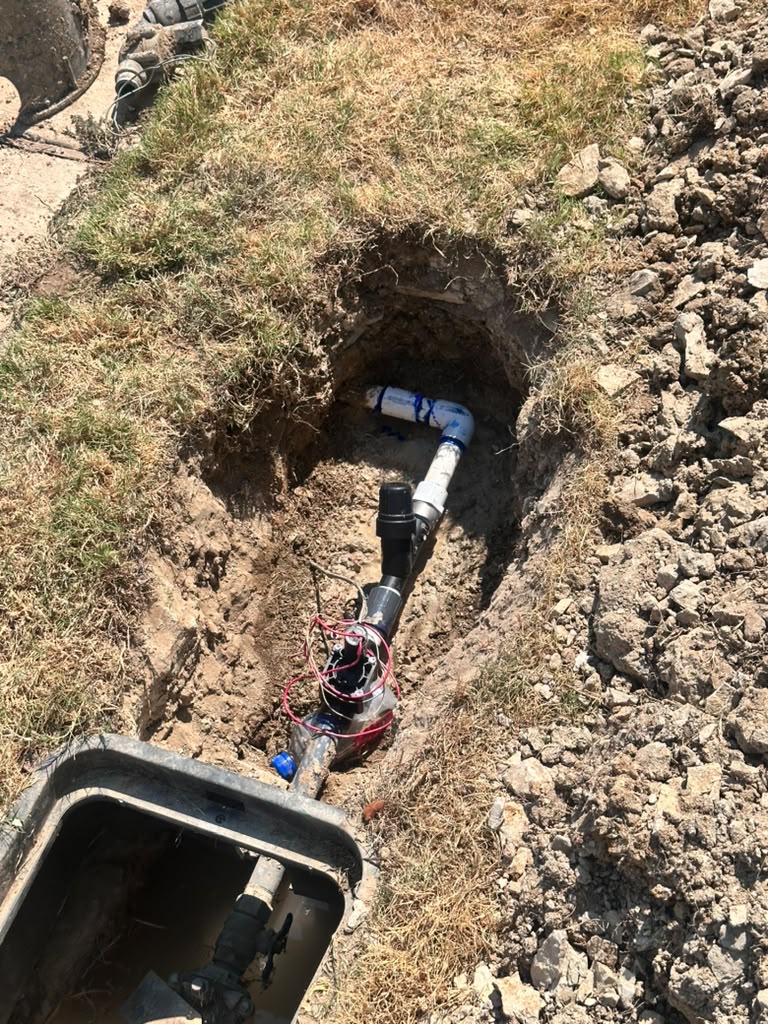
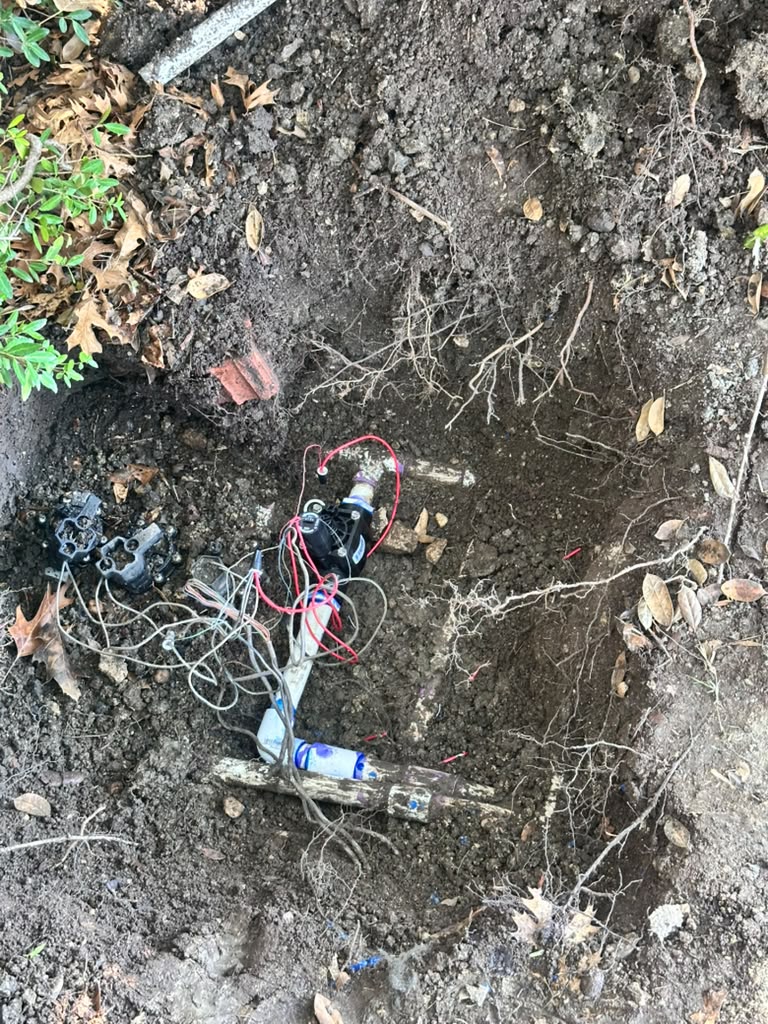
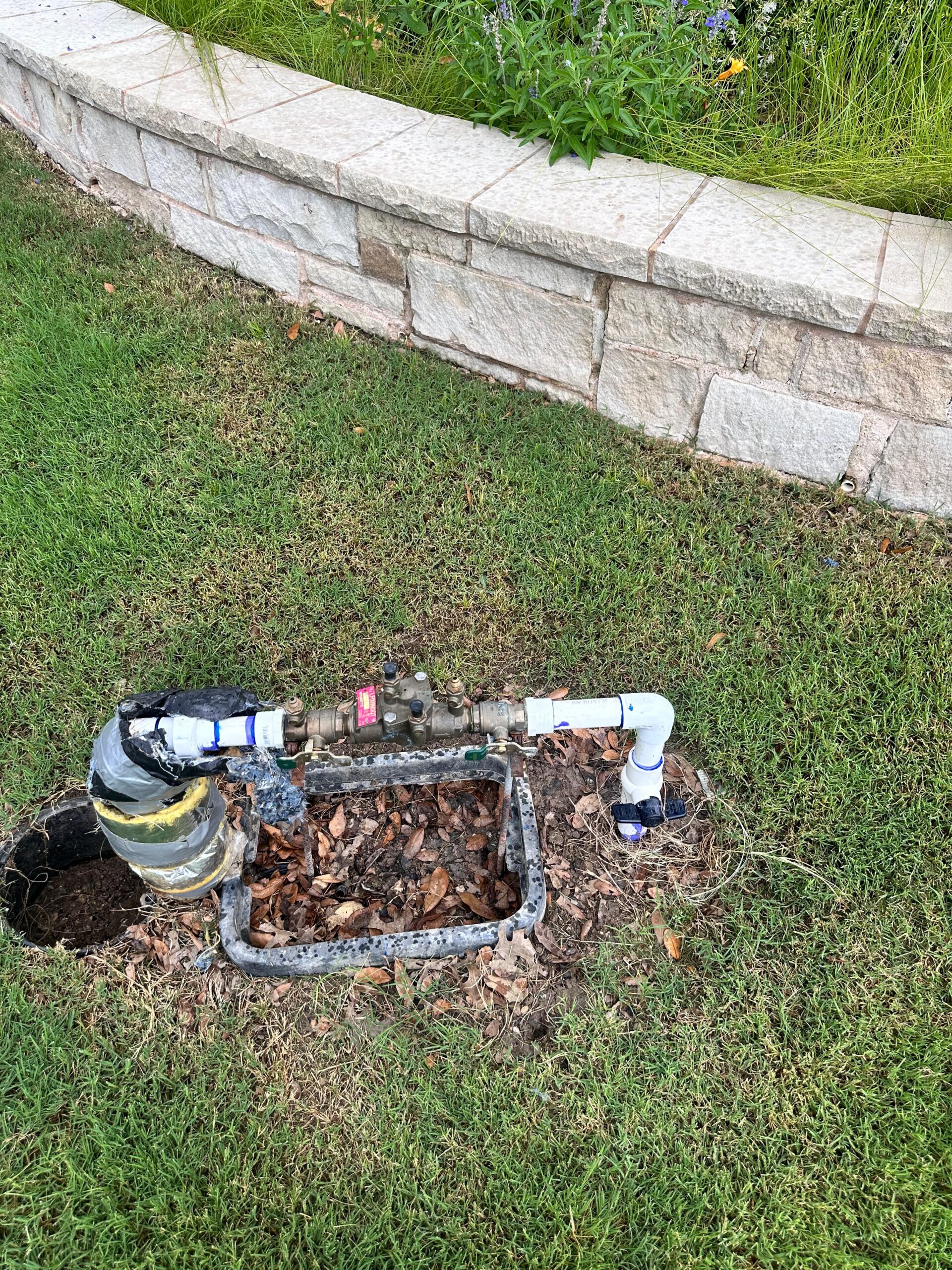
Yes. A sprinkler valve in Parker TX can cause low water pressure when it does not open fully, has a partially closed flow control, or contains damaged internal components that restrict water flow. When this happens, the affected sprinkler zone may produce weak sprays, uneven coverage, or sprinkler heads that fail to pop up completely.
However, a malfunctioning valve is not the only possible cause. An underground pipe leak, clogged sprinkler nozzle, damaged fitting, or problem with the water supply can create similar symptoms. Before replacing sprinkler heads or installing a new valve, check the valve’s operation and look for signs of restricted water flow or leakage.
At a Glance: Sprinkler Valve and Low Pressure
| Category | Details |
| Difficulty | Basic visual inspection |
| Estimated Time | 15–30 minutes |
| Tools Needed | Flashlight, screwdriver, and small flag markers |
| What to Check | Valve operation, flow control, leaks, and sprinkler coverage |
| Common Symptoms | Weak spray, incomplete pop-up, uneven coverage |
| May Not Solve | Main water supply problems, underground leaks, or controller issues |
Important: Homeowners can perform basic visual checks, but electrical testing and internal valve repairs may require a licensed irrigation professional.
How Does a Sprinkler Valve in Parker TX Affect Water Pressure?
A sprinkler valve controls when water enters a particular irrigation zone. When the controller activates a zone, an electrical signal tells the valve to open and allow water to travel through the underground pipes to the sprinkler heads.
If the valve opens completely, water can move through the system as designed. If something prevents it from opening fully, the amount of water reaching the sprinkler heads may decrease.
Several valve-related problems can contribute to weak sprinkler performance.
1. Partially Closed Flow Control
Some sprinkler valves have a flow-control adjustment that regulates how much water passes through the valve.
If this adjustment is turned down too far, it can restrict water entering the irrigation zone. The result may be weaker spray patterns, reduced sprinkler distance, and inconsistent coverage.
This is one of the first things worth checking when only one zone experiences low pressure.
2. Damaged Valve Diaphragm
The diaphragm is an internal rubber component that helps control water movement through the valve.
Over time, debris, normal wear, or damage can prevent the diaphragm from operating correctly. Depending on the problem, the valve may not open completely or may struggle to maintain consistent water flow.
A damaged diaphragm can also cause a valve to leak or fail to close properly.
3. Debris Inside the Valve
Small particles of dirt, sand, or other debris can enter irrigation components through the water supply.
When debris collects inside the valve, it may interfere with the diaphragm or other moving parts. This can prevent the valve from opening and closing as intended.
A valve that previously operated normally may begin producing inconsistent water flow after debris enters the system.
4. Valve Not Opening Completely
A sprinkler valve must open sufficiently to supply the zone with the water it needs.
If the valve has an internal mechanical problem, damaged components, or an electrical issue affecting its operation, the zone may receive less water than expected.
This is why checking the valve’s operation is important before assuming the sprinkler heads are defective.
How to Check a Sprinkler Valve Before Replacing Sprinkler Heads
If one sprinkler zone has noticeably weaker spray than the others, follow these basic inspection steps before purchasing replacement parts.
Step 1: Compare the Affected Zone With Other Zones
Start by running the sprinkler system one zone at a time.
Observe how the affected zone performs compared with zones that operate normally.
Look for:
- Sprinkler heads that barely pop up.
- Spray patterns that do not reach their usual distance.
- Heads that produce weak or inconsistent streams.
- Areas of the lawn that receive less water.
- Sprinklers that operate normally at first but weaken during the cycle.
If the other zones have normal pressure, the problem may be isolated to the affected zone.
This makes the zone’s valve, piping, and individual sprinkler components important places to investigate.
Step 2: Locate the Sprinkler Valve
Most residential irrigation systems have valves inside underground valve boxes.
These boxes are commonly located in landscaped areas or near the irrigation system’s main water supply.
Once you locate the appropriate valve box:
- Carefully remove the lid.
- Use a flashlight to inspect the visible components.
- Look for standing water, muddy soil, or damaged fittings.
- Check whether the valve appears physically damaged.
- Look for signs of leaking around the connections.
Avoid digging around the valve or disconnecting electrical wiring during a basic inspection.
Step 3: Check the Flow-Control Adjustment
If the valve has a flow-control adjustment, inspect its position.
A partially closed adjustment may restrict the amount of water entering the zone. If it appears unusually restricted, consult the valve manufacturer’s instructions before making changes.
Do not assume that opening the flow control completely will solve every pressure problem.
The correct adjustment depends on the valve design and irrigation system requirements.
Step 4: Look for Signs of a Water Leak
An underground leak can reduce the amount of water reaching sprinkler heads.
Inspect the landscape around the affected zone for:
- Unexpected wet or muddy areas.
- Water bubbling through the soil.
- Small areas of standing water.
- Ground that stays wet between watering cycles.
- Unusually green or fast-growing patches of grass.
Also inspect visible pipe connections around the valve box.
According to the EPA WaterSense Sprinkler Spruce-Up guide, pooling water and leaking connections can indicate problems within an irrigation system.
If you notice continuous water flow or significant pooling, turn off the irrigation system and arrange an inspection rather than continuing to run the affected zone.
Step 5: Inspect the Sprinkler Heads
After checking the valve and looking for leaks, inspect the sprinkler heads throughout the affected zone.
A clogged nozzle, damaged head, or obstructed spray opening can create weak or uneven coverage.
Look for:
- Dirt or debris blocking the nozzle.
- Cracked sprinkler bodies.
- Heads that do not rise completely.
- Grass or roots blocking the spray pattern.
- Damaged or incorrectly installed nozzles.
If only one sprinkler head has weak spray while the others operate normally, the problem may be limited to that individual head.
If every head in the zone has weak spray, investigate the valve and water supply before replacing multiple heads.
Common Mistakes That Can Make Low Water Pressure Worse
Replacing sprinkler components without identifying the original problem can lead to unnecessary expenses.
Here are some common mistakes homeowners should avoid.
Replacing Every Sprinkler Head Immediately
Weak spray does not automatically mean the sprinkler heads are defective.
If a valve is restricting water flow, replacing the heads will not correct the underlying problem.
Check the valve and water supply first.
Increasing the Watering Runtime
Some homeowners increase their controller’s watering duration when they notice dry patches.
However, longer watering does not correct restricted water flow or a leaking underground pipe.
It may simply increase water waste without improving coverage.
Ignoring Small Wet Spots
A small wet area near a valve box or sprinkler line may indicate a developing leak.
Ignoring it can allow water loss to continue and potentially affect surrounding soil.
Monitor unexpected wet spots, particularly when the irrigation system has not recently operated.
Adjusting Multiple Components at Once
Changing the flow control, replacing nozzles, and adjusting the controller simultaneously makes it difficult to determine which change affected the system.
Inspect one component at a time and observe the results before moving to another adjustment.
Local Considerations for Sprinkler Systems in Parker TX
Parker homeowners should consider local soil conditions, seasonal weather, and landscape characteristics when investigating irrigation problems.
North Texas Clay Soil
Many properties in the Parker area have clay-rich soil that can hold moisture and drain slowly.
When an underground sprinkler line leaks, water may collect in certain areas instead of immediately disappearing into the ground.
Clay soil can also expand and contract as moisture conditions change. Over time, soil movement may affect buried irrigation pipes and connections.
Extended Summer Heat
North Texas summers can place additional demands on residential irrigation systems.
When watering needs increase, a restricted valve or leaking pipe may become more noticeable because sprinkler zones must distribute water consistently across the landscape.
Weak coverage can leave portions of the lawn dry even when the controller appears to be operating normally.
Seasonal Temperature Changes
Temperature changes can affect exposed irrigation components and underground piping.
Cold weather may damage vulnerable components, while seasonal yard work can disturb shallow pipes or sprinkler connections.
Inspecting the system after major weather changes and landscape projects can help identify problems before they affect the entire irrigation zone.
For additional guidance, Texas A&M AgriLife Extension provides resources on landscape irrigation efficiency, including the importance of appropriate sprinkler operating pressure and system design.
What Else Can Cause Low Sprinkler Water Pressure?
A sprinkler valve is only one possible source of weak water pressure.
If checking the valve does not resolve the problem, consider these other causes.
Underground Irrigation Pipe Leak
A damaged underground pipe can allow water to escape before it reaches the sprinkler heads.
Common signs include wet soil, unexpected pooling, reduced spray distance, and a noticeable difference in zone performance.
A professional leak inspection can help locate the damaged section without unnecessary digging.
Clogged Sprinkler Nozzles
Debris inside a sprinkler nozzle can restrict water movement and create an uneven spray pattern.
This problem commonly affects individual sprinkler heads rather than an entire zone.
Cleaning or replacing the affected nozzle may resolve the issue if the remaining system components are operating correctly.
Main Water Supply Restriction
If multiple sprinkler zones experience weak pressure, the problem may involve the main water supply rather than an individual valve.
Possible causes include:
- A partially closed main irrigation shutoff valve.
- A water supply restriction.
- A malfunctioning pressure regulator.
- Multiple water-using fixtures operating simultaneously.
- A problem with the property’s incoming water supply.
If indoor faucets and other water fixtures also have low pressure, investigate the household water supply instead of focusing only on the irrigation system.
Incorrect Sprinkler Head Combinations
Different sprinkler heads have different flow requirements.
Installing incompatible nozzles or sprinkler types within the same zone can create uneven water distribution.
A system may appear to have a pressure problem when the actual issue involves improper equipment selection or zone design.
When Should You Schedule a Sprinkler Valve Inspection?
Basic visual checks can help narrow down the problem, but some irrigation issues require more detailed testing.
Consider scheduling a professional inspection when:
- One zone continues producing weak spray after basic checks.
- The valve does not open or close consistently.
- Water continues leaking around the valve box.
- Several sprinkler heads have suddenly lost pressure.
- The system has unexplained wet spots or underground leaks.
- You suspect damaged wiring or internal valve components.
- Adjusting the flow control does not improve performance.
A licensed irrigation professional can evaluate the affected zone, test valve operation, inspect electrical connections, check water flow, and investigate possible underground leaks.
The goal should be to identify the actual cause before recommending a repair or replacement.
Frequently Asked Questions
1. Can a bad sprinkler valve cause low water pressure in one zone?
Yes. A malfunctioning valve, restricted flow control, or damaged internal component can reduce water flow to an individual zone. However, an underground leak or other piping problem may produce similar symptoms.
2. How do I know if my sprinkler valve is not opening completely?
Common signs include weak spray throughout one zone, sprinkler heads that do not pop up fully, and noticeably reduced coverage compared with other zones. A valve inspection can help determine whether it is opening correctly.
3. Should I replace sprinkler heads if one zone has low pressure?
Not immediately. Check the valve, flow-control adjustment, and possible leaks first. If the entire zone has weak spray, replacing individual heads may not address the underlying problem.
4. Can a sprinkler valve leak even when the system is turned off?
Yes. A valve that does not close completely because of debris, diaphragm damage, or internal wear may allow water to continue passing through. This can cause persistent leaking or wet areas around sprinkler heads.
5. How much does it cost to repair a sprinkler valve in Parker TX?
The cost depends on the actual problem, valve accessibility, replacement parts, and whether additional piping or wiring repairs are necessary. An inspection is the best way to determine whether the valve needs adjustment, repair, or replacement.
Bottom Line: Identify the Cause Before Replacing Parts
A sprinkler valve can contribute to low water pressure, but it should not automatically be considered the cause whenever a zone produces weak spray.
Check the flow-control adjustment, inspect the valve for visible damage, and look for underground leaks before replacing sprinkler heads.
If the problem continues, a professional evaluation can help determine whether the valve, piping, water supply, or another irrigation component needs attention.
Let’s Start With the Right Answer
If a sprinkler valve in Parker TX is causing weak spray or inconsistent coverage, understanding the problem is the first step toward making the right repair. At Whale Done Sprinklers & Irrigation, we help homeowners identify the cause before recommending solutions. Schedule your $99 Whale Done Assessment™, applied toward approved repairs, or call (469) 384-7767 or email clientsupport@callwhaledone.com to discuss your irrigation concerns.