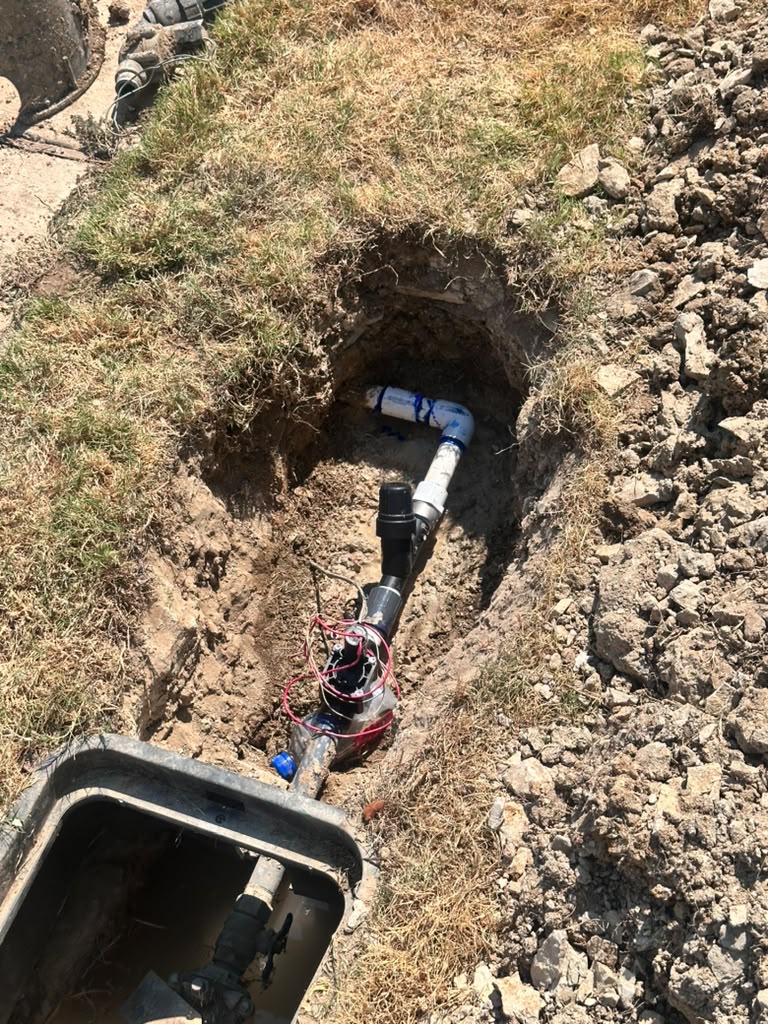
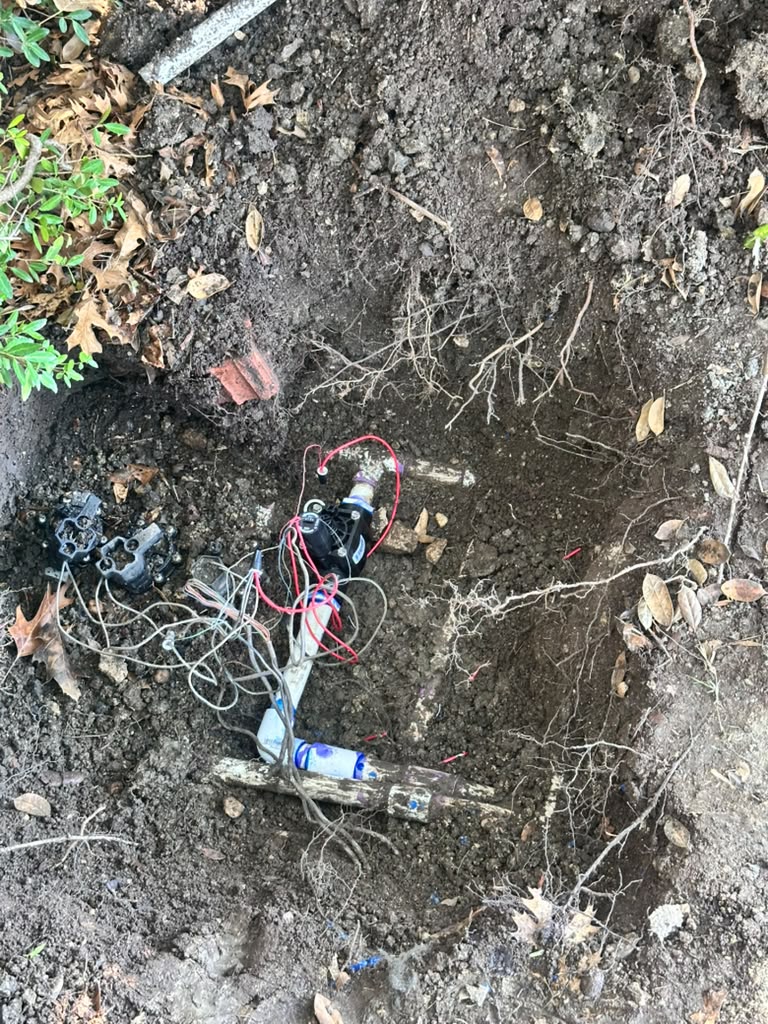
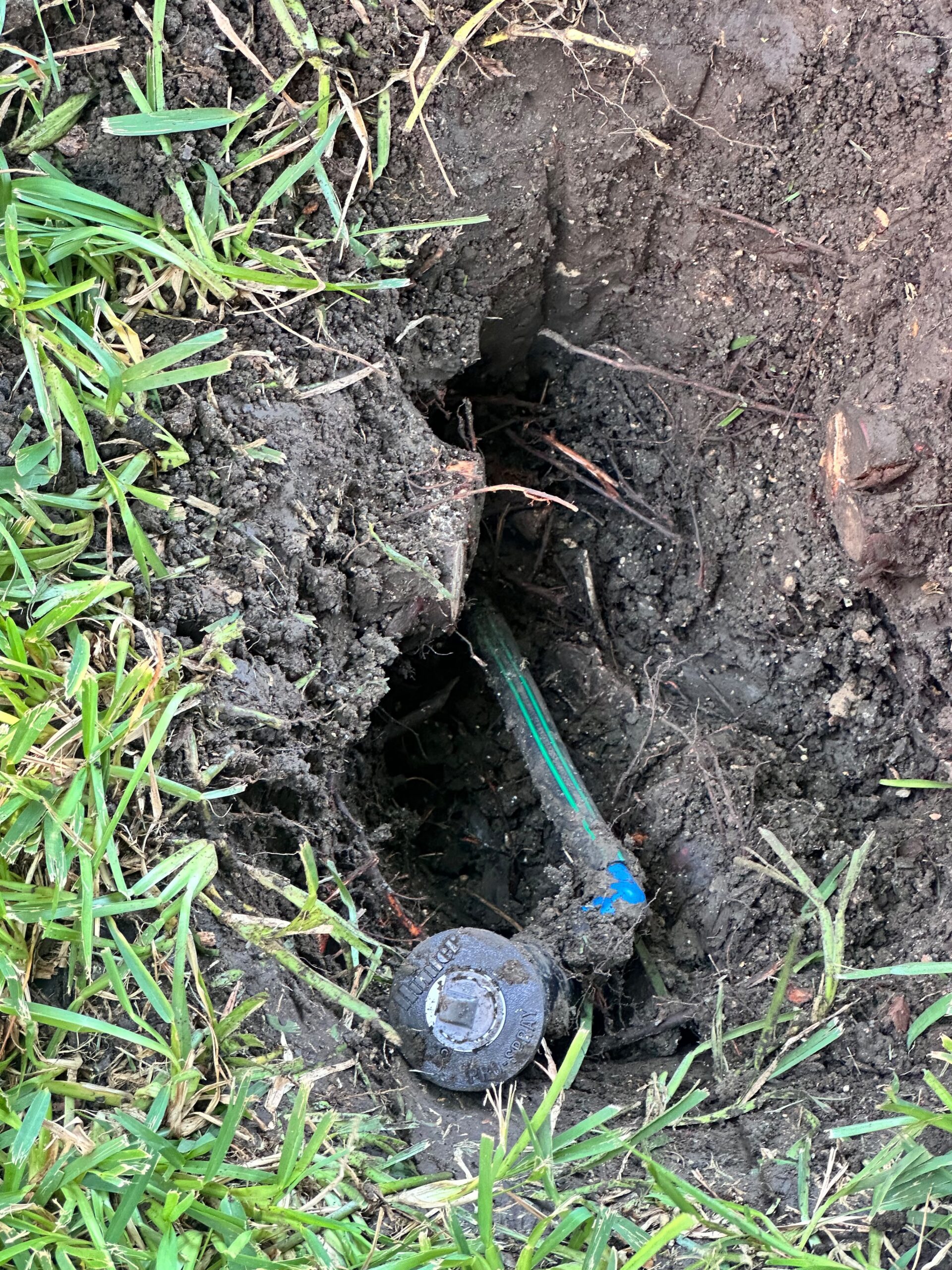
A weak sprinkler zone in Melissa TX can happen when a partly closed flow control, an underground leak, or a sprinkler valve that does not open fully restricts water flow. These problems prevent enough water from reaching the sprinkler heads, resulting in shorter spray distances, weak pressure, or uneven lawn coverage. Before replacing sprinkler heads, homeowners should check whether the valve is fully open, inspect visible pipes and fittings for leaks, and observe how the affected zone operates. If these checks do not identify the problem, a closer inspection of the irrigation system may be necessary.
At a Glance: Diagnosing a Weak Sprinkler Zone
| Category | Details |
| Difficulty | Easy for basic visual checks |
| Estimated Time | 15–30 minutes |
| Tools Needed | Flashlight, screwdriver if needed, sprinkler controller |
| Works For | Identifying restricted water flow and visible leaks |
| May Not Solve | Hidden pipe leaks, damaged valves, and electrical problems |
Before starting: Run the affected zone briefly and observe the sprinkler heads. Compare their spray patterns with another zone that operates normally. This helps determine whether the problem is isolated to one section or affects the entire irrigation system.
What Causes One Sprinkler Zone to Have Weak Water Pressure?
A sprinkler zone depends on several components working together. The controller sends a signal to the valve, the valve opens to release water, and the pipes distribute that water to the sprinkler heads.
When something restricts this process, the affected zone may receive less water than it needs.
Three common causes deserve attention before homeowners consider replacing sprinkler heads.
1. Partly Closed Flow Control
Some sprinkler valves have flow controls that regulate water entering a zone. If partly closed after maintenance, troubleshooting, or accidental adjustment, they can restrict water flow, causing shorter spray distances, reduced pressure, and weaker performance across multiple sprinkler heads.
What to check: Locate the valve controlling the affected zone and look for its flow control adjustment. If it has been partly closed, restoring the appropriate setting may improve water distribution.
Do not force an adjustment if the valve is difficult to turn or its design is unfamiliar. Some valves do not have adjustable flow controls.
2. Underground or Visible Pipe Leaks
A leak can reduce sprinkler water flow when damaged pipes or fittings allow water to escape. Signs include muddy soil, persistent wet spots, bubbling ground, soft areas, pooling water, and reduced spray distance across multiple sprinkler heads.
What to check: Run the affected zone and inspect the lawn for unusual water movement or wet areas. Pay attention to locations where water appears even when nearby sprinkler heads are operating normally.
If the ground becomes wet without a clear explanation, avoid digging randomly. The damaged pipe may be deeper than expected, and unnecessary excavation can damage other irrigation components.
3. A Sprinkler Valve That Does Not Open Fully
The sprinkler valve controls water flow into each zone. If it does not open fully, debris, a damaged diaphragm, worn components, or a faulty solenoid may restrict pressure, causing weak spray, inconsistent operation, slow starts, or unexpected changes in water flow.
What to check: Observe whether the affected zone starts and operates consistently. Compare its performance with other zones and listen for unusual sounds around the valve area.
A valve that does not open fully may require cleaning, adjustment, or replacement of an internal component. However, the correct repair depends on what is actually causing the restriction.
How to Check a Weak Sprinkler Zone in Melissa TX Before Replacing Heads
Replacing sprinkler heads may seem like the easiest solution, especially when several heads have short spray distances. However, if the problem comes from restricted water flow, new heads may produce the same weak performance.
Follow these steps to narrow down the cause.
Step 1: Compare the Affected Zone With Other Zones
Start by running the affected zone and observing its sprinkler heads.
Then activate another zone that normally works well.
Compare the following:
- Spray distance.
- Water pressure.
- Coverage across the lawn.
- How quickly the heads begin operating.
- Whether all heads are affected or only a few.
If every head in one zone sprays weakly while other zones work normally, the issue may involve that zone’s valve, flow control, or piping.
If only one or two heads are affected, a clogged nozzle, damaged head, or local connection problem may be more likely.
Step 2: Check the Valve Flow Control
Find the irrigation valve associated with the affected zone.
If the valve includes a flow control adjustment, inspect its position. A partly closed control can limit water entering the zone.
Do not assume every valve has this feature. Also, avoid turning unfamiliar valve components because forcing them can cause additional damage.
Step 3: Look for Signs of Water Leaks
Inspect the lawn while the affected zone is running.
Look around sprinkler heads, exposed connections, valve boxes, and areas where the ground appears unusually wet.
Check for:
- Water escaping around sprinkler heads.
- Cracked fittings.
- Damaged exposed pipes.
- Bubbling soil.
- Water collecting in one location.
If you find a visible leak, stop the zone and address the source before continuing to test the system.
Step 4: Observe How the Sprinkler Valve Operates
If the flow control and visible pipes appear normal, the valve may not be opening completely.
Observe whether the zone starts normally, whether its spray remains consistently weak, and whether the problem affects every head connected to that valve.
Do not open the valve housing unless you understand the system and can safely isolate its water supply. Internal valve inspection may be better handled by a qualified irrigation technician.
Step 5: Check the Controller Settings
A controller problem does not always cause weak water pressure, but incorrect programming can make sprinkler performance appear inconsistent.
Check whether:
- The correct zone is selected.
- The watering schedule is appropriate.
- The controller displays an error.
- The affected zone starts when commanded.
- Recent programming changes affected watering times.
If the zone operates normally when manually activated but behaves differently during its scheduled cycle, reviewing the controller settings is a sensible next step.
Common Mistakes When Troubleshooting Weak Sprinkler Pressure
Homeowners sometimes replace components before identifying what is restricting water flow. This can lead to unnecessary expenses without correcting the underlying problem.
Avoid these common mistakes:
- Replacing every sprinkler head immediately. A restricted valve or leaking pipe can affect multiple heads simultaneously. Check the water supply to the zone before purchasing replacements.
- Increasing sprinkler run times. Longer watering schedules do not fix restricted water flow. They may also leave some areas dry while other areas receive too much water.
- Ignoring small wet spots. A small patch of consistently damp soil can indicate an underground leak. Monitor the area instead of assuming it is caused by recent rainfall.
- Adjusting several components at once. Change or inspect one thing at a time so you can determine whether the adjustment improves performance.
- Digging without locating the problem. Unnecessary digging can damage irrigation lines, landscaping, and other underground utilities.
Local Considerations for Sprinkler Systems in Melissa TX
Melissa homeowners should consider local soil and weather conditions when diagnosing irrigation problems.
Clay Soil and Water Drainage
Parts of North Texas have clay-heavy soils that hold moisture and drain slowly. When an underground sprinkler pipe leaks, water may remain around the damaged section instead of quickly disappearing into the ground.
This can make a leak easier to notice through persistent wet spots, soft soil, or unusual pooling.
However, wet ground alone does not confirm a sprinkler leak. Recent rainfall, drainage conditions, and overwatering can produce similar symptoms.
Seasonal Temperature Changes
North Texas experiences hot summers and occasional freezing temperatures during winter. These changes can affect irrigation components over time.
Cold weather can damage exposed pipes, fittings, and backflow assemblies. During warmer months, regular irrigation use can reveal problems that were not obvious when the system was inactive.
Inspect exposed components after extreme weather and before increasing seasonal watering schedules.
Water Conservation and Efficient Irrigation
A weak sprinkler zone can create uneven lawn coverage. Some areas may receive insufficient water while others remain saturated.
Instead of simply extending the watering schedule, identify the cause of the weak spray first.
The EPA WaterSense outdoor water-use guidance provides useful information about efficient landscape watering and reducing unnecessary water waste.
Homeowners can also review Texas A&M AgriLife Extension for Texas-specific lawn and landscape care information.
Other Sprinkler Problems That Can Look Like a Weak Zone
Not every weak spray problem comes from a valve or underground leak. Other irrigation issues can produce similar symptoms.
Clogged Sprinkler Nozzles
Dirt, mineral deposits, and small debris can block nozzle openings. This usually affects individual sprinkler heads rather than an entire zone.
If one head sprays poorly while the others operate normally, inspect the nozzle for visible obstructions.
Damaged Sprinkler Heads
A cracked housing, broken riser, or damaged connection can allow water to escape before it reaches the intended spray opening.
This may reduce the head’s performance and create wet areas around the sprinkler.
Low Water Supply Pressure
If several zones experience weak spray, the problem may involve the property’s water supply rather than one individual valve.
Other possible causes include a partially closed main shutoff, a pressure regulator issue, or simultaneous water use elsewhere on the property.
Incorrect Sprinkler Head Selection
Different sprinkler heads and nozzles are designed for different spray distances and coverage patterns.
If a replacement head does not match the system’s design, the affected area may receive uneven coverage even when water pressure is normal.
Controller or Electrical Problems
A faulty solenoid, damaged wiring, or controller issue may prevent a valve from operating correctly.
These problems can cause a zone to start inconsistently or fail to operate as expected.
For additional information, homeowners can explore these related resources:
- Sprinkler System Inspections – Learn what an irrigation system inspection can identify.
- Sprinkler Repair Services – Understand common sprinkler component problems and repair options.
- Sprinkler Leak Detection – Learn how irrigation leaks can be identified.
When Should You Get Professional Sprinkler Help?
Basic visual checks can help identify simple problems, such as an exposed leak or an obviously adjusted flow control. However, some issues require a more detailed inspection.
Consider professional assistance when:
- The entire zone continues to have weak spray.
- You cannot identify the source of water loss.
- A valve appears to be stuck or partially opening.
- Underground leaks are suspected.
- Several zones have unexplained pressure changes.
- The system continues to operate inconsistently after basic checks.
A licensed irrigation professional can evaluate the valve, inspect accessible piping, test system operation, and determine whether the problem involves restricted flow, a leak, or another component.
The goal is to identify the actual cause before recommending replacement parts.
Frequently Asked Questions
1. Why is only one sprinkler zone losing pressure?
One zone may lose pressure because its flow control is partly closed, its valve is not opening fully, or its underground piping has a leak. If other zones work normally, begin by inspecting the components serving the affected zone.
2. Can a bad sprinkler valve cause weak water pressure?
Yes. A valve that does not open completely can restrict water entering the zone. Debris, a damaged diaphragm, or a faulty solenoid may interfere with normal valve operation.
3. Should I replace sprinkler heads if they are spraying weakly?
Not immediately. First determine whether the problem affects one head or the entire zone. If multiple heads have weak spray, investigate the valve, flow control, and irrigation pipes before replacing individual heads.
4. How do I know if an underground sprinkler pipe is leaking?
Look for persistent wet spots, muddy soil, bubbling ground, or unexplained pooling while the system operates. A leak may also cause several sprinkler heads to lose spray distance because water escapes before reaching them.
5. Can weak sprinkler pressure damage my lawn?
Weak pressure can contribute to uneven watering and dry patches. Areas receiving insufficient water may become stressed, while leaks can leave other sections excessively wet. Identifying the cause helps restore more consistent coverage.
Next Step
If basic checks do not resolve the problem, a professional inspection can help identify what is restricting water flow. The right diagnosis makes it easier to determine whether the system needs a valve repair, leak repair, or another adjustment.
For homeowners dealing with a weak sprinkler zone in Melissa TX, Whale Done Sprinklers & Irrigation can help evaluate the system and explain the appropriate next steps. Call +1 (469) 384-7767 or email clientsupport@callwhaledone.com to schedule an assessment.