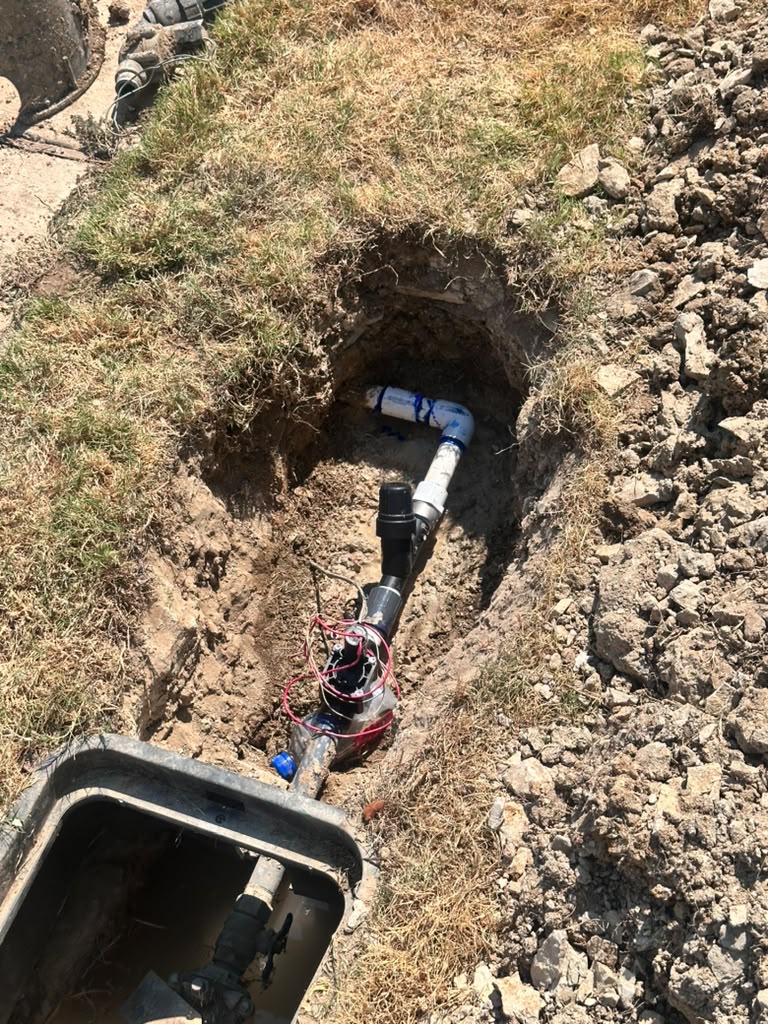
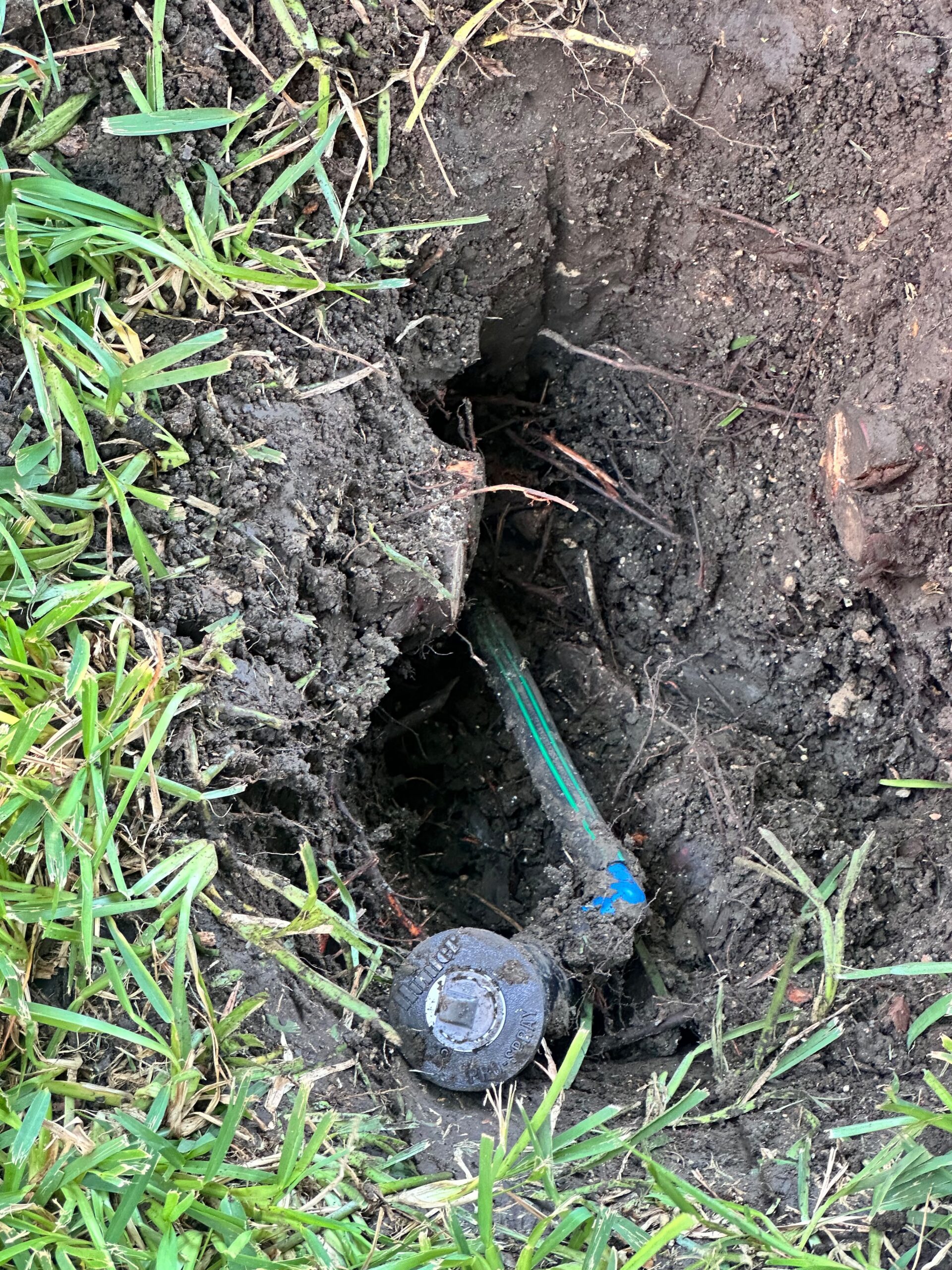
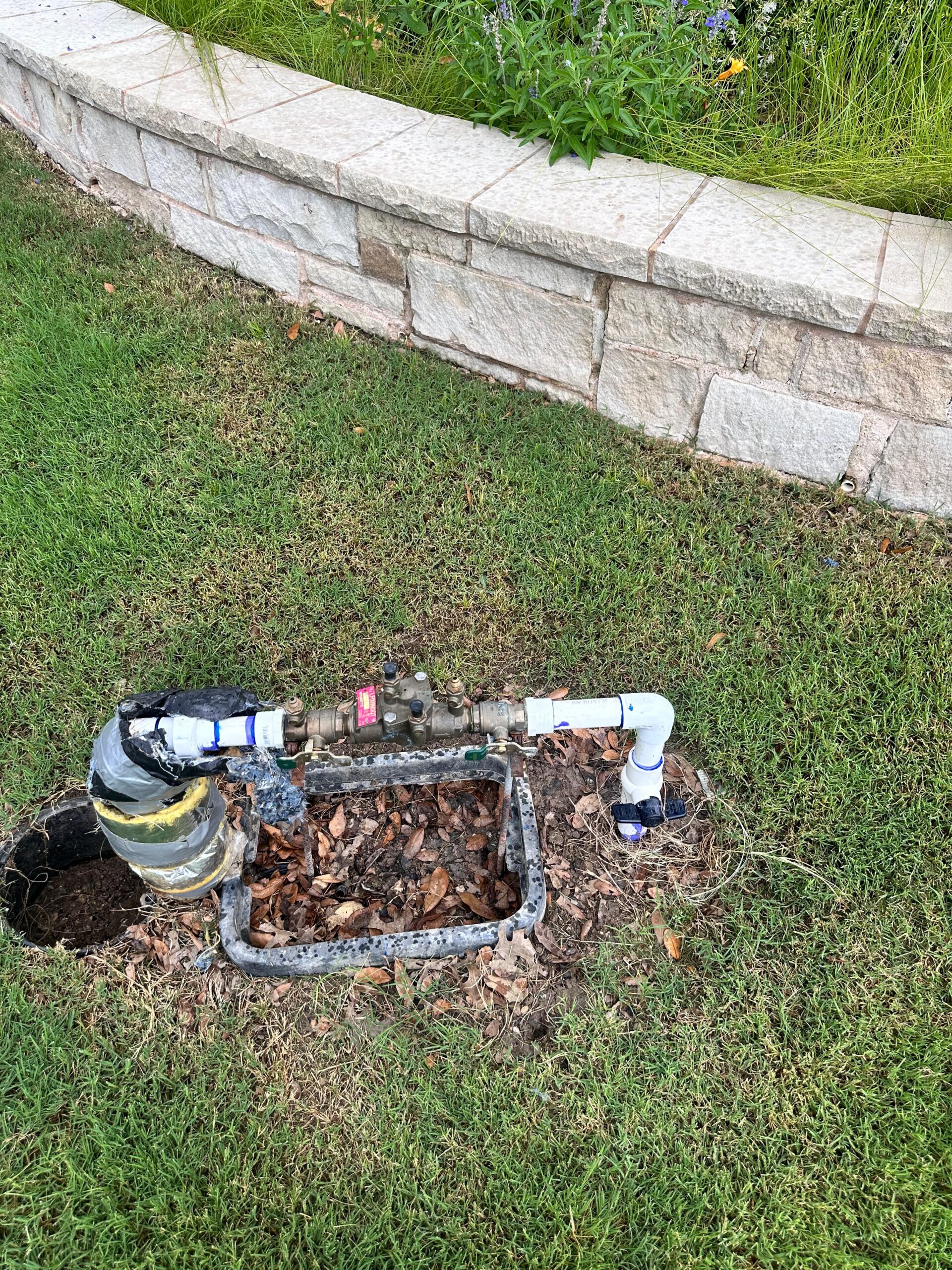
A sprinkler valve in Celina TX may be repairable if the problem involves a damaged diaphragm, faulty solenoid, or minor internal component that can be replaced without compromising the valve body. However, a valve with a cracked body, severe corrosion, damaged connections, or extensive wear may need complete replacement.
The decision should depend on the valve’s actual condition, the availability of compatible replacement parts, and whether repairing it will restore reliable operation. Age alone does not mean a valve needs replacing. Some older valves continue working properly after a relatively simple repair, while a newer valve with a cracked housing may be beyond repair.
Before purchasing a replacement, identify the source of the problem. A valve that will not open or close correctly may have an electrical issue, a blocked diaphragm, or a mechanical failure.
At a Glance: Sprinkler Valve Repair vs. Replacement
| Factor | Repair | Replacement |
| Best for | Replaceable internal components | Cracked or severely damaged valves |
| Common parts | Diaphragm, solenoid, seals | Complete valve assembly |
| Work involved | Component inspection and repair | Removing and installing a compatible valve |
| Main consideration | Part compatibility | Correct valve specifications |
| Expected result | Restores function if the body is sound | Replaces the damaged assembly |
Difficulty: Moderate for experienced DIY homeowners; professional assistance may be needed for electrical or underground plumbing work.
Estimated time: Varies depending on accessibility, damage, and whether replacement parts are available.
Tools needed: Screwdriver, adjustable wrench, replacement components, and a multimeter for appropriate electrical checks.
Works for: Valves with identifiable mechanical or electrical problems.
May not solve: Low water pressure caused by a supply issue, underground leaks, controller problems, or damaged irrigation lines.
Why Do Sprinkler Valves Fail?
A sprinkler valve controls water flow to a specific irrigation zone. When the controller sends an electrical signal, the valve opens and allows water to travel through the pipes to the sprinkler heads. When the watering cycle ends, the valve closes and stops the flow.
Several components work together to make this happen. If one part becomes damaged, the entire zone may stop working correctly.
Common causes include:
- Worn diaphragm: The flexible rubber component inside the valve may become stiff, torn, or weakened, preventing the valve from opening or closing properly.
- Faulty solenoid: This electrical component controls the valve’s opening and closing mechanism. A damaged solenoid may prevent the valve from responding to the controller.
- Debris buildup: Dirt, sediment, or small particles can interfere with the diaphragm and prevent a proper seal.
- Cracked valve body: Physical damage can cause water to escape through the valve housing.
- Worn seals and connections: Deteriorated seals may allow water to leak around the valve.
- Electrical problems: Loose wiring, damaged connections, or controller issues can interrupt the signal needed to operate the valve.
Understanding the cause helps determine whether replacing one component is enough or whether the entire valve assembly needs attention.
Signs Your Sprinkler Valve May Only Need Repair
Not every malfunction means the complete valve needs to be replaced. If the valve body remains structurally sound, repairing an individual component may be a practical solution.
1. The Valve Will Not Open
If a sprinkler zone does not receive water when activated, the solenoid may be faulty or the diaphragm may be stuck.
Start by checking whether the controller is sending the correct signal. If the controller and wiring appear to be functioning, the problem may be inside the valve.
A compatible replacement solenoid or diaphragm may restore normal operation without requiring a new valve.
2. Water Continues Running After the Zone Turns Off
A valve that does not close completely can allow water to continue flowing after the scheduled watering cycle.
Possible causes include:
- A damaged or worn diaphragm.
- Dirt trapped inside the valve.
- A solenoid that is not operating correctly.
- A damaged internal seal.
Cleaning the valve and replacing a damaged internal component may resolve the issue if the valve housing is still in good condition.
3. There Is a Small Leak Around the Valve
Water around a valve does not automatically mean the entire assembly is damaged.
Inspect the area for loose fittings, worn seals, or a damaged connection. If the leak comes from a replaceable component or connection, a targeted repair may be sufficient.
However, water escaping through a crack in the valve body is a different problem. A cracked housing generally requires replacement rather than a patch.
When Should You Replace the Entire Sprinkler Valve?
Some types of damage make replacement the more reliable option. Continuing to repair a valve with significant structural problems may result in repeated leaks or inconsistent irrigation.
Consider complete replacement when you notice the following conditions.
1. The Valve Body Is Cracked
The valve body contains pressurized water. A crack can allow water to escape even when the system is operating normally.
Cracks may result from physical impact, excessive pressure, freezing temperatures, or deterioration.
Because the housing is responsible for containing water, replacing the complete valve is generally more dependable than attempting to patch structural damage.
2. The Valve Has Severe Corrosion or Deterioration
A valve with extensive corrosion, damaged threads, or deteriorated connections may no longer provide a secure seal.
Replacing one internal component will not correct damage affecting the rest of the assembly.
3. Compatible Replacement Parts Are Unavailable
Sprinkler valves are not interchangeable simply because they look similar.
Different models may have different thread sizes, flow requirements, pressure ratings, electrical specifications, and installation configurations.
If the correct diaphragm, solenoid, or other replacement component is unavailable, installing a compatible complete valve may be the more practical solution.
4. Previous Repairs Have Not Solved the Problem
Repeated repairs without lasting results may indicate that the valve has multiple damaged components or an underlying issue that has not been identified.
A proper inspection can help determine whether another component replacement makes sense or whether starting with a new valve is more reliable.
How to Decide Between Repairing and Replacing a Sprinkler Valve in Celina TX
The best decision comes from inspecting the valve rather than relying on its age or appearance alone.
Use these steps to understand what may be wrong.
Step 1: Turn Off the Irrigation System
Turn off the sprinkler controller and isolate the water supply before inspecting the valve. Avoid digging aggressively around underground valves to prevent damaging buried irrigation pipes and electrical wiring.
Step 2: Inspect the Valve Body
Look for visible cracks, corrosion, loose fittings, and signs of water escaping from the housing.
Pay attention to the area around the valve cover and pipe connections.
If the body is cracked or the connections are severely deteriorated, replacement will generally be necessary.
Step 3: Check the Solenoid and Wiring
When the controller activates a zone, the solenoid should respond. Check for loose connections or damaged wiring, as electrical issues may prevent proper valve operation.
Step 4: Inspect the Diaphragm
If the valve can be safely opened after the water supply is shut off and pressure is relieved, inspect the diaphragm for tears, stiffness, deformation, or debris.
A damaged diaphragm may be replaceable if the valve body and other components remain in good condition.
Use a replacement part designed for the exact valve model.
Step 5: Compare the Repair and Replacement Options
Consider these questions:
- Is the valve body still structurally sound?
- Can the damaged component be replaced?
- Are compatible parts available?
- Are the valve connections still in good condition?
- Has the valve experienced repeated failures?
- Will a repair restore reliable operation?
If the problem is limited to one replaceable component, repair may be reasonable. If several parts are damaged or the housing is compromised, replacing the assembly may provide a more dependable result.
Common Mistakes Homeowners Make
Choosing the wrong solution can lead to additional work, unnecessary expenses, and continued irrigation problems.
Avoid these common mistakes:
Replacing the entire valve too quickly. A faulty solenoid or diaphragm may be the only problem. Inspect the components before purchasing a new assembly.
Repairing a cracked valve body. Internal component replacement cannot correct structural damage to the housing.
Using incompatible replacement parts. A diaphragm or solenoid that does not match the valve model may cause improper operation or continued leaking.
Ignoring electrical problems. Replacing a valve will not fix a damaged wire or controller that cannot send the correct signal.
Overlooking the original cause of failure. High water pressure, debris, and freezing conditions may contribute to repeated valve problems. Addressing the underlying cause can help prevent another failure.
Local Considerations for Sprinkler Valve in Celina TX
Sprinkler systems in Celina experience changing weather conditions throughout the year. Heat, seasonal watering adjustments, soil movement, and occasional freezing temperatures can all affect irrigation components.
North Texas Heat and Seasonal Irrigation
During hot weather, irrigation systems may operate more frequently to maintain lawn health. Increased use can make existing valve problems easier to notice.
Watch for zones that fail to activate, valves that do not close completely, and unexplained wet areas around valve boxes.
Adjusting watering schedules according to actual lawn conditions can also help avoid unnecessary system operation.
Clay Soil and Ground Movement
Parts of Celina have clay-rich soils that can expand when wet and shrink during dry periods.
These changes can affect buried irrigation lines, fittings, and valve connections. A leak around a valve may therefore involve more than the valve’s internal components.
If water repeatedly collects around the same area, inspect the surrounding pipes and connections before assuming the valve itself is the only problem.
Freezing Temperatures
North Texas occasionally experiences hard freezes that can damage irrigation equipment containing trapped water.
Exposed valve components and poorly protected irrigation assemblies may be vulnerable to cracking.
If a valve develops a leak after freezing weather, inspect the housing carefully. A cracked body will generally require complete replacement.
For additional guidance, the Texas A&M AgriLife Extension provides educational resources on Texas landscaping and water management.
Other Problems That Can Look Like a Bad Sprinkler Valve
A malfunctioning irrigation zone does not always mean the valve is defective.
Before replacing anything, consider these related problems:
- Controller malfunction: Incorrect programming or a faulty controller can prevent a zone from receiving an activation signal.
- Damaged wiring: Broken or disconnected wires can interrupt communication between the controller and valve.
- Low water pressure: A partially closed supply valve, plumbing issue, or leak elsewhere in the system can reduce sprinkler performance.
- Underground pipe leaks: A damaged irrigation line may cause soggy areas, water loss, or weak sprinkler coverage.
- Clogged sprinkler heads: Debris inside a nozzle can reduce spray distance or create uneven watering.
- Manual valve position: A valve that has not been fully opened may restrict water flow.
If you notice water loss or unexplained wet spots, a sprinkler leak detection service may help identify the source before unnecessary repairs are made.
You can also learn more about identifying system problems through sprinkler system inspections.
Frequently Asked Questions
1. Is it cheaper to repair or replace a sprinkler valve?
Repairing a valve is often less expensive when the problem involves one replaceable component, such as a diaphragm or solenoid. Replacement may be more practical when the housing is cracked, several components are damaged, or compatible parts are unavailable. The total cost depends on the valve model, accessibility, parts, and labor.
2. Can I replace just the solenoid on a sprinkler valve?
Yes. Many sprinkler valves allow the solenoid to be replaced separately. However, the replacement must match the valve model and electrical specifications. If the problem comes from damaged wiring or the controller, replacing the solenoid alone will not resolve it.
3. How do I know if my sprinkler valve diaphragm is bad?
Common signs include a valve that will not open, water that continues flowing after a zone shuts off, or inconsistent operation. Inspect the diaphragm for tears, stiffness, deformation, or debris after safely shutting off the water supply.
4. Does an old sprinkler valve always need replacement?
No. Age alone is not enough to determine whether a valve should be replaced. An older valve may continue working properly if its housing is intact and compatible replacement components are available. Physical condition and reliable operation matter more than age.
5. Can a cracked sprinkler valve be repaired?
A cracked valve body generally needs complete replacement. The housing must contain pressurized water, and patching a structural crack may not provide a dependable long-term seal. Replacing the damaged assembly is usually the more reliable approach.
Bottom Line
Repairing a sprinkler valve makes sense when the housing is sound and the problem involves a replaceable component. Replacing it is generally the better choice when the body is cracked, connections are severely damaged, or repeated repairs have failed. The goal is to restore dependable operation without replacing parts unnecessarily.