If you’re dealing with a wrong sprinkler nozzle in Celina TX, your irrigation system may be delivering too much water to some areas while leaving others dry. Many homeowners assume uneven watering is caused by low pressure or broken sprinkler heads, but the nozzle itself often plays a much larger role than expected. Since every landscape has unique watering requirements, selecting the correct nozzle helps distribute water evenly, improve lawn health, and reduce unnecessary water waste.
As Celina continues to grow, homeowners invest significant time and money into maintaining attractive landscapes. However, even a well-designed irrigation system cannot perform efficiently if the sprinkler nozzles are mismatched with the lawn’s size, shape, or watering needs. Understanding how sprinkler nozzles affect irrigation performance can help you avoid common problems before they become costly repairs.
Understanding How Sprinkler Nozzles Work
Sprinkler nozzles determine how water leaves the sprinkler head. They control several important factors, including:
- Spray pattern
- Water pressure distribution
- Flow rate
- Throw distance
- Application rate
Different nozzles are engineered for different landscape conditions. Some produce a gentle mist for flower beds, while others deliver rotating streams designed for larger grassy areas.
Choosing the correct nozzle isn’t simply about replacing a worn-out part. It requires matching the nozzle with:
- Lawn dimensions
- Soil conditions
- Water pressure
- Plant requirements
- Irrigation zone layout
When these elements don’t match, irrigation efficiency quickly declines.
For additional guidance on irrigation efficiency, the EPA WaterSense program provides helpful recommendations:
How A Wrong Sprinkler Nozzle in Celina TX Leads To Uneven Watering
Installing the wrong nozzle affects much more than water direction. It changes how evenly moisture reaches the soil.
Some sections of the lawn may become oversaturated while others receive only a fraction of the water they require. This imbalance creates inconsistent turf growth and increases overall water consumption.
Common problems include:
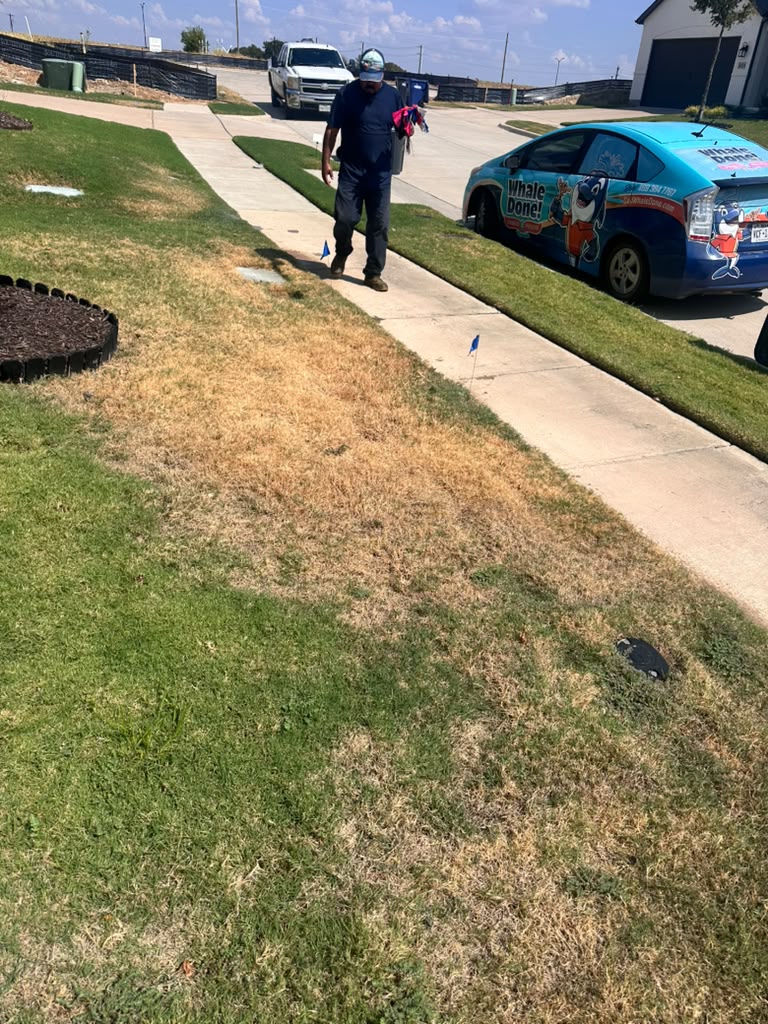
Dry Spots
A nozzle with insufficient throw distance may never reach portions of the lawn.
The result is:
- Brown patches
- Weak grass roots
- Heat stress
- Thin turf
These dry sections often appear near sidewalks, corners, or property edges.
Oversaturated Areas
Some nozzles discharge too much water in one location.
This creates:
- Muddy soil
- Standing water
- Root disease
- Soil compaction
Excess moisture also attracts lawn pests and fungal growth.
Uneven Grass Growth
Grass responds directly to available moisture.
When irrigation coverage varies:
- Some grass grows rapidly.
- Other sections struggle.
- Lawn color becomes inconsistent.
- Mowing becomes uneven.
Eventually, the entire landscape loses its uniform appearance.
Increased Water Waste
Improper nozzles often spray:
- Sidewalks
- Driveways
- Streets
- Fences
Besides wasting water, overspray contributes to runoff that carries fertilizers and soil away from landscaped areas.
The Irrigation Association offers valuable resources about efficient irrigation practices:
Signs Your Sprinkler Nozzles May Be Incorrect
Homeowners often notice symptoms long before identifying the actual cause.
Watch for these warning signs:
Patchy Green Lawn
If one side remains lush while another continually turns brown, inconsistent nozzle performance may be responsible.
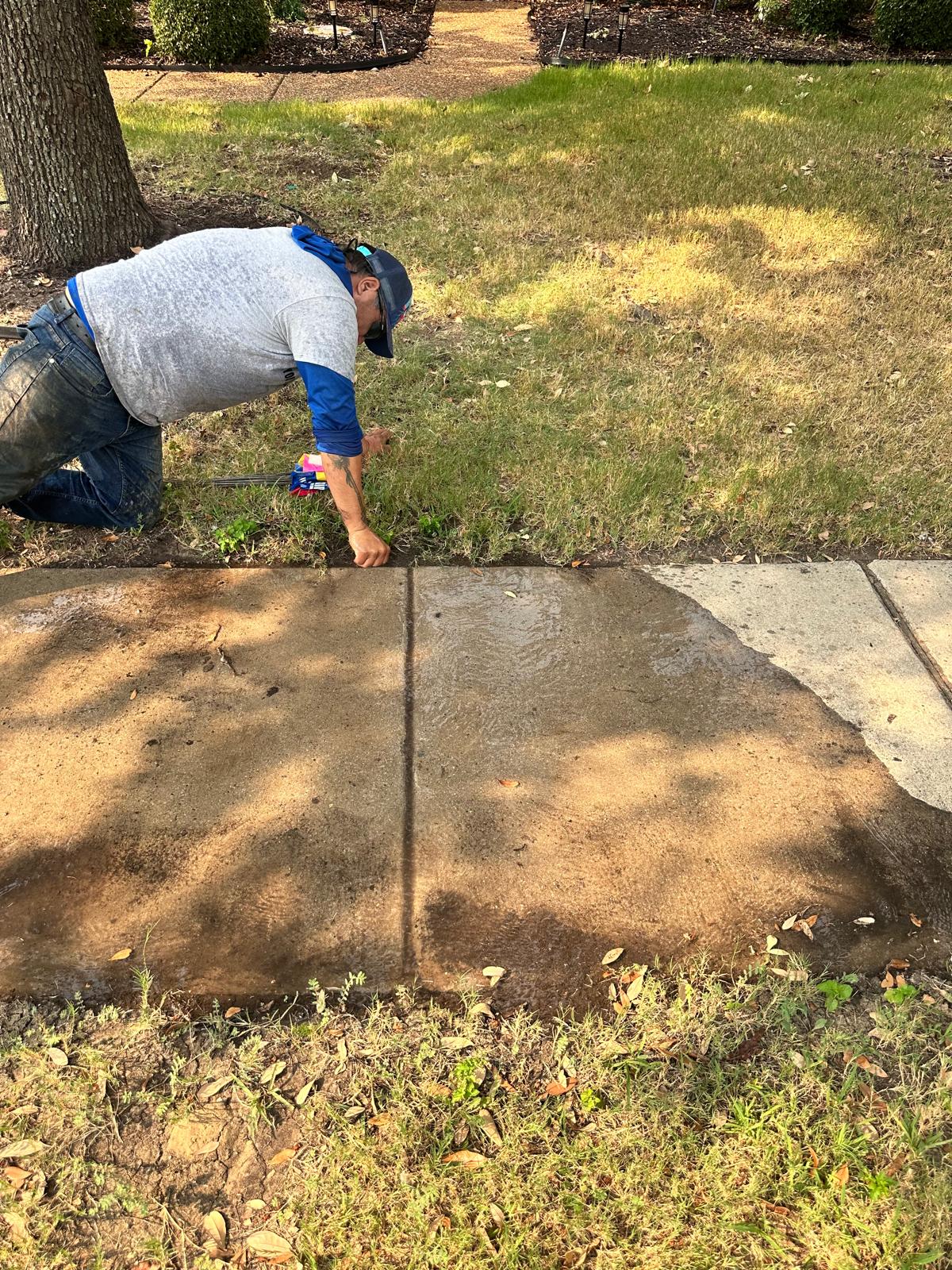
Water Pooling
Pooling water usually indicates the application rate exceeds the soil’s absorption capacity.
Instead of soaking into the ground, water collects on the surface.
Excessive Runoff
Runoff often develops when water is applied faster than the soil can absorb it.
This wastes irrigation and may contribute to erosion around landscape beds.
Different Spray Distances
Walk around your yard while the system operates.
If neighboring sprinkler heads spray noticeably different distances despite being on the same zone, mismatched nozzles may be installed.
Higher Water Bills
Incorrect nozzles frequently force longer watering cycles to compensate for dry areas.
Longer runtimes increase monthly utility costs without improving irrigation quality.
Why Celina Lawns Require Proper Nozzle Selection
Celina landscapes experience changing weather throughout the year.
Homeowners often face:
- Hot summers
- Dry conditions
- Occasional heavy rainfall
- Expanding clay soils
These environmental factors make irrigation precision even more important.
Clay soils absorb water slowly. Applying water too quickly causes runoff instead of deep root watering.
The Texas A&M AgriLife Extension provides excellent information about soil management and irrigation practices.
Factors That Influence Nozzle Performance
Several components work together to determine whether a sprinkler nozzle performs correctly.
Water Pressure
High pressure creates fine mist.
Fine droplets:
- Evaporate quickly
- Blow away in the wind
- Reduce irrigation efficiency
Low pressure limits spray distance and leaves uncovered sections.
Lawn Shape
Not every yard is rectangular.
Different areas require:
- Quarter-circle nozzles
- Half-circle nozzles
- Full-circle nozzles
- Adjustable arc nozzles
Using identical nozzles throughout every zone rarely produces even coverage.
Plant Types
Lawns require different watering patterns than shrubs or flower beds.
Matching nozzle selection with plant needs improves long-term landscape health.
Sprinkler Spacing
Professional irrigation systems rely on head-to-head coverage.
Each sprinkler should spray to the next sprinkler.
If nozzle throw distances differ, gaps in watering quickly develop.
Common Nozzle Mistakes Homeowners Make
Many irrigation issues result from simple replacement errors.
These include:
Replacing With Any Available Nozzle
Not all nozzles are interchangeable.
Even if they physically fit, performance may vary dramatically.
Mixing Brands Without Checking Specifications
Different manufacturers use different flow rates.
Mixing incompatible nozzles often creates inconsistent pressure across the irrigation zone.
Ignoring Flow Rate
Flow rate affects how much water reaches each section.
If one nozzle delivers significantly more water than neighboring heads, uneven watering becomes unavoidable.
Choosing Maximum Spray Distance
Long-distance nozzles aren’t automatically better.
Excessive throw often produces overspray and wasted water.
Benefits Of Properly Matched Sprinkler Nozzles
Correct nozzle selection improves nearly every aspect of irrigation performance.
Advantages include:
- Better Water Distribution: Uniform watering promotes consistent grass growth, encourages deeper and healthier root systems, and enhances overall lawn color, creating a lush, vibrant landscape while improving drought resistance and reducing stress caused by uneven moisture distribution.
- Lower Water Consumption: Efficient watering reduces unnecessary irrigation cycles. Less wasted water also supports local conservation efforts.
- Healthier Soil: Balanced moisture helps maintain soil structure while reducing erosion and compaction.
- Longer Sprinkler System Life: Proper nozzle sizing reduces stress on irrigation components by maintaining balanced system pressure.
- Reduced Lawn Maintenance: Healthy grass naturally crowds out weeds and requires fewer corrective treatments.
Seasonal Considerations For Celina Irrigation Systems
Changing seasons affect irrigation requirements.
Spring
Before activating your sprinkler system after winter, inspect each nozzle carefully for cracks, clogs, and misalignment. Addressing these issues early helps ensure even water distribution, prevents unnecessary water waste, and supports efficient irrigation performance throughout the growing season.
Summer
During periods of extreme heat, regularly monitor your sprinkler spray patterns to ensure consistent coverage. Adjust your watering schedule based on weather conditions instead of increasing nozzle flow, which can waste water and create uneven irrigation.
Fall
Remove leaves, grass clippings, dirt, and other debris from sprinkler heads throughout the fall season. Keeping nozzle openings clear helps maintain proper spray patterns, prevents clogs, and prepares your irrigation system for seasonal changes.
Winter
Protect exposed sprinkler components from freezing temperatures by winterizing your irrigation system before cold weather arrives. Preventative maintenance helps reduce the risk of damaged pipes, cracked nozzles, and costly repairs when spring returns.
How Professional Irrigation Evaluations Help
A complete irrigation inspection goes far beyond checking for broken sprinkler heads. It involves evaluating water pressure, spray overlap, zone balance, nozzle selection, coverage efficiency, controller programming, and overall water distribution uniformity. Each of these elements plays an important role in ensuring the irrigation system delivers the right amount of water to every part of the landscape.
During the inspection, professionals look for hidden issues such as pressure imbalances, uneven coverage, or improperly configured zones that may not be immediately visible. Identifying these problems early helps improve irrigation performance, reduce water waste, protect landscape health, and prevent costly repairs in the future.
Simple Maintenance Tips For Better Water Coverage
Routine maintenance extends sprinkler performance throughout the year.
Helpful practices include:
- Clean sprinkler nozzles regularly.
- Check spray patterns monthly.
- Trim grass around sprinkler heads.
- Replace worn filters.
- Inspect for clogged openings.
- Verify head alignment after mowing.
- Test every irrigation zone each season.
Small maintenance tasks often prevent much larger irrigation problems.
Frequently Asked Questions
Can replacing one incorrect sprinkler nozzle improve my lawn?
Yes. If one nozzle is causing inconsistent coverage within an irrigation zone, replacing it with the correct model can noticeably improve watering uniformity.
How often should sprinkler nozzles be inspected?
Most irrigation professionals recommend inspecting sprinkler nozzles at least twice each year, especially before spring watering and after the growing season.
Can clogged nozzles mimic the effects of the wrong nozzle?
Absolutely. Dirt, sand, mineral buildup, and debris restrict water flow, creating uneven spray patterns that resemble nozzle mismatch.
Does wind affect sprinkler nozzle performance?
Yes. Fine spray patterns are especially vulnerable to wind drift. Watering during the early morning typically improves coverage while reducing evaporation.
Conclusion
Choosing the correct sprinkler nozzle is one of the simplest ways to improve irrigation efficiency and maintain a healthier lawn. A wrong sprinkler nozzle in Celina TX can create uneven watering, increase water waste, and leave sections of your landscape struggling despite regular irrigation. Routine inspections, proper nozzle selection, and timely adjustments help ensure every area of your yard receives the moisture it needs without unnecessary runoff or overspray.
If you need professional assistance evaluating your irrigation system, contact Whale Done Sprinklers & Irrigation. Their experienced team can help identify nozzle issues, improve water distribution, and keep your lawn performing at its best.
Phone: +1(469) 384-7767
Email: clientsupport@callwhaledone.com