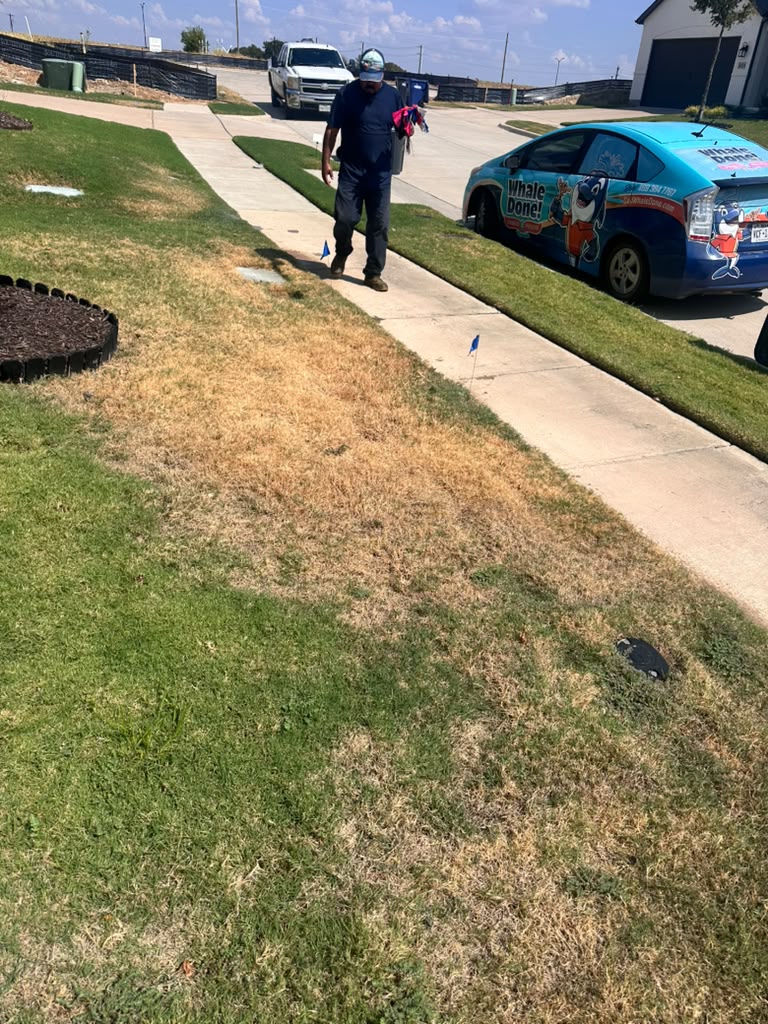
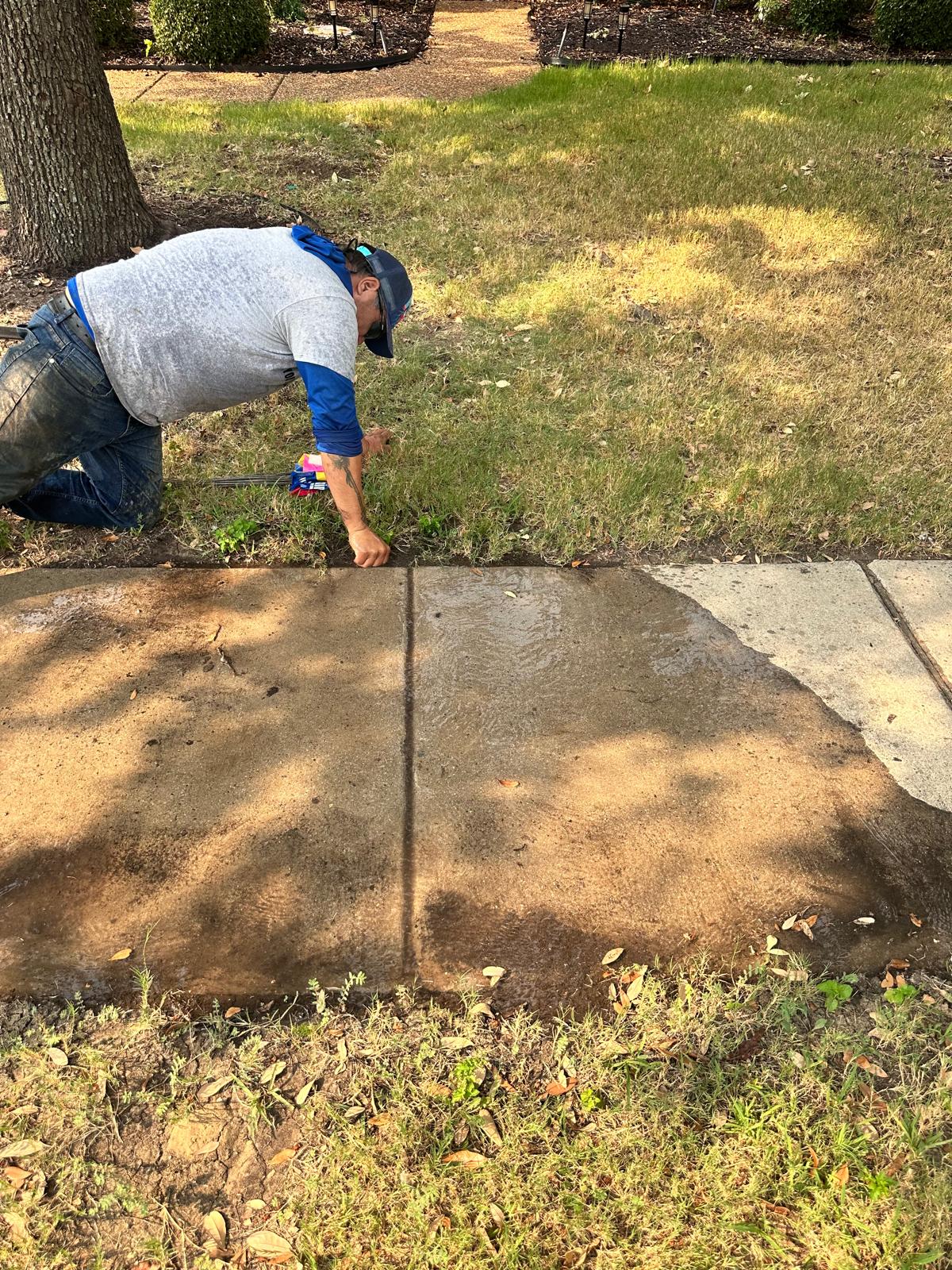
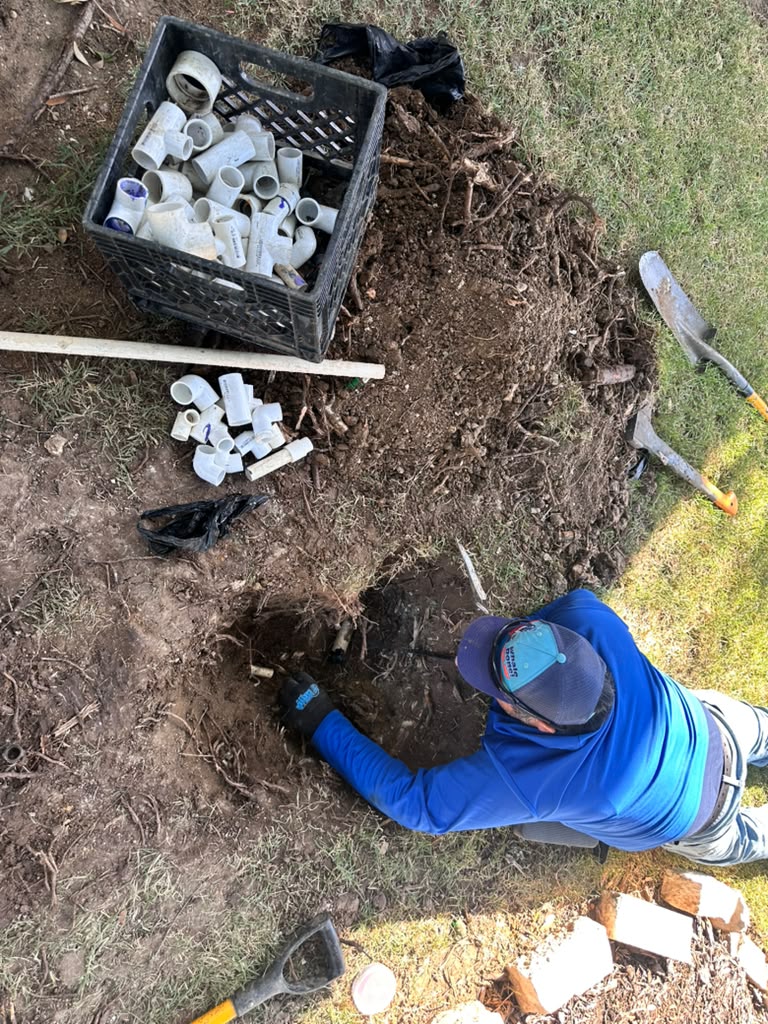
A drip irrigation system in Prosper TX offers homeowners and landscapers a precise, water-saving way to keep gardens and lawns healthy and vibrant. Unlike traditional sprinklers, it delivers water directly to plant roots, minimizing evaporation, runoff, and wasted water. This targeted approach not only supports stronger plant growth but also helps reduce water bills over time. Given Texas’ hot climate and unpredictable seasonal changes, having an efficient irrigation system is essential for maintaining landscape health. It also protects your investment by preventing overwatering, soil erosion, and plant stress, ensuring your outdoor space stays lush year-round.
Understanding Drip Irrigation
Drip irrigation is a method of watering plants slowly and directly at the soil level, often using tubing, emitters, or micro-sprayers. This system ensures that water reaches the roots where it is most needed, preventing waste and reducing the risk of fungal growth or plant stress caused by overwatering. Studies have shown that drip systems can save up to 50% of water compared to traditional sprinklers.
The technology is highly adaptable for various settings, from residential gardens to commercial landscapes. By adjusting flow rates and emitter placement, each plant receives the optimal amount of water for its specific needs. Homeowners in Prosper TX have increasingly turned to drip irrigation systems to maintain healthy lawns, vibrant flower beds, and efficient vegetable gardens without excessive water usage.
Advantages of Drip Irrigation
- Water Efficiency – Drip systems minimize water loss due to evaporation and runoff. Direct delivery to the root zone ensures that each plant receives exactly what it needs.
- Cost Savings – Reduced water consumption translates to lower water bills. Over time, the efficiency of a drip system can offset installation costs.
- Enhanced Plant Health – Controlled water delivery reduces stress on plants, encouraging stronger root development and better resistance to diseases.
- Flexibility – Systems can be customized to suit gardens of any size, making them ideal for Prosper TX properties with mixed landscaping.
Implementing a drip system also supports sustainable landscaping practices, a growing concern among environmentally conscious homeowners. Water conservation is increasingly vital in Texas, where periodic droughts can affect garden health and local water resources.
Components of a Drip Irrigation System
A typical drip irrigation system comprises several key components:
- Mainline Tubing – Carries water from the source to various zones of the garden.
- Emitters – Release water slowly at each plant’s root zone.
- Filters – Prevent clogging by trapping debris in the water supply.
- Pressure Regulators – Maintain consistent water flow and prevent damage to emitters.
- Timers/Controllers – Automate watering schedules, ensuring efficiency and convenience.
By understanding these components, homeowners can plan and maintain their system more effectively, maximizing its longevity and performance.
Designing a Drip Irrigation System
Proper design is essential for a drip irrigation system to function optimally. Start by assessing your landscape layout, soil type, and plant water requirements. Group plants with similar water needs together to simplify scheduling. Planning the layout carefully ensures uniform coverage and minimizes dry spots or oversaturation.
Additionally, consider soil permeability. Sandy soils may require slower water delivery to prevent runoff, while clay soils benefit from slightly higher flow rates to ensure water penetrates deeply. Using a professional irrigation design service can help streamline this process and avoid costly mistakes.
Installation Tips for Prosper TX Homeowners
Installing a drip irrigation system may seem daunting, but careful planning makes it manageable. Start by mapping your garden and marking each plant’s location. Use flexible tubing to navigate around existing features like trees, walkways, and flower beds. Ensure that emitters are positioned close to the root zone for maximum efficiency.
For larger properties, dividing the system into zones allows better control over water distribution. Incorporating timers or smart irrigation controllers can further enhance efficiency by adjusting watering schedules based on local weather conditions. For additional guidance, the Texas Water Development Board offers excellent resources on water-efficient irrigation practices.
Maintenance Practices
Regular maintenance ensures the system continues to function optimally. Check emitters periodically for blockages or leaks. Clean filters regularly to prevent sediment buildup, and inspect tubing for cracks or sun damage. Adjust timers seasonally to match changing water requirements throughout the year.
Proper maintenance not only extends the life of the system but also helps avoid unnecessary water waste. Homeowners who follow these practices notice healthier plants and reduced operational costs over time.
Common Challenges and Solutions
Even the most well-planned drip systems can face challenges:
- Clogged Emitters – Install inline filters and flush the system periodically.
- Uneven Water Distribution – Adjust emitter flow rates or reposition tubing for uniform coverage.
- Pressure Issues – Use pressure regulators to maintain consistent flow across all zones.
Understanding these potential issues beforehand allows homeowners to address them proactively, ensuring consistent and reliable performance.
Choosing the Right System for Prosper TX
When selecting a drip irrigation system, consider factors such as garden size, plant types, and budget. Homeowners with smaller yards may opt for pre-assembled kits, while larger properties often require custom-designed systems. Quality of materials is another consideration; durable tubing and emitters prevent frequent replacements and reduce long-term costs.
Additionally, integrating smart irrigation technology can optimize water use. Sensors that monitor soil moisture or weather conditions can automatically adjust watering schedules, preventing overwatering and reducing water bills. Companies like Rain Bird and Toro provide advanced irrigation solutions suitable for residential and commercial properties.
Environmental and Economic Benefits
Drip irrigation systems offer both ecological and financial advantages. Reduced water consumption supports sustainable landscaping, protecting local water resources and mitigating environmental stress. Additionally, healthier plants reduce the need for fertilizers and pesticides, lowering chemical runoff into the ecosystem.
From an economic perspective, efficiency translates to savings on water bills and maintenance costs. A well-maintained drip system can significantly reduce long-term landscaping expenses while promoting vibrant, resilient gardens.
Advanced Drip Irrigation Techniques
Some Prosper TX homeowners implement advanced techniques to further improve efficiency:
- Subsurface Drip Irrigation – Delivers water below the soil surface, minimizing evaporation and reducing weed growth.
- Pressure-Compensating Emitters – Ensure even water distribution across uneven terrain.
- Integrated Fertigation – Combines water and nutrients in a controlled manner, enhancing plant growth while saving resources.
These approaches, although slightly more complex, provide long-term benefits for both the garden and the environment.
Integrating Drip Irrigation with Landscape Design
Drip irrigation can be seamlessly integrated into modern landscape design. Strategically placed tubing can remain discreet, preserving the aesthetic appeal of flower beds, shrubs, and vegetable gardens. Additionally, combining drip irrigation with mulch or soil amendments further improves water retention and plant health.
Professional landscapers often recommend drip systems for xeriscaping, a method that emphasizes drought-tolerant plants and water efficiency. This approach aligns with Texas’ climate realities and offers a sustainable, low-maintenance solution for homeowners.
Resources for Prosper TX Homeowners
Homeowners seeking guidance can explore several resources to improve their irrigation practices. The Texas A&M AgriLife Extension provides research-based advice on soil management, water conservation, and plant care. For practical product information, manufacturers like Netafim and Hunter Industries offer technical guides and installation tips. Accessing these resources ensures informed decisions, leading to long-lasting and efficient irrigation systems.
Conclusion
For residents in Prosper TX, investing in a drip irrigation system not only supports sustainable landscaping but also provides cost savings and improved plant health. If you are looking for professional installation, maintenance, or consultation, Whale Done Sprinklers & Irrigation can provide expert solutions tailored to your property. Contact them at +1(469) 384-7767 or via email at clientsupport@callwhaledone.com to schedule a consultation and enhance your garden’s efficiency and beauty.