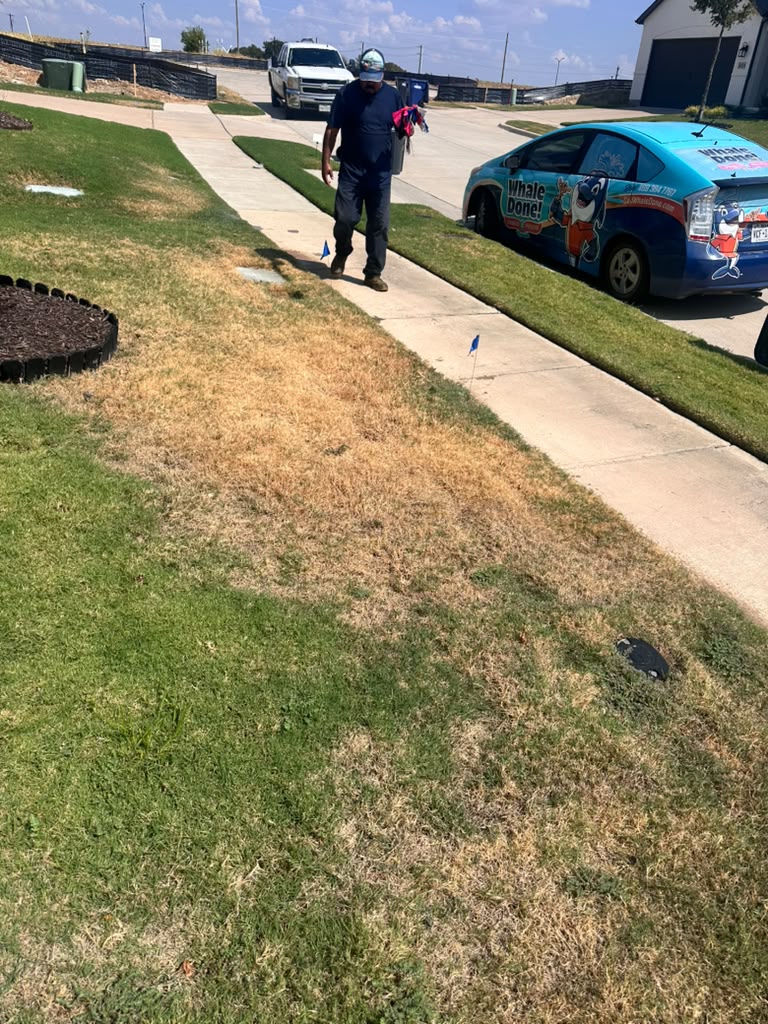
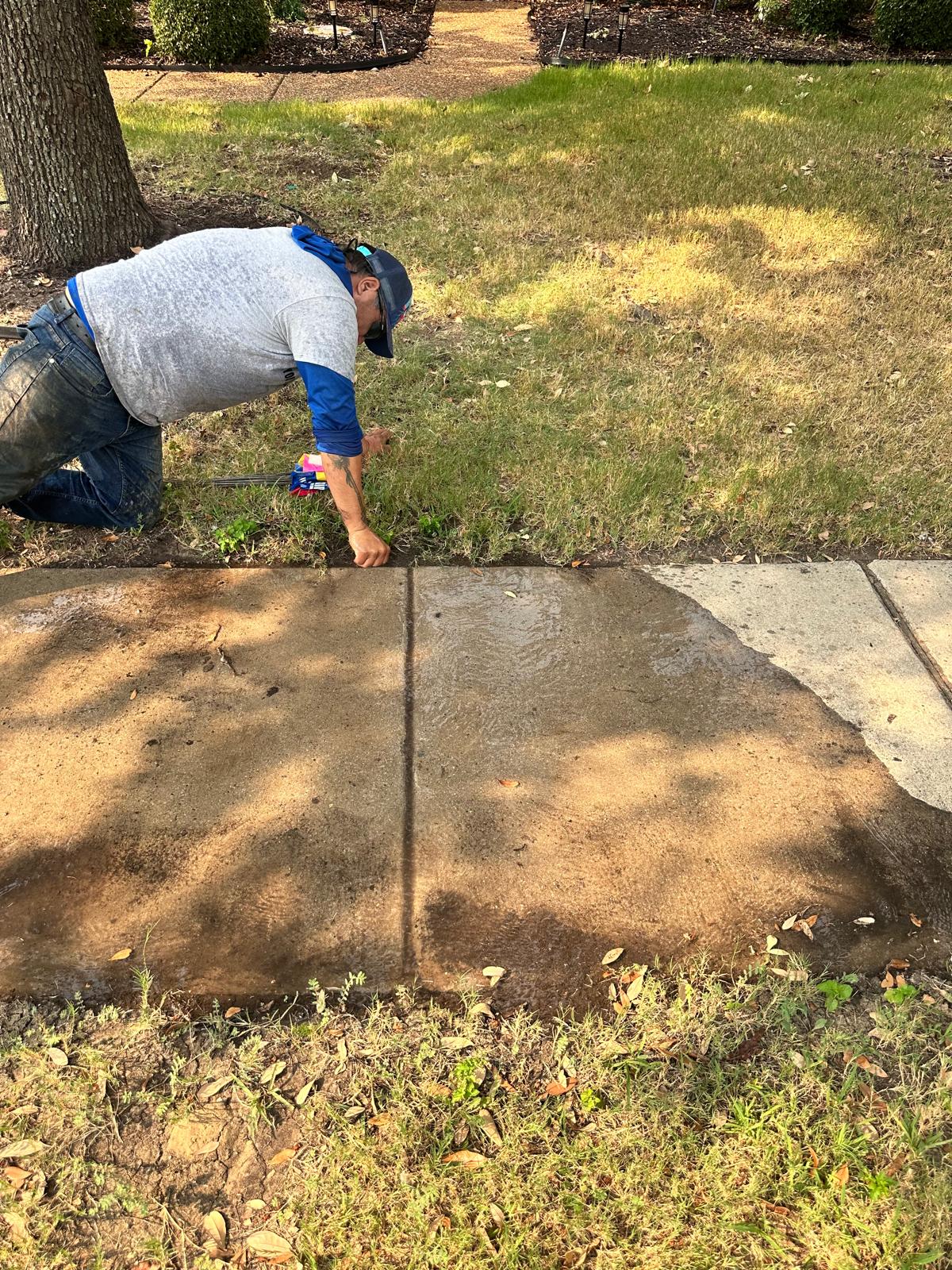
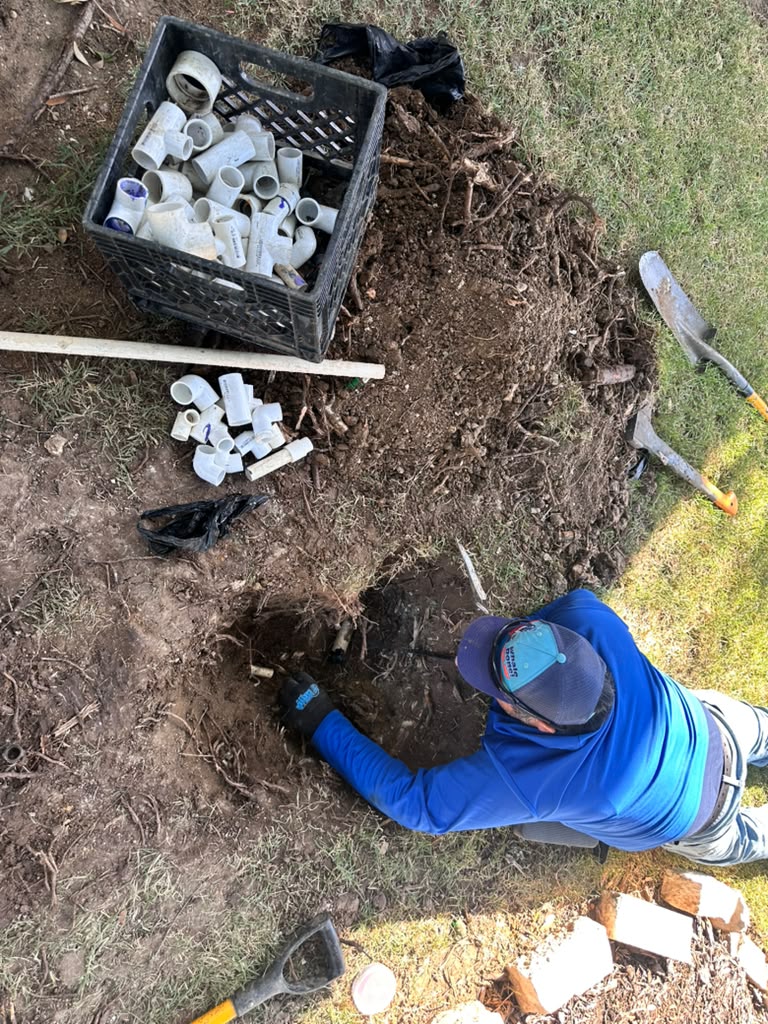
When it comes to maintaining a healthy, vibrant landscape that thrives through Texas heat and seasonal shifts, an irrigation system check in Prosper TX is one of the most important tasks a property owner can prioritize. Whether you’re responsible for a residential lawn or a commercial property, regular irrigation inspections help prevent costly water waste, promote plant health, and ensure your system operates at peak performance.
In this comprehensive guide, we’ll explore everything you need to know about irrigation system checks in Prosper, TX — from the benefits and key components to expert tips for troubleshooting and seasonal preparation. You’ll understand why proactive checks are essential and how they contribute to sustainable water use, efficient operation, and long‑term landscape health.
Why an Irrigation System Check Matters
An irrigation system isn’t a “set it and forget it” installation. Over time, components can wear, pipes can shift, and environmental factors like soil movement can alter performance. Here’s why a regular irrigation system check in Prosper TX should be on every property owner’s maintenance calendar:
1. Prevents Water Waste
Even minor leaks or malfunctioning valves can lead to significant water loss over time. With local concerns around water conservation in Texas, identifying inefficiencies through regular checks can save both natural resources and your utility bills.
2. Promotes Plant Health
Undersaturated soil can stress plants, while oversaturation can cause root rot and disease. A well‑balanced irrigation system ensures each plant zone receives appropriate moisture — supporting stronger, healthier vegetation.
3. Extends System Lifespan
Like any mechanical system, sprinkler and irrigation setups benefit from preventative maintenance. Catching small problems early can reduce the risk of larger failures that require costly repairs or replacements.
4. Ensures Seasonal Readiness
Texas weather can vary dramatically. A scheduled irrigation system check helps prepare your system for heat waves, cooler months, or periods of heavy rain.
Key Components to Inspect
When performing an irrigation system check in Prosper TX, several core elements should be methodically reviewed. Understanding these components helps you spot issues early and communicate effectively with irrigation professionals.
Controller / Timer Unit
The controller orchestrates the entire irrigation schedule. During a check, verify:
- Program settings (e.g., watering days, durations)
- Accurate current date and time
- Proper seasonal adjustments
Modern smart controllers can adapt watering based on weather conditions, which enhances efficiency.
Valves & Zones
Valves open and close to deliver water to designated landscape zones. They should be inspected for:
- Smooth operation without sticking
- Signs of leaks or corrosion
- Proper labeling for each zone
Sprinkler Heads & Nozzles
Sprinkler heads distribute water, and even minor misalignment can lead to watering sidewalks, driveways, or streets instead of turf and plant beds. Key checks include:
- Head alignment and coverage
- Clogged or worn nozzles
- Broken stems or cracked housings
Pipes & Fittings
Underground piping can be affected by soil movement or root intrusion. Look for:
- Soaking or spongy spots in the yard
- Visible leaks after run cycles
- Pressure inconsistencies
Water Pressure Levels
Both excessive and insufficient water pressure can impact sprinkler performance. Pressure regulators and sensors should be tested to ensure optimal operation.
Rain & Soil Moisture Sensors
These devices help prevent unnecessary watering. Inspect their placement and function to ensure they’re accurately detecting environmental conditions.
Seasonal Checkpoints for ProsperTX Landscaping
Spring: System Startup & Calibration
Spring is prime time for a full irrigation system check in Prosper TX. After winter dormancy:
- Inspect and clean all sprinkler heads
- Test each zone for proper coverage
- Adjust schedule for longer daylight and growing season
- Check for freeze damage if temperatures dipped unusually low
Summer: Peak Performance Monitoring
High heat and drought stress make summer the busiest time for irrigation systems.
- Increase monitoring for leaks and pressure issues
- Adjust watering early in the morning to reduce evaporation
- Consider a drip irrigation system for flower beds or shrub areas for efficient water delivery
Fall: Transition & Efficiency Tuning
As temperatures cool, adjust irrigation frequency to match slower plant growth. Fall checks should include:
- Preparing systems for possible heavy rains
- Cleaning debris from heads and filters
- Testing rain sensors and timers
Winter: Protection & Shutdown
While Prosper’s winters are mild compared to northern climates, extended cold spells can still affect your system. If winterizing is needed, ensure:
- Pumps and above‑ground components are protected
- Backflows are closed if required by local code
Common Issues Found During an Irrigation System Check
Understanding typical problems can streamline your checks and help you communicate with professionals when needed.
Uneven Water Distribution
Patchy or brown spots in the turf often signify:
- Sprinkler head blockages
- Pressure inconsistencies
- Misaligned nozzles
When your irrigation system check reveals these patterns, addressing them quickly promotes lawn uniformity.
Leaking Valves or Pipes
Leaks can appear subtle but have visible signs like soggy spots or unusually lush patches. Pressure tests and visual inspections detect these concerns before they escalate.
Overspray & Runoff
Sprinkler heads that spray onto hardscapes can lead to water loss and slippery surfaces. Adjusting heads or employing specialized nozzles can minimize overspray and improve irrigation efficiency.
Controller Malfunctions
If zones don’t activate as scheduled or skip cycles, the controller may be misprogrammed or malfunctioning. Resetting the system or updating firmware (for smart controllers) often resolves these issues.
Best Practices for Water‑Efficient Landscaping
Embracing efficiency not only reduces costs but demonstrates responsible stewardship of local waterways and resources. Here are smart strategies to pair with your irrigation system check:
Choose Appropriate Plantings
Native and drought‑tolerant species require less frequent watering and thrive in Prosper’s climate. Integrating these plants reduces system strain.
Implement Mulch & Soil Enhancements
A layer of mulch around plants:
- Reduces evaporation
- Regulates soil temperature
- Limits weed growth
Improving soil structure with organic matter enhances its water‑holding capacity, reducing irrigation frequency needs.
Zone Your Landscape Properly
Not all garden areas have equal water needs. Separating zones for turf, shrubs, and flower beds helps tailor irrigation schedules — a key water‑saving strategy.
Utilize Smart Controllers
Many irrigation controllers now pair with weather stations or mobile apps to automatically adjust watering based on rainfall, forecasted conditions, and moisture levels. These updates increase efficiency and reduce unnecessary run times.
Explore the topic of sprinkler systems to learn how modern designs enhance landscape performance.
How Often Should You Schedule an Irrigation System Check?
The general guideline is to perform a full irrigation system check at least twice a year — typically in spring and fall. However, additional checks are recommended:
- After extreme weather events
- If you notice inconsistent coverage
- When expanding or renovating landscape areas
Regular minor checks by a homeowner (e.g., monthly visual inspections) combined with seasonal professional evaluations create a robust maintenance plan.
Professional vs. DIY Irrigation Checks
DIY Checks
Homeowners can conduct basic inspections, such as:
- Observing system operation
- Checking for obvious leaks
- Adjusting head alignment
Simple tasks like cleaning debris from heads and checking the controller schedule can help maintain system health.
Professional Inspections
A professional irrigation technician can:
- Diagnose complex pressure or flow issues
- Perform detailed valve and pipe testing
- Calibrate advanced system components
- Ensure compliance with local codes
For properties with larger landscapes or recurring issues, professional checks offer a deeper level of assurance. Also consider water conservation practices that certified professionals can integrate into your setup.
Cost Factors for an Irrigation System Check in Prosper TX
Costs vary based on property size, system complexity, and your objectives (basic inspection vs. full tune‑up). Key factors include:
System Size & Zones
More zones require additional time to inspect and adjust, increasing service cost.
Component Age & Condition
Older systems may need more troubleshooting or parts replacement.
Seasonal Demand
Peak seasons may have higher service rates due to greater demand.
Professional Expertise
Certified irrigation specialists often charge more, but their detailed assessments can prevent future costly problems.
What to Expect During a Professional Inspection
When a professional performs your irrigation system check in Prosper TX, the process usually includes:
- Initial Consultation
— Discussion of past issues, watering goals, and site specifics - Controller Review
— Evaluation of programming, timer function, and seasonal settings - Zone Testing
— Running each zone to verify coverage and performance - Pressure & Leak Assessment
— Checking water pressure and pipe integrity - Head Alignment & Cleanup
— Adjusting heads and removing debris - Recommendations
— A detailed report with suggested repairs, upgrades, and efficiency improvements
Frequently Asked Questions (FAQs)
How long does an irrigation check take?
Inspections generally take 1–3 hours depending on system size and complexity.
Can I check the system myself?
Yes, basic visual and controller checks are achievable, but in‑depth diagnostics are best left to trained technicians.
Is irrigation checking required by local code?
While not usually mandated, irrigation inspections may be recommended or required for certain landscaping permits.
When is the best time for a system check?
Spring and fall offer ideal conditions, but checks can occur any time issues are suspected.
Will a system check improve water bills?
Yes — by identifying leaks and inefficiencies, you reduce wasted water and often lower utility costs.
Conclusion
Maintaining a lush, efficient landscape in Prosper, TX starts with a proactive irrigation system check in Prosper TX. Regular inspections help you catch issues early, conserve water, and ensure a healthier environment for your turf and plantings. Whether you’re addressing seasonal changes, troubleshooting uneven watering, or investing in long‑term landscape performance, a thorough irrigation system check is a smart, cost‑effective practice.
For professional support with your irrigation needs, contact Whale Done Sprinklers & Irrigation. Their experienced team can help optimize your system, enhance efficiency, and keep your property looking its best year‑round.
📞 Phone: +1 (469) 384‑7767
📧 Email: clientsupport@callwhaledone.com