Winterization in Prosper is essential for protecting homes, irrigation systems, and landscapes from Texas’ unpredictable winter freezes. While Prosper TX is known for its warm climate most of the year, residents understand that winter brings sudden temperature drops, freezing nights, and the occasional intense cold front. Preparing your property ahead of time is not just recommended—it’s a crucial investment in maintaining safety, efficiency, and long-term savings. This guide walks you through everything homeowners should know about winterization in Prosper, including why it matters, how it works, and what professional support can do to ensure full protection.
Understanding Prosper’s Winter Climate and Why Preparation Matters
Prosper may not experience months of snow, but its winter weather is far from mild. Sharp drops from 60°F daytime temperatures to freezing nights are common, and these fluctuations put irrigation systems, outdoor plumbing, and home exteriors at risk. According to the National Weather Service, Texas freeze events have become more frequent and more severe over the past decade.
Freeze-related damage is costly. A single cracked irrigation pipe can lead to thousands of dollars in landscaping repairs. A burst backflow preventer can flood lawns and foundations. Even inside the home, poorly insulated exterior spigots and attic spaces lead to ruptured pipes and mold concerns.
This is why winterization in Prosper is considered a non-negotiable task for responsible homeowners.
What Winterization Really Means
Winterization is more than draining water—it is a comprehensive process that prepares every vulnerable part of your property for freezing temperatures. While each home is unique, the winterization process typically involves:
1. Irrigation System Winterization
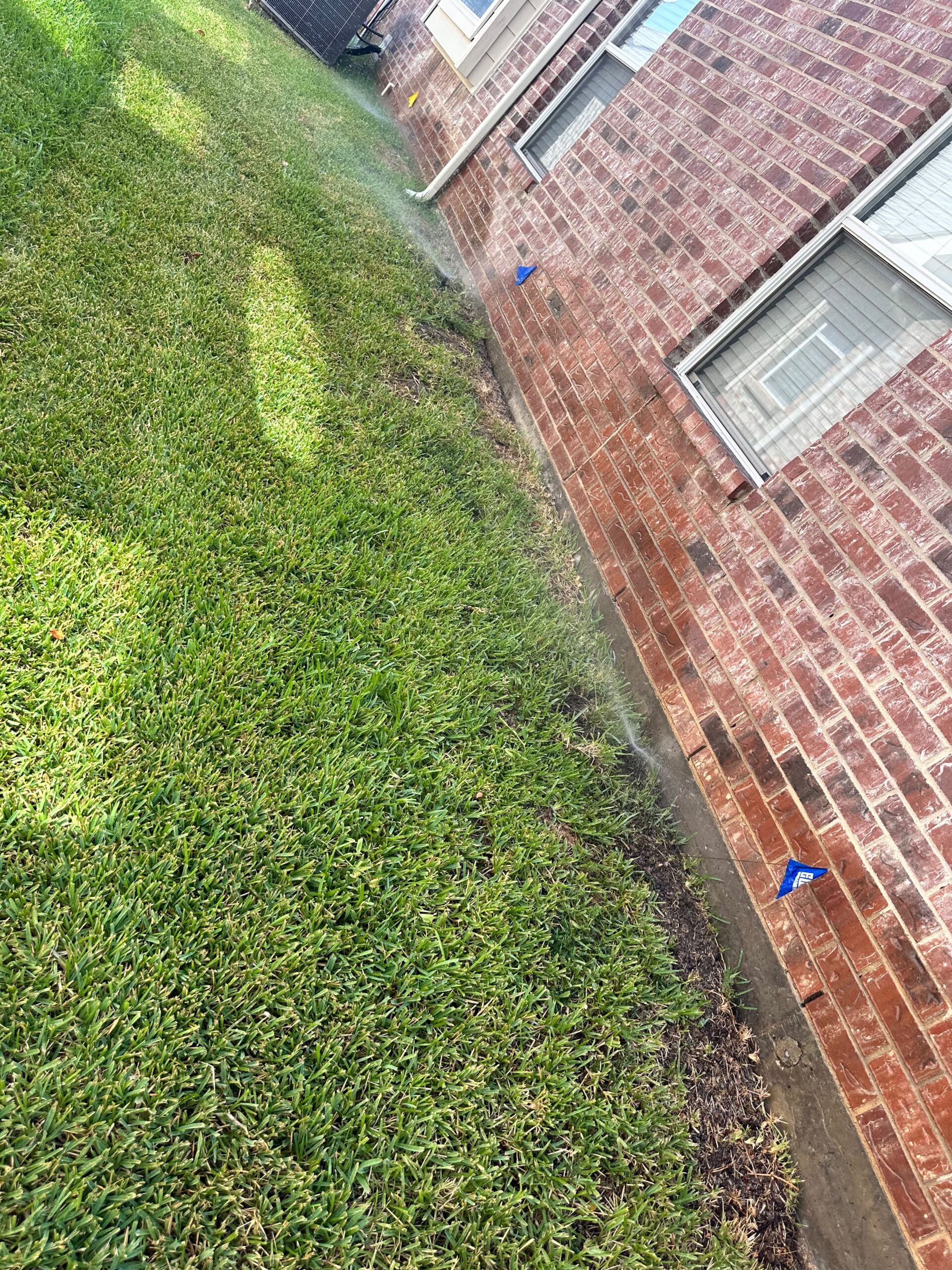
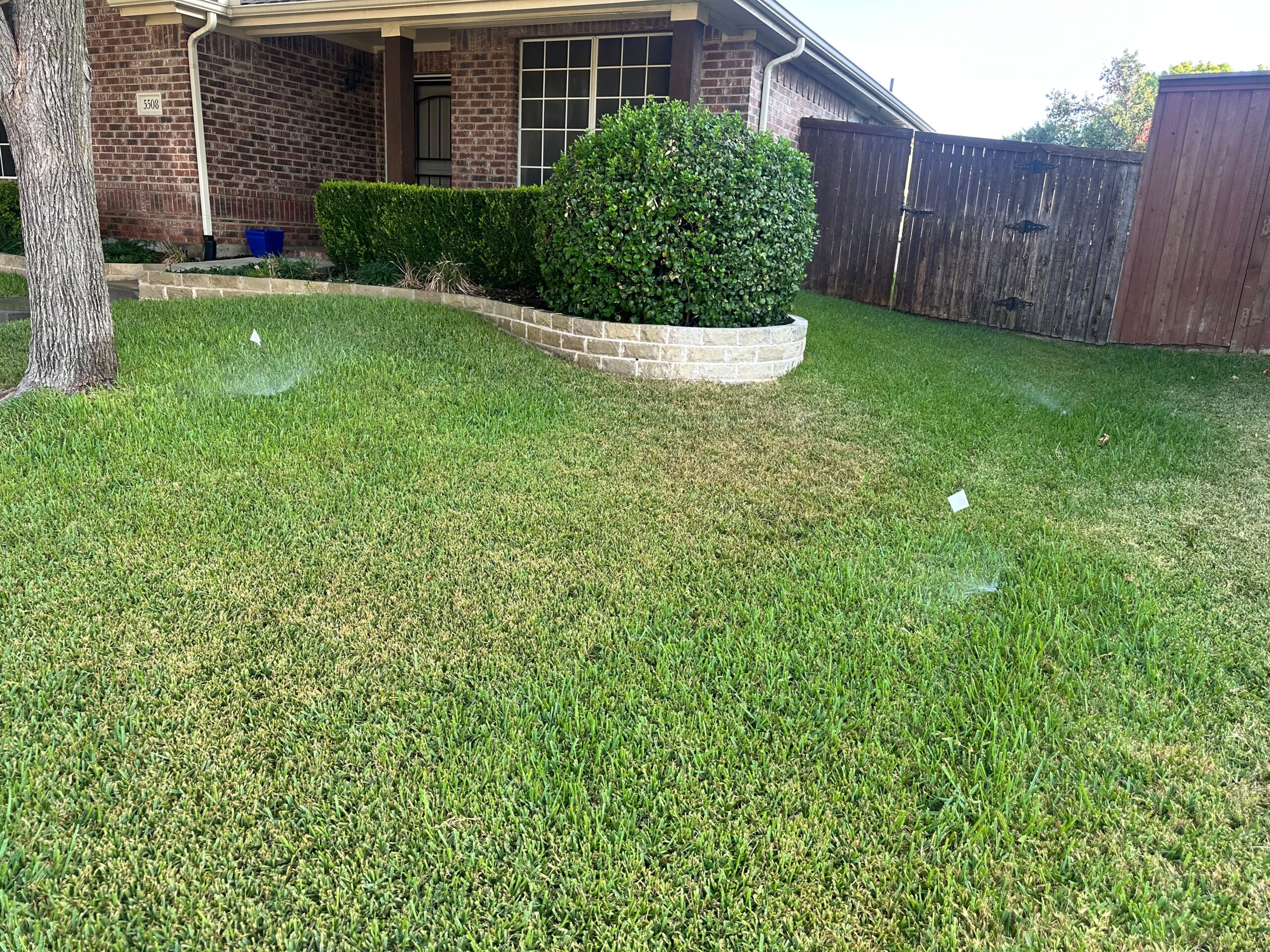
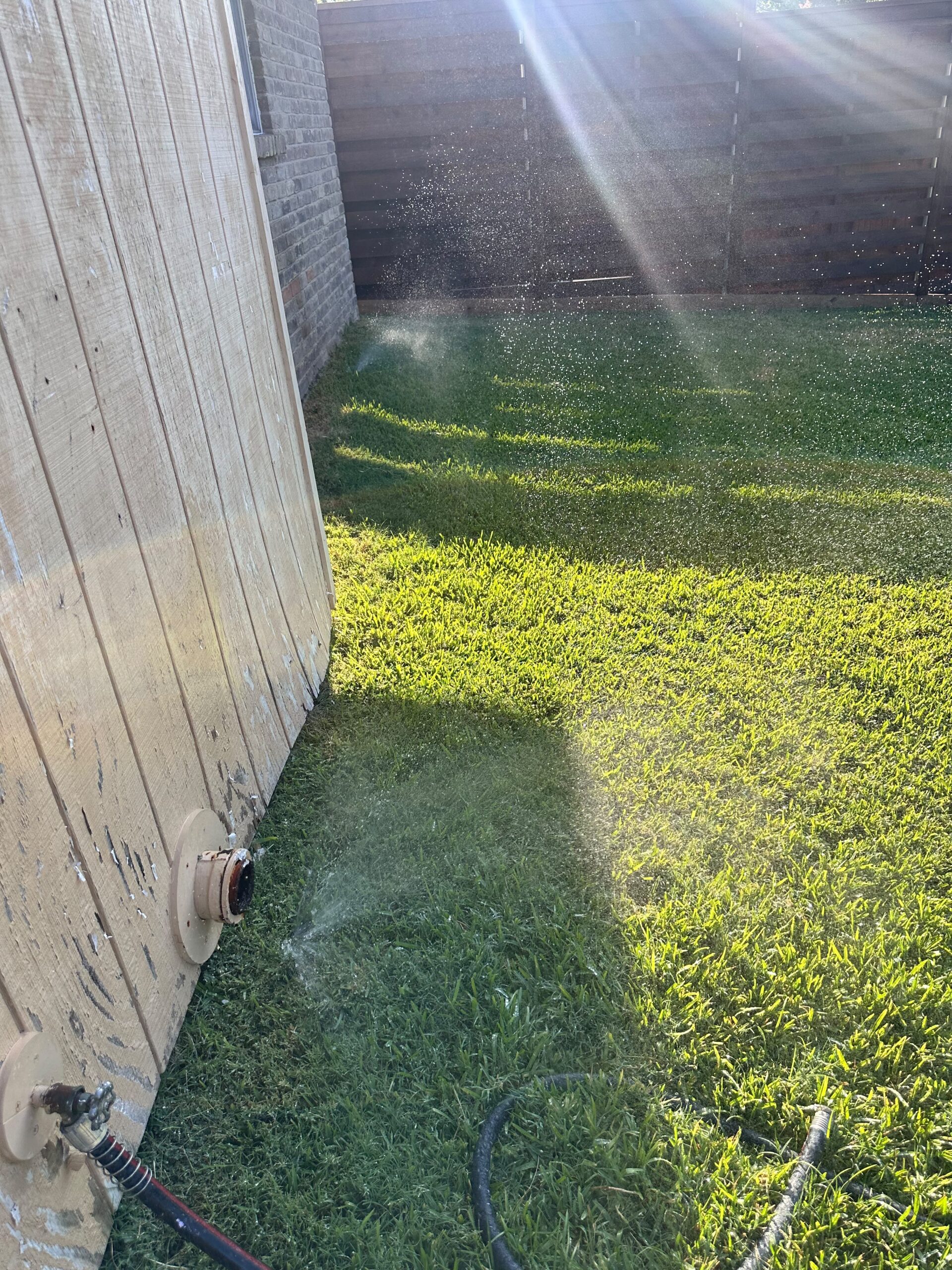
This is the most important step for Prosper homeowners because irrigation lines are shallow and highly susceptible to freezing. A proper irrigation winterization service includes:
- Shutting off the main irrigation water supply
- Draining water from backflow devices
- Clearing water from sprinkler lines
- Removing trapped moisture from irrigation heads
- Protecting exposed pipes with proper insulation
Many homeowners assume Prosper winters are too mild for these steps, but several historical freeze events have proven otherwise. Even one night below 32°F is enough to cause pipe damage, and Prosper has multiple freezing nights each year.
2. Protecting Outdoor Water Fixtures
Hose bibs, outdoor faucets, pool lines, and garden spigots need insulation to prevent splitting. Foam covers and protective wraps are inexpensive but highly effective.
Some homeowners also install frost-proof hose bibs for long-term protection.
3. Preparing the Home Exterior
Cold weather affects far more than plumbing. Winterization may also include:
- Cleaning gutters
- Securing loose shingles
- Inspecting exterior caulking
- Sealing gaps that allow cold air to enter
These steps help maintain indoor energy efficiency and prevent heat loss.
4. Landscape Winterization
Landscaping is an investment—one winter storm can undo years of maintenance. Winterization should include:
- Mulching vulnerable plants
- Wrapping freeze-sensitive shrubs
- Adjusting watering schedules
- Removing debris that can harbor frost
The U.S. Environmental Protection Agency offers guidelines for efficient winter landscape care to reduce water waste and preserve plant health. You can check their recommendations on WaterSense through this resource: EPA WaterSense.
Why Winterization in Prosper Is More Important Than Ever
Prosper is one of the fastest-growing communities in North Texas, with new neighborhoods, modern irrigation systems, and expanded residential developments. Newer systems are highly efficient but also more complex—meaning they require careful winterization techniques.
Several trends make winterization even more critical today:
Climate Variability
The Old Farmer’s Almanac provides long-term weather predictions and has highlighted fluctuating freeze patterns in North Texas. Homeowners can review typical winter patterns here: Weather Almanac.
Climate volatility means that even if Prosper experiences a mild December, an unexpected January or February freeze can still cause substantial damage.
High Irrigation Usage
Prosper’s clay-based soil dries out quickly in warm months but retains moisture in freezing conditions. This increases the risk of pipe expansion and cracking.
HOA and Municipal Requirements
Some Prosper communities require winterized irrigation systems to prevent water waste and property damage. Violations can lead to fines during freezing weather alerts.
Insurance Considerations
Insurance may not cover outdoor freeze damage if proper winterization was not performed. Documented maintenance helps protect claims.
Steps Homeowners Should Take Before the First Freeze
1. Know the Average Freeze Dates
While dates vary yearly, Prosper typically sees its first freeze between mid-November and mid-December. You can track real-time freeze alerts through the National Weather Service at this link: NWS Weather.
2. Schedule Irrigation Shut-Off Early
The week before the first freeze is usually the busiest time for irrigation professionals. Booking early ensures timely service.
3. Insulate All Exposed Plumbing
Use foam faucet covers, pipe insulation sleeves, and weather-resistant tape to protect outdoor plumbing from freezing during winter months.
These materials are simple but dramatically reduce freeze risks.
4. Store Garden Hoses
Leaving hoses connected traps water inside outdoor spigots, causing them to burst internally.
5. Check Attic and Garage Temperatures
Homes with unheated garages or attic plumbing are at high risk—insulation upgrades may be necessary.
Benefits of Professional Winterization in Prosper
Professional winterization offers long-term protection and ensures compliance with industry standards. Here are the top advantages:
1. Prevention of Costly Repairs
Expert winterization avoids the most common freeze-related damages:
- Cracked irrigation pipes
- Broken valve manifolds
- Damaged backflow devices
- Flooded lawns and soggy foundations
These repairs often cost far more than preventive winterization services.
2. Improved Irrigation Efficiency
Winterization includes inspections that help identify hidden issues, such as:
- Leaks
- Low pressure
- Faulty sprinkler heads
- Electrical malfunctions
Fixing these early means your system will be ready to perform at full capacity when spring arrives.
3. Longer System Lifespan
Irrigation systems can last 15–20 years with proper maintenance, but freeze damage drastically shortens that timeline.
4. Better Landscape Protection
Your lawn, shrubs, and flowerbeds rely on stable water distribution. Winterization helps preserve soil moisture levels and prevents root shock.
5. Peace of Mind
Knowing your home is protected helps you avoid emergency calls and unexpected expenses during cold weather.
Prosper-Specific Irrigation and Winterization Needs
These features mean that winterization services must be tailored to each property. Prosper homeowners particularly benefit from:
High-Pressure System Adjustments
North Texas municipal systems deliver strong water pressure, but freezing water expands with even greater force. Proper pressure regulation prevents blowouts.
Backflow Device Protection
Most homes in Prosper use Pressure Vacuum Breakers (PVBs) or Reduced Pressure Zone (RPZ) devices. These are the first components to freeze and must be drained correctly.
Soil-Specific Measures
Clay expands when frozen, causing pressure on underground pipes. Proper drainage is crucial.
Smart Controller Adjustments
Many Prosper homes use WiFi-enabled irrigation controllers. Winterization includes adjusting schedules, enabling freeze sensors, and disabling automatic watering cycles.
Common Mistakes Homeowners Make During Winterization
1. Failing to Fully Drain Backflow Preventers
Even a small amount of trapped water can crack brass or PVC components.
2. Leaving Irrigation Zones Active
Controllers must be turned off properly, not simply paused.
3. Relying on Heat Tape Alone
Insulation wraps help, but they do not replace full irrigation winterization.
4. Forgetting to Remove Garden Hoses
A connected hose creates a freeze point inside the faucet.
5. Attempting DIY Air-Compressor Blowouts
Most residential compressors are too weak—or too strong—for irrigation systems, risking damage to lines.
When to Schedule Winterization in Prosper TX
Most experts recommend scheduling your winterization in Prosper TX early, ideally from late October to early November, to ensure your irrigation system, plumbing, and landscape are fully prepared before freezing temperatures arrive. A final inspection should be conducted just before the first predicted freeze to identify any overlooked issues or vulnerabilities.
Additionally, emergency services should be considered anytime an unexpected cold snap occurs, as Prosper’s weather can be unpredictable and fluctuate rapidly. Planning ahead is the safest approach, allowing homeowners to protect their property, avoid costly damage, and ensure that irrigation systems and outdoor plumbing remain fully operational throughout the winter season.
Conclusion
Proper winterization is essential for protecting your home, irrigation system, and landscaping from Prosper’s unpredictable freeze cycles. Whether you are a long-time Prosper resident or new to the area, investing in professional winterization ensures your property remains safe, efficient, and winter-ready all season long.
For expert support, you can trust Whale Done Sprinklers & Irrigation.
Phone: +1 (469) 384-7767
Email: clientsupport@callwhaledone.com
Let the professionals handle your winterization needs so you can enjoy peace of mind all winter.