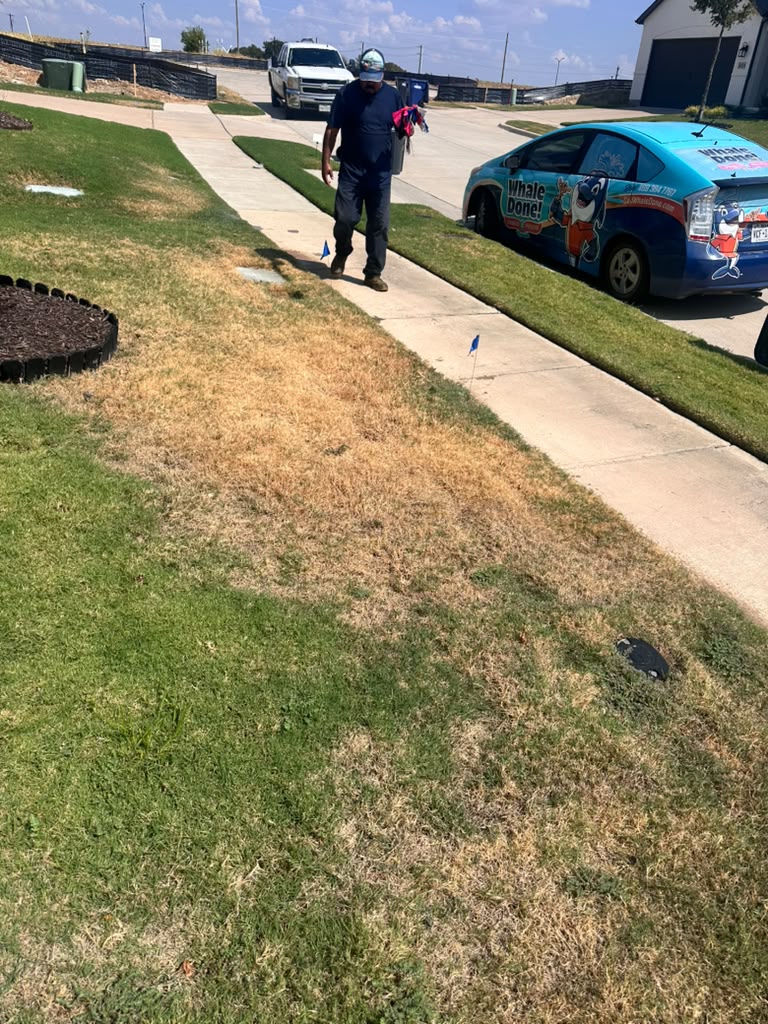
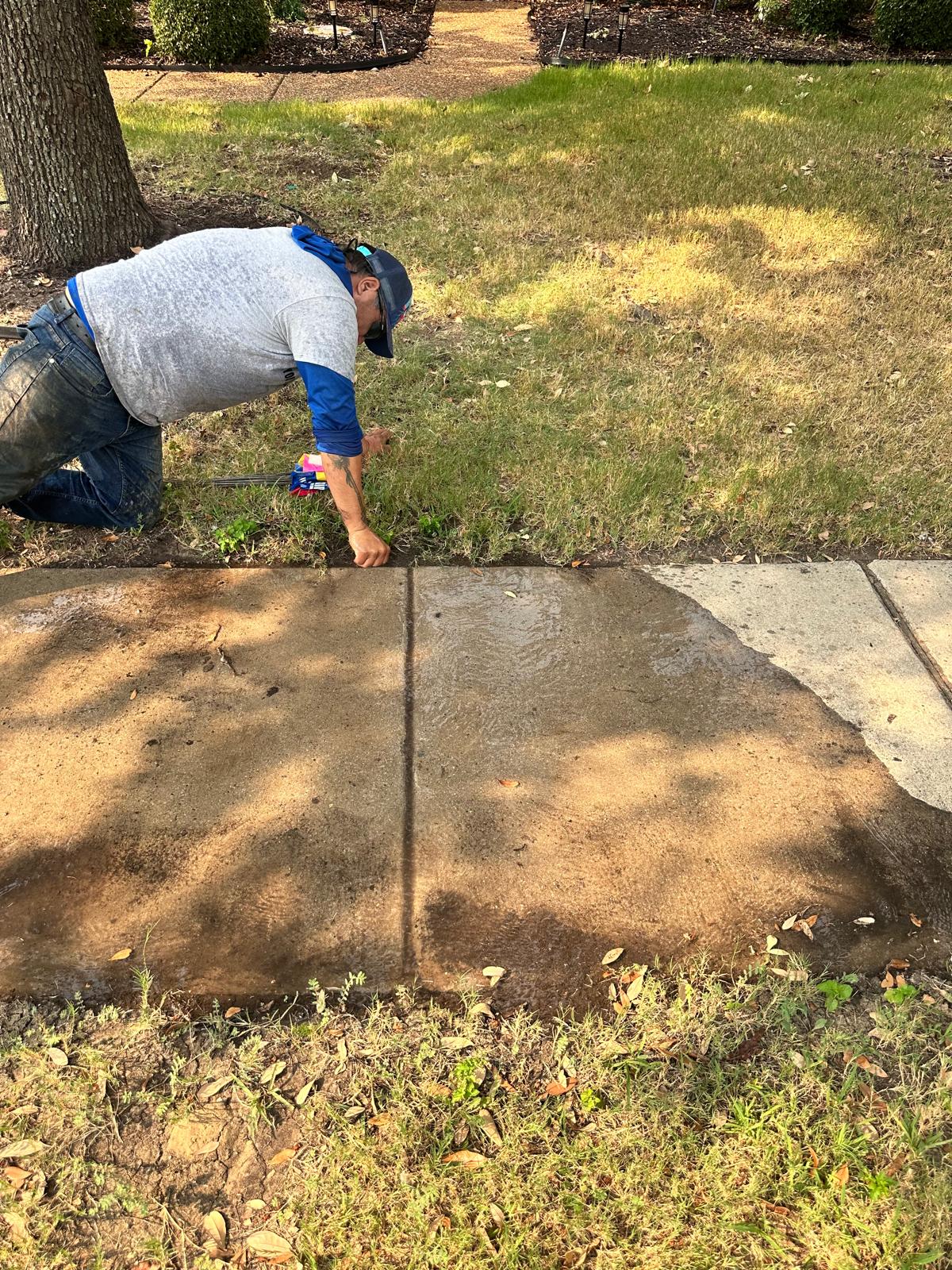
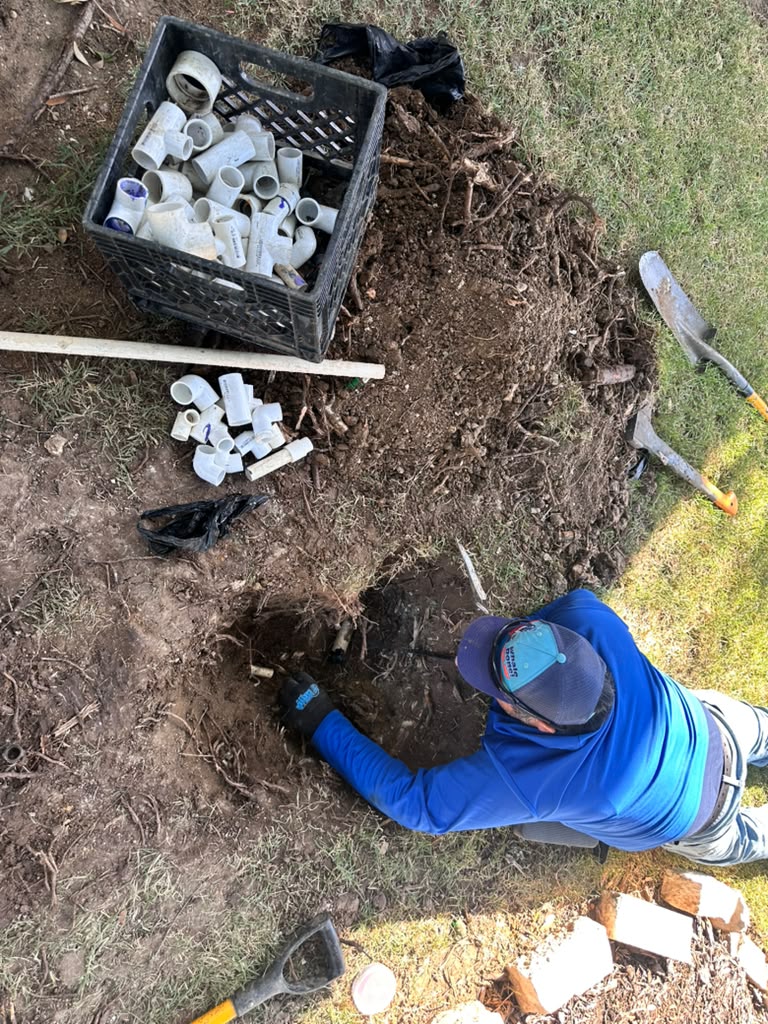
Starting your preparation for colder months with Prosper TX sprinkler winterization is one of the smartest steps homeowners can take to protect irrigation systems, landscapes, and long-term water efficiency. Although Prosper enjoys generally mild winters, sudden freezes are common enough to cause costly damage to pipes, valves, zones, and backflow devices that are not properly winterized. This guide provides a full, professional overview of the winterization process, helping local residents understand why proactive maintenance is essential—and how it ensures your system remains functional, protected, and ready for spring.
Why Winterization Matters in Prosper, TX
Prosper’s climate, while warmer than northern states, is no stranger to abrupt temperature drops. In recent years, multiple freeze events have caused widespread irrigation and plumbing damage across North Texas. These short but extreme cold waves make irrigation systems vulnerable because:
- Residual water expands when frozen
- Underground pipes develop cracks under pressure
- Backflow preventers are exposed components
- Valves and fittings can separate or burst
- PVC piping becomes brittle during freeze cycles
As a result, winterization is not merely optional—it is a necessary preventive measure to protect both residential and commercial irrigation investments.
For a deeper look at regional climate patterns, the Texas Water Development Board provides helpful resources for homeowners. Visit their climate insights for more information.
Understanding the Winterization Process
Winterization is a structured, professional procedure that prepares the system to withstand freezing temperatures. While some homeowners assume it is a quick “shut off and drain” job, proper winterization involves several detailed steps to ensure no water remains inside critical components.
Here is a complete industry-standard process:
1. System Shutoff and Isolation
A certified technician begins by turning off the main irrigation water supply. This prevents any new water flow into the system during the cold season.
2. Backflow Prevention and Valve Protection
Backflow devices are particularly vulnerable because they sit above ground. Proper winterization includes:
- Closing test cocks
- Draining internal chambers
- Insulating the assembly
- Ensuring no trapped water remains inside
For guidance on backflow prevention safety standards, refer to the EPA’s irrigation guidelines at epa.gov/watersense.
3. Blowing Out the Irrigation Lines
This is the most crucial step. Using commercial-grade air compressors, technicians push air through each irrigation zone individually. This forces water out of:
- Lateral lines
- Sprinkler heads
- Drip lines
- Valves
- Connectors
This method prevents freezing, cracking, and ruptures.
4. Inspecting Sprinkler Components
After clearing the lines, professionals evaluate the following:
- Condition of sprinkler heads
- Valve responsiveness
- Wiring integrity
- Controller programming
- Pressure levels
- Potential leaks
- Soil moisture sensor performance
This inspection ensures your irrigation system remains healthy during the winter and ready for activation when warmer temperatures return.
5. Controller Winter Settings
Technicians update programming to a winter mode, typically including:
- System OFF setting
- Preservation of all scheduling
- Protection of stored data against outages
- Battery testing or replacement
This safeguards your controller while maintaining all seasonal configurations for future use.
Benefits of Proper Sprinkler Winterization
1. Prevents Costly Repairs
Without winterization, repair costs for broken pipes, cracked sprinklers, or damaged backflow preventers can range from moderate to extensive. These issues often go unnoticed until spring when leaks occur or entire zones fail to activate.
2. Extends the Life of Your System
Annual winterization significantly prolongs the lifespan of irrigation equipment. By minimizing exposure to freeze-related stress and moisture expansion inside pipes, your system maintains optimal performance for years.
3. Ensures Spring-Ready System Activation
Winterization allows for an easy, seamless spring startup. Your technician will only need to reactivate the system, fine-tune settings, and run a performance check—without emergency fixes or unexpected repairs.
4. Protects Your Landscaping Investment
Healthy landscapes rely on stable irrigation. When freezes damage underground components, homeowners often face both irrigation repairs and landscape restoration expenses. Winterization protects both.
For additional landscape protection strategies, the Texas A&M AgriLife Extension offers expert tips. Visit their horticulture guidance for more information.
Signs Your Irrigation System Needs Winterization
Even if you think your irrigation system is protected, the following signs indicate that winterization is overdue:
- Water pooling near sprinkler heads after freezing nights
- Reduced system pressure
- Visible cracks on exposed plumbing or fittings
- Unexpected water bill increases
- Hissing sounds from valves or the backflow
- Zones failing to activate
If any of these occur, it is essential to schedule maintenance promptly.
Common Myths About Winterization
Myth 1: “It doesn’t get cold enough in Prosper to need winterization.”
Even one hard freeze can cause thousands of dollars in irrigation damage. Prosper has experienced multiple freeze events in recent years.
Myth 2: “Manual draining is enough.”
Manual draining rarely removes all water. Only air-blowout systems safely ensure complete water removal.
Myth 3: “Insulating just the backflow is enough.”
Insulation helps but does not replace the need for clearing pipes and valves.
Myth 4: “Spring repairs are cheaper than winterization.”
Repairs are significantly more expensive than preventive service. The cost difference is substantial.
For more clarity on irrigation best practices, the Irrigation Association offers industry resources. Visit their official site.
When to Schedule Winterization in Prosper, TX
The ideal window for winterization is:
- Late October to early December, before the first hard freeze
- Earlier if long-range forecasts predict early cold events
- Annually to maintain system integrity
Scheduling early ensures technicians can provide thorough service without the last-minute rush many homeowners face each season.
Professional Winterization vs. DIY: Why It Matters
While some homeowners attempt DIY winterization, the risks far outweigh the savings. Professional technicians use:
- Calibrated industrial air compressors
- Pressure-regulated blowout equipment
- Specialized backflow tools
- Diagnostic devices for leaks and wiring
Incorrect pressure application can blow sprinkler heads off the system or damage valves. Under-pressurizing leaves water behind. Over-tightening components can cause fractures.
Professionals ensure the process is efficient, thorough, and safe for your system.
How Winterization Protects Your Home in the Long Run
An irrigation system is a major component of your property’s infrastructure. Winterization safeguards:
- Water efficiency
- Soil moisture balance
- Plant health
- Irrigation hardware lifespan
- Long-term budget planning
With proper winterization, homeowners in Prosper avoid the costly cycle of freeze → break → repair. It also supports sustainable water usage, which is increasingly important in fast-growing communities.
Conclusion
Proper winterization ensures your irrigation system is protected, efficient, and ready for the next season—saving you from costly freeze damage and preserving your landscape investment. For reliable and professional Prosper TX sprinkler winterization, contact Whale Done Sprinklers & Irrigation at +1 (469) 384-7767 or email clientsupport@callwhaledone.com for expert service and seasonal care.