Installing a french drain in Allen TX is one of the most effective ways to manage water drainage issues around your property. Whether you’re dealing with persistent puddles, basement seepage, or soil erosion, a properly designed French drain can redirect water away from vulnerable areas, protecting your home and landscaping. Understanding how these systems work, from the use of perforated pipes to gravel beds and proper slope design, is essential for homeowners looking for long-term solutions. In this guide, we’ll cover the benefits of French drains, steps to plan and install them, and tips for ongoing maintenance. Additionally, we’ll explore how professional services can help ensure your drainage system is both effective and durable. By the end of this article, you’ll have a comprehensive understanding of why a French drain might be the best investment for your Allen property.
What is a French Drain?
A French drain is a trench filled with gravel or rock containing a perforated pipe that redirects surface and groundwater away from an area. These drains are particularly effective in preventing water accumulation in basements, around foundations, or across yards. Unlike traditional drainage systems, French drains use gravity to move water to designated drainage points, making them low-maintenance once properly installed. The combination of a permeable trench and piping ensures water flows efficiently, reducing soil saturation and potential structural damage. Homeowners often choose French drains for their reliability and simplicity, as well as their ability to integrate seamlessly into landscaping. For more details on how drainage works, check out this EPA guide on water management for additional insight.
Benefits of Installing a French Drain in Allen TX
Investing in a french drain in Allen TX offers several benefits that protect both your property and landscape. First, it prevents water from pooling in your yard, which can harm plants, damage soil, and attract pests. Second, it reduces the risk of basement flooding and structural issues caused by water seepage around foundations. French drains also help manage erosion by redirecting excess water to safe drainage areas, preserving your property’s integrity over time. Additionally, these systems can enhance the overall aesthetic of your yard by eliminating unsightly wet spots and preventing mud accumulation. For practical tips on maintaining your yard’s health alongside drainage solutions, the Texas A&M AgriLife Extension provides useful landscaping and soil management resources.
Planning Your French Drain System
Proper planning is critical to a successful French drain installation. Start by identifying areas where water collects or flows excessively after rain. Measure the slope of your yard, as French drains rely on gravity to move water; a gentle slope of about 1% (1 foot drop per 100 feet) is ideal. Decide on the drainage endpoint, such as a storm drain, dry well, or natural watercourse, ensuring it’s far enough from your home’s foundation. Consider the length and depth of the trench, typically 6–12 inches wide and 18–24 inches deep for residential applications. Using landscape markers and a utility locator is recommended to avoid underground pipes or cables. For more professional insights into drainage planning, HomeAdvisor offers guides on system design and contractor selection.
Materials Needed for a French Drain
Installing a French drain requires several essential materials: perforated pipe, landscape fabric, gravel or crushed stone, and a trenching tool. The perforated pipe collects and channels water, while landscape fabric prevents soil from clogging the pipe. Gravel or stone provides drainage support, promoting water flow and reducing sediment buildup. Tools like shovels, trenchers, or mechanical diggers help create the trench efficiently. Choosing high-quality materials ensures longevity and minimizes maintenance needs. For additional DIY guidance, the This Old House website has practical tutorials on French drain installation techniques.
Step-by-Step Installation Guide
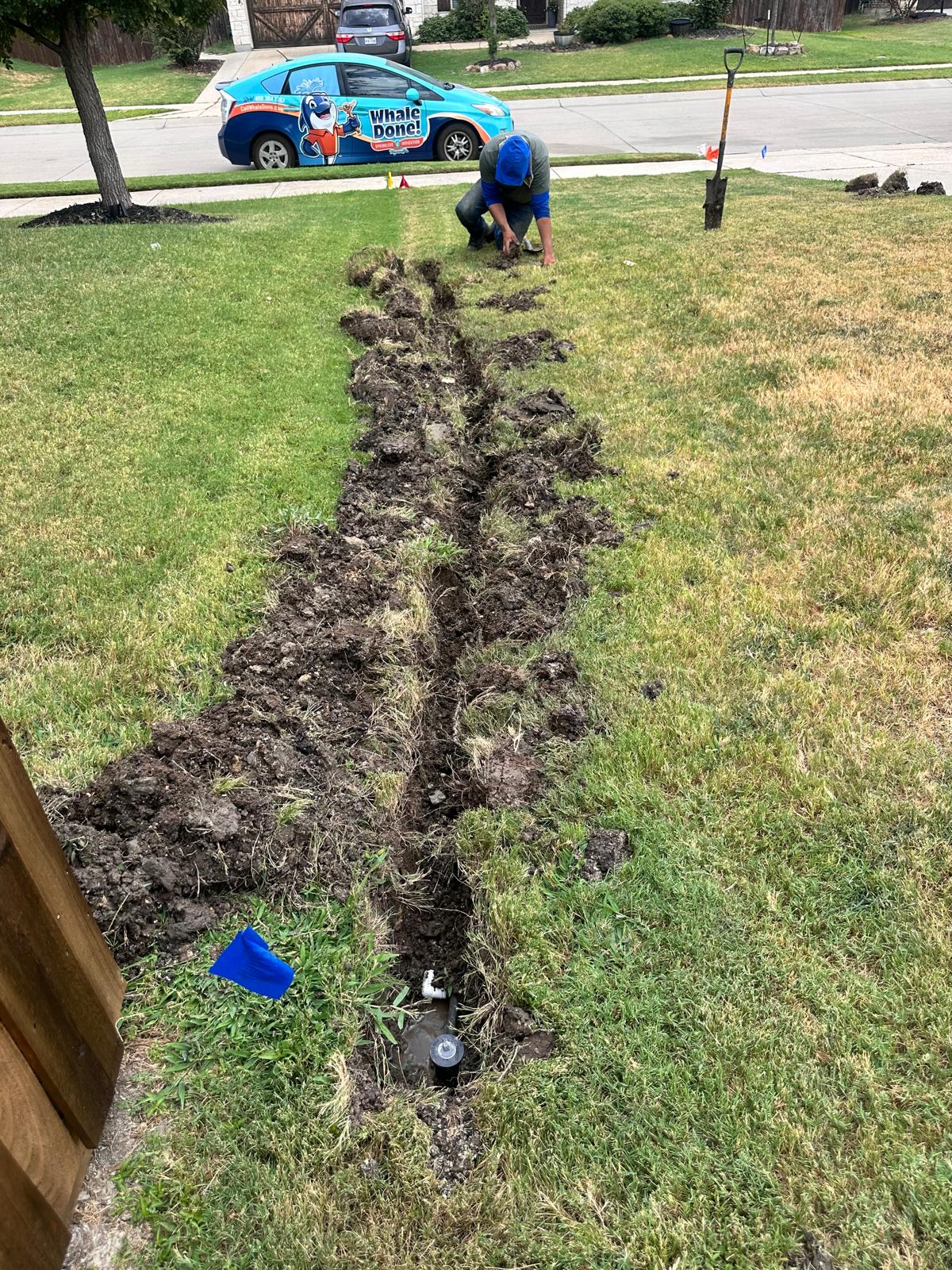
- Mark and dig the trench: Identify water-prone areas and dig a trench along the slope.
- Add landscape fabric: Line the trench to prevent soil infiltration.
- Place gravel base: Add a few inches of gravel for initial drainage support.
- Install the perforated pipe: Position it with the perforations facing downward to maximize water flow.
- Cover with more gravel: Surround the pipe with gravel, leaving a few inches at the top.
- Fold the fabric over: This prevents debris from entering the gravel.
- Backfill with soil and sod: Restore the surface and blend it with your yard’s landscaping.
Following these steps ensures efficient water management. For more advanced techniques and tips, Angi provides expert advice on residential drainage systems and best practices.
Maintenance Tips for Longevity
A French drain requires minimal upkeep but should be checked periodically. Inspect the system after heavy rainfall to ensure water flows properly. Remove debris such as leaves or sediment from the pipe entrance and nearby inlets. Consider flushing the system occasionally with water to prevent clogs. Trim vegetation around the drain to avoid roots penetrating the pipe. Regular maintenance not only preserves the efficiency of your system but also extends its lifespan. For more comprehensive lawn care alongside drainage management, Texas Gardening Tips offers advice tailored to local climate and soil conditions.
Signs You Need a French Drain
Several indicators suggest a French drain may be necessary for your Allen property. Persistent water pooling in low-lying areas, soggy lawns, or basement moisture are clear signs. Erosion along walkways or near foundations can also indicate poor drainage. If your landscaping is suffering due to waterlogged soil or your foundation shows signs of dampness, installing a French drain is an effective solution. Recognizing these symptoms early prevents extensive damage and reduces long-term repair costs. Homeowners facing repeated flooding or standing water should consult with drainage professionals for assessment and recommendations.
Hiring Professionals vs DIY
While installing a French drain yourself can save money, hiring professionals ensures proper design, placement, and installation. Professionals have access to specialized equipment, knowledge of local building codes, and experience managing complex yard slopes or unexpected obstacles.
DIY installation may be suitable for small, simple drainage issues, but large properties or significant water problems benefit from professional intervention. Proper installation reduces the likelihood of clogs, improper slopes, or insufficient drainage capacity. For guidance on choosing certified contractors, National Association of Landscape Professionals provides standards and recommendations.
Conclusion
Investing in a french drain in Allen TX is a smart move for protecting your property from water damage while maintaining a healthy, beautiful landscape. Proper planning, installation, and maintenance are crucial for ensuring long-term efficiency and durability. Whether addressing yard erosion, basement seepage, or general water pooling, a French drain offers an effective and low-maintenance solution. For homeowners seeking professional installation and support, Whale Done Sprinklers & Irrigation is your trusted partner. Contact them at +1 (469) 384-7767 or via email at clientsupport@callwhaledone.com for expert consultation and services tailored to your property’s needs.