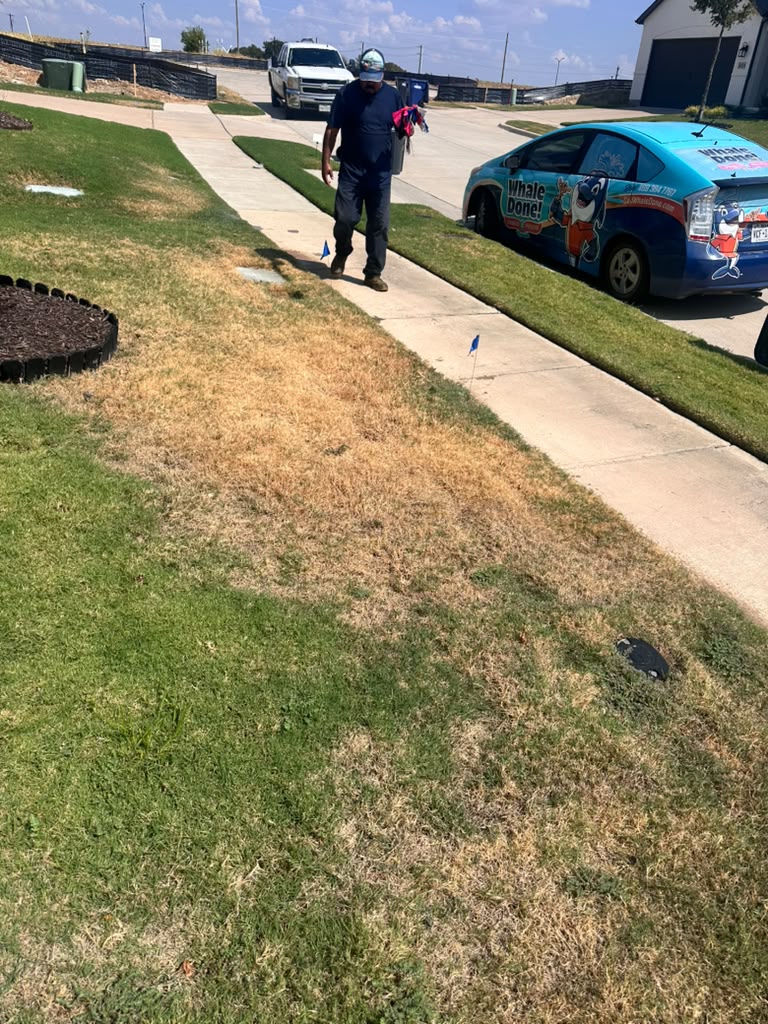
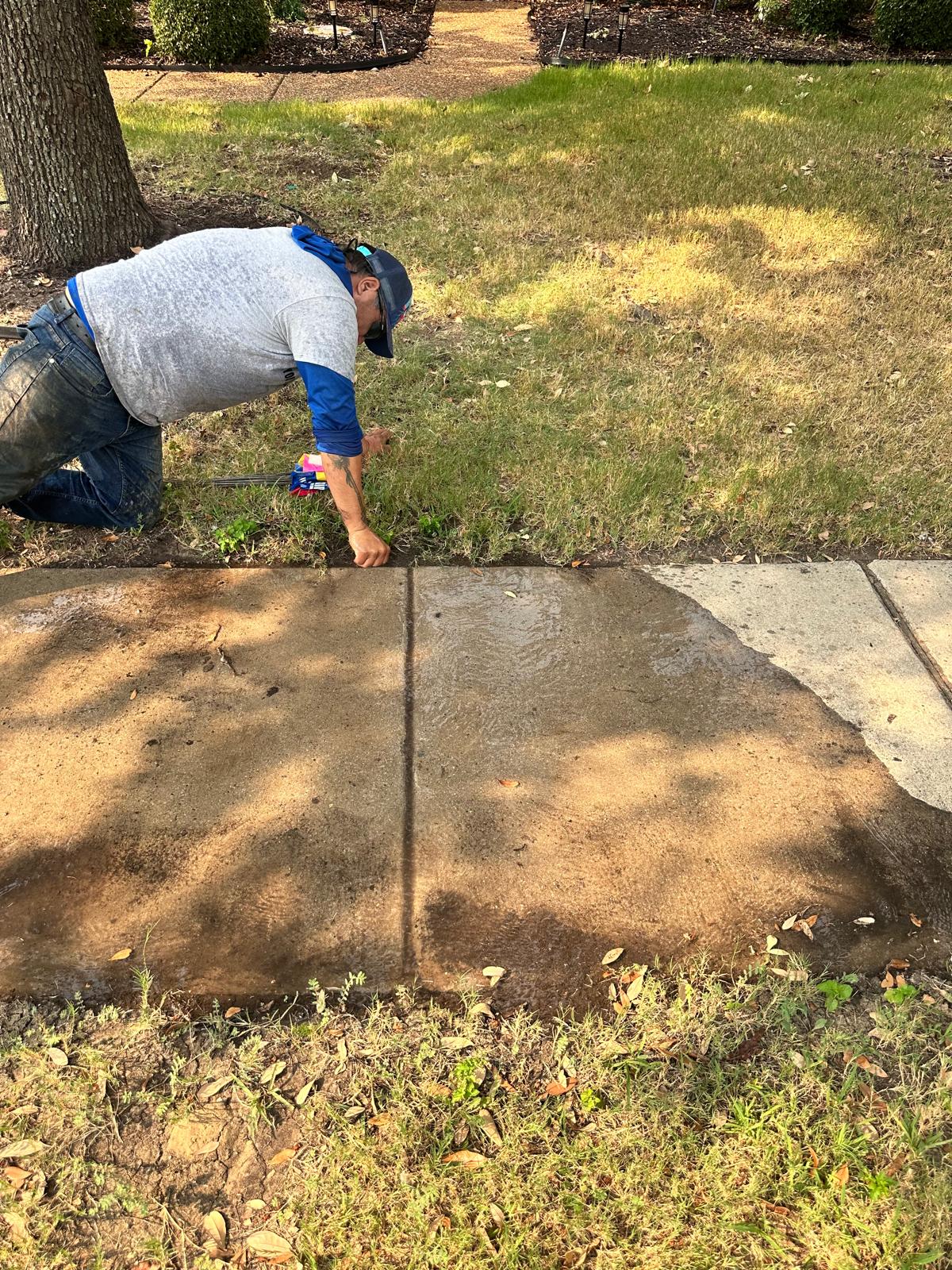
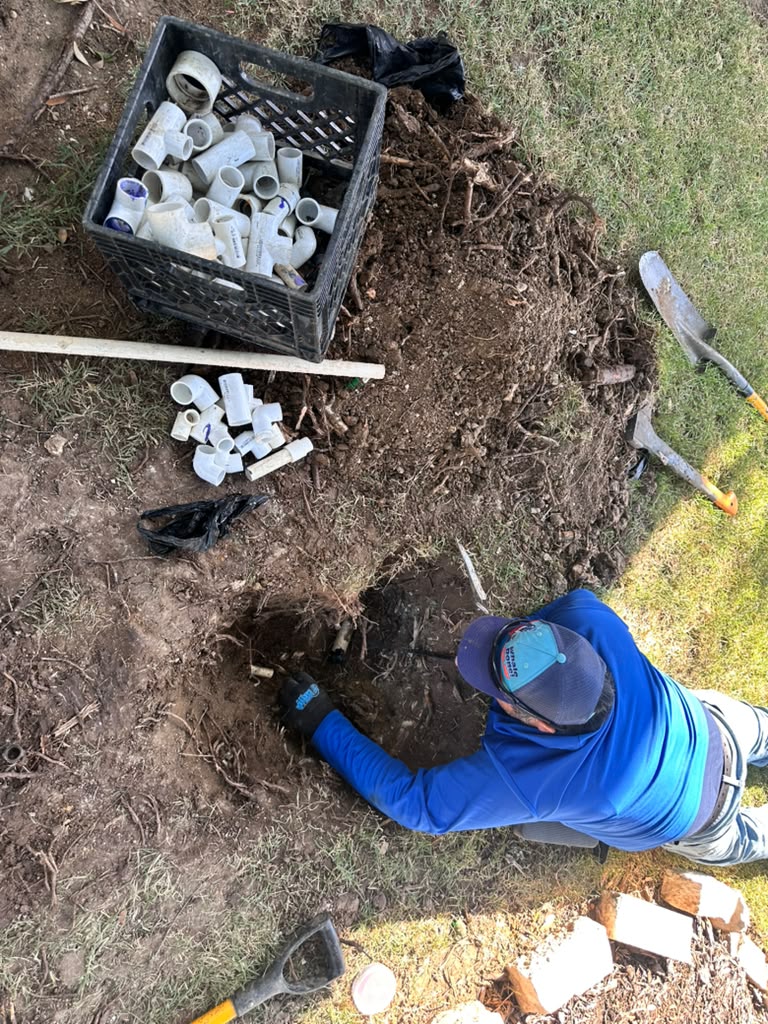
A french drain in Celina TX, is a highly effective solution for homeowners seeking to safeguard their property from water-related damage. With the area’s occasional heavy rains and unpredictable weather patterns, proper drainage is essential to prevent water from pooling around foundations, yards, and low-lying areas. Installing a French drain helps maintain the structural integrity of homes, reduces landscape erosion, and keeps basements and crawl spaces dry.
In this comprehensive guide, we’ll cover what a French drain is, how it functions, the benefits it offers, step-by-step installation processes, ongoing maintenance tips, and important considerations specific to Celina properties.
What Is a French Drain?
A french drain is a trench filled with gravel or rock containing a perforated pipe that redirects surface and groundwater away from an area. Often installed around foundations, along yards, or behind retaining walls, these systems prevent water from pooling and causing hydrostatic pressure, which can lead to cracks in foundations and basement flooding.
Unlike traditional drainage methods, french drains rely on gravity to naturally move water from one location to another, making them an eco-friendly and low-maintenance solution. Homeowners often pair french drains with sump pumps or landscaping adjustments for optimal water management.
Benefits of Installing a French Drain in Celina TX
1. Protects Your Home’s Foundation
Excess water pooling near a home’s foundation increases hydrostatic pressure, which over time can lead to serious structural damage, including cracks, shifting, and settling. A properly installed French drain channels water safely away from the foundation, reducing these risks and helping homeowners avoid costly repairs while maintaining the long-term stability of their property.
2. Prevents Basement Flooding
Basements in Celina, TX, are especially vulnerable to water intrusion during heavy rains or storms. A French drain effectively redirects water away from the home, preventing accumulation around basement walls and floors. This ensures that the lower levels remain dry, safeguarding valuable belongings and reducing potential mold or mildew issues.
3. Reduces Soil Erosion
When water is allowed to pool or flow unchecked, it can erode soil, damage landscaping, and create uneven or unsafe yard conditions. French drains stabilize the soil by channeling water away from vulnerable areas. This protects gardens, lawns, and flower beds, keeping outdoor spaces healthy and visually appealing over time.
4. Enhances Landscape Longevity
Poor drainage can lead to overwatering in low-lying areas, which may stress lawns, trees, and flower beds. Installing a French drain helps maintain optimal soil moisture levels and promotes healthy plant growth. When paired with native Texas landscaping techniques, it can extend the life of plants and reduce ongoing garden maintenance.
5. Low Maintenance Solution
French drains are designed for long-term reliability with minimal upkeep. Once properly installed, they typically require only occasional inspections to ensure that entry and exit points remain clear of debris. This simple maintenance routine allows homeowners to enjoy effective drainage without constant attention or expensive repairs.
How Does a French Drain Work?
A french drain operates on a simple principle: water flows naturally from high to low areas through a perforated pipe. The gravel surrounding the pipe filters debris and prevents clogging while allowing water to move freely. The trench usually slopes away from the property, directing water toward a safe discharge area, such as a dry well, storm drain, or drainage ditch.
In addition, adding a filter fabric over the gravel can further prevent soil infiltration, keeping the system functional for many years. For homeowners in Celina, understanding the local soil types and drainage patterns is key to designing an effective system.
Installation Process
Installing a french drain involves several key steps:
- Planning and Site Assessment: Identify low-lying areas, water flow patterns, and ideal exit points.
- Excavation: Dig a trench, typically 6 inches wide and 18–24 inches deep, sloping 1 inch per 8 feet toward the drainage area.
- Layering Gravel: Place a base layer of gravel at the bottom of the trench to aid water flow.
- Installing Perforated Pipe: Lay a perforated PVC or corrugated pipe on the gravel, ensuring holes face down for optimal drainage.
- Covering and Fabric: Wrap the pipe with landscape fabric to prevent clogging, then fill the trench with additional gravel.
- Final Landscaping: Cover with soil or decorative rock to match yard aesthetics.
Professional installation ensures proper slope, efficient water diversion, and compliance with local regulations. For DIY enthusiasts, it’s crucial to follow local guidelines to avoid drainage issues or potential fines.
Maintenance Tips for Longevity
Even though french drains are low-maintenance, some tasks help extend their life:
- Inspect Entry and Exit Points: Clear debris, leaves, or sediment regularly.
- Check for Standing Water: Ensure water is moving freely and not pooling at any point.
- Flush the System: Occasionally run water through the drain to remove minor blockages.
- Trim Overgrowth: Prevent roots from nearby trees and shrubs from infiltrating the pipe.
- Professional Inspection: Schedule an occasional checkup by drainage experts to identify hidden problems.
Regular maintenance can prevent more serious drainage problems and maintain property value. Homeowners in Celina often pair this with lawn irrigation management to optimize water distribution across their landscape.
Considerations for Celina Homeowners
When planning a french drain in Celina TX, it’s important to consider local weather patterns, soil type, and property slope. Heavy clay soils, common in the area, may require additional gravel or sand layers for proper water flow. It’s also essential to ensure the drain discharges water safely without affecting neighboring properties.
Some homeowners combine french drains with other drainage solutions, like swales or rain gardens, to maximize efficiency and sustainability. For large properties or areas prone to flooding, consulting with drainage specialists ensures the system handles the expected water volume.
Common Misconceptions
“French Drains Are Expensive”
While initial costs may seem high, the long-term benefits—preventing foundation damage, reducing flood risk, and preserving landscaping—often outweigh the expense.
“DIY Is Always Enough”
DIY installations can work for small projects, but miscalculations in slope or pipe placement can lead to drainage failure. Professionals have experience with local soils, weather, and regulations.
“They Require Constant Maintenance”
Once installed correctly, french drains need minimal upkeep, mostly limited to visual inspections and debris removal.
Environmental and Aesthetic Benefits
French drains not only protect property but also contribute to environmentally friendly water management. By directing excess water safely, they prevent erosion, reduce runoff into storm drains, and support sustainable landscaping. Integrating decorative gravel or native plants can also enhance yard aesthetics while maintaining drainage efficiency.
Celina homeowners may explore combining their french drains with rainwater harvesting systems to collect and reuse water for gardens and irrigation.
Conclusion
Installing a french drain in Celina TX is a smart investment for property protection, landscaping longevity, and overall water management. Proper planning, installation, and maintenance ensure it functions efficiently for years, safeguarding your home from costly water damage.
For professional installation and expert guidance, contact Whale Done Sprinklers & Irrigation at +1 (469) 384-7767 or email clientsupport@callwhaledone.com for reliable, long-lasting drainage solutions.