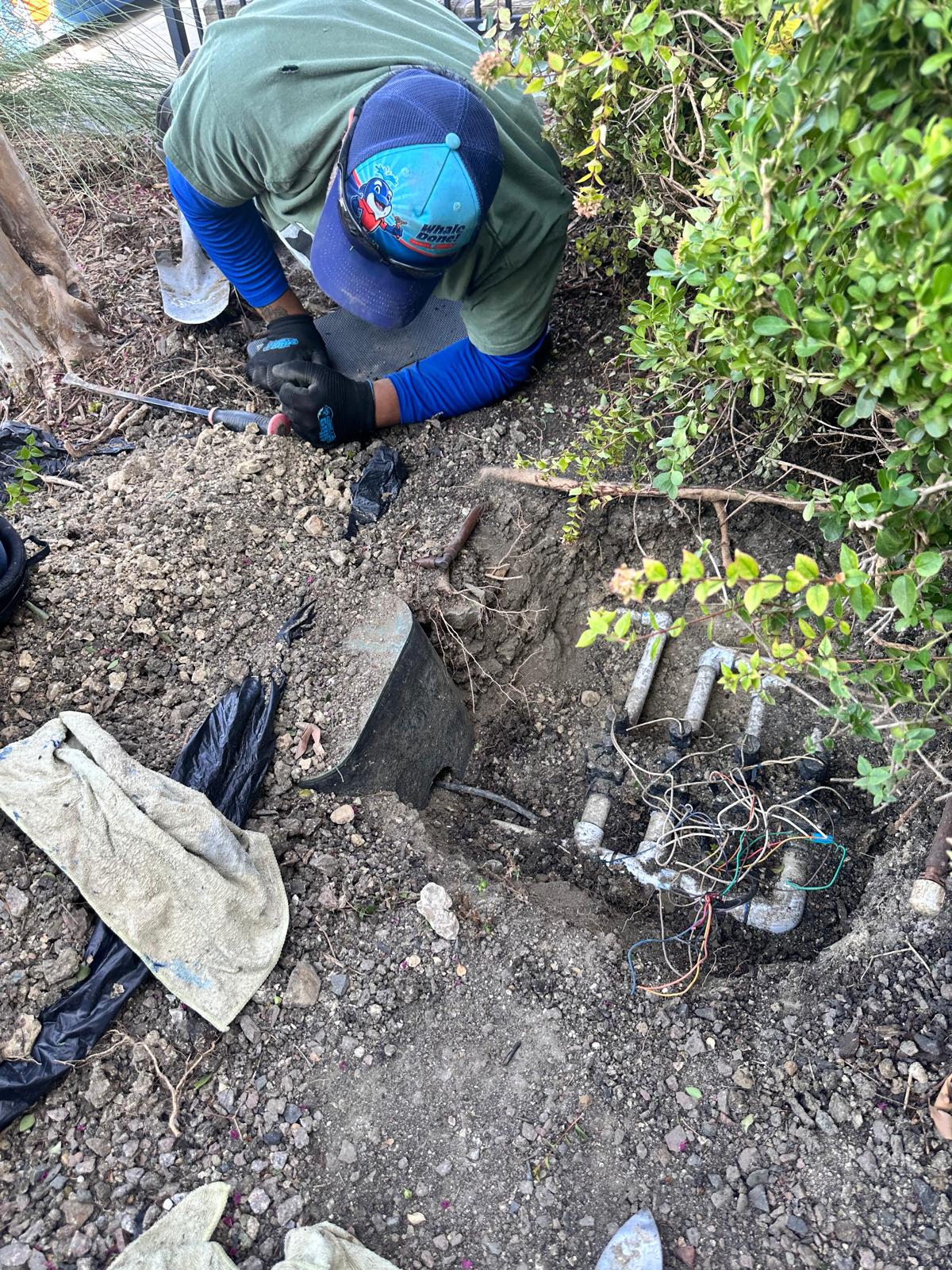
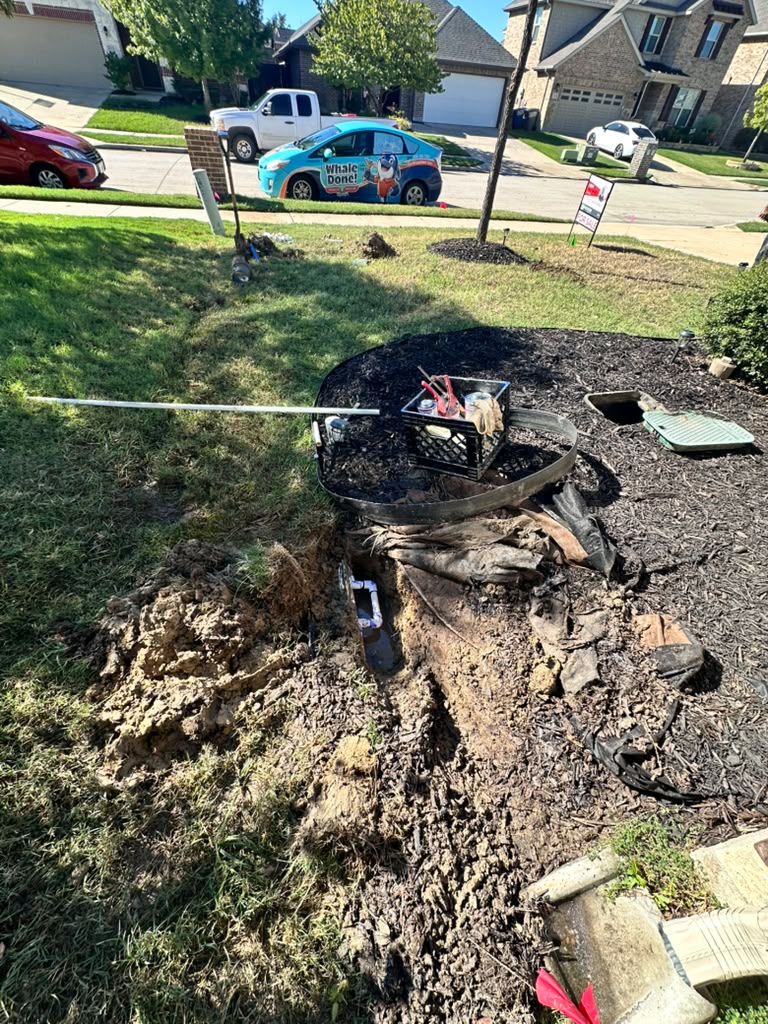
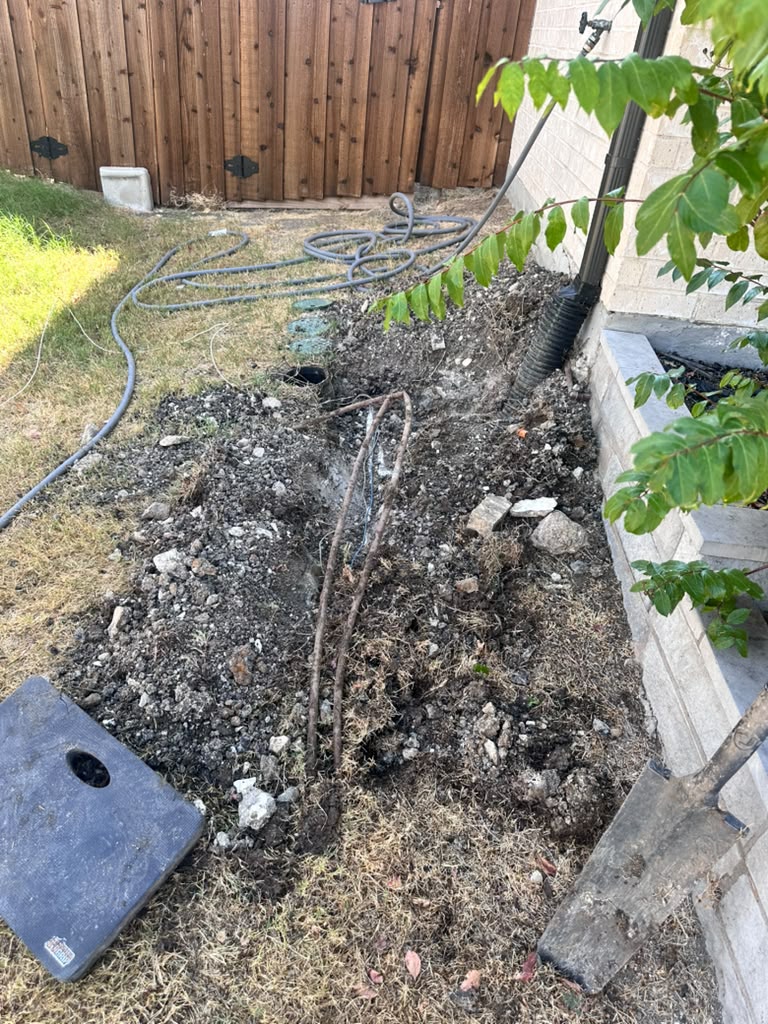
Drip irrigation in Anna TX supports new flower beds by delivering water slowly to the root zone instead of spraying leaves, walls, and walkways. This keeps soil evenly moist while young plants establish, and it wastes less water to wind and runoff. As plants mature, the drip layout can be adjusted to match their size and water needs.
Drip suits beds, new fall plantings, and narrow strips best. Spray heads still make sense for open lawn. A licensed sprinkler company can tell you which fits each area.
At a Glance
| Difficulty | Understanding drip: easy. Designing or converting a zone: best left to a licensed professional |
| Estimated Time | 10 minutes to review your beds and note problem spots |
| Tools Needed | Notes on bed size and plant types, a phone for photos, your controller schedule |
| Works For | New flower beds, fall plantings, shrubs, trees, and narrow planting strips |
| May Not Solve | Poor soil, plant disease, or drainage problems unrelated to watering |
Why Water at the Roots Instead of the Leaves?
Roots absorb water, while leaves, walls, and walkways don’t need it. Plants take in moisture through their roots, so that is where watering does the most good.
Spray heads throw water through the air, so some of it evaporates or drifts off in the wind. Some also land on siding, fences, and sidewalks, where it does no good. In narrow beds near a wall or walkway, this waste adds up quickly.
Drip lines place water at the soil surface or just below it. More of it reaches the roots, the leaves stay drier, and the soil has time to absorb each drop instead of letting it run off.
How Drip Irrigation Works
A drip zone uses small-diameter tubing with tiny openings called emitters. Emitters release water slowly, one drop at a time.
Slow delivery gives soil time to absorb water instead of letting it run off. It also keeps the water close to where plants need it.
Common drip parts include:
- Tubing: Carries water through the bed
- Emitters: Release water at set rates near each plant
- Filter: Keeps debris from clogging small openings
- Pressure regulator: Lowers pressure to levels drip parts can handle
- Valve: Controls when the drip zone runs
When Drip Suits Flower Beds Better Than Spray Heads
Drip is not better everywhere. It works best in certain situations.
Drip is often a good fit when:
- Beds are narrow or oddly shaped
- Plants are spaced apart rather than packed tightly
- Walls, windows, fences, or walkways sit close to the bed
- Wind often pushes spray off target
- New plants need steady moisture while roots grow
- Different plants need different amounts of water
Spray heads tend to suit open grass better, since they cover wide areas evenly.
Why Drip Helps New Fall Plantings
Fall is a popular time to plant in North Texas. Cooler air and warm soil help roots settle in before summer heat returns.
New plants have small root systems. They need steady moisture close to the base, not a quick blast from overhead.
Drip supports that by:
- Keeping the root zone evenly moist
- Reducing runoff on sloped or compacted soil
- Limiting wet leaves, which can contribute to some plant diseases
- Using less water than overhead spray in many beds
Step 1: Look at Your Bed Before Choosing a Method
Start by noticing how the bed is set up. A few details guide the decision.
- How big is the bed?
- What plants are in it, and how far apart are they?
- How much sun does it get?
- Is it near a wall, fence, or sidewalk?
- Does water pool or drain away quickly?
Photos and notes help a technician understand the space during a visit.
Step 2: Match the Layout to the Plants
Different plants need different amounts of water. Annuals, perennials, shrubs, and trees don’t all drink the same.
A drip layout can be arranged to reflect that. Emitters may be placed closer to thirsty plants and farther from those that need less.
Some homeowners choose to group plants with similar needs together. That makes watering simpler and more efficient.
Step 3: Adjust the Drip System as Plants Grow
New plants need frequent, light watering. Established plants need deeper, less frequent watering.
As roots spread, the area that needs water gets wider. A drip layout that suits a young plant may need changes later.
Possible adjustments include:
- Adding emitters farther from the base as roots expand
- Changing run times as plants mature
- Moving or adding tubing when beds are expanded
- Reducing watering in cooler months
Review the setup each season, and again after planting new material.
Step 4: Check the System Regularly
Drip parts are small, so problems can be easy to miss. A quick check helps keep the system working.
Look for:
- Dry spots where plants look stressed
- Wet spots or pooling near tubing
- Tubing that has shifted, been pulled up, or been chewed
- Clogged emitters
- Tubing damaged by mulching, digging, or pets
Minor issues are often simple to fix when caught early.
Common Mistakes Homeowners Make
Most drip problems come from setup and upkeep. These are the ones that come up often.
- Using spray heads in narrow beds: Water lands on walks and walls.
- Skipping the filter or regulator: Drip parts clog or fail faster.
- Burying tubing too deep under mulch: Leaks and clogs become hard to spot.
- Never adjusting as plants grow: Roots outgrow the original layout.
- Overwatering new plants: Soggy soil can harm roots.
- Mixing drip and spray on one zone: They need different run times and pressure.
Local Considerations for Anna and North Texas
North Texas conditions affect how drip performs in flower beds.
- Clay soil: It absorbs water slowly and holds it a long time, so slow delivery helps prevent runoff and soggy roots.
- Heat: Summer heat dries beds fast, and mulch helps hold moisture around drip lines.
- Wind: Wind pushes spray off target, while drip stays near the roots.
- Seasonal watering: Beds need far less water in winter, so run times should be reduced.
- Water restrictions: Check with the city or your water provider for current watering rules.
- Foundation movement: Shifting soil near the house can affect tubing placed along foundation beds.
The Texas A&M AgriLife Extension offers helpful guidance on planting and watering in Texas landscapes.
Related Problems to Watch For
If your beds look unhappy, drip may not be the cause. Other issues can look similar.
- Wilting plants: Could be too much or too little water
- Dry patches: May be a clogged emitter or a shifted line
- Soggy areas: Could be a leak or a drainage problem
- Low pressure: May point to a valve or supply issue
- High water bills: A hidden leak may be the cause
The EPA WaterSense program shares tips on efficient outdoor watering. If you suspect a leak, read our guide on finding an underground sprinkler leak. For zones that won’t behave, see our article on sprinkler valve problems.
Frequently Asked Questions
Is drip irrigation better than spray heads for flower beds?
Often, yes. Drip delivers water to the roots and avoids walls and walkways. Spray heads still work better for open lawn.
Can I add drip irrigation to an existing sprinkler system?
In many cases, yes. A licensed company can check whether a zone can be converted or whether a separate drip zone makes more sense.
How often should I water new flower beds with drip?
New plants usually need light, frequent watering while roots establish. The right schedule depends on plant type, sun, and soil, so adjust it as plants grow.
Does drip irrigation work with clay soil?
Yes. Slow delivery gives clay time to absorb water. Shorter, spaced-out run times help prevent pooling.
When is a good time to plant and set up drip in Anna?
Fall is popular for planting in North Texas. Setting up drip before or right after planting helps new roots get steady moisture.
Next Step and Bottom Line
Drip irrigation in Anna TX waters flower beds at the roots, saves water, and can adapt as plants grow. It suits beds, new fall plantings, and narrow strips best, since the water stays off leaves, walls, and walkways. Spray heads still fit open lawn, so many yards end up using both.
If you’re unsure which approach fits your yard, a licensed sprinkler company can assess your beds and explain the options. That might mean converting an existing zone, adding a new drip zone, or simply adjusting run times as your plants mature. Whale Done is happy to answer questions or schedule a visit, and our goal is to educate first.