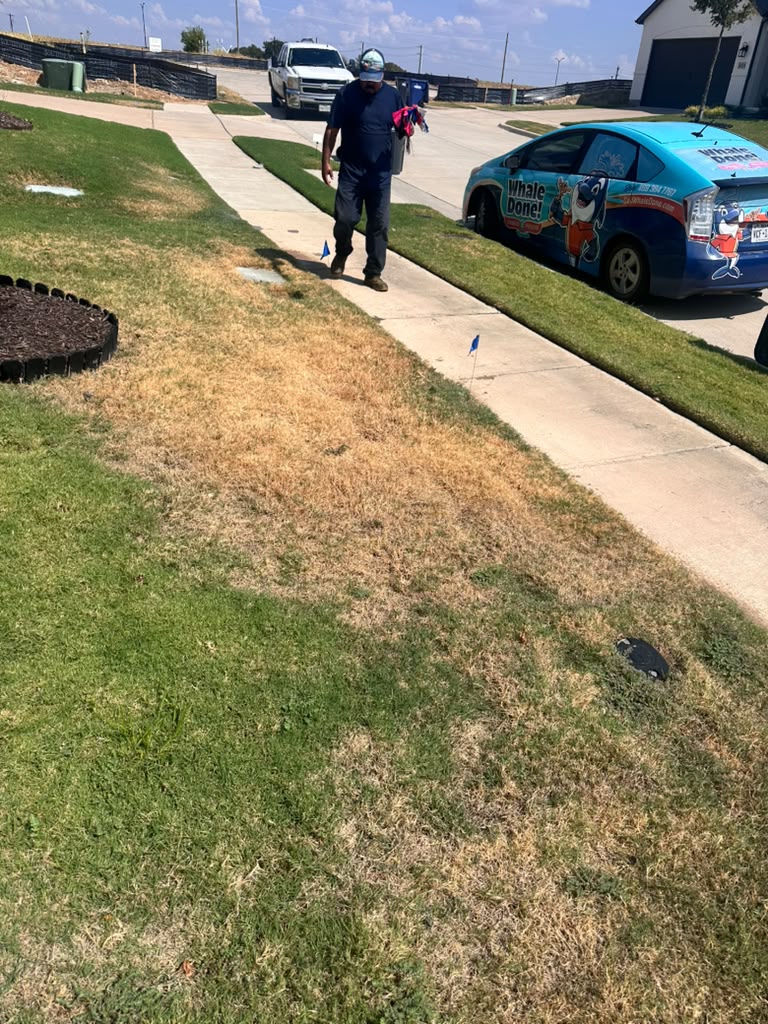
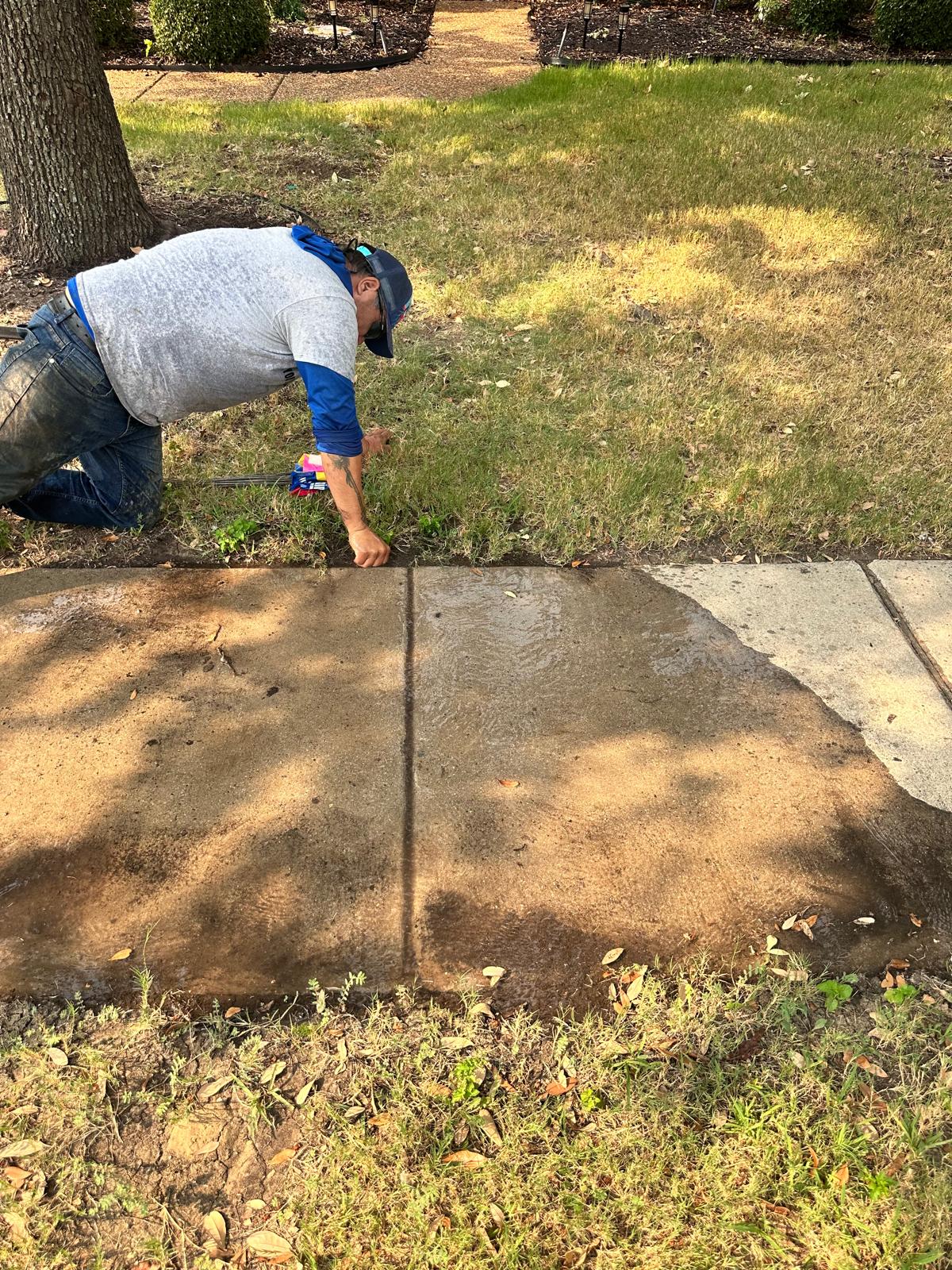
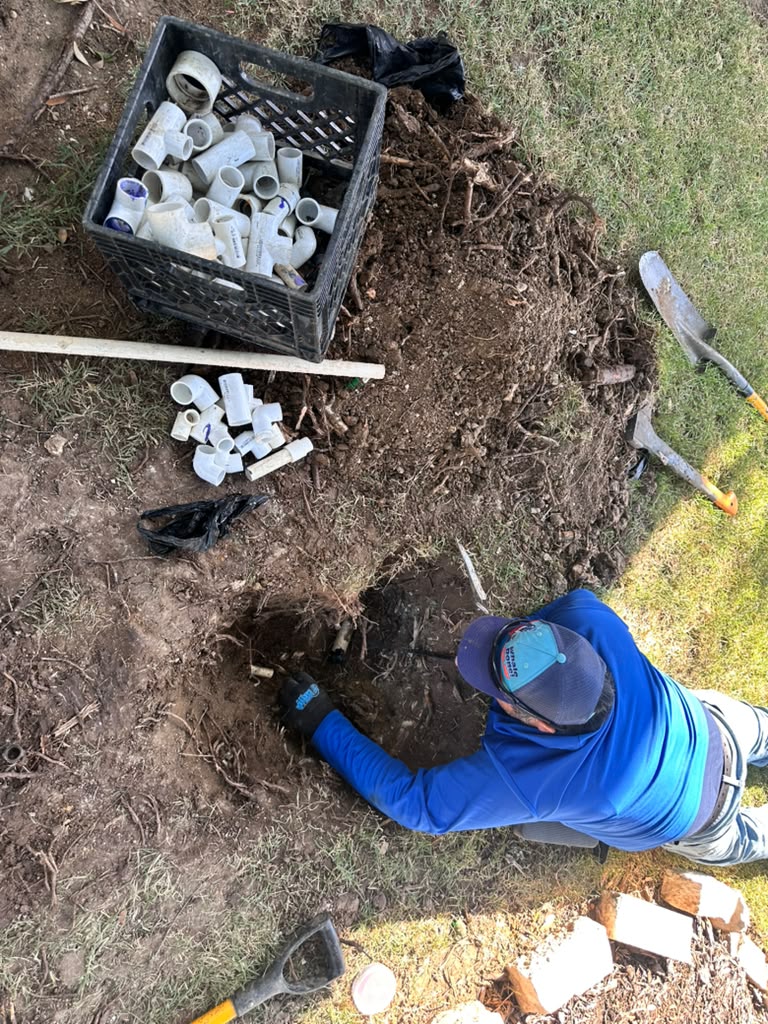
Managing rainwater in Fairview TX is one of the most important responsibilities for homeowners who want to protect their property’s foundation, landscape, and overall value. Although rainfall is beneficial for plants and lawns, excessive water collecting near your home can quickly become a costly problem. Standing water, soil erosion, foundation movement, and landscape damage often begin when rainwater cannot flow away efficiently. Understanding how water behaves around your property and implementing the right drainage solutions can significantly reduce these risks while keeping your outdoor space healthy throughout every season.
Why Proper Rainwater Drainage Matters
Many homeowners focus on maintaining their roof or lawn but overlook the importance of directing rainwater away from the home’s foundation. Every rainfall deposits thousands of gallons of water onto your roof, driveway, and landscape. Without an effective drainage system, that water naturally settles into low areas surrounding the property.
Over time, excess moisture may contribute to:
- Foundation movement
- Basement or crawlspace moisture
- Soil erosion
- Landscape deterioration
- Mold growth
- Damaged flower beds
- Cracked sidewalks
- Pooling water around patios
According to the EPA’s Soak Up the Rain program, managing stormwater effectively helps reduce flooding while protecting homes and communities from water-related damage.
Ignoring drainage problems often allows small issues to become expensive structural repairs.
Signs Your Property Has a Rainwater Drainage Problem
Drainage issues rarely appear overnight. Instead, homeowners usually notice gradual warning signs after multiple storms.
Common indicators include:
- Water pooling near the home’s foundation
- Muddy areas that stay wet for days
- Soil washing away after heavy rain
- Water flowing toward the house
- Damp spots inside the garage
- Cracks developing in the foundation
- Mulch constantly washing into sidewalks
- Grass dying in saturated areas
If these symptoms continue after every rainfall, your property likely requires drainage improvements rather than simply waiting for the ground to dry.
Rainwater in Fairview TX: Common Causes of Water Pooling Around Homes
Every neighborhood has unique drainage challenges, and rainwater in Fairview TX behaves differently depending on property elevation, soil conditions, landscaping, and surrounding development. North Texas commonly contains clay-rich soil that expands when wet and contracts during dry periods. This natural movement slows water absorption, allowing rainwater to remain on the surface much longer.
Additional contributing factors include:
Poor Yard Grading
The ground should gently slope away from your home. Even a slight reverse slope allows water to collect against the foundation.
Heavy Clay Soil
Clay absorbs water slowly, increasing surface runoff after storms.
Short Downspouts
Many downspouts discharge water only a few feet from the home, allowing repeated saturation near the foundation.
Clogged Gutters
Overflowing gutters release concentrated streams of water directly beside the house.
Low Areas in the Yard
Depressions naturally collect runoff from surrounding surfaces.
Excessive Hardscaping
Driveways, sidewalks, and patios prevent water from soaking into the soil, increasing runoff volume.
Improve Your Yard’s Grading
Proper grading is one of the most effective long-term solutions for improving drainage around a home and reducing the risk of water damage. Professionals recommend creating a gentle slope that directs water away from the foundation and toward designated drainage areas, preventing moisture from accumulating near the structure. This approach helps minimize standing water, reduces foundation moisture, supports healthier landscaping, lowers the risk of soil erosion, and enhances the overall appearance of your lawn. When regrading a yard, it is important to evaluate existing drainage patterns carefully to ensure the improvements do not create new low spots or redirect water to other problem areas.
Extend Downspouts Away From the House
Your roof collects significant amounts of rainwater during every storm.
Without properly extended downspouts, this concentrated flow repeatedly saturates the soil near your foundation.
Simple downspout extensions can redirect water:
- Several feet away from the home
- Toward drainage swales
- Into underground drain pipes
- Toward designated landscape drainage areas
Regular inspection ensures these extensions remain clear of debris and function correctly throughout the year.
Install French Drains Where Necessary
Even with proper yard grading, some properties naturally experience persistent water accumulation due to soil conditions or surrounding landscape features. In these situations, a French drain can provide an effective underground drainage solution by using a perforated pipe surrounded by gravel to collect and redirect excess groundwater away from vulnerable areas. French drains are especially beneficial for low-lying sections of the yard, side yards, waterlogged flower beds, foundation perimeters, and areas receiving runoff from neighboring properties. When professionally installed, they help prevent standing water, reduce soil saturation, protect your home’s foundation, and improve the overall health and usability of your landscape.
For additional drainage guidance, the Texas A&M AgriLife Extension provides educational resources regarding soil management and residential landscapes.
Create Drainage Swales
A drainage swale is a shallow, gently sloped channel that directs surface water across your property.
Unlike underground drainage systems, swales rely entirely on gravity.
Advantages include:
- Cost-effective drainage
- Natural appearance
- Reduced erosion
- Improved runoff management
- Minimal maintenance
Many homeowners combine swales with decorative landscaping to improve both function and curb appeal.
Install Catch Basins
Areas that frequently collect runoff can benefit from strategically placed catch basins that help manage excess rainwater before it causes flooding or erosion. These underground drainage structures collect surface water and direct it into connected drainage piping, reducing the risk of standing water around your property. Catch basins are especially effective for protecting driveways, patios, walkways, garage entrances, and outdoor living spaces from water damage during heavy rainfall. To keep them functioning properly, regular maintenance is essential. Cleaning out leaves, dirt, and other debris helps prevent blockages, allowing water to flow efficiently and ensuring the drainage system performs reliably throughout the year.
Consider Channel Drains for Hard Surfaces
Concrete surfaces such as driveways, patios, and pool decks can generate significant runoff during heavy rainfall because they prevent water from naturally soaking into the ground. Installing channel drains across these hard surfaces helps capture and redirect flowing water before it reaches your home’s foundation or other vulnerable areas. These drainage systems are especially effective on properties where surface grading alone cannot adequately move water away. By improving runoff management, channel drains help minimize standing water, reduce erosion, protect surrounding landscaping, and lower the risk of moisture-related damage to your home’s exterior and foundation.
Improve Soil Drainage
Sometimes the problem isn’t too much rainfall but poor soil infiltration.
Adding organic material can gradually improve drainage in planting beds by increasing soil structure and reducing compaction.
Healthy soil encourages:
- Better root growth
- Improved water absorption
- Less standing water
- Healthier lawns
Homeowners should avoid excessive soil compaction caused by heavy equipment or repeated vehicle traffic.
Reduce Overwatering
Many drainage issues become worse because irrigation systems continue watering already saturated lawns.
Smart irrigation practices include:
- Adjusting seasonal schedules
- Skipping irrigation after rainfall
- Repairing leaking sprinkler heads
- Monitoring soil moisture
- Using rain sensors
The EPA WaterSense program encourages efficient irrigation practices that reduce unnecessary water usage while maintaining healthy landscapes.
Maintain Gutters Regularly
Gutters play a major role in managing roof runoff.
When clogged with leaves and debris, they overflow directly beside the foundation.
Routine maintenance should include:
- Cleaning gutters twice annually
- Inspecting downspouts
- Checking for loose sections
- Removing blockages
- Repairing leaks
Well-maintained gutters significantly improve overall drainage performance.
Protect Landscaping From Water Damage
Improper drainage affects more than the structure itself.
Excess moisture may damage:
- Trees
- Shrubs
- Flower beds
- Decorative stone
- Mulch
- Lawn health
Waterlogged roots often suffer from oxygen deprivation, leading to declining plant health despite receiving abundant moisture.
Proper drainage preserves both landscape beauty and long-term plant survival.
Use Rain Gardens
Rain gardens offer an environmentally friendly solution for managing stormwater runoff by temporarily collecting rainwater and allowing it to slowly soak into the ground naturally. These shallow, landscaped areas help reduce surface runoff, improve water quality by filtering pollutants, minimize soil erosion, and create attractive outdoor spaces that enhance a property’s curb appeal. They also provide valuable habitat for pollinators such as bees and butterflies, supporting local ecosystems.
Native plants are the best choice for rain gardens because they are well adapted to local climate conditions and can withstand both wet and dry periods throughout the year. With proper design and plant selection, a rain garden can become a sustainable feature that effectively manages excess water while improving the beauty and environmental health of your landscape.
Schedule Routine Drainage Inspections
Even effective drainage systems require periodic evaluation.
Professional inspections can identify:
- Underground pipe blockages
- Settling soil
- Failing drain components
- Erosion beginning beneath landscaping
- Downspout problems
- Catch basin maintenance needs
Addressing small concerns early helps avoid major drainage failures during periods of heavy rainfall.
When Should Homeowners Seek Professional Help?
While some drainage improvements can be handled independently, recurring water problems often indicate larger underlying issues.
Professional evaluation becomes worthwhile when you notice:
- Foundation cracks growing larger
- Water entering the home
- Persistent standing water
- Yard flooding after moderate rain
- Erosion worsening each season
- Landscape damage despite maintenance
A comprehensive property assessment identifies where water originates, how it moves across the landscape, and which drainage improvements provide the most effective long-term solution.
Long-Term Benefits of Effective Rainwater Management
Investing in proper drainage protects much more than your lawn.
Long-term advantages include:
- Foundation stability
- Reduced repair costs
- Healthier landscaping
- Better property appearance
- Increased home value
- Lower erosion
- Improved outdoor usability
- Greater peace of mind during heavy storms
Rather than reacting to water damage after it occurs, proactive drainage planning helps homeowners preserve their investment for years to come.
Conclusion
Managing rainwater in Fairview TX requires more than simply moving water away after a storm. It involves understanding your property’s drainage patterns, maintaining gutters and downspouts, improving grading, and installing appropriate drainage solutions when necessary. Taking proactive steps today can help protect your foundation, landscaping, and outdoor living spaces from long-term water damage.
If you’re experiencing persistent drainage concerns, Whale Done Sprinklers & Irrigation can provide professional guidance and effective solutions tailored to your property. Contact Whale Done Sprinklers & Irrigation at +1 (469) 384-7767 or email clientsupport@callwhaledone.com to schedule an evaluation and learn how to better manage rainwater in Fairview TX.