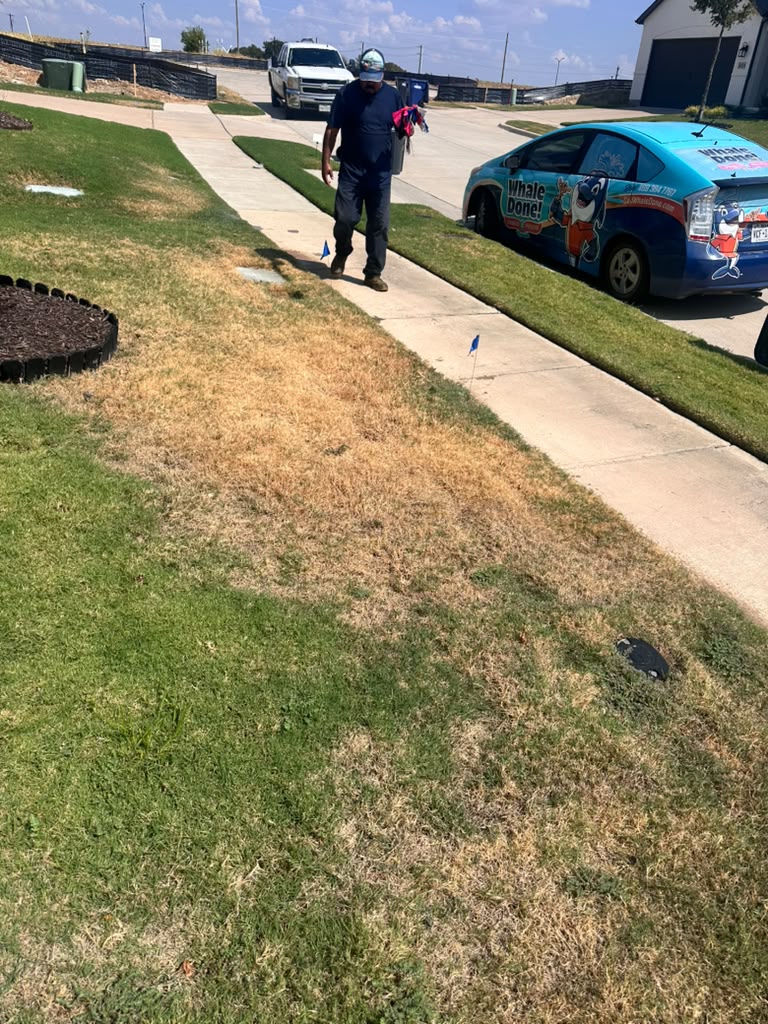
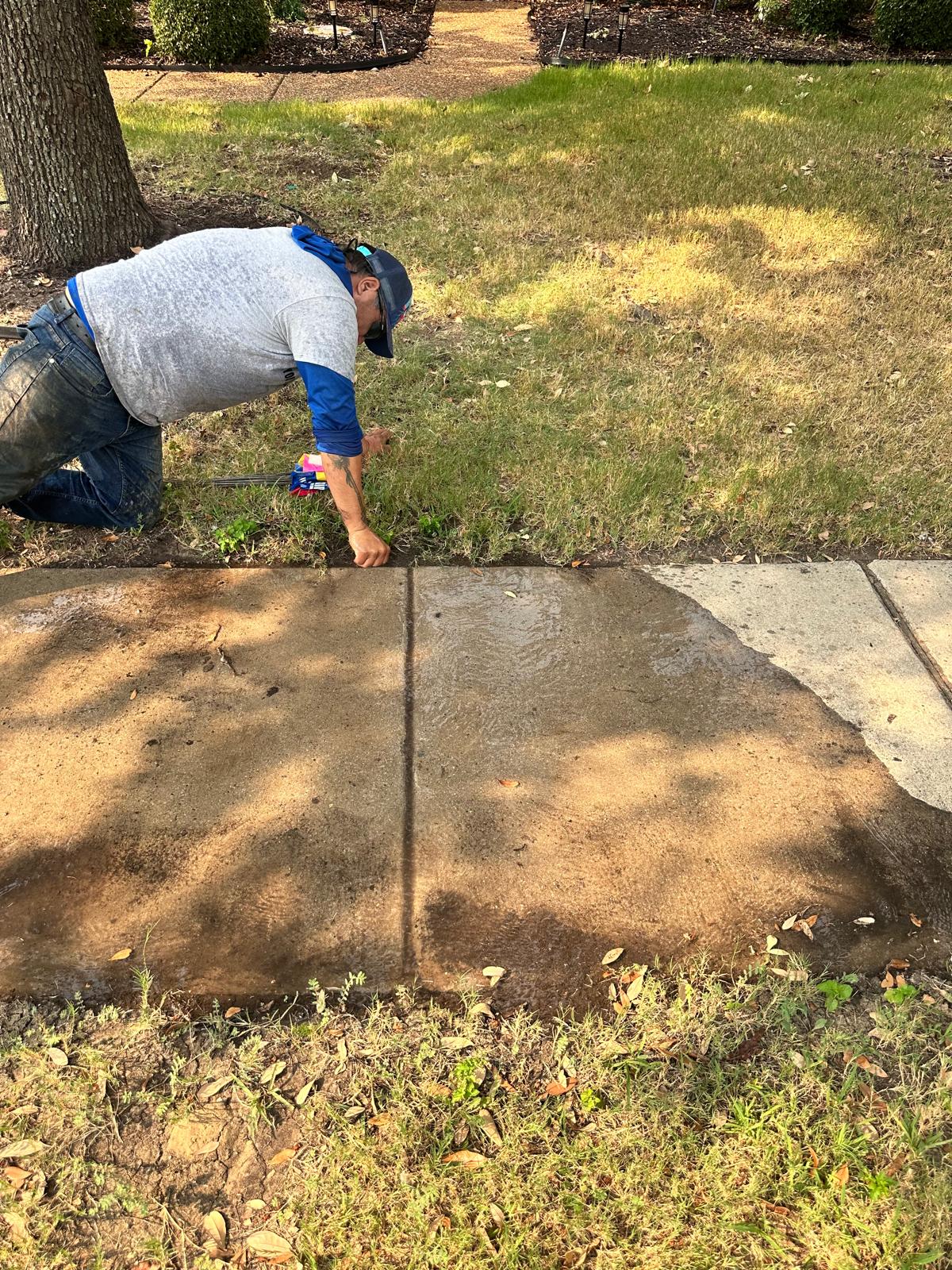
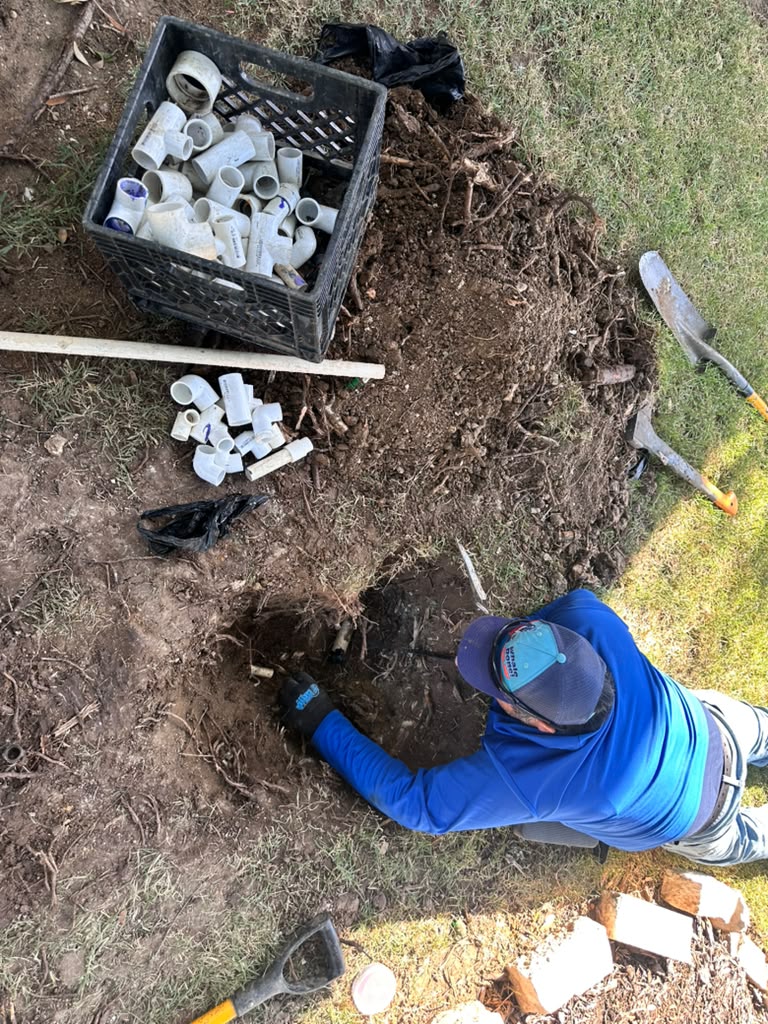
A sprinkler winterization inspection Prosper TX record helps track existing problems by writing down leaks, damaged heads, and unreliable valves before the system is shut down for winter. That list shows what needs repair now, what can wait until spring, and what to recheck at startup. It also gives you a dated record to compare against next season.
A useful record includes the location, a short description, a photo, and a note on whether the issue was fixed or left open. Even a simple phone note works.
At a Glance
- Difficulty: Easy for walking the yard and taking notes
- Estimated time: 45-90 minutes
- Tools needed: Phone camera, notes app or notebook, flashlight, controller manual
- Works for: Tracking leaks, broken heads, sticking valves, and zones that don’t run properly
- May not solve: Hidden underground leaks, internal valve failures, or controller faults without testing
Why Records Matter Before Winter
A sprinkler system is mostly buried, so problems are easy to forget. A wet spot in August becomes a dry-looking lawn in November. By spring, nobody remembers which zone had the issue.
A written record fixes that. It turns “I think something was wrong” into a clear list you can act on.
Records also help in three practical ways:
- Prioritizing repairs: You can see which problems could get worse in a freeze.
- Saving time at startup: You know exactly where to look when the system turns back on.
- Spotting patterns: The same valve or zone showing up twice usually means something deeper is going on.
What to Document
Not every detail matters. Focus on the problems that affect how the system performs or how it handles cold weather.
Leaks
Note where you saw water and when. Record whether it appeared only when a zone ran or also when the system was off. A leak that shows up with the system off is a bigger concern, since it may involve a pressurized line.
Damaged Heads
Write down heads that are cracked, tilted, stuck, sunken, or spraying the wrong direction. Take a photo of each one. A broken head is usually a simple repair, but it can leak all season if ignored.
Unreliable Valves
Valves are harder to judge from above ground. Note any zone that:
- Doesn’t turn on
- Doesn’t shut off fully
- Turns on weakly
- Runs by itself
- Has water sitting in the valve box
A valve that works some days and not others is worth recording even if the problem seems to disappear.
Other Items Worth Noting
- Controller errors or odd schedules
- Rain sensor behavior
- Low pressure or misting
- Soggy ground that doesn’t dry out
- The condition of exposed pipes and the backflow preventer
How to Do a Sprinkler Winterization Inspection Prosper TX
You can do a basic walkthrough yourself before a licensed irrigator shuts down and drains the system. These steps take most homeowners about an hour.
Step 1: Start a Simple Log
Create a note or spreadsheet with the date, zone number, and a space for notes. Use a separate line for each issue.
Step 2: Check Your Water Meter
Turn off everything that uses water and read your meter. Wait 15 minutes and read it again. If the number changed, write it down. It may signal a leak, though not necessarily in the sprinklers.
Step 3: Run Each Zone One at a Time
Run every zone for a few minutes. Walk the yard and look for geysers, soggy soil, weak spray, and heads that don’t pop up.
Step 4: Photograph Problems
Take a wide photo to show the location and a close-up to show the problem. Photos make it easier to describe an issue later.
Step 5: Lift the Valve Box Lids
Open each box carefully. Note standing water, hissing, dripping, or damaged wires. Don’t try to repair valves unless you’re comfortable doing so.
Step 6: Inspect the Backflow Preventer
Look at the above-ground assembly near the house or meter. Note cracks, drips, or missing insulation. Texas regulates backflow assemblies, so repairs and testing are best left to licensed professionals.
Step 7: Mark What You Fixed and What You Didn’t
Update your log with a status for each item. Use simple labels like “Fixed,” “Open,” or “Monitor.” This step is what turns a list into a useful record.
What a Good Record Looks Like
A good entry is short, specific, and easy to understand later. Here is an example:
- Date: October 12
- Zone: 4, front lawn
- Issue: Head near driveway cracked and spraying sideways
- Photo: Yes
- Status: Open, replace before spring
- Notes: Zone shut off until repaired
Compare that to “Zone 4 is weird.” The first can be acted on. The second can’t.
When Repairs Are Needed Before Winter
Some problems should be handled before you shut the system down. Others can safely wait.
Usually worth fixing before winter:
- Leaks that continue when the system is off
- Wet soil near the foundation, slab, or retaining walls
- Cracked fittings or damaged exposed pipe
- A backflow preventer that leaks or is cracked
- Valves that don’t shut off completely
Often fine to wait until spring:
- A broken head on a zone that is shut off
- Minor spray pattern issues
- Nozzles that need cleaning
- Small adjustments to arc and distance
If you aren’t sure which group an issue falls into, note it and ask a licensed sprinkler company to evaluate it. Not every problem needs to be fixed right now. The record helps you decide.
How Unresolved Defects Are Recorded
Sometimes a problem can’t be fixed right away. The part may be in order, the weather may not allow digging, or you may choose to wait. In those cases, the issue should still be recorded clearly.
A good unresolved-defect note includes:
- What was found: A short description
- Where it is: Zone number and location
- What was done: For example, the zone was shut off
- What is still open: The repair that hasn’t happened yet
- What to check at startup: The first thing to test in spring
Many licensed companies list unresolved items in their inspection notes so the homeowner knows what was left open. If you hire someone to inspect your system, it’s reasonable to ask for those findings in writing. That way, an open item doesn’t get lost between fall and spring.
Common Mistakes Homeowners Make
- Relying on memory. Small problems fade from memory over a few months.
- Skipping photos. Words alone are hard to match to a location later.
- Fixing one issue and not updating the record. You end up with a list that doesn’t match reality.
- Ignoring intermittent problems. A valve that fails once in a while usually gets worse.
- Leaving open items unmarked. Spring startup becomes guesswork.
- Assuming winterization fixes leaks. Draining the system removes water, but it doesn’t repair a damaged pipe or valve. See our guide on sprinkler winterization in Prosper TX.
North Texas Considerations
Local conditions affect which problems matter most heading into winter.
- Clay soil: Prosper’s clay swells and shrinks with moisture, which can tilt heads and stress pipe fittings.
- Foundation movement: Soil near the slab shifts more than open lawn, so heads and lines near the house deserve a closer look.
- Freezes: North Texas freezes are short and unpredictable, but trapped water in exposed fittings can still crack them.
- Wind and heat: A dry, windy fall can hide small leaks by drying wet spots quickly.
- Seasonal watering: Lawns need less water in fall, so a zone that runs weakly may not get noticed until spring.
- Water restrictions: Check current watering rules with the Town of Prosper and your water provider before running test cycles.
For state rules on irrigation work and licensing, see the TCEQ irrigation program. For general guidance on finding and fixing outdoor water waste, the EPA’s WaterSense outdoor resources are a good starting point.
Related Problems to Watch For
A record often shows patterns that point to a bigger issue. If the same symptom keeps appearing in your notes, the cause could be:
- A failing valve: See our guide on sprinkler valve repair.
- An underground leak: Read about sprinkler leak detection.
- Low water pressure: A weak spray across several zones may be a pressure issue.
- Controller problems: Schedules that don’t match what you see in the yard may point to the controller.
- A damaged backflow preventer: Cracks or leaks should be checked by a licensed professional.
Frequently Asked Questions
What should I write down during a sprinkler winterization inspection?
Record the zone, location, and a short description of each problem. Add a photo and a status such as fixed, open, or monitor. Include any leaks, damaged heads, valve issues, or controller errors.
Do I need a professional to inspect my sprinkler system before winter?
Not always. You can do a basic walkthrough yourself. A licensed sprinkler company can test valves, pressure, and the backflow preventer, which are harder to check from above ground.
Does winterizing fix leaks or broken heads?
No. Winterizing removes water from the lines to reduce freeze damage. Existing leaks, cracked heads, and faulty valves still need to be repaired.
Can I wait until spring to repair a broken sprinkler head?
Often yes, if the zone is shut off and the head isn’t near your foundation. A leak that continues with the system off should be checked sooner. Record the issue so it gets fixed at startup.
How long should I keep my sprinkler inspection records?
Keeping at least a few seasons of notes is helpful. Over time, they show whether a zone or valve keeps having the same problem.
Conclusion
A sprinkler winterization inspection Prosper TX record turns scattered observations into a clear list of what was found, what was fixed, and what is still open. Keep your own notes and photos, and ask for written findings whenever a licensed sprinkler company checks your system. That record makes spring startup faster and helps you decide which repairs can wait. If you want help documenting leaks, damaged heads, or unreliable valves before the first freeze, our team can help you.