Irrigation system leaks in McKinney TX can lead to significant water waste, higher utility bills, and damage to your lawn if left unnoticed. Because irrigation systems operate underground and often run during early morning hours, many leaks remain hidden until they become larger and more expensive problems. Understanding how to detect leaks early can help homeowners protect their landscapes, conserve water, and maintain efficient irrigation performance throughout the year.
Whether you have a small residential sprinkler system or a larger irrigation setup, knowing what signs to watch for can save both time and money. This guide explains the most common indicators of irrigation leaks, practical inspection methods, and preventive measures that can help keep your system operating efficiently.
Why Irrigation Leaks Should Never Be Ignored
An irrigation system is designed to distribute water evenly across your property. When a leak develops, the system loses efficiency and can create a variety of issues that affect both your landscape and your finances.
Common consequences of irrigation leaks include:
- Increased monthly water bills
- Uneven watering patterns
- Lawn and plant damage
- Soil erosion
- Foundation concerns caused by excessive moisture
- Reduced system performance
- Wasted water resources
According to the EPA WaterSense program, outdoor water use accounts for a significant portion of household water consumption. Even small leaks can waste thousands of gallons of water annually.
Common Signs of Irrigation System Leaks
Detecting leaks often begins with recognizing subtle changes around your property. Many homeowners notice symptoms before they discover the actual source of the leak.
Unusually High Water Bills
One of the earliest warning signs is an unexpected increase in your water bill. If your household water usage habits remain the same but costs suddenly rise, your irrigation system could be losing water underground.
Compare your current bill with previous months. Consistent increases without explanation may indicate a hidden leak.
Soggy or Wet Areas in the Lawn
A properly functioning irrigation system should distribute water evenly. If you notice sections of your yard that remain consistently wet, muddy, or saturated long after watering cycles end, a leak may be present.
These wet spots often appear:
- Near sprinkler heads
- Along irrigation lines
- Around valve boxes
- In low-lying areas of the landscape
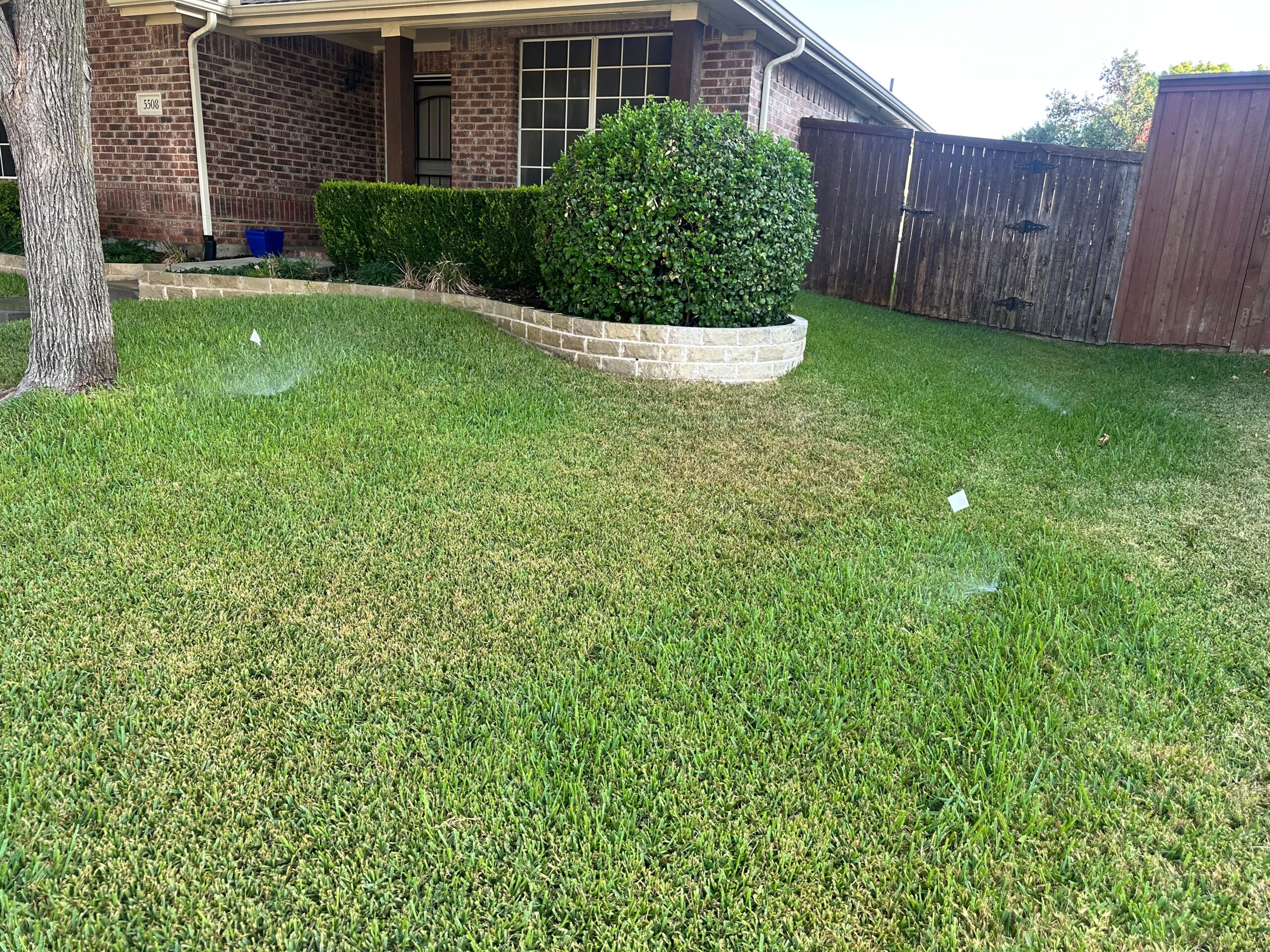
Unusually Green Patches of Grass
Excess water from a leaking irrigation line can create isolated areas of lush, green growth. If one section of your lawn appears healthier, greener, or grows faster than surrounding areas, it may be receiving additional water from a leak.
Reduced Water Pressure
Leaks can cause noticeable pressure loss throughout the irrigation system. You may observe:
- Weak sprinkler spray
- Reduced coverage areas
- Sprinkler heads failing to pop up fully
- Uneven water distribution
Pressure loss often indicates water is escaping before reaching intended zones.
Soil Erosion
Underground leaks can gradually wash away soil beneath the surface. Over time, you may notice:
- Small depressions in the ground
- Exposed roots
- Shifting soil around sprinkler heads
- Minor sinkholes
These signs should be investigated immediately to prevent further damage.
How to Inspect Your Irrigation System
Routine inspections can help identify leaks before they become serious issues.
Perform a Visual Inspection
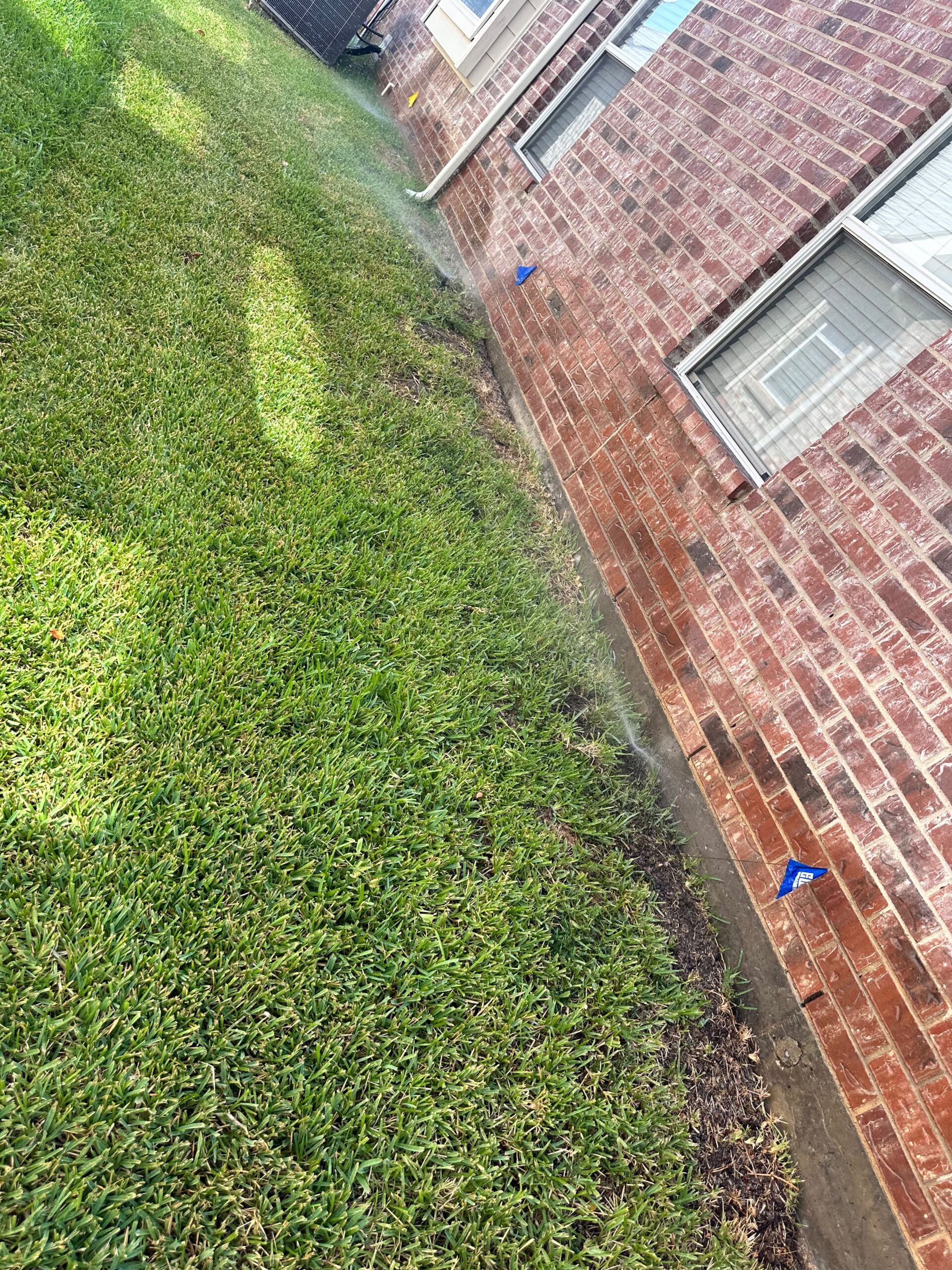
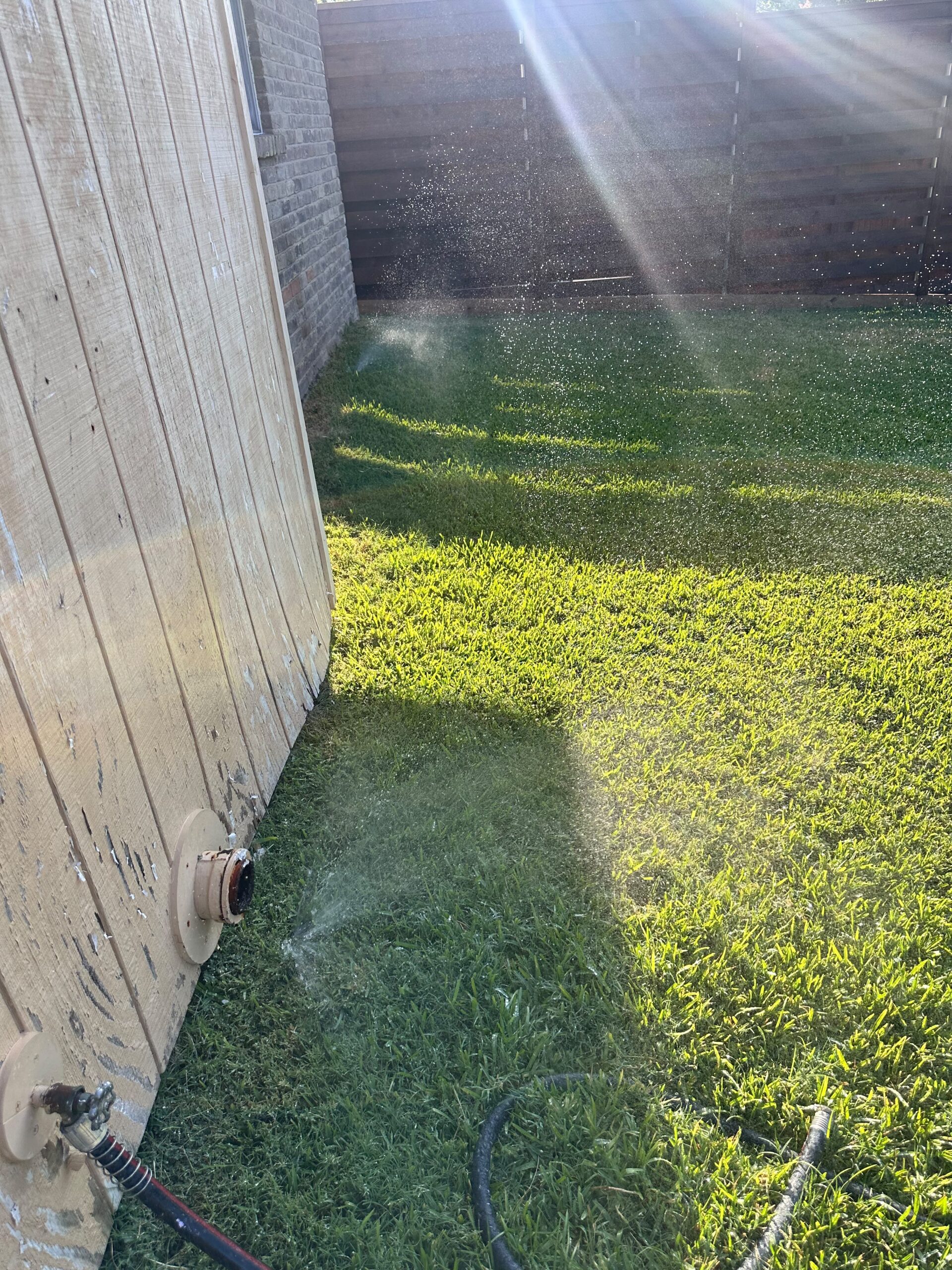
Walk through your property while the irrigation system is operating. Carefully observe each zone and look for:
- Broken sprinkler heads
- Cracked nozzles
- Water pooling near fixtures
- Excessive runoff
- Misaligned spray patterns
Visual inspections are among the simplest ways to identify obvious leaks.
Check Sprinkler Heads
Sprinkler heads are one of the most common locations for leaks and damage. Inspect each head for:
- Physical cracks
- Missing components
- Continuous water flow after shutdown
- Improper spray patterns
Damaged heads should be repaired or replaced promptly.
Examine Valve Boxes
Control valves regulate water flow throughout the irrigation system. Open valve boxes and inspect for:
- Standing water
- Corrosion
- Damaged fittings
- Loose connections
Persistent moisture inside valve boxes often indicates leakage.
Monitor Water Meter Activity
A water meter test can help confirm whether a leak exists.
Follow these steps:
- Turn off all water fixtures inside and outside the home.
- Ensure the irrigation system is not operating.
- Record the water meter reading.
- Wait approximately one hour without using water.
- Check the meter again.
If the reading changes, a leak may be present somewhere within the system.
Understanding Common Leak Locations
Leaks can occur throughout an irrigation system, but certain components are more vulnerable than others.
Underground Pipes
Buried irrigation lines experience pressure changes, soil movement, and root intrusion over time. Cracks and breaks often develop beneath the surface where they are difficult to detect.
Signs of underground pipe leaks include:
- Persistent wet spots
- Unexplained water loss
- Soft ground conditions
Valves and Connections
Valves contain seals and fittings that naturally wear over time. Faulty seals may allow water to escape continuously.
Common symptoms include:
- Water accumulation around valves
- Continuous dripping
- Reduced zone performance
Backflow Prevention Devices
Backflow preventers protect drinking water supplies from contamination. Because these components are exposed to environmental conditions, leaks can develop due to age, freezing temperatures, or worn seals.
You can learn more about irrigation safety requirements through the Texas Commission on Environmental Quality.
Drip Irrigation Components
Drip irrigation systems provide excellent water efficiency, but emitters and tubing can become damaged by:
- Sun exposure
- Lawn equipment
- Soil movement
- Root intrusion
Small leaks in drip systems may be harder to detect because water releases slowly.
Seasonal Factors That Contribute to Leaks
Weather conditions in McKinney can affect irrigation system performance throughout the year.
Summer Heat
High temperatures can place significant stress on irrigation systems by causing pipe expansion, increasing overall water demand, and accelerating material deterioration. Prolonged exposure to extreme heat may weaken pipes, fittings, and other components over time, making the system more vulnerable to cracks, failures, and costly water leaks.
Winter Freezes
Freezing temperatures can place significant stress on irrigation systems by causing trapped water inside pipes to expand. This expansion may lead to cracked pipes, broken fittings, and costly repairs. Proper winterization, including draining excess water and preparing the system for cold weather, helps reduce damage risks and maintain reliable performance.
Soil Movement
For homeowners in McKinney, changing moisture levels can cause soil to expand and contract throughout the year, placing pressure on underground irrigation pipes and fittings. As the soil shifts over time, connections may loosen, pipes can become stressed, and small leaks may develop, eventually leading to water loss, reduced efficiency, and potential landscape damage.
Advanced Leak Detection Methods
Some irrigation leaks remain hidden beneath landscaping, driveways, or other structures. In these situations, advanced detection methods may be necessary.
Pressure Testing
Pressure testing evaluates whether the irrigation system maintains proper operating pressure.
A significant pressure drop often indicates:
- Pipe damage
- Underground leaks
- Faulty valves
Acoustic Leak Detection
Specialized equipment can identify sounds produced by escaping water beneath the surface.
This technology helps locate leaks without extensive digging and reduces disruption to landscaping.
Zone Isolation Testing
By testing each irrigation zone individually, technicians can narrow down the location of a leak more efficiently.
This method helps identify which section of the system requires repair.
Information about water conservation practices and irrigation efficiency can also be found through the Irrigation Association.
Preventive Maintenance Tips
Preventive maintenance remains one of the most effective ways to reduce leak risks.
Schedule Routine Inspections
Professional inspections can identify early signs of wear before they develop into major problems.
Annual evaluations often include:
- System performance checks
- Valve inspections
- Pressure assessments
- Coverage evaluations
Replace Aging Components
Like any mechanical system, irrigation equipment experiences normal wear and tear.
Consider replacing:
- Worn sprinkler heads
- Damaged valves
- Aging controllers
- Cracked fittings
Proactive replacement helps improve efficiency and reliability.
Adjust Seasonal Watering Schedules
Overwatering can place unnecessary strain on irrigation components.
Following recommendations from the Texas A&M Water University can help homeowners create more efficient watering schedules while reducing stress on irrigation systems.
Protect the System During Landscaping Projects
Excavation, planting, and construction activities frequently damage irrigation lines.
Before beginning any landscape work:
- Review irrigation layouts
- Mark underground utilities
- Avoid digging near known irrigation components
These precautions can help prevent accidental damage.
When Should You Contact a Professional?
While homeowners can identify many common irrigation issues, some leaks require professional expertise.
Consider professional assistance if:
- Leaks remain difficult to locate
- Water bills continue increasing
- Multiple zones experience pressure loss
- Underground pipe damage is suspected
- Extensive repairs are required
Professional evaluations often identify underlying issues that may not be visible during routine inspections.
Conclusion
Detecting irrigation system leaks in McKinney TX begins with recognizing early warning signs such as wet spots, unusually green grass, high water bills, reduced pressure, and soil erosion. Regular inspections, water meter testing, seasonal maintenance, and prompt repairs can help prevent costly damage while improving irrigation efficiency. Taking a proactive approach ensures your landscape remains healthy and your system continues operating as intended throughout the year.
For professional assistance with irrigation system leaks in McKinney TX, contact Whale Done Sprinklers & Irrigation.
Phone: +1(469) 384-7767
Email: clientsupport@callwhaledone.com